
Helmet or Bluetooth Headset First? Building Your Riding Kit in the Right Order

Helmet or Bluetooth Headset First? Building Your Riding Kit in the Right Order
New riders and returning riders face the same question: with a limited budget, do you buy the helmet first or the Bluetooth headset first? The practical answer is that the helmet always comes first, because fit and protection cannot be substituted, but there are smarter ways to plan the headset purchase so the two work together instead of fighting each other.
Buy the helmet first, then the headset. A helmet that fits properly and matches your riding is the foundation of the kit, and most modern headsets are designed to mount into helmets afterwards. Plan the order: fit the helmet, confirm it can hold a headset without changing fit, then choose a headset whose mounting, speaker placement, and features match how you ride.
This guide follows the general principle that a properly fitting helmet should be the priority for any motorcycle rider, consistent with NHTSA helmet selection guidance. Headset mounting and wiring details are described in general terms; verify the specific mounting method, speaker size, and fit impact against the product page of the exact headset model before buying. General fit priority follows NHTSA helmet selection guidance.
The Short Answer: Helmet First, Always
No headset, however good, makes up for a helmet that does not fit. A helmet that is loose, presses in the wrong places, or cannot be fastened properly is the single biggest safety and comfort problem in the whole kit, and it is the one item you cannot ride without.
The headset is a strong second priority. Music, navigation, and calls change how a commute feels, but they all depend on the helmet existing first. The good news: buying in this order does not cost you anything extra. You plan the headset choice around the helmet instead of the other way around.
Representative Rider Scenario: Priya - A New Commuter's Budget. Priya starts a daily motorcycle commute and has a fixed budget. She buys a fitting full face helmet first, then adds a Bluetooth headset one pay period later. Her headset choice is made against the helmet she actually has, which removes most of the compatibility guessing.
Why the Order Actually Matters
If you buy the headset first, you are choosing an accessory before knowing which helmet it needs to fit into. Headsets differ in speaker size, microphone style, clamp or pad mounting, and where the wires route. A headset that fits one helmet well can sit awkwardly in another, pressing on your ears or leaving wires that annoy you on every ride.
If you buy the helmet first, the headset question becomes concrete: does this helmet have speaker pockets, how does the liner sit around the ears, and where does the mic reach? Those are questions you can answer once the helmet is on your head, and the answers make the headset choice much easier.
There is one practical exception: some helmets ship with integrated communication options or dedicated mounting, and some riders buy a helmet and headset as a matched set. That is a legitimate shortcut, but the same rule applies inside it, the fit of the helmet decides whether the set works.
A Realistic Kit-Building Order for Most Riders
- Get an accurate head measurement and choose a helmet size by fit, not by looks.
- Wear the helmet for a real fit test: check pressure points, stability, glasses room, and visor operation.
- Check that the helmet has room for a headset: ear area space, liner design, and where speakers would sit.
- Choose the headset by your real use: music, calls, navigation prompts, or passenger intercom.
- Install the headset, then re-check the helmet fit with the speakers in place.
- Adjust speaker position and wiring so nothing presses on your ears or interferes with the liner.
After installing any headset, re-check the fit. Speakers should sit beside your ears without pressure, and the liner should still hold the helmet correctly. If the headset changes the fit, fix the placement or reconsider the headset before riding.
Budget Planning: How Much Goes Where
Budget allocation is a personal decision, but the priority order is not: protection first, function second, style third. Within that frame, riders usually find that a good full face helmet and a basic headset beat a cheaper helmet plus an expensive headset, because the helmet is the item that cannot be upgraded by software.
If your budget only covers one item this month, buy the helmet and keep a shortlist for the headset. The shortlist should note your helmet model, the ear pocket situation, and the two or three headset features you actually use, so the purchase is fast when the budget frees up.
What to Verify About the Headset Before You Commit
Once the helmet is settled, the headset decision comes down to a few checks that prevent common disappointments.
Before committing, match the headset to how you actually ride. A rider who only listens to navigation does not need deep intercom pairing, and a rider who never rides in groups does not need a multi-rider mesh. Pick the features you use, then check mounting style and speaker placement against your helmet.
Verify details like battery behavior, charging, waterproof rating, and compatibility against the official product page of the exact model, because those specifications change between versions and are easy to misread.
How This Applies When Choosing
For a new commuter building the kit in order, the pattern looks like this: a full face helmet that fits and breathes, followed by a headset that mounts cleanly and matches daily use. Below are the two items in the order this guide recommends.
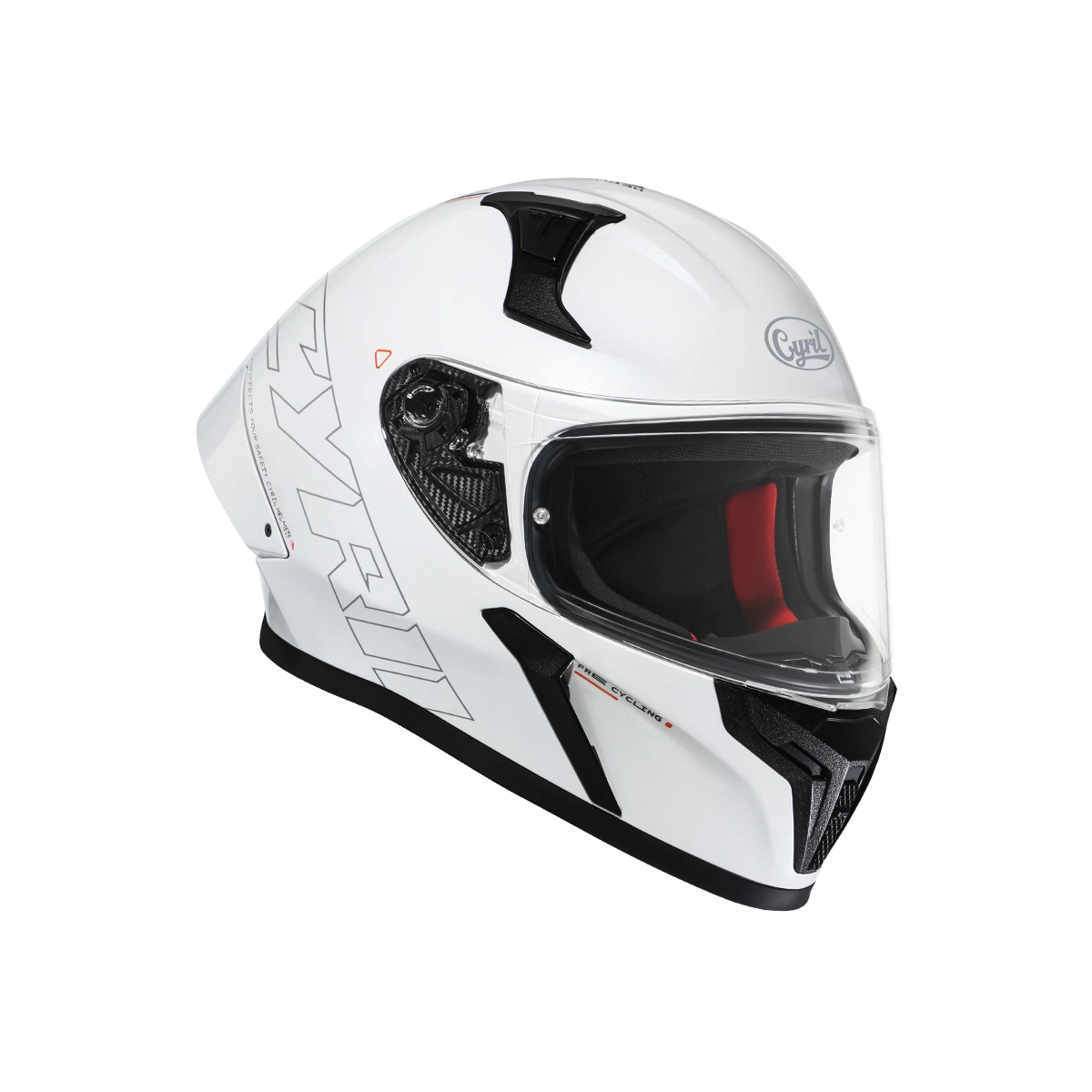
The Foundation: Mad Shark Full Face Helmet
The Mad Shark Full Face Helmet is a fitting first purchase for riders starting a commuting kit: full face coverage, active ventilation, clear visor, removable washable liner, ABS shell, multi-layer EPS, and DOT / ECE information on the product page. Fit it first, then plan the headset around it.
View current Mad Shark Full Face Helmet details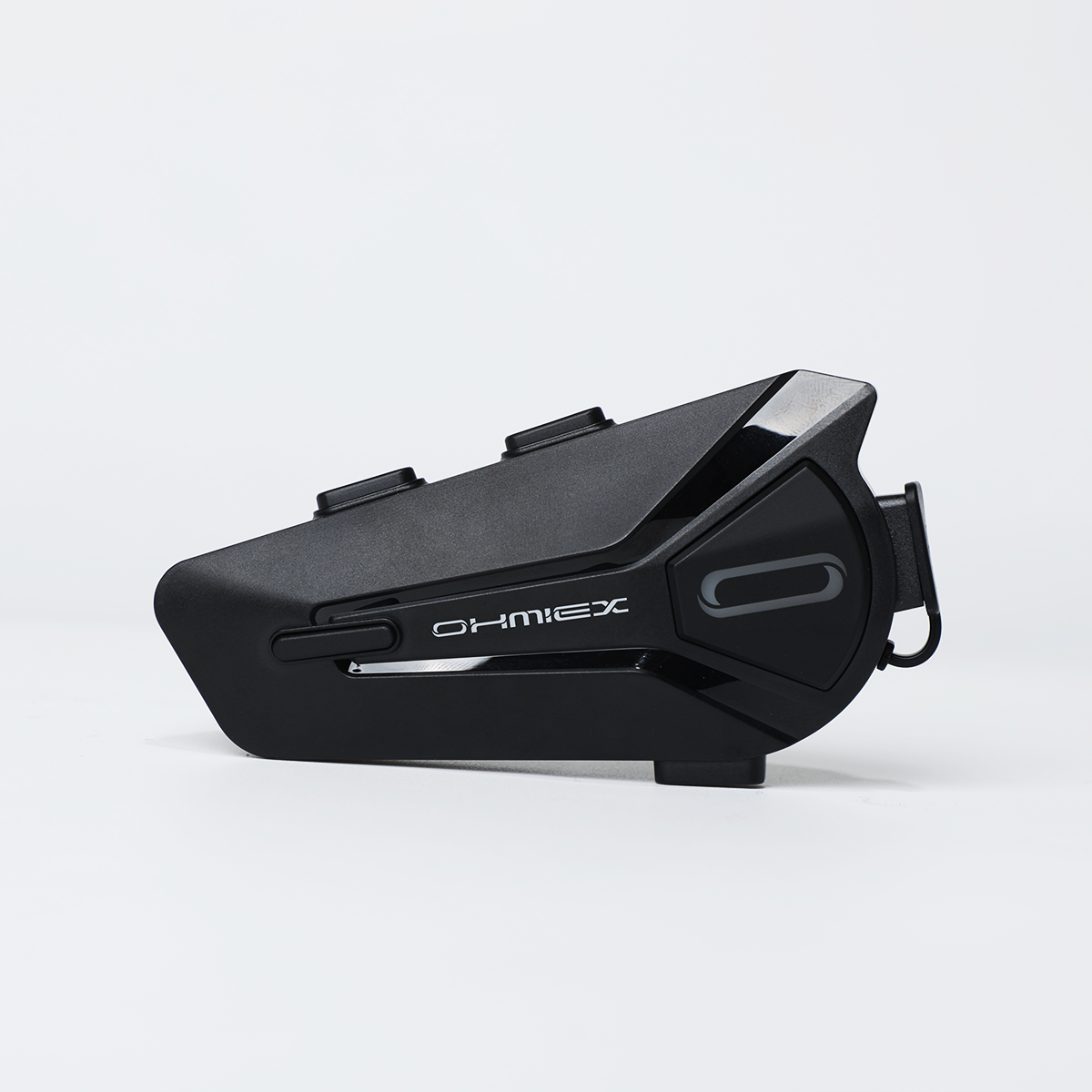
The Add-On: OHMIEX C1 Motorcycle Bluetooth Headset
The OHMIEX C1 is a Bluetooth headset designed for helmet use, which matches the second step of this buying order. Mounting style, speaker placement, and features should be checked against the official product page, and the helmet fit re-checked after installation.
View current OHMIEX C1 detailsCommon Questions About Buying Order and Kits
Should I buy a helmet or Bluetooth headset first?
The helmet always comes first. It is the item your safety and comfort depend on, and headsets are designed to fit into helmets afterwards.
Can I install a headset in any helmet?
Most headsets mount to helmets with clamps or adhesive pads, but speaker placement and wiring differ by helmet. Check the ear area and liner before buying.
Do headsets make helmets less safe?
Installed correctly, a headset should not change the helmet's fit or retention. Improper installation that shifts the liner or creates pressure should be corrected before riding.
Is it better to buy a helmet with built-in Bluetooth?
Built-in systems are convenient but tie the electronics to one helmet. An add-on headset can move to a new helmet later and is chosen after your helmet is settled.
What if my budget only covers one item?
Buy the helmet that fits. Keep a headset shortlist with your helmet model and the features you use, and add the headset when the budget allows.
How do I check a helmet can take a headset?
Look at the ear area when the helmet is on: liner depth, room beside the ears, and where a clamp or pad would sit. Wires should route without pressing on your head.
Do I need to re-check fit after installing a headset?
Yes. Speakers and wiring can change how the liner sits. Re-check pressure points and helmet stability after installation.
Are cheap headsets worth buying?
Value depends on features, mounting, and reliability. Verify the model's specifications and mounting style on the official page instead of comparing only prices.
Final Notes
Build the kit in the right order and the rest gets easier: fit the helmet first, confirm it can carry a headset, then choose the headset for how you actually ride. The order does not cost more, it just makes each purchase decision sharper.