
HJC C10 vs CYRIL Mad Shark: Full Face Helmets Under $150 Compared

HJC C10 vs CYRIL Mad Shark: Full Face Helmets Under $150 Compared
Both HJC C10 and CYRIL Mad Shark are full face helmets in the budget-friendly range. They share the same basic shell shape but use different materials, list different certifications, and handle visor systems in their own ways. Here is what published information reveals about each.
CYRIL Mad Shark lists an ABS shell, multi-layer EPS, a clear visor with quick-release base, removable washable liner, and ventilation on its product page along with DOT and ECE references. HJC C10 is publicly described as a polycarbonate-shell full face with built-in ventilation and DOT certification. The key differences to verify are shell material, the number of safety certifications listed, visor swap method, and interior care options. The right choice depends on the specific fit and the information each manufacturer provides for the exact size you need.
This article was reviewed against Mad Shark official product information, publicly available HJC C10 specifications from authorized retail listings, and NHTSA helmet-selection guidance. It does not present unpublished road, noise, weight, or durability testing.
Why Shell Material Matters When You Compare
Abs and polycarbonate are two common thermoplastic shell materials in this price range. Both are rigid, injection-molded plastics, but they differ in how they are produced and how they are paired with EPS foam inside.
Mad Shark's product page lists an ABS shell. HJC C10 is publicly described with a polycarbonate shell. Neither is inherently better without knowing the thickness and EPS pairing. Check the product page for the exact material and evaluate the feel during a hands-on fit test.
What to verify: Confirm the shell material listed on the product page of the exact model you are considering. ABS and polycarbonate are different materials with different manufacturing processes. Do not assume they perform identically based on the price alone.
Certification Status: What Each Product Page Lists
Certifications tell you which testing standards the helmet has been submitted to. Mad Shark's product page references DOT and ECE. HJC C10 is publicly described with DOT. DOT is the U.S. Department of Transportation standard. ECE is the United Nations Economic Commission for Europe standard. A helmet can carry one or both depending on the manufacturer's submission and target market.
| Comparison Dimension | CYRIL Mad Shark | HJC C10 |
|---|---|---|
| Shell material (product page) | ABS | Polycarbonate |
| Certifications listed | DOT / ECE (per product page) | DOT (per public listings) |
| Visor system | Clear visor with quick-release base | Clear visor |
| Interior care | Removable washable liner | Check manufacturer listing |
| EPS construction | Multi-layer EPS | Check manufacturer listing |
| Ventilation | Ventilation system (product page) | Built-in ventilation system (public info) |
The certification difference is worth noting but should not be treated as a simple "more is better" equation. What matters is whether the helmet carries the certification required for where you ride, and whether the physical label on the helmet matches what the product page claims.
Visor Systems and Day-to-Day Practicality
Both helmets use clear visors, but the interaction differs. Mad Shark lists a quick-release visor base, which means you can swap the shield without tools. This matters if you ride in varying light conditions or need to replace a scratched visor quickly.
HJC C10 is publicly described with a clear visor, but the specific release mechanism should be checked on HJC's own product page. Not all visor systems are equally easy to swap.
Before choosing based on visor convenience, verify replacement visor availability and price for both helmets. A quick-release base is only useful if replacement shields are easy to source in your region.
Ventilation and Interior Care
Both Mad Shark and HJC C10 list ventilation systems, but the number of vents, placement, and whether they are adjustable are details you should confirm on the respective product pages. Mad Shark's product page describes a ventilation system. HJC C10 is publicly described with a built-in ventilation system. The internal airflow experience depends on vent design, EPS channeling, and liner material.
Interior care is another practical difference. Mad Shark lists a removable washable liner, which simplifies cleaning. For HJC C10, confirm whether the liner is removable and washable through the manufacturer's specifications.
The "What to Verify" Framework
Because these helmets use different shell materials, list different certifications, and come from different manufacturers, verify the specific details rather than assume. Use this checklist for the exact model and size you plan to buy.
- Check the shell material on the product page. Confirm whether it is ABS, polycarbonate, or something else.
- Look at the certification labels on the physical helmet. Match them against what the product page says.
- Test the visor operation. Open and close it several times. If the helmet offers quick-release, ask the dealer to demonstrate a visor swap.
- Check the liner. Is it removable? Can it be washed? Is a replacement liner available?
- Evaluate ventilation during a stationary fit test. Notice whether air flows through the chin and top vents.
- Compare the fit of both helmets on your head if possible. Fit is personal and does not follow brand lines.
Rider Situations That Clarify the Decision
The daily commuter
Alex rides 25 minutes to work on mixed roads. They need a full face helmet that is easy to maintain. A removable washable liner and a visor that can be swapped without tools are priorities. Verify these features on the product page of whichever helmet fits best.
The weekend rider
Jordan takes weekend rides on rural roads in fair weather. They want DOT-certified protection and a clear visor for daytime riding. Shell material and certification status matter more to Jordan than visor swap speed, so comparing those dimensions is the starting point.
The first-time buyer
Sam is purchasing their first full face helmet. Sam should focus on fit, certification labels, and whether replacement parts like visors and liners are available for the exact model.
How to Choose Between Two Full Face Options
Mad Shark's product page lists ABS shell, multi-layer EPS, DOT and ECE references, quick-release visor base, and removable washable liner. HJC C10 is publicly described with a polycarbonate shell and DOT certification, but you should verify interior care and visor mechanism details on HJC's own channels.
The deciding factor is rarely the brand name on the box. It is the fit on your specific head shape, the certifications that match your riding location, and the maintenance features that suit your routine. Try both if you can. Read the labels. Check the product pages. The helmet that fits correctly and provides the information you need is the right one.
How This Applies When Choosing
Use the official product card below to continue from the comparison guide into exact model details, size guidance and care information. The final choice should still be based on the received product, its labels, its condition and its fit on your head.
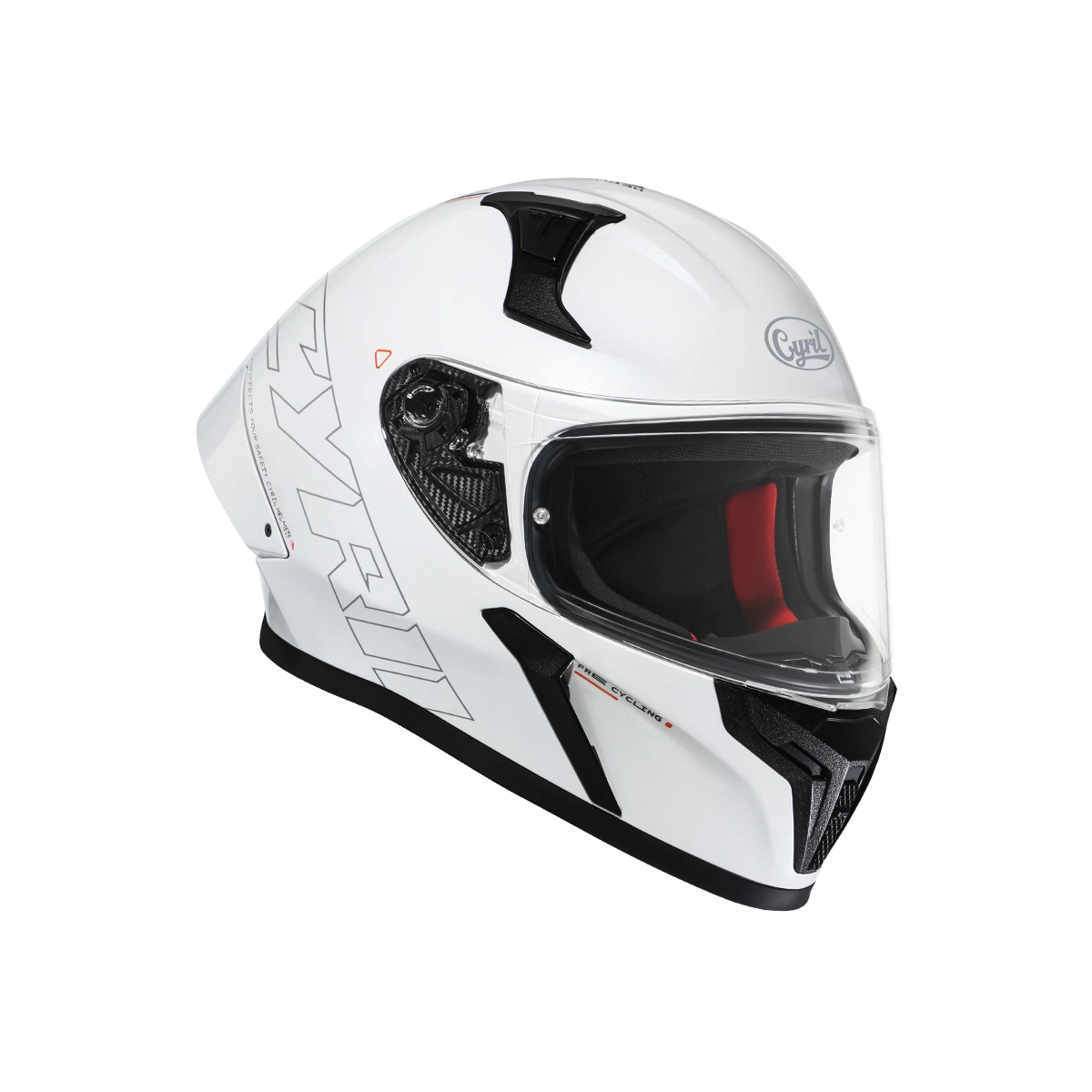
Mad Shark Full Face Helmet
A full face option with ABS shell, multi-layer EPS, quick-release visor base, and removable washable liner. Check the product page for the latest certification and size information.
View Product DetailsCommon Questions About HJC C10 vs CYRIL Mad Shark
What is the main difference between these two full face helmets?
The most visible difference in published information is the shell material. Mad Shark lists an ABS shell, while HJC C10 is publicly described with a polycarbonate shell. Certification listings also differ, with Mad Shark referencing DOT and ECE and HJC C10 referencing DOT.
Does Mad Shark have more certifications than HJC C10?
Mad Shark's product page references both DOT and ECE. HJC C10 is publicly described with DOT. However, certification listings can vary by model year and region. Always check the physical labels on the helmet you receive.
What does "quick-release visor base" mean?
A quick-release visor base allows you to swap the shield without tools. Mad Shark lists this feature. For HJC C10, check HJC's product page to confirm the visor swap mechanism for the specific model.
Are both helmets full face?
Yes. Both HJC C10 and CYRIL Mad Shark are full face helmets with chin bars that cover the lower face.
Can I compare these helmets purely by brand?
No. Brand reputation does not tell you about the specific fit, shell material, certification status, or maintenance features of the exact model you are buying. Always verify the details on the product page and on the physical helmet.
Is ABS or polycarbonate better for a helmet shell?
Both are common thermoplastic shell materials in this price range. Neither is universally superior without knowing the specific formulation, thickness, and EPS pairing. Check the manufacturer's product page for details.
Does Mad Shark have a removable liner?
Yes. Mad Shark's product page lists a removable washable liner. For HJC C10, check HJC's specifications to confirm liner removability and care instructions.
How should I decide between the two?
Start with fit. Try both helmets if possible and check which one sits level on your head without pressure points. Then verify the certifications, shell material, and maintenance features on each product page. The helmet that fits best and provides the information you need is the right choice for you.
Final Notes
HJC C10 and CYRIL Mad Shark are both full face helmets in the budget-friendly range, but they differ in shell material, listed certifications, and visor system details. Mad Shark's product page provides confirmed information on ABS shell, multi-layer EPS, DOT and ECE references, quick-release visor base, and removable washable liner. HJC C10 is publicly described with polycarbonate shell and DOT certification. Verify the remaining details on HJC's own channels. The final decision comes down to which helmet fits your head, carries the certifications you need, and matches your maintenance routine.