
Why Can Helmet Comfort Affect Safety?

Why Can Helmet Comfort Affect Safety?
Helmet comfort can affect safety because discomfort changes how riders behave. A painful helmet can distract you, tempt you to loosen the strap, reduce head checks, make heat or cold harder to manage, or cause you to end a ride tired and irritated. Comfort is not separate from fit; it is one way fit shows up during real riding. The connection is behavioral, not a claim that comfort itself is a safety rating.
Helmet comfort matters when discomfort leads to distraction, poor visibility habits, strap loosening, pressure-point pain, heat buildup, or fatigue. A comfortable helmet is not automatically the right helmet, and a tight helmet is not automatically better. The goal is a snug, stable fit that stays wearable without pushing the rider into bad habits.
This guide uses NHTSA helmet fit guidance, MSF protective gear guidance, and CDC/NIOSH heat stress guidance. These sources support fit, comfort, distraction, and heat-context claims; this article does not treat comfort features as a safety rating. The product note uses only the official Mad Shark Full Face Helmet page; no independent test result is inferred.
Comfort Is Part of How the Helmet Gets Used
Helmet comfort affects safety when the discomfort changes what you do on the bike. Pain can pull attention away from mirrors and traffic. Heat can make you less patient and less focused. A strap that hurts can tempt you to wear it too loose. A visor setup that fogs can make you ride with poor visibility.
The point is not that every minor annoyance is an emergency. The point is that comfort problems become safety-relevant when they push you toward bad riding habits or poor helmet use. If you keep adjusting the helmet while moving, the helmet is already asking for attention it should not need.
Representative Rider Scenario: Ethan - The Strap Bargain. Ethan's helmet fits tightly in the cheeks, but the chin strap rubs after twenty minutes. At the next light, he loosens the strap one click to feel better. The comfort problem has now become a fit-and-use problem, because he is changing how the helmet is secured during the ride.
The Real Link Between Comfort and Safety
Comfort is not a soft extra that only matters after the serious features. NHTSA fit guidance tells riders to look for pressure points and try a new helmet for 30 to 45 minutes before riding because painful hot spots may not appear immediately. That advice connects comfort to correct fit.
MSF protective gear guidance also frames comfort and protection together: gear that fits properly helps riders stay comfortable in different conditions, while uncomfortable gear can distract from riding. A helmet that fits on paper but becomes painful on the road is not doing its job well in real use.
Snug, Not Painful
The helmet should stay stable without creating pressure that makes you adjust it constantly.
Less Distraction
Comfort problems matter when they pull attention away from traffic and road conditions.
Correct Habits
A helmet should not encourage loose straps, lifted visors in rain, or skipped rides with proper gear.

Distraction and Fatigue Are the First Warning Signs
The first sign is often not dramatic pain. It may be a small repeated adjustment: lifting the helmet at lights, pressing a finger under the brow, tugging glasses away from the temples, or cracking the visor because the inside feels hot. Repetition matters because it means your attention keeps returning to the helmet.
Fatigue matters too. Wind noise, neck strain, cheek pain, and heat buildup can make a normal commute feel longer than it is. By the last few miles, the rider may be less patient, less smooth with shoulder checks, or more eager to get the ride over with.
A useful threshold is the intersection test. If you are thinking about the helmet instead of traffic when you roll into a busy intersection, merge, or make a left turn, the comfort issue has moved beyond background annoyance.
Ask what you touch first at a stop: strap, visor, forehead area, glasses, vents, or collar. That first adjustment usually points to the comfort issue most likely to affect your riding focus.
Comfort Can Change Fit and Retention Habits
A helmet that is too painful often causes riders to compensate. They may size up too far, loosen the strap, remove cheek pads, wear a thick layer to change pressure, or avoid fastening the helmet properly for short errands. Those fixes can create new problems.
NHTSA guidance emphasizes a helmet that fits snugly around the crown and cheeks and does not move around easily. Comfort is part of reaching that result. The helmet should not slide, rotate, lift, or require a loose strap to feel bearable.
- Wear the helmet for 30 to 45 minutes at home before the first ride.
- Check whether pain appears at the forehead, temples, ears, jaw, or neck.
- Fasten the strap as you would for riding; do not test with it loose.
- Add glasses, earplugs, balaclava, and jacket collar if you use them.
- Move your head and confirm the helmet stays level and stable.
- If comfort requires unsafe adjustments, treat the fit as unresolved.
Heat, Cold, and Weather Comfort Matter Too
CDC/NIOSH heat guidance lists temperature, humidity, direct sun, limited air movement, dehydration, clothing, and personal protective equipment as heat-stress factors. A motorcycle helmet is part of that comfort system on hot rides, especially in slow traffic.
Weather comfort is also about visibility. Rain fog, cold breath condensation, sweat running into the eyes, and a visor opened too far for airflow can all affect how clearly the rider sees. Comfort choices that improve one problem should not create a worse visibility problem.
Representative Rider Scenario: Morgan - The Summer Red Light. Morgan's helmet is fine at 45 mph, but in summer traffic the liner feels wet, the visor fogs near the nose, and sweat reaches the eyes. Better vent control, liner drying, and a realistic hot-weather fit check matter more than calling the helmet simply "comfortable" or "uncomfortable."

When Comfort Problems Mean You Should Stop Riding
Stop and reassess if the helmet causes numbness, sharp pain, blocked vision, strap choking, severe distraction, heavy fogging, heat stress symptoms, or any adjustment that requires both hands while moving. A helmet issue that cannot wait until the next stop is already too intrusive.
At the stop, do not simply loosen everything and continue. Identify the actual cause. Is the helmet the wrong internal shape? Is the strap twisted? Are glasses pressing the temples? Is the collar pushing the helmet upward? Is the visor dirty or the vent closed?
If the problem appears only after an hour, the helmet may still be wrong for long rides even if it seems fine in a five-minute store test. Match the comfort test to your real riding time, not the shortest possible try-on. A commuter may need a 30-minute test; a touring rider may need to think in fuel-stop intervals.
Helmet Comfort and Safety Decision Table
Use the behavior change, not only the feeling, to decide what needs attention.
| Comfort Problem | Safety-Relevant Behavior | First Check |
|---|---|---|
| Forehead pressure | Rider lifts or shifts helmet at stops | Internal head shape and pressure points |
| Strap rubs neck | Rider loosens strap while riding | Helmet level, buckle position, collar interference |
| Glasses pain | Rider rides distracted or removes eyewear | Temple channels, frame shape, speaker placement |
| Heat buildup | Rider opens visor too far or loses focus | Vents, liner dryness, ride timing, hydration plan |
| Fogging | Rider continues with reduced visibility | Clean visor, chin vent, breath guard, anti-fog setup |
| Neck fatigue | Rider cuts head checks short | Helmet weight feel, posture, wind lift, ride duration |
Turn Comfort Features Into a Fit Test
Ventilation and washable padding can support daily comfort, but they cannot rescue the wrong size or head shape. When comparing products, connect every comfort feature to a real test: pressure after thirty minutes, visor clarity at stops, and stable fit with normal strap tension.
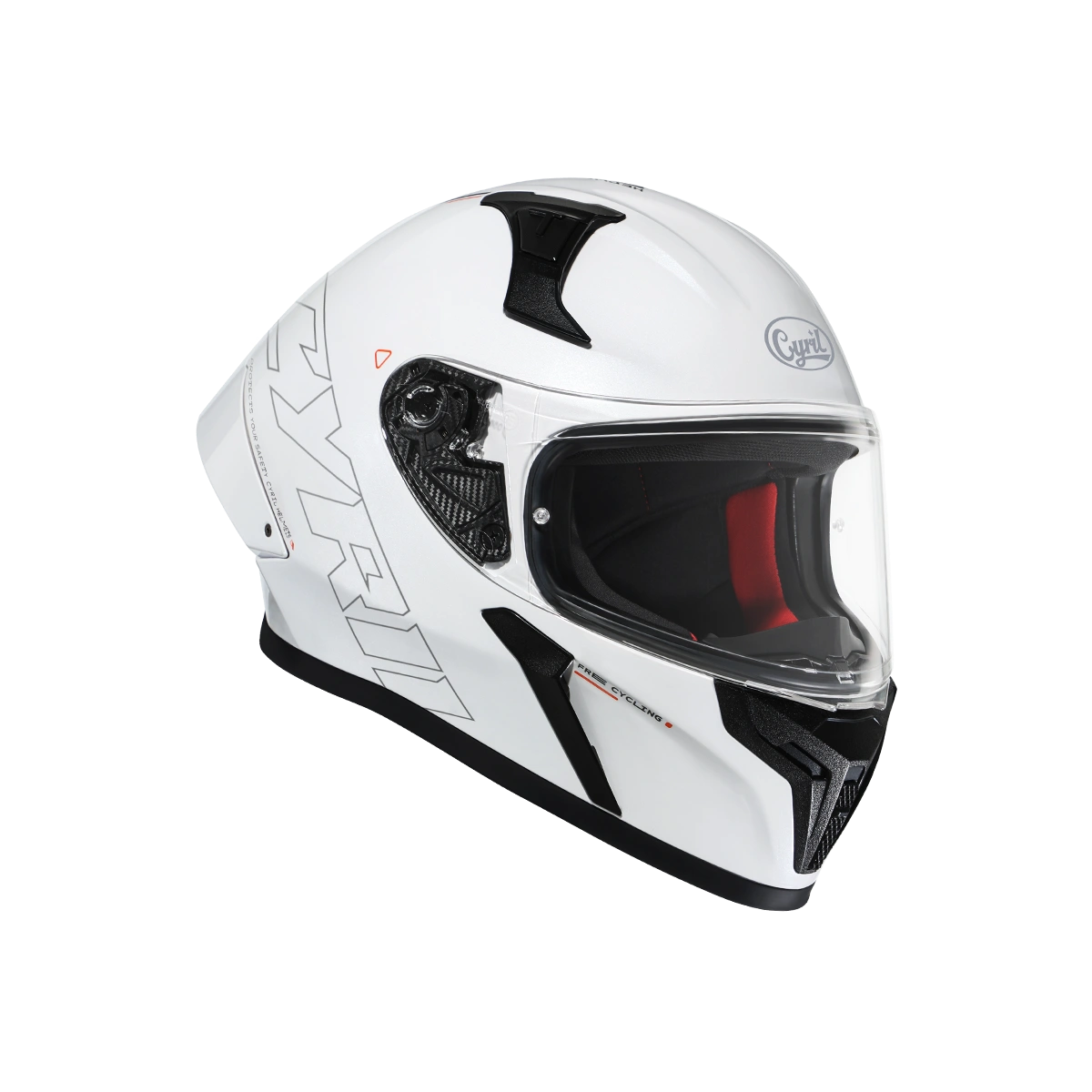
An Everyday Full-Face Option to Fit-Test
The Mad Shark page lists ventilation channels and a removable washable liner alongside its full-face construction. Those features may support everyday use, but comfort and correct fit still need to be checked by the rider and are not a safety guarantee.
View current Mad Shark Full Face Helmet detailsCommon Questions About Helmet Comfort and Safety
Does a comfortable helmet mean it fits correctly?
Not always. A helmet can feel comfortable because it is too loose. It should feel snug, stable, and wearable without pressure-point pain.
Can an uncomfortable helmet distract me while riding?
Yes. Pain, heat, fog, strap rubbing, or glasses pressure can pull attention away from traffic and road scanning.
Is a painful helmet safer because it is tight?
No. Pain is not proof of a good fit. A correct helmet should be snug without creating sharp or growing pressure points.
Why is loosening the strap a problem?
The strap is part of how the helmet stays secured. If comfort makes you loosen it beyond proper adjustment, the fit problem needs fixing.
Can heat make helmet comfort a safety issue?
Yes. Heat, humidity, low airflow, and gear load can affect focus and comfort, especially in slow traffic.
Should I test comfort before riding?
Yes. NHTSA suggests wearing a new helmet for 30 to 45 minutes to check pressure points before riding.
Can poor comfort reduce visibility?
It can if it leads to fogging, sweat in the eyes, a poorly positioned visor, or skipped shoulder checks.
When should I stop using a helmet because of comfort?
Stop and reassess if pain, numbness, poor visibility, strap problems, or heat symptoms interfere with normal riding focus.
Final Notes
Comfort matters because distraction and workarounds change how riders use a helmet. The useful standard is not softness in the first minute; it is stable, repeatable fit without loosening the strap, shifting the shell, or avoiding the visor.