
Can a Loose Strap Make a Helmet Feel Unstable?

Can a Loose Strap Make a Helmet Feel Unstable?
Yes. A loose motorcycle helmet strap can make a helmet feel unstable because it lets the helmet lift, shift, or rotate more when wind pressure changes. But the strap is only one part of the system. If the helmet is the wrong size, has compressed pads, or sits too high, tightening the strap alone will not solve the real fit problem. If slack is the cause, normal snug adjustment should change the behavior without creating pain.
A loose strap can make helmet movement worse, especially in wind or at higher speed. Adjust the strap to normal snugness, then check whether the helmet still moves. The useful comparison is before-and-after strap tension; if the movement remains, keep checking fit, padding, position, or airflow.
This guide references NHTSA helmet fit guidance and Snell Foundation helmet fit guidance for fit and retention context. It focuses on rider checks and avoids treating strap tightness as a substitute for correct helmet fit. The product note uses only the official Mad Shark Full Face Helmet page; no independent test result is inferred.
What a Loose Strap Changes
A loose strap can make a helmet feel unstable because the helmet has more freedom to move when wind hits it. You may feel lift under the chin bar, forward slide during braking, side rotation during head checks, or a delayed tug when a gust catches the shell.
Still, a strap is not a fix for a loose helmet. A correctly adjusted strap works with a helmet that already fits snugly around the head and cheeks. If the helmet moves a lot before the strap is tightened, check size and internal shape first.
Representative Rider Scenario: Marcus - Loosens the Strap for Comfort. Marcus loosens the strap because it rubs under the jaw. Around town the helmet feels okay, but on the highway it starts lifting in gusts. The symptom points to strap adjustment and possibly overall fit, not simply "normal wind."
What the Strap Actually Does
The strap helps keep the helmet seated and limits unwanted movement. NHTSA and Snell fit guidance both treat fit and retention as important helmet checks. The strap should sit flat and snug under the jaw, without twisting or hanging loose.
Normal snugness is different from painful tightness. You should be able to talk and swallow, but you should not be able to pull the strap far away from the jaw or feel the helmet floating when you move your head.
If you can fit several fingers under the strap after fastening it, the strap is probably too loose for a meaningful stability check.
Signs the Strap Is Too Loose
A loose strap often shows up as movement at the wrong moment. The helmet may lift when you accelerate, slide forward when you brake, rotate during shoulder checks, or feel delayed when a gust hits. You may also notice the buckle sitting too low or the webbing flapping against your neck.
If the strap twists, the edge of the webbing can feel uncomfortable even when the actual tension is not high. Flatten the webbing before assuming the helmet needs to be worn looser.

Loose Strap or Wrong Helmet Fit?
The easiest mistake is using the strap to hide a fit problem. If the helmet is too large, the crown shape is wrong, or the cheek pads have compressed, tightening the strap may reduce some movement but create jaw pain, throat pressure, or distraction.
Check the helmet without overusing the strap. It should feel evenly snug around the crown and cheeks. When you move the helmet gently by hand, your scalp should move with it rather than the helmet sliding freely over your head.
Representative Rider Scenario: Sara - Stable Only When Overtightened. Sara can make her helmet feel stable by pulling the strap very tight, but the strap hurts within ten minutes. That pattern suggests she should check size, cheek pads, or helmet shape rather than accepting painful strap tension.
Why Wind Makes Strap Problems More Obvious
Wind pushes on the helmet shell, visor, lower edge, and any accessories. If the strap is loose, the helmet can respond to that pressure before your head does. That is why a strap problem may feel minor in the garage and obvious on an open road.
Jacket collars and neckwear can also affect strap behavior. A collar can push the strap angle backward, or a scarf can make the buckle sit differently. Test the strap with the gear you actually ride in.
Representative Rider Scenario: Noel - Quick Release One Click Loose. Noel's quick-release strap feels convenient, but one loose click leaves the helmet lifting when wind comes under the chin bar. Resetting the strap to normal snugness changes the helmet feel immediately.
A Better Adjustment Routine
Do this before riding, especially after washing liners, changing pads, switching jackets, or adjusting a quick-release system.
- Seat the helmet level before touching the strap.
- Flatten both strap sides so the webbing is not twisted.
- Fasten the strap to normal snugness under the jaw.
- Open your mouth, swallow, and turn your head as if checking traffic.
- Gently try to lift the helmet from the front and back without forcing it.
- Repeat the check with your normal jacket, collar, scarf, or neck gaiter.
After the first short ride, check whether the strap stayed in the same position. If it loosened, twisted, or migrated toward the throat, inspect the routing before assuming the helmet itself has changed.

Loose Strap Decision Table
Use the symptom to decide whether to adjust the strap or investigate fit.
| What You Notice | Likely Direction | First Check |
|---|---|---|
| Helmet lifts in wind | Loose strap or lower-edge airflow | Reset strap and check fit |
| Helmet stable only when strap hurts | Fit or padding issue | Check size, shape, and cheek pads |
| Strap rubs when snug | Route, twist, or collar interference | Flatten webbing and retest with gear |
| Buckle sits on throat | Strap position problem | Re-seat helmet and adjust route |
| Helmet still rotates after adjustment | Helmet too loose or wrong shape | Run full fit checks |
When to Ask Support
Ask support if the strap will not stay adjusted, the buckle position feels wrong, the helmet moves even with normal strap snugness, or comfort only comes from wearing the strap loose. Send photos of the helmet seated level, the strap route, buckle position, and any jacket collar or neckwear involved.
Make Retention Part of the Buying Decision
When comparing helmets, check whether you can achieve stable fit with the strap flat and normally snug. If the helmet feels secure only when the buckle hurts, the product is not passing a real-world fit test, regardless of how convenient the retention hardware looks.
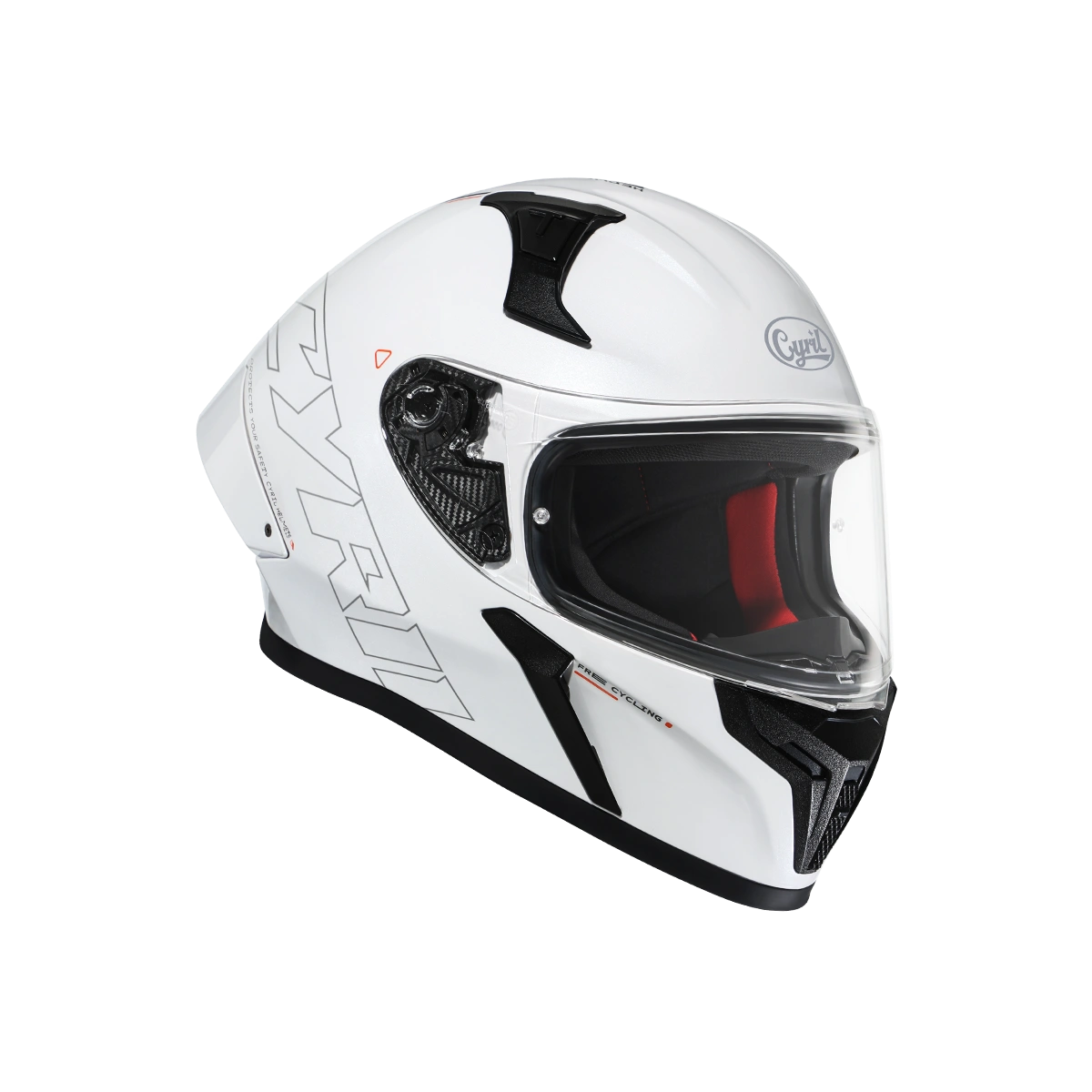
A Full-Face Option With Adjustable Retention
The Mad Shark page lists an adjustable quick-release retention system and removable washable liner. Those are practical details to inspect, but the strap cannot correct the wrong size, compressed padding, or a shell that does not match your head shape.
View current Mad Shark Full Face Helmet detailsCommon Questions About Loose Helmet Straps
Can a loose strap make a helmet feel unstable?
Yes. A loose strap gives the helmet more room to lift, rotate, or slide when wind pressure changes.
How tight should the strap feel?
It should be snug and flat under the jaw, not hanging loose and not painfully tight.
Can tightening the strap fix a loose helmet?
Not fully. A strap can reduce movement, but it cannot correct a helmet that is too large or the wrong internal shape.
Why does my helmet lift only at speed?
Wind may be catching the shell or lower edge, and a loose strap can let that force move the helmet more easily.
Can a jacket collar affect the strap?
Yes. A high collar, scarf, or neck gaiter can change strap angle and make snug adjustment harder.
Should I ride with the strap loose for comfort?
No. If comfort requires a loose strap, check route, webbing twist, buckle position, and helmet fit instead.
Why does the strap loosen after I fasten it?
The webbing may be routed poorly, twisted, dirty, worn, or not seated correctly in the buckle system.
When should I ask support?
Ask support if the strap slips, rubs painfully, will not adjust evenly, or the helmet still moves after normal adjustment.
Final Notes
A loose strap can amplify movement, but painful tightening is not the fix. Seat the helmet level, flatten the webbing, use normal snugness, and let the remaining movement tell you whether fit, padding, clothing, or airflow needs attention.