
Can I Wear Earbuds Under a Motorcycle Helmet?

Can I Wear Earbuds Under a Motorcycle Helmet?
You can physically fit earbuds under most helmets, but it is rarely the best choice: earbuds add pressure inside the ear pocket, their cords snag when the helmet goes on, and wind noise plus loud music can push your ears into unsafe volume. Helmet speakers or a headset are the safer, more comfortable way to listen while riding.
Earbuds work under a helmet in the literal sense, but fit, wiring, and hearing risk make them a poor default. If you must use them, keep volume low, choose low-profile wired buds, and stop if they hurt or block important sound.
This guide uses NIDCD's hearing health guidance on protecting hearing from loud sound and moisture, and NHTSA's helmet guidance for fit context. Local rules about headphones while riding vary; check your state before relying on any in-helmet audio.
The Short Answer, With the Caveats
Wearing earbuds under a helmet is possible. Small in-ear buds fit inside the ear pocket without pushing the liner, and many riders do it for navigation or music. The problems start with the details: the earbud presses against the liner or your ear, the cord catches when you remove the helmet, and the volume creeps up because wind noise drowns the music.
That last part is the one to take seriously. Loud sound adds up, and hearing damage is permanent.
The Hearing Risk Is Real
Wind noise at highway speed is already loud. Add music on top, and the total level reaching your ear can pass what is safe for long exposure. NIDCD's hearing guidance is clear that protecting your ears from loud sound matters, and moisture is another enemy of devices and ears alike. If you can hear the music clearly only by turning it up against the wind, that is the exact situation to avoid.
Set the volume at a stop with the helmet on, then ride. If you raise it again within five minutes, it is too loud.
Fit and Wiring Problems
An earbud that presses against the helmet liner pushes into your ear for the whole ride. The cord route matters too: under the liner, the cord can pull the bud out when you turn your head; over the helmet, it snags on everything. Bluetooth earbuds remove the cord but add another device to charge and keep track of.
Putting the helmet on with earbuds in is where most riders give up. The helmet drags the buds or twists them, and you cannot see what you are doing. Practice at home before you try it on a ride.
What Works Better: Helmet Speakers
Helmet speaker systems sit in the liner's speaker pockets, away from your ear canal. They keep ambient sound audible, avoid the cord problem, and let you raise the helmet on and off without touching the audio. A dedicated headset also puts controls where gloves can reach them.
That is why riders who commute daily usually end up with speakers rather than earbuds. The trade is sound quality and privacy, but for navigation and calls, speakers win on practicality.
Noise-isolating earbuds add another layer of risk. The more they block outside sound, the less you hear of the traffic around you, and the more you are tempted to raise the volume to hear music over the wind. If you use them, choose buds that leave some ambient sound audible, and treat "I cannot hear the bike" as a stop-and-remove signal.
If You Insist on Earbuds
- Choose low-profile wired or Bluetooth buds that do not stick out of the ear.
- Put the earbuds in, then put the helmet on slowly, checking for pressure.
- Route the cord under your jacket, not across the helmet opening.
- Keep the volume low enough to hear traffic and wind around you.
- Stop and remove them if they hurt, shift, or block important sound.
Check your local law too. Some states restrict headphones or earbuds while driving, and the rules can treat one ear differently from two.
Set a personal volume cap as well. At a stop, find the lowest volume that is usable, then ride with it; if the wind makes it hard to hear, the answer is quieter wind management or helmet audio, not more volume.
How This Applies When Choosing
If audio matters for your rides, choose the system before the earbuds. A helmet headset with speaker pockets, glove-friendly controls, and documented pairing is built for the riding environment in a way consumer earbuds are not.
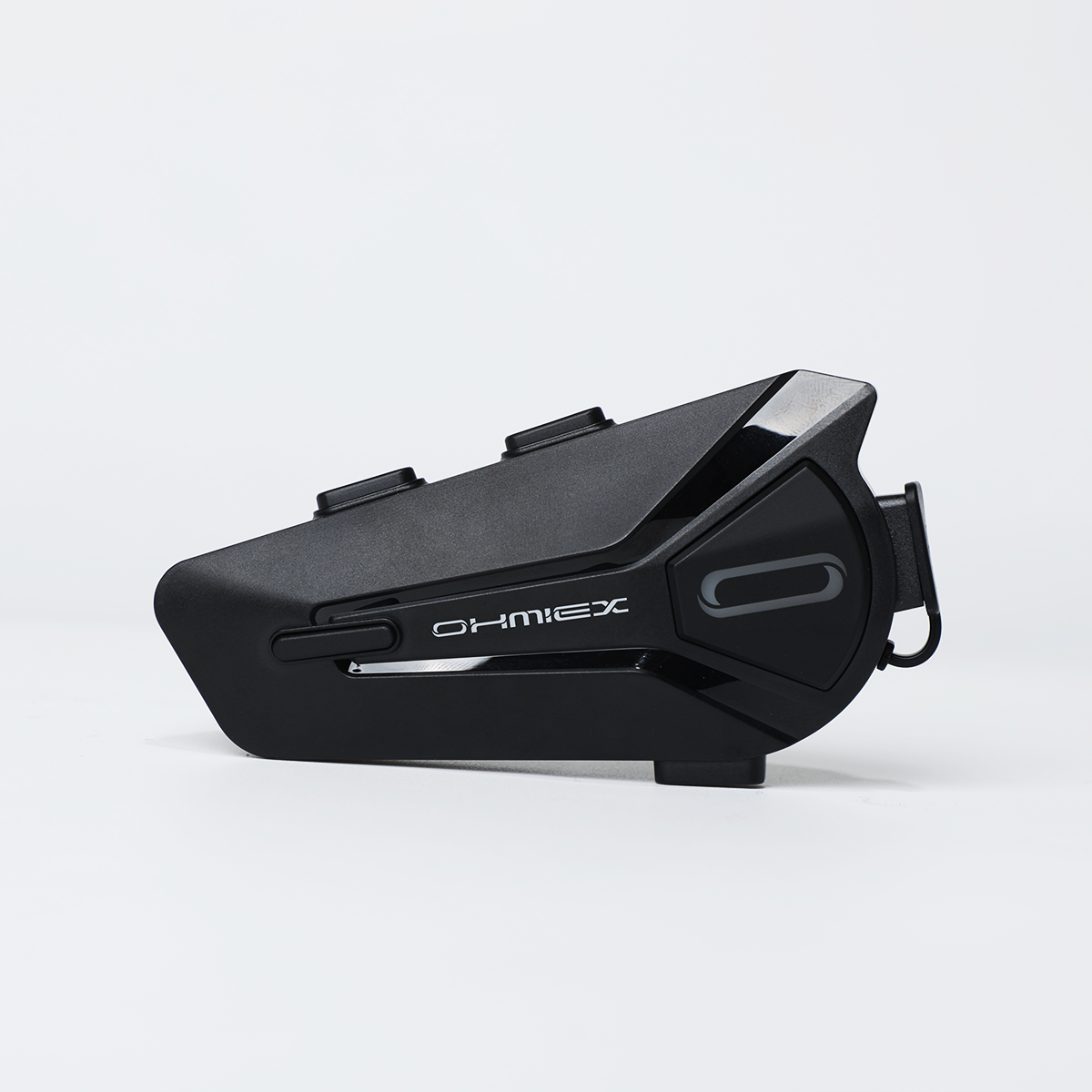
Helmet Audio Built for the Ride
The OHMIEX C1 page lists helmet audio, rider communication, and glove-friendly operation. That is the practical alternative to earbuds: speakers in the helmet, controls you can use with gloves, and no cord to snag.
View current OHMIEX C1 detailsCommon Questions About Earbuds and Helmets
Can I wear earbuds under a motorcycle helmet?
Yes, low-profile earbuds can fit, but pressure, wiring, and hearing risk make helmet speakers a better choice for most riders.
Are earbuds dangerous while riding?
At high volume they can mask traffic and wind sounds and add to noise that damages hearing. Keep volume low and stay aware.
Do earbuds fit inside a full face helmet?
Small buds usually fit in the ear pocket, but they can press against the liner. Test with the helmet on before a long ride.
Can I wear one earbud instead of two?
Many riders use one to keep one ear open, but check local law, which may restrict even single-earbud use while riding.
Are Bluetooth earbuds better than wired ones in a helmet?
Bluetooth removes the cord problem but adds battery and pairing management. Neither is as practical as helmet speakers.
Will earbuds damage my hearing on a motorcycle?
Wind noise plus music can exceed safe levels. If you must raise the volume to hear over the wind, that is the danger zone.
Do helmet speakers sound as good as earbuds?
Speakers generally have less bass and less isolation, but they keep you aware of your surroundings, which matters more on a bike.
Is it legal to ride with earbuds?
It depends on your state. Some states restrict headphones while driving, so check the current rule where you ride.
Final Notes
Earbuds are a workaround; helmet audio is the tool built for the job. If you ride with sound, keep the volume low, protect your hearing, and check the local rule before you rely on it.