
Is It Bad to Leave a Helmet in a Hot Garage?

Is It Bad to Leave a Helmet in a Hot Garage?
Leaving a helmet in a hot garage can be bad when heat combines with chemical fumes, humidity, heavy objects, direct sun through windows, or long storage. A brief warm garage stop is different from months of baking near fuels, solvents, tools, and damp gear. What matters is repeated exposure: where the helmet sits, what shares the space, and how long it stays there.
A hot garage is not ideal helmet storage. Heat may affect comfort liners, adhesives, rubber seals, visor coatings, and trim over time, while fuels, solvents, cleaners, tools, dust, and humidity add separate risks. If the helmet must stay in a garage, choose the coolest dry shelf away from chemicals, pressure, and direct sun.
This guide uses NHTSA unsafe helmet identification guidance, NHTSA helmet fit guidance, and 49 CFR 571.218 labeling context. These sources support condition, care, labels, and fit checks; garage-specific storage advice is practical care guidance. The product note uses only the official Mad Shark Full Face Helmet page; no independent test result is inferred.
Heat Exposure Is a Storage Pattern
It can be bad to leave a helmet in a hot garage if that is where it lives long term. Heat can speed wear on soft materials, rubber, adhesives, visor coatings, and trim. The garage environment can add chemical fumes, dust, moisture, and pressure from other stored items.
If you only set the helmet in a warm garage for a short time after a ride, that is not the same as storing it there all summer. The risk grows with time, temperature, sunlight, humidity, and what sits around the helmet.
This is the point where many riders underestimate the problem because nothing looks dramatic. The helmet still has its shape, the visor still closes, and the strap still clicks. The better question is whether the storage spot is slowly changing the parts you touch every ride: pads, seals, trim, visor movement, strap feel, and odor.
Representative Rider Scenario: Andre - The Shelf Above the Fuel Cans. Andre stores his helmet above fuel and cleaning solvents in a hot garage. The liner develops odor and the rubber trim feels tacky. Moving the helmet indoors solves the repeated exposure problem.
Why Garage Heat Matters
Heat affects different helmet parts differently. Comfort foam can dry or deform, adhesives can soften, rubber trim can become sticky or brittle, and visor coatings can become easier to scratch. Heat can also make sweat and product residue smell stronger.
Do not judge garage storage only by air temperature. A helmet near a window, metal shelf, roofline, or closed cabinet may get hotter than the garage feels when you walk in.
Let a very hot helmet return to room temperature before judging fit. Warm padding can feel different from the way it sits on your head during normal riding.
Representative Rider Scenario: Nina - The After-Work Garage Habit. Nina rides home, places the helmet on the same metal shelf, and forgets it until the next morning. During a hot week, the helmet is not exposed once; it is exposed every afternoon, near stored paint and a closed garage door. Her useful check is not "did it melt?" but "did the liner, trim, visor seal, or smell change compared with last month?"

Garages Often Contain Chemicals
NHTSA unsafe-helmet guidance and FMVSS labeling context remind riders that helmet care instructions matter, including substances that can damage materials. Garages often contain fuel, oil, brake cleaner, paint, adhesive, insect spray, battery chemicals, and strong detergents.
Do not store the helmet near open chemical containers, fuel cans, solvent rags, paint shelves, or a workbench where spray or dust can settle on the visor and liner. Chemical exposure may not leave an obvious mark right away.
If the helmet smells like fuel, solvent, or strong cleaner, move it away from the source and inspect it before riding.
Pressure and Tool Storage Are Problems Too
A garage helmet often ends up under bags, on a narrow hook, against a mirror, or beside tools. Pressure points can dent comfort padding, deform trim, scratch the shell, or stress the visor mechanism.
Do not hang the helmet by the strap for long-term storage if that twists the strap or puts pressure on hardware. Do not set heavy objects inside the shell. Do not let sharp tools touch the visor or gasket.
The helmet should rest on a stable, clean surface where nothing presses into the liner or shell.
Heat Plus Humidity Creates Odor and Liner Problems
A hot garage can also be humid. If the helmet comes in wet from rain or sweat, a closed garage shelf may keep moisture trapped. That can lead to odor, sticky padding, stiff straps, and slow drying.
Open the visor and vents after wet rides. Remove wet gloves, caps, or neck tubes from the helmet area. Let the helmet dry indoors with airflow before storing it.
A helmet bag is useful after drying, but it should not be used to seal moisture inside a warm garage.
Inspect a Helmet That Lived in a Hot Garage
Check the shell, trim, vent sliders, visor, gasket, side plates, labels, liner, strap webbing, stitching, rivets, buckle, and odor. Look for sticky areas, cracks, brittleness, faded labels, cloudy visor, loose pads, or warped trim.
Then repeat a fit check. NHTSA fit guidance says the helmet should be snug and should not move around. If heat storage has changed padding or fit, correct model-specific replacement parts may be needed.
A quick way to make the inspection less vague is to start with the parts that move or touch your skin. Open and close the visor slowly, slide the vents, press the cheek pads back into position, pull the strap flat, and smell the liner before you put it on. If one part suddenly feels sticky, loose, stiff, or chemical, do not ignore it just because the shell still looks normal.
If the helmet has chemical odor, damaged labels, unknown storage exposure, or hardware problems, ask the manufacturer for model-specific guidance or replace it.
Better Helmet Storage
The best storage is indoors, dry, shaded, ventilated, and away from chemicals. Use a shelf or helmet stand that supports the helmet without pressing into the liner. Keep the visor closed or slightly open according to the storage situation, but make sure the helmet is dry first.
If indoor storage is impossible, choose the coolest part of the garage, away from windows, fuels, cleaners, tools, and heavy items. Use a breathable cover after the helmet is dry to reduce dust, but avoid sealed storage in heat.
For daily riders, create a simple landing spot: dry towel, open airflow, no chemicals, no tools, no stacked gear. If you need a bin, use it only after the helmet is dry, keep it away from fumes, and avoid turning the bin into storage for gloves, rags, chargers, or loose metal parts.
If the garage shelf smells like fuel or makes the helmet hot to hold, it is not a good long-term helmet storage spot.

Garage Storage Checklist
Use this table before leaving a helmet in a garage.
| Garage Factor | Why It Matters | Better Choice |
|---|---|---|
| High heat | Can affect liner, trim, seals, adhesives | Indoor or coolest shaded shelf |
| Chemical fumes | May damage materials or leave residue | Store away from fuel, solvent, paint, cleaners |
| Humidity | Slows drying and feeds odor | Dry helmet before storage, open airflow |
| Heavy objects | Can deform liner or scratch shell | Clear shelf with no stacked gear |
| Window sun | Adds UV and heat | Shaded indoor area or covered dry shelf |
| Dust and tools | Can damage visor and gasket | Breathable cover after drying |
Check Storage Instructions Before Heat Becomes a Habit
If your garage regularly feels hotter than the outdoor shade, the storage location deserves the same attention as cleaning and fit. Product care instructions can give a clear boundary even when they do not publish a precise temperature threshold.
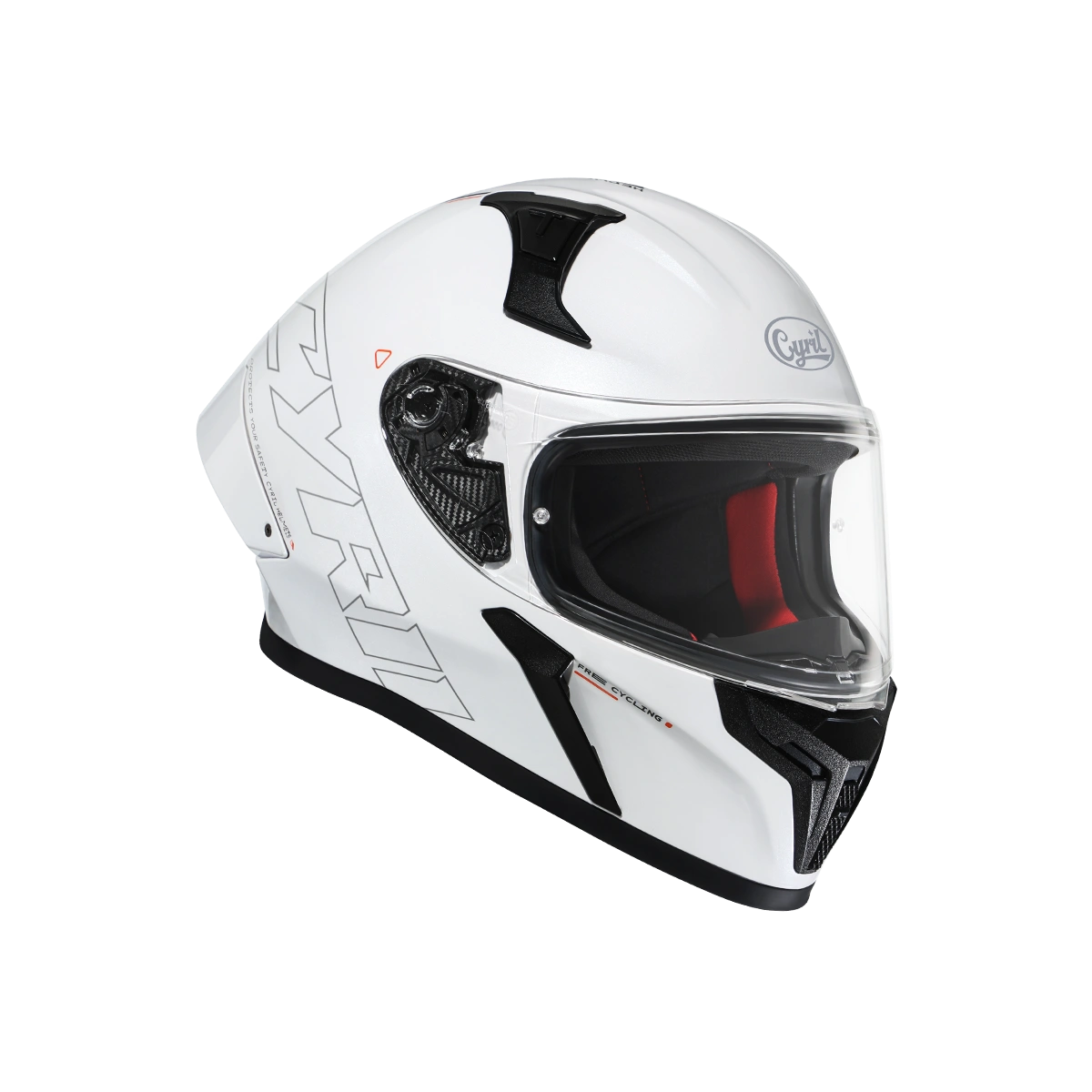
A Product Page With Clear Heat-Storage Guidance
The Mad Shark care instructions say to store the helmet in a cool, dry place away from direct sunlight or extreme heat. They do not publish a garage temperature limit, so use the condition of the space—not a guessed number—to choose a better shelf indoors.
View current Mad Shark Full Face Helmet detailsCommon Questions About Hot Garage Helmet Storage
Is it bad to leave a helmet in a hot garage?
It can be, especially for long-term storage with heat, chemical fumes, humidity, sunlight, or pressure from other items.
Is a short time in a warm garage okay?
A short stop is different from long-term hot storage. Inspect and dry the helmet before putting it away.
Can garage heat damage helmet padding?
Heat can affect comfort foam, adhesives, trim, and fit over time, so inspect the liner if storage was hot.
Can chemical fumes matter?
Yes. Keep helmets away from fuel, solvents, paint, cleaners, and chemical rags.
Should I keep my helmet in a sealed bag in the garage?
Not while damp or hot. Dry the helmet first, and avoid trapping heat and moisture.
Can I store gloves inside the helmet?
Avoid storing wet or dirty gloves inside. They can add moisture, odor, and grit.
What should I inspect after hot garage storage?
Check shell, visor, seals, labels, liner, straps, buckle, rivets, odor, and fit.
Where should I store a helmet instead?
Store it indoors or in the coolest dry shaded garage area, away from chemicals, sun, tools, and heavy objects.
Final Notes
You do not need a thermometer reading to notice a bad storage pattern. A closed metal garage, direct sun, chemical fumes, or a hot car are enough reasons to move the helmet to a cooler, dry, ventilated location.