
Bell Qualifier vs CYRIL Mad Shark: Which Full Face Helmet Should You Buy?

Bell Qualifier vs CYRIL Mad Shark: Which Full Face Helmet Should You Buy?
Choose the standard Bell Qualifier if documented shield treatment, speaker pockets and linked replacement parts are your priorities; shortlist CYRIL Mad Shark if its fit works for you and its daily-use setup meets your needs. The deciding checks are your fit, fog-control plan and the exact parts you'll need later.
Qualifier offers more explicit documentation for shield treatment and audio pockets. Mad Shark lists a clear visor, quick-release visor base and washable liner; confirm accessories before ordering. Try both with your glasses and intended audio setup, then check the exact helmet labels.
We compared the standard Bell Qualifier listing with the official Mad Shark listing and used NHTSA fit and labeling guidance to frame the checks. We checked the published features and part links; we haven't worn these helmets side by side or measured noise, fogging or crash performance.
Which One Deserves Your Shortlist?
We'd start with the Qualifier if you want to see a named shield family and replacement comfort parts before buying. We'd consider Mad Shark if its fit suits you and you're happy to confirm the exact spare parts you expect to need. That's a maintenance decision, not a contest between brand reputations.
Say you ride to work before sunrise and come home in afternoon sun. Your first question is whether you can keep a clear shield ready and obtain the right replacement later. A dramatic graphic won't help when a scratched shield needs changing.
If you plan to install helmet speakers, Qualifier's documented pockets give you a concrete starting point. They don't guarantee that your particular speakers will fit comfortably. Try the complete setup before treating either helmet as your final choice.
Compare the Standard Qualifier With Mad Shark
| Decision point | Bell Qualifier | CYRIL Mad Shark |
|---|---|---|
| Clear-shield details | NutraFog II anti-fog and anti-scratch shield listed | Clear visor listed; confirm any anti-fog coating |
| Interior upkeep | Removable washable liner | Removable washable liner |
| Audio installation | Integrated speaker pockets listed | Confirm speaker space and mounting compatibility |
| Replacement parts | Top liner, cheek pads and ClickRelease shields linked on the page | Ask for exact model-compatible part links |
| Standards wording | DOT (US), ECE (EU); ECE revision not stated there | DOT FMVSS No. 218 and ECE 22.06 listed |
This comparison is for the standard Qualifier. Don't borrow a DLX Mips feature from a different listing because the helmets share a family name. Match the product name, market and label on the item you'll receive.
Think About Shield Care Before Shield Color
The current Bell Qualifier page lists a NutraFog II anti-fog, anti-scratch clear shield. The Mad Shark page describes a clear visor and quick-release visor base. A coating addresses the viewing surface; quick-release hardware addresses removal. One doesn't establish the other.
We'd give Bell the more documented starting point if fog treatment is a buying priority. That still isn't a promise of clear vision in every temperature or weather condition. Ask how to care for the supplied shield and what replacement you should order.
For Mad Shark, settle your fog plan before checkout if you routinely wait at damp traffic lights. Ask whether the exact supplied visor has a coating or supports a manufacturer-approved insert. Don't buy a random insert on the assumption that every clear visor accepts one.
Keep a clear option for darkness and low light. If your route crosses shaded sections, a tinted replacement creates another decision you must make before setting off. Confirm compatibility first; similar-looking pivot hardware doesn't establish that two shields interchange.
Speaker Pockets Are Useful, but Fit Still Has to Work
Say you already own a headset and want to move it into your next helmet. Bring its speaker dimensions and mounting instructions to the comparison. Qualifier's listed speaker pockets are a reason to investigate that model, not a reason to ignore pressure behind your ears.
With either helmet, check whether your ears stay flat after putting it on. Refit any removable comfort padding correctly, then wear the helmet long enough to notice the installed speakers. A comfortable empty helmet can feel different once cables and speakers are inside.
Mad Shark buyers should ask specifically about speaker space rather than relying on a broad Bluetooth-ready description. Explain whether the headset uses a clamp or an adhesive mount and ask about an approved attachment position. Never cut the impact liner to create room. We'd pass on a combination that needs structural changes to fit.
Find the Spare-Part Path While Everything Is Still New
Bell's Qualifier page links a top liner, cheek pads and ClickRelease shields. That makes the part family easier to identify. Follow the links and check the exact variant; a link alone doesn't promise current stock or mean that every pad thickness fits every size.
For Mad Shark, ask support for a compatible visor, visor-base hardware and replacement comfort-padding options. Save the written reply with your order. If you can't identify a part you consider necessary for keeping the helmet in use, settle that question before choosing.
Compare the whole purchase plan: helmet, the accessories you actually need and delivery terms for the correct parts. A lower checkout total is less useful if you're still unsure what to order when a shield wears out.
Check Fit and the Actual Helmet Label
Use each model's own chart rather than transferring your size from another helmet. NHTSA helmet guidance recommends wearing a new helmet for 30–45 minutes to check for pressure points. Keep any seller's unused-item and packaging conditions in mind during that indoor check.
Look for even, snug contact rather than one painful spot above an eyebrow. Fasten the strap according to the instructions and check that the helmet doesn't move when you shake your head. If glasses press into your temples, repeat the fitting with the glasses you actually ride in.
Bell's current page gives DOT (US) and ECE (EU), without naming an ECE revision in that field. Mad Shark's Safety Standards section names ECE 22.06. Check the marking and documentation for the exact market version you're ordering; don't turn Bell's general ECE wording into a specific revision.
DOT is manufacturer self-certification to the U.S. standard. These listing statements don't provide a comparative crash-test result, so we wouldn't declare a safety winner from this table.
Make the Choice With Four Questions
- Which helmet passes your indoor fit check without painful pressure or unwanted movement?
- Can you identify the exact clear shield and any approved fog-control option you need?
- If you use audio, will the complete headset installation fit without pressing on your ears or altering the helmet?
- Can you obtain written answers about replacement parts and the labels for the item being shipped?
If both fit, choose for the task you repeat most. For daily communication, compare comfort with your actual speakers installed and confirm replacement parts. For damp early commutes, choose only after you have a clear shield-care and fog-control plan. We'd lean toward Qualifier for its documented audio pockets and shield treatment; Mad Shark stays in contention once the accessories you need are confirmed.
How This Applies to Mad Shark
Mad Shark belongs on your shortlist when you want a full face helmet for regular riding and its fit passes the indoor check. Ask for the accessory answers that matter to your route before treating a feature list as a complete ownership plan.
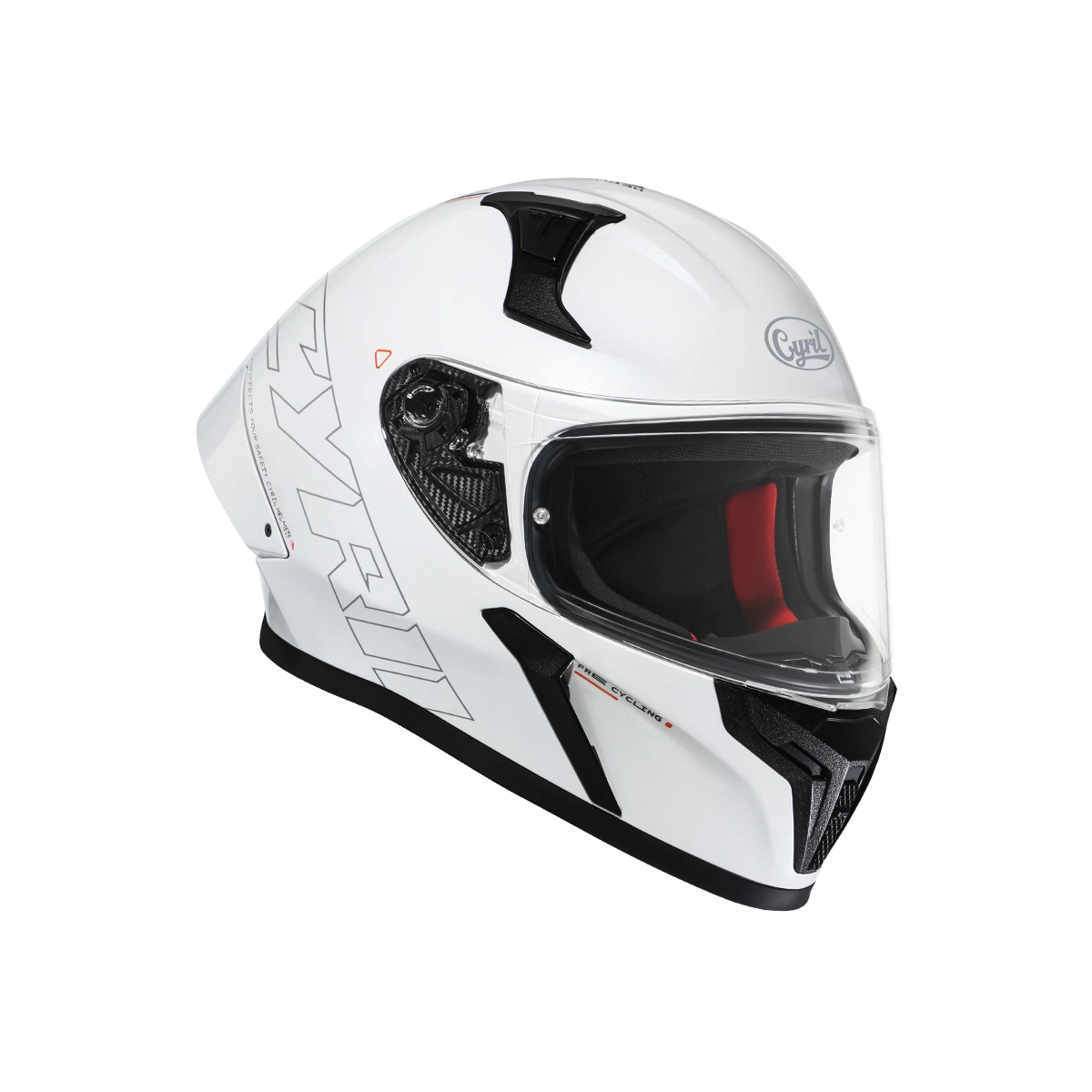
Mad Shark Full Face Helmet
Consider Mad Shark if you want a clear visor and washable liner for daily use. If documented speaker pockets or a specified anti-fog treatment are deal-breakers, get those details confirmed before buying.
View Mad Shark Full Face HelmetCommon Questions
Is the Bell Qualifier the same helmet as the Qualifier DLX Mips?
No. Compare the exact model listing and supplied equipment. A feature shown for the DLX Mips shouldn't be assumed to come with the standard Qualifier.
Does Mad Shark include an anti-fog visor?
The page identifies a clear visor but doesn't specify an anti-fog treatment in the features used here. Ask about the exact supplied shield and approved fog-control options.
Can I transfer my helmet speakers into either model?
Check speaker dimensions, mounting instructions and comfort in the fitted helmet. Qualifier lists speaker pockets; ask about Mad Shark's space before assuming compatibility.
Do Bell Qualifier and Mad Shark use interchangeable visors?
Don't assume they do. Order a replacement identified for the exact helmet model and hardware, even when two shields look similar.
Does the Qualifier page prove ECE 22.06 certification?
The current certification field says ECE (EU), without a revision. Ask for the exact market version's marking and documentation if a specific revision matters to your purchase.
Which one should I buy if both fit well?
Pick the model with the better-confirmed plan for your shield care, audio installation and replacement parts. Those details are more useful than guessing which shape will feel quieter on your bike.
Final Notes
Before ordering, send one message with your head measurement, intended headset and required clear-shield or fog-control setup. Choose the helmet whose fit and written accessory answers work together; if neither does, keep looking.