
Dropped Your Motorcycle Helmet? What to Check Before You Ride Again

Dropped Your Motorcycle Helmet? What to Check Before You Ride Again
A helmet falling from a seat, handlebar, shelf, or your hand can make any rider pause. The hard part is knowing whether it was only a cosmetic scare or a warning sign that deserves a closer inspection before the next ride.
If you dropped a motorcycle helmet while it was empty, do not panic, but do not ignore it either. Check the shell, EPS liner, comfort padding, visor, vents, chin strap, buckle, and fit before riding again. If the helmet was involved in a crash, hit the ground with your head inside, fell at road speed, shows cracks, has loose parts, or no longer fits securely, stop using it and replace it or ask the manufacturer for inspection guidance.
First, Slow Down and Rebuild the Moment
The first few seconds after a dropped helmet are usually emotional. You hear the impact, look for a scratch, and start bargaining with yourself because you want the helmet to be fine. A better first step is to replay exactly what happened before you decide.
This often happens at the worst time: the pump clicks off, your gloves are under one arm, your phone buzzes, and the helmet slides from the seat before you can catch it. That rushed moment is exactly why the inspection should happen before you ride away, not after you have already convinced yourself the sound was worse than the damage.
Was the helmet empty? Did it fall from hand height, a motorcycle seat, a handlebar, a garage shelf, or a moving bike? Did it land on flat pavement, a sharp edge, gravel, concrete steps, or another hard object? Did it bounce, roll, or hit the visor mechanism? Those details matter more than the sound of the drop.
A helmet dropped empty from a short height is not the same situation as a helmet that hits the road with a rider's head inside. The Snell Foundation helmet FAQ explains that a simple empty drop does not always mean automatic replacement, but impact while in use is different because the liner may have absorbed energy in the way it was designed to do.
Inspect Carefully
A short empty drop may be cosmetic, but you still need to check shell, liner, visor, strap, and fit.
Treat as Impact
If your head was in the helmet during a crash or hard impact, replacement is usually the safer decision.
Do Not Guess
If you cannot verify what happened, do not trust appearance alone, especially with used or borrowed helmets.
Why the Type of Helmet Drop Changes the Decision
Most riders do not drop a helmet in a laboratory-perfect way. It slips off a mirror while you are paying for fuel. It falls from a seat when you reach for gloves. It rolls off a workbench and hits a concrete floor near the chin bar. The inspection should match the actual event.

The main question is whether the impact may have affected the parts you rely on: the outer shell, the EPS impact liner, the retention system, and the visor area. A small scuff on the outside may be less serious than a hidden liner dent, a cracked vent, or a chin strap anchor that no longer feels solid.
| What Happened | Risk Level | What to Do Next |
|---|---|---|
| Empty helmet fell from a low seat onto flat ground. | Often low, but not zero. | Inspect shell, visor, vents, liner, strap, and fit before riding. |
| Helmet fell onto a sharp edge, step, rock, or metal part. | Higher concern. | Look closely for cracks, dents, crushed liner areas, and loose hardware. |
| Helmet bounced down stairs or fell from a high shelf. | More difficult to judge. | Do a full inspection and consider manufacturer support if anything feels off. |
| Helmet fell from a moving bike, truck bed, or road-speed situation. | High concern. | Do not rely on cosmetics. Replacement may be the more practical choice. |
| Helmet hit the ground in a crash with your head inside. | Replacement concern. | Stop using it. Impact liners are not meant to be trusted repeatedly after crash impact. |
How to Inspect a Dropped Motorcycle Helmet
Do the inspection in bright light, not in a parking lot shadow while you are already late. Remove the helmet from the bike, clean off loose dirt with a soft damp cloth if needed, and look slowly. You are checking whether the helmet still feels like one solid piece of safety equipment, not just whether the paint looks acceptable.

- Check the outer shell for cracks, deep gouges, flat spots, chipped edges, or spreading paint fractures.
- Open the visor and inspect the hinge area, visor lock, shield edge, and any cracks near mounting points.
- Remove comfort padding if the helmet design allows it, then look for dents, crushed areas, or loose EPS liner sections.
- Press lightly around vents, trim pieces, and spoiler areas to see whether anything has loosened after the drop.
- Inspect the chin strap, buckle, anchor points, and stitching for pulls, cuts, fraying, or movement.
- Put the helmet on and check whether the fit feels the same as before the drop.
A quick way to tell whether you are minimizing the problem is to ask what you are ignoring. If you keep saying, "It is probably fine," while looking at a crack, a loose visor, or a liner dent you cannot explain, the helmet is asking for more than a shrug.
Before You Ride Again, Check Fit and Function
Even when the shell looks acceptable, the helmet still has to work as a helmet. Put it on, fasten the strap, and check the same things you would check with a new helmet: stability, comfort, visor operation, and whether the chin strap holds the helmet correctly.
Move the helmet gently from front to back and side to side. It should not slide freely, lift over your forehead, or feel newly loose. Open and close the visor several times. If the visor no longer seals, catches, rattles, or pops loose, do not treat that as a minor annoyance. Visibility and shield stability matter on the road.

If you are already wearing gloves and standing beside the bike, it is easy to rush this step. Do not. A dropped helmet question is not only "Can I ride today?" It is also "Will I still trust this helmet at highway speed, in rain, or during an emergency stop?"
Fit Feels Different
If the helmet feels looser, tilted, or uneven after the drop, stop and inspect the liner and padding again.
Visor Acts Strange
A shield that rattles, sticks, or will not close cleanly may point to hinge or shell-area damage.
Strap Feels Wrong
Do not ride if the strap, buckle, or anchor area feels loose, frayed, cracked, or inconsistent.
When Replacement Is the Smarter Call
There are times when a dropped helmet is not worth negotiating with. If the helmet was used in a crash, hit hard with your head inside, fell at speed, or shows structural damage, replacement is the practical answer. You cannot always see how much work the impact liner has already done.
Replacement also makes sense when the helmet has several problems at once: age, worn liner, loose fit, repeated drops, scratched visor, stale interior, or a strap you no longer fully trust. A single empty drop may be manageable. A history of neglect is different.
This is where many riders try to save money by keeping a helmet they no longer believe in. That uncertainty follows you into every ride. If you slow down every time you put it on because you remember the impact and wonder what happened inside the shell, the helmet has already lost part of its job: giving you equipment you can wear correctly without hesitation.
A useful test is simple: would you lend this helmet to someone you care about after seeing the same damage? If the honest answer is no, do not lower the standard just because the helmet is already yours.

- Replace the helmet after a crash impact with your head inside.
- Replace it if you find shell cracks, deep gouges, liner crushing, strap damage, or loose shell parts.
- Replace it if the visor mechanism cannot close or lock normally after the drop.
- Replace it if the helmet now fits differently and you cannot identify a harmless reason.
- Replace it if the helmet has been dropped repeatedly and already shows age or wear problems.
Cyril Helmet Options to Compare if Replacement Makes Sense
If inspection leaves you unsure, compare replacement helmets by fit, helmet type, stated safety information, visor function, liner care, and the kind of riding you do most often. Do not replace a damaged helmet with a rushed guess that creates a new fit problem.
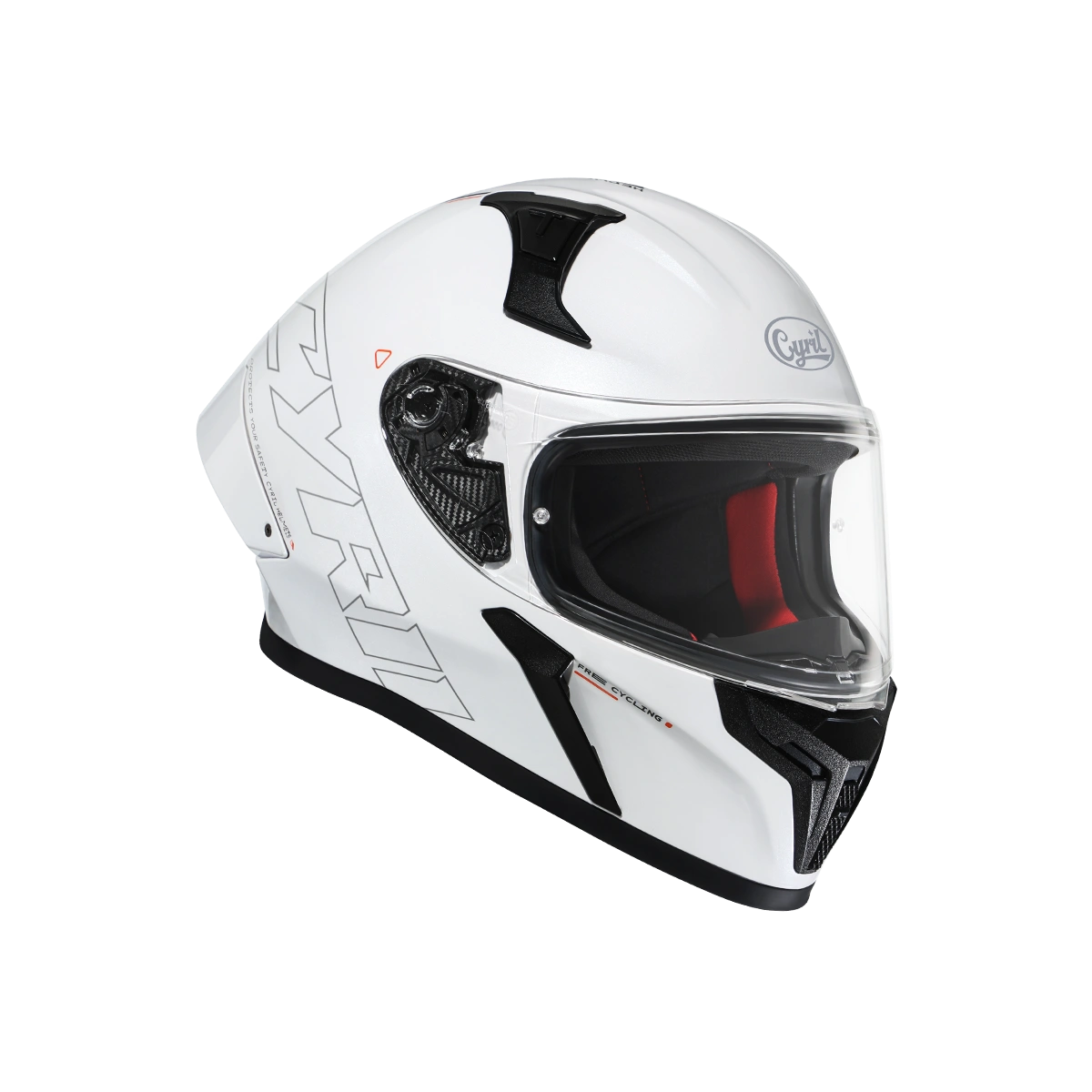
Mad Shark Full Face Helmet
The Mad Shark Full Face Helmet is relevant for riders replacing an older or questionable daily helmet, with a full-face profile, active ventilation, clear visor view, removable washable liner, ABS shell construction, multi-layer EPS, and stated DOT FMVSS 218 information.
View Mad Shark
A128 Dual Visor Modular Helmet
The A128 Dual Visor Modular Helmet fits riders who want modular convenience with a clear outer shield, inner sun visor, wide-view comfort, removable washable liner, and stated DOT FMVSS 218 and ECE 22.06 information.
View A128
R1-PRO Full Face Helmet
The R1-PRO Full Face Helmet is worth comparing if you want a sport-inspired full face profile with ventilation, magnetic visor release, removable washable liner, stated DOT FMVSS 218 and ECE 22.06 information, and a stable full-face shell profile.
View R1-PROA dropped motorcycle helmet is not something to ignore or overdramatize. Inspect the actual helmet, the actual impact point, and the actual fit. If there is structural damage or crash history, replace it instead of trying to talk yourself into another ride.
Common Questions About Dropped Motorcycle Helmets
Do I need to replace a motorcycle helmet if I dropped it?
Not always. A short empty drop may only cause cosmetic damage, but you should inspect the shell, liner, visor, strap, and fit. Replace it if there are cracks, liner damage, strap problems, crash history, or any reason you no longer trust it.
What if my helmet fell off the motorcycle seat?
Check where it landed and what part hit first. A low empty drop onto flat ground may be less concerning than a fall onto a sharp edge, curb, step, or metal part. Inspect before riding again.
Can a helmet be damaged inside without visible cracks?
Yes, impact liner damage is not always obvious from the outside. If the helmet took a hard impact, was involved in a crash, or now feels different on your head, do not rely on appearance alone.
Is a scratched shell enough reason to replace a helmet?
A light surface scratch may be cosmetic, but deep gouges, spreading cracks, damaged trim, crushed liner areas, or loose hardware need more attention. When in doubt, ask the manufacturer or replace the helmet.
Should I keep riding if the visor still closes but feels loose?
No. A visor that feels newly loose, rattles, or does not close consistently after a drop should be inspected before riding. Visibility and shield stability are part of real-world helmet function.
Final Notes
If you dropped your motorcycle helmet, the right answer depends on impact history, visible damage, liner condition, strap condition, visor function, and fit. A calm inspection can prevent unnecessary replacement, but it can also stop you from trusting a helmet that should no longer be used.