
Helmet Size Is Right but the Fit Feels Wrong? Check Your Head Shape

Helmet Size Is Right but the Fit Feels Wrong? Check Your Head Shape
A motorcycle helmet can match the size chart and still feel wrong. If the forehead burns, the sides pinch, or the helmet feels loose in one direction and tight in another, the problem may be head shape, not only size.
If your motorcycle helmet size is technically correct but the fit feels wrong, check head shape, pressure points, cheek support, crown contact, and movement direction. A size chart measures circumference, but it does not fully describe whether your head is more round, intermediate oval, or long oval. Do not solve sharp pressure by simply sizing up if the next size becomes loose or unstable.
A Size Chart Measures Around Your Head, Not the Whole Shape
Helmet sizing usually starts with circumference: a tape around the widest part of your head, above the eyebrows and around the back. That number matters, but it only tells you how far around your head is. It does not fully describe the front-to-back length, side width, crown curve, or where your skull creates pressure inside the helmet.
This is why two helmets in the same labeled size can feel completely different. One may press hard on the forehead. Another may squeeze the temples. Another may feel roomy at the crown but tight at the cheeks. The size label can be correct while the shape match is wrong.
The frustrating moment usually comes after you did everything "right." You measured twice, chose the size chart recommendation, and the helmet still gives you a hot spot after fifteen minutes. That is not a failure to read the chart. It is a sign that fit needs a shape check, not only a size check.

Wider Side to Side
A rounder head may feel pinched at the temples in a helmet that is too narrow for that shape.
Common Middle Ground
Many riders fit best in a balanced shape, but pressure points can still appear by brand or model.
Longer Front to Back
A longer head may feel forehead pressure in a helmet that is too short front to back.
Pressure Points Can Tell You What Is Really Wrong
Sharp pressure is information. It tells you where the helmet shape and your head shape are arguing. The goal is not to force your head to "break in" a bad shell shape. The goal is to separate normal snugness from a fit problem that will get worse on the road.
Normal new-helmet snugness should feel even and controlled. A bad shape match often feels specific: one spot on the forehead, one temple, one side of the crown, or a gap that lets the helmet move even though another area hurts.

| What You Feel | Possible Meaning | What to Check |
|---|---|---|
| Forehead hot spot after 10-20 minutes. | Helmet may be too short front to back for your head shape. | Look for red pressure marks and compare one size up only if stability remains good. |
| Temple pressure on both sides. | Helmet may be too narrow or too round/oval for your skull width. | Check whether pain is on bone, not just removable comfort padding. |
| Helmet rocks front to back but squeezes the sides. | Shape mismatch, not simple tightness. | Do not solve this by loosening the strap or sizing up blindly. |
| Cheeks are snug but crown feels loose. | Cheek pad contact may hide poor crown fit. | Move the shell gently and check whether your scalp moves with it. |
| Pain appears only after riding. | Wind, posture, glasses, or vibration may expose a hidden pressure point. | Recreate the fit test with glasses, balaclava, or hair style you actually use. |
How to Test Helmet Fit at Home Before You Keep It
If you bought online, the real decision happens before the helmet is used on the road. Keep tags, packaging, and return terms intact while you test the fit indoors. Wear it long enough for pressure points to appear. A thirty-second try-on usually misses the problem.
This is the moment many online buyers hesitate. The helmet looks right, the color is right, and returning it sounds annoying. Then the forehead starts burning while you are still standing in the hallway. Treat that as useful information, not as something you have to out-stubborn.

- Wear the helmet for at least 15-20 minutes indoors before deciding the fit is acceptable.
- Fasten the strap correctly and check whether the helmet stays level on your head.
- Notice whether pressure is even or concentrated in one painful spot.
- Try your normal glasses, hair style, thin balaclava, or commuter setup if you use them.
- Move the shell gently; your scalp should move with the helmet instead of the shell sliding freely.
- Remove the helmet and look for strong red marks that match your pain points.
A quick way to judge the result is to ask what you would adjust first if you were at a red light: the forehead, temples, glasses arms, cheek pads, or strap. The first thing you want to fix usually points to the real fit issue.
Wrong Fixes That Can Make Helmet Fit Worse
The most common mistake is sizing up because one pressure point hurts. That can remove the pain and create a looser helmet. A helmet that no longer grips the head correctly can lift in wind, move during shoulder checks, or encourage you to overtighten the strap to compensate.
Another mistake is assuming every new helmet should hurt until it breaks in. Comfort padding may settle with use, but the hard impact liner and shell shape are not meant to reshape dramatically around a skull that does not match. Sharp bone pressure is not the same as cheek pads feeling firm.
If your first instinct is to loosen the chin strap, push the helmet higher on your forehead, or tell yourself you will only wear it for short rides, the fit problem is already changing how you use the helmet. That is the wrong direction.

Sizing Up Too Fast
One painful spot does not always mean the whole helmet is too small. The next size may become unstable.
Ignoring Sharp Pain
A burning forehead or temple pain after a short indoor test is a fit warning, not a badge of toughness.
Adjusting the Strap Wrong
The chin strap should secure the helmet. It should not be used to hide a loose or mismatched shell fit.
What to Check Before Buying if Head Shape Has Been a Problem
If you have already returned one helmet for pressure points, your next purchase should be more deliberate. Read the size chart, but also read product details and reviews for fit language. Look for comments about forehead pressure, temple tightness, cheek pad feel, glasses room, and whether riders say the helmet runs narrow or roomy.
When possible, compare helmets from a seller with clear support and return terms. The best product photo cannot tell you everything about head shape. You need a path to exchange or return the helmet if the size is technically right but the shape is wrong.
- Measure your head and keep the number, not only the size label.
- Check whether you are near the edge between two sizes.
- Read fit comments for pressure points, not only star ratings.
- Test with glasses, hair, and riding accessories before removing return tags.
- Do not keep a helmet that makes you loosen the strap or avoid wearing it correctly.
Cyril Helmet Options to Compare for Fit and Shape Checks
When head shape is the concern, compare helmets by size chart, shell type, cheek support, visor setup, liner comfort, and whether the model suits your normal ride. Fit still needs to be confirmed on your own head before riding.
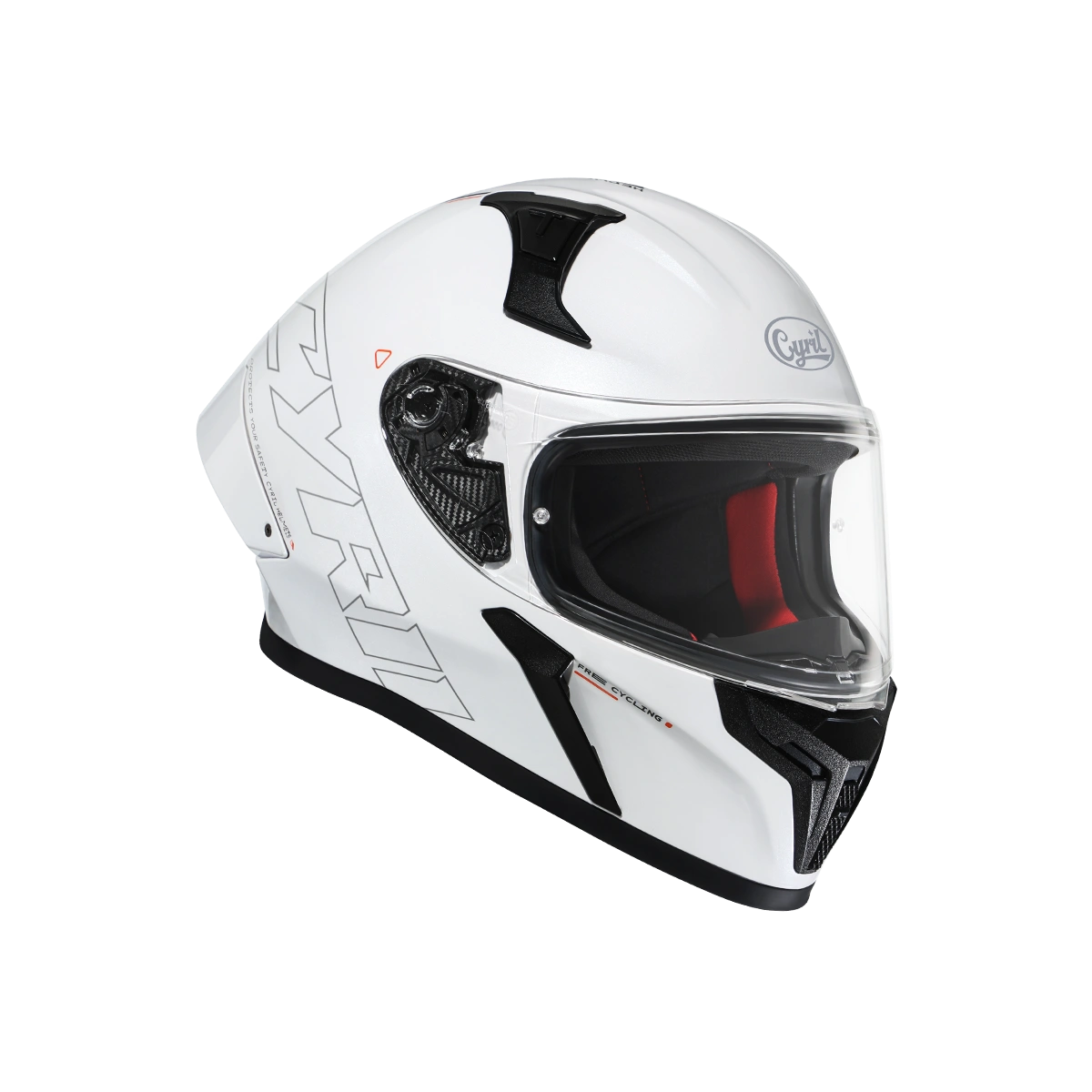
Mad Shark Full Face Helmet
The Mad Shark Full Face Helmet is worth comparing if you want a daily full face helmet with a clear visor view, active ventilation, removable washable liner, ABS shell construction, multi-layer EPS, and stated DOT FMVSS 218 information.
View Mad Shark
A128 Dual Visor Modular Helmet
The A128 Dual Visor Modular Helmet is relevant for riders who want modular convenience while checking fit, clear outer shield use, inner sun visor comfort, wide-view feel, removable washable liner, and stated DOT FMVSS 218 and ECE 22.06 information.
View A128
R1-PRO Full Face Helmet
The R1-PRO Full Face Helmet suits riders comparing a sport-inspired full face profile with ventilation, magnetic visor release, removable washable liner, stated DOT FMVSS 218 and ECE 22.06 information, and a stable full-face shell profile.
View R1-PROA good helmet fit should feel snug, stable, and wearable. If the size is right but the shape is wrong, do not force yourself to accept sharp pain or solve it with a loose fit.
Common Questions About Helmet Head Shape
Can a motorcycle helmet be the right size but wrong shape?
Yes. A size chart measures head circumference, but helmet comfort also depends on head shape, pressure distribution, cheek support, and how the crown fits your skull.
Should I size up if my forehead hurts?
Not automatically. Forehead pain may mean the helmet shape is too short front to back. Sizing up can reduce pressure but may also make the helmet loose.
How long should I test a new helmet indoors?
Wear it for at least 15-20 minutes while keeping it unused and returnable. Some pressure points do not appear during a quick try-on.
Will a tight helmet break in?
Comfort padding may settle slightly, but sharp pressure from shell or liner shape is not something to ignore. A painful shape mismatch usually needs a different fit solution.
What is the best motorcycle helmet head shape?
There is no single best head shape. The best helmet is the one that matches your head securely without sharp pressure, excessive movement, or fit problems that make you wear it incorrectly.
Final Notes
If your helmet size is right but the fit feels wrong, do not assume you measured badly. Check head shape, pressure points, movement, strap behavior, and your real riding setup. The right fit is not just a number on a chart; it is the helmet staying stable and comfortable enough to wear correctly.