
Helmet and Headset Together: What to Check Before Buying the Combo

Helmet and Headset Together: What to Check Before Buying the Combo
Buying a helmet and a Bluetooth headset at the same time saves a second shopping trip, but only if the two actually work together. Fit changes with speakers inside, mounting styles differ between helmets, and wires can interfere with the liner. The checks below cover what to verify before you buy the combo, so the pair works on your head, not just in the cart.
Before buying a helmet and headset together, check four things: the helmet fits before any electronics are added, the headset's mounting style suits the helmet, speakers do not press your ears or change the liner fit, and you can still fasten and remove the helmet normally with the headset installed. Compare certification and feature details on each product page, and re-check the fit after installation.
This guide follows the general principle from NHTSA helmet selection guidance that a properly fitting helmet should not move on the head. Installation and mounting details are practical and general; verify the exact mounting method, speaker placement, and fit impact against the product pages of the specific helmet and headset models before ordering. General fit priority follows NHTSA helmet selection guidance.
Why the Combo Looks Easy but Deserves Checks
Helmet and headset combos are convenient: one order, one delivery, and a complete setup. The catch is that the two products meet inside the helmet, where fit, comfort, and safety details live. A headset that mounts easily on one helmet can sit awkwardly on another, and speakers that press the ears turn every ride into a headache.
The checks below take minutes on the actual helmet, and they prevent the most common regret: a combo that works in the box but fails on the first long ride.
Representative Rider Scenario: Kyle - Combo in the Cart. Kyle orders a helmet and headset together based on looks. After installation, the speakers press his ears and the wire catches his neck. The fix takes an afternoon, but the checks here would have caught both issues before checkout.
The Four Checks Before You Buy the Combo
- Fit without electronics: the bare helmet must fit correctly first. Never use a headset to cover a fit problem.
- Mounting style: confirm the headset uses a clamp, adhesive pad, or mount that suits your helmet type and shell shape.
- Speaker and ear clearance: with speakers placed, your ears should not feel pressure, and the liner should still sit normally.
- Normal use after install: the helmet should still go on and off easily, and the strap and visor should work normally with the headset installed.
Plan a re-check ride after installation: ten minutes at speed will reveal speaker pressure, wire noise, or fit changes that a mirror test misses.
Wires, Liners, and the Details That Annoy
Wires are where combos go wrong quietly. A wire that loops into the liner pocket can press your head, and a wire that dangles near the neck can rub through a collar. When buying a combo, check how the wires route in the specific helmet and whether the liner has pockets or channels for them.
Liner care also changes: if the liner is removable, confirm the headset can be reinstalled after washing without damage. A combo that requires full reinstallation every wash adds friction to your routine.
What to Verify on Each Product Page
The helmet page should confirm fit guidance, shell details, and certification information such as DOT or ECE details. The headset page should confirm mounting style, speaker design, charging, and features. Bluetooth version, battery, waterproof rating, and compatibility claims change between versions, so verify them against the official page of the exact model instead of trusting a summary.
If the store bundles the two, ask whether the headset is matched to the helmet or simply sold alongside it. A matched combo usually comes with fitting guidance; a simple side-by-side sale means the pairing checks fall to you.
How This Applies When Choosing
For a commuter building a full setup, a full face helmet and a Bluetooth headset form a practical pair if the four checks pass. The two products below are a reasonable starting point for that comparison.
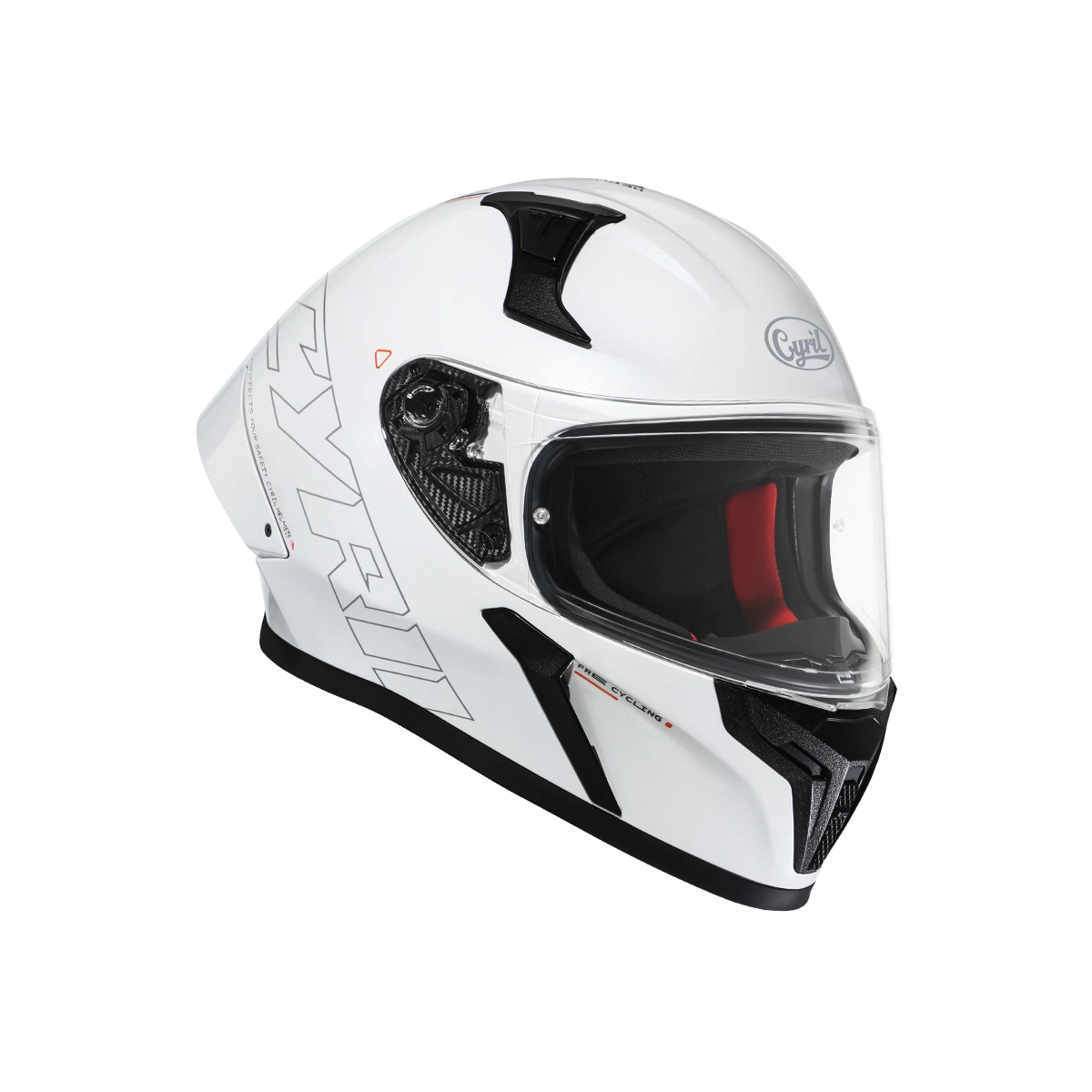
A Pairing Candidate, Not a Verified Bundle
The Mad Shark Full Face Helmet is a pairing candidate for commuters building a full setup: full face coverage, active ventilation, clear visor, removable washable liner, ABS shell, multi-layer EPS, and DOT / ECE information on the product page. The pairing is not pre-verified, so fit it bare first and run the four checks before committing.
View current Mad Shark Full Face Helmet details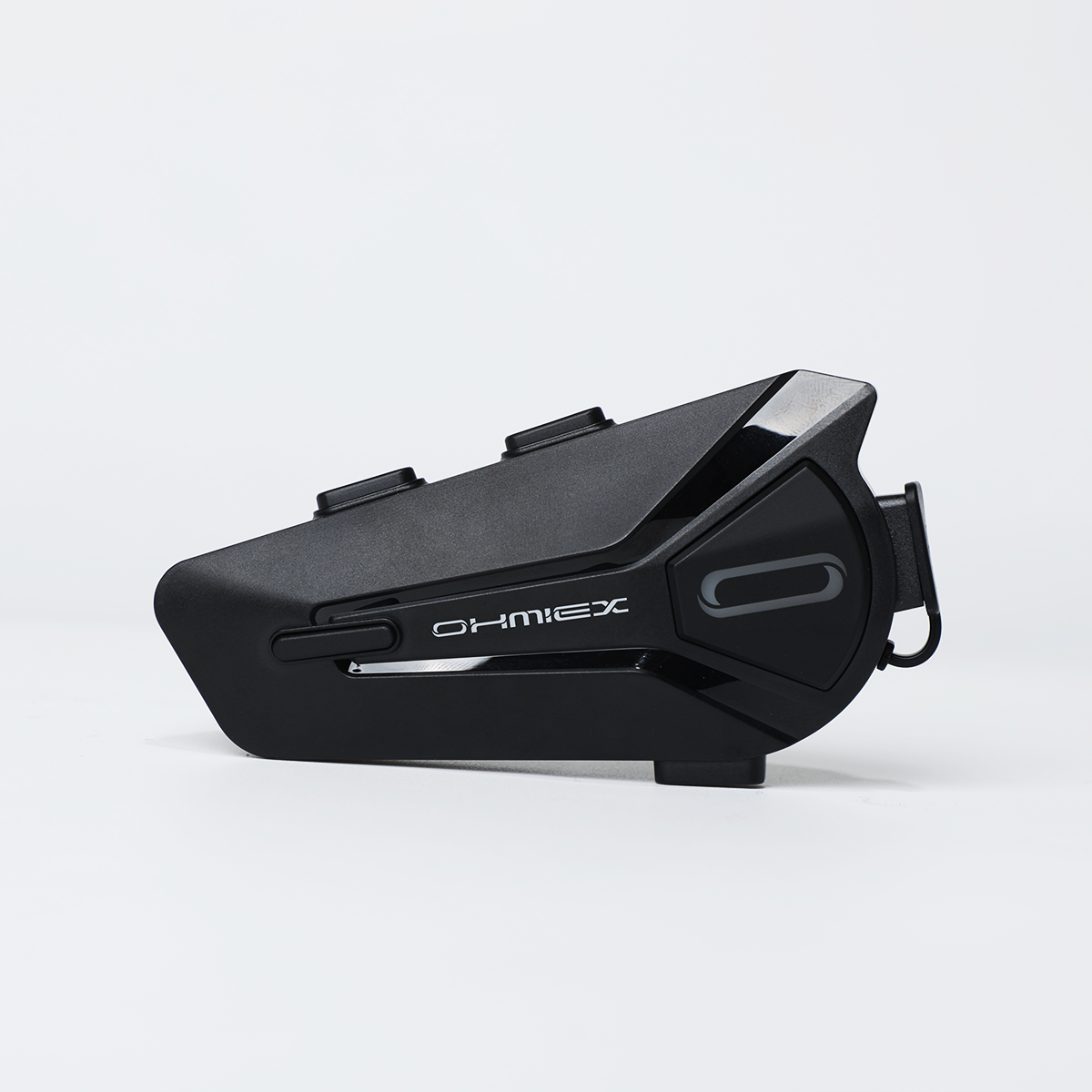
The Second Half of the Pairing Candidate
The OHMIEX C1 Motorcycle Bluetooth Headset is the second half of this pairing candidate. Check mounting style, speaker placement, charging, and compatibility against the official product page, then run the four checks with the Mad Shark helmet before committing.
View current OHMIEX C1 detailsCommon Questions About Helmet and Headset Combos
Is buying a helmet and headset together a good idea?
Yes, if the two work together on your head. Run the fit, mounting, speaker, and normal-use checks before ordering a combo.
Can any headset fit any helmet?
Most headsets mount with clamps or adhesive pads, but speaker placement and wire routing differ. Check the specific helmet and headset pair.
Do headset speakers change helmet fit?
They can. Speakers may press ears or shift the liner, so re-check pressure points and stability after installation.
Should I install the headset before the helmet fit test?
No. Fit the bare helmet first. The headset should not be used to hide a fit problem.
Does a headset affect helmet safety?
Correct installation keeps the liner and retention working normally. If anything shifts or presses after installation, fix it before riding instead of assuming it is fine.
Can I wash the liner with a headset installed?
Usually not directly. Check how the headset and liner separate, and how reinstalling works after washing.
What if the combo headset does not fit my head shape?
Speaker placement can often be adjusted, but if pressure remains, consider a different headset model or helmet pair.
Is a built-in Bluetooth helmet better than a combo?
Built-in systems are integrated but tie the electronics to one helmet. A combo keeps the headset reusable with a future helmet.
Final Notes
A helmet and headset combo is a smart way to build a complete setup if the pair passes the checks: fit without electronics, mounting style, speaker clearance, and normal use after install. Verify both product pages, install carefully, and re-check the fit before your first real ride.