
ICON Airform vs CYRIL R1-PRO: Which Street Full-Face Helmet Should You Buy?

ICON Airform vs CYRIL R1-PRO: Which Street Full-Face Helmet Should You Buy?
Choose the ICON Airform if an internal drop shield and explicitly listed speaker compatibility are central to your setup. Put the CYRIL R1-PRO on your shortlist if you prefer a simpler sport-styled full-face helmet with a magnetic visor-release system and removable liner. The better purchase is still the one that fits your head securely and carries the correct label for your market.
The Airform presents a feature-rich street setup built around an internal DropShield, replaceable Optics shields, ventilation channels, a removable Hydradry liner, and stated speaker compatibility. The R1-PRO takes a more focused route: full-face coverage, sport-inspired shell styling, a rear spoiler, magnetic visor release, and a removable washable liner. Compare the exact SKU, certification label, fit, visor operation, and communication needs before deciding.
This comparison was checked against the official ICON Airform page, the official CYRIL R1-PRO page, and the current U.S. FMVSS No. 218 regulation. It compares published features, not independent impact, noise, weight, or road-test results. Airform graphics and regional versions can differ, and MIPS appears only on selected variants shown by ICON, so variant-specific equipment must be confirmed before checkout.
The Short Buying Answer
These helmets solve the street-riding brief in different ways. The Airform gives buyers more published information about light management and audio installation. Its official page describes an internal DropShield, removable moisture-wicking liner, speaker compatibility, and a positive-lock outer shield. That makes it the clearer paper choice for a rider who already knows those features are non-negotiable.
The R1-PRO is easier to understand as a focused sport-street helmet. CYRIL lists an aerodynamic shell profile, oversized rear spoiler, magnetic visor-release system, adjustable retention, and removable washable liner. It does not need to win every feature column to make sense; it needs to fit the rider who wants those particular priorities.
Important: do not treat the longer feature list as a safety ranking. Published equipment, certification labeling, fit quality, and independent test performance are different questions.
What the Official Pages Actually Establish
| Buying Check | ICON Airform | CYRIL R1-PRO |
|---|---|---|
| Basic format | Street full-face helmet | Sport-inspired full-face helmet |
| Light management | Internal DropShield listed; outer shield package varies by graphic | Clear outer visor shown; no internal sun visor claim on the reviewed page |
| Visor emphasis | Optics shield with positive lock and accessory shield ecosystem | Magnetic quick-release visor system |
| Interior | Removable Hydradry comfort liner | Removable washable liner |
| Audio planning | Speaker compatibility is explicitly listed | Speaker-pocket or headset compatibility is not established by the reviewed page |
| Shell detail | Injection-molded construction and EPS airflow channels listed | Sport profile and oversized rear spoiler listed |
| Label check | Official page lists DOT and ECE information; confirm the chosen regional SKU | Product page lists DOT and ECE information; confirm the delivered label |
Decide Whether Light Control or Fast Shield Changes Matter More
The Airform's internal drop shield is useful for riders who move repeatedly between brighter and darker conditions. It avoids carrying a separate tinted outer shield for every daytime ride, but the control still needs to be reachable with gloves and the lowered shield must not interfere with glasses or touch the rider's nose.
The R1-PRO's distinguishing visor claim is different. Its magnetic release is about removing and reinstalling the outer shield. That can matter to riders who clean shields often or deliberately swap clear and tinted options. It does not automatically make the visor quieter, more watertight, or optically better; those outcomes are not established by a release mechanism alone.
Operate every shield and release five times with the gloves you normally wear. Check positive closing, even seating on both sides, usable first opening position, and whether you can complete the action without touching the viewing area.
Fit Can Reverse the Paper Comparison
A model comparison is useful only until the helmets reach your head. Neither official page proves that its internal shape matches you. Start with the size chart for the exact model, then wear the helmet long enough for a hidden forehead or temple hot spot to appear.
During a 30-minute indoor test, the crown should sit fully down, the eye port should stay level, and the cheek pads should move the skin when the helmet rotates gently. A secure fit is not the same as sharp pain, numbness, a one-sided pressure point, or a chin bar touching the face.
- Measure the widest head circumference twice and record both results.
- Use each manufacturer's own chart; do not transfer one brand's size directly to the other.
- Fasten the retention system and check upward and forward movement.
- Wear your glasses, earplugs, balaclava, or usual hair arrangement during the test.
- After 30 minutes, map pressure by location rather than calling the helmet merely “tight.”
- Confirm the return conditions before removing tags or riding outdoors.
Bluetooth Buyers Need One Extra Check
ICON explicitly lists speaker compatibility for the Airform. That is helpful, but it still does not guarantee that every speaker thickness, microphone shape, or clamp fits every rider comfortably. Your ears may align differently from the molded recesses, and a workable installation can still create a pressure point after 20 minutes.
The reviewed R1-PRO page does not publish a speaker-pocket claim. Do not infer compatibility from photographs. Before buying a headset for it, ask CYRIL support for pocket dimensions, liner routing, microphone clearance, and whether the mounting method affects normal liner seating. A missing specification is a question to resolve, not a negative result to invent.
Two Riders, Two Sensible Shortlists
Maya commutes through changing light and plans an audio system. The Airform's listed DropShield and speaker compatibility answer two of her questions before the fit test begins. She still verifies the exact graphic's included shields and local certification label.
Colin wants a clean sport-street profile and expects to remove the visor frequently for cleaning. The R1-PRO's magnetic release and washable liner match his routine. His decision depends on head-shape comfort and confirmed headset space.
Either rider should stop the purchase if the helmet shifts independently of the head, produces concentrated pain, obstructs vision, or arrives without the expected market label and documented equipment.
How This Applies When Choosing
The R1-PRO belongs on the shortlist when magnetic visor removal, sport-inspired shell styling, a rear spoiler, and a washable interior are relevant to your routine. Check the official page for current configuration, then resolve fit and any unlisted Bluetooth requirements before ordering.
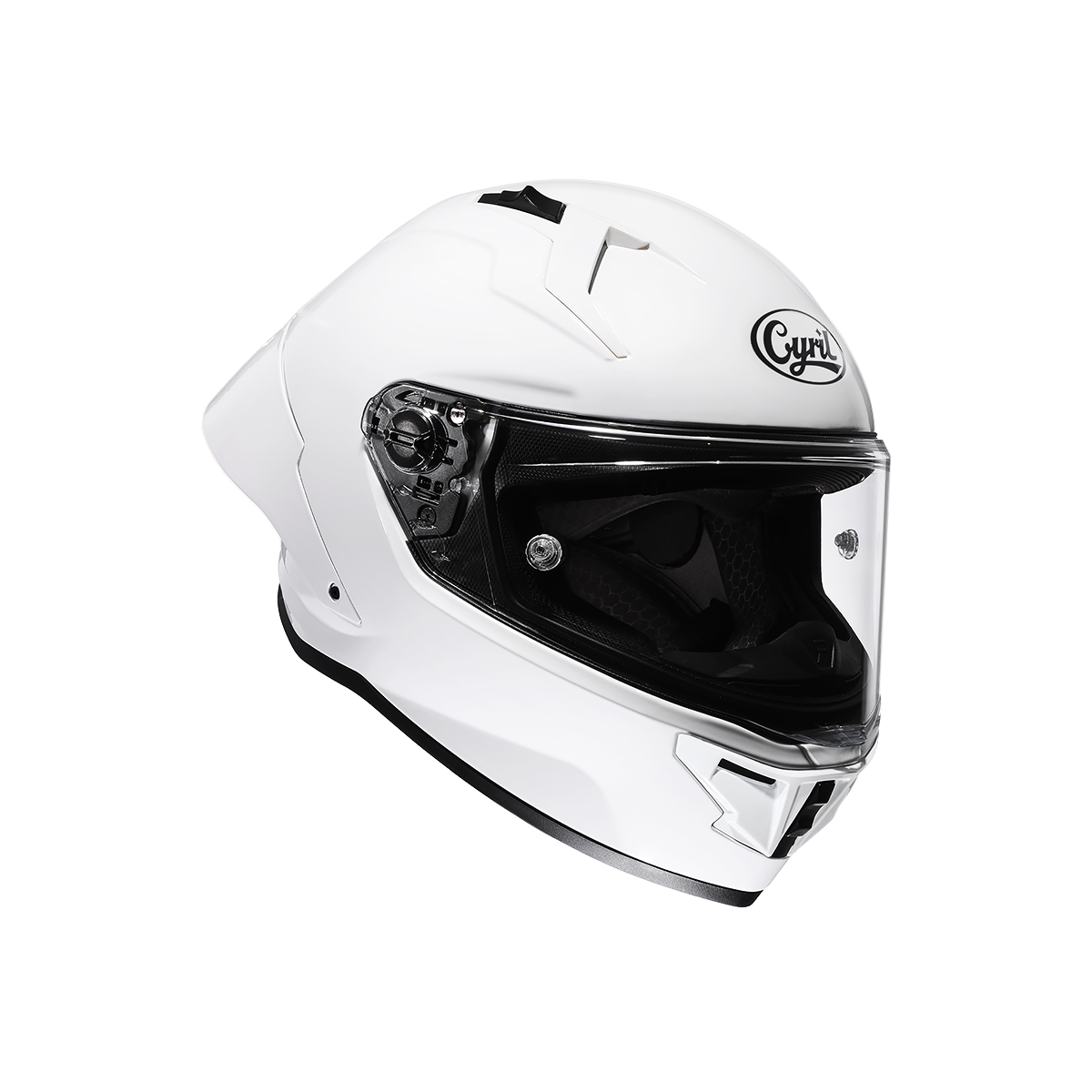
R1-PRO Full Face Helmet
A focused option for riders comparing sport styling, quick visor removal, and a removable liner. The product page should be treated as the source for listed equipment, not as proof of independent road or impact performance.
View current R1-PRO detailsICON Airform vs R1-PRO Questions
Does every ICON Airform include MIPS?
No. The official Airform page shows MIPS on selected variants, so verify the exact graphic and SKU instead of applying that feature to the whole range.
Do both helmets have an internal sun visor?
The Airform page lists an internal DropShield. The reviewed R1-PRO page does not list an internal sun visor, so do not assume one is included.
Which helmet is easier to set up with Bluetooth speakers?
Airform speaker compatibility is explicitly listed. For the R1-PRO, ask support about pocket depth, wire routing, and microphone clearance before selecting a headset.
Is the R1-PRO magnetic visor release a safety rating?
No. It is a shield-removal feature. It does not establish impact performance, visor sealing, optical quality, or a superior certification result.
Are both helmets DOT approved?
Both reviewed official pages list DOT information. Buyers should still verify the exact regional SKU, delivered label, seller, and current product documentation.
Which one is better for glasses?
Neither page proves a universal glasses fit. Test temple pressure, shield clearance, drop-shield clearance, and whether the frames remain level during a 30-minute wear.
Which is better for daily street riding?
Airform better documents drop-shield and speaker features; R1-PRO emphasizes magnetic visor changes and sport styling. Secure fit and your actual equipment priorities decide the better match.
Can I choose from the specification table alone?
No. Use the table to build a shortlist, then verify fit, visor operation, retention, market labeling, return terms, and any variant-specific equipment.
Final Notes
The Airform offers more published convenience features; the R1-PRO presents a simpler sport-street proposition with a distinctive visor-release system. Neither description can tell you which interior shape will stay secure and comfortable on your head. Resolve that question—and the exact regional label—before letting the feature list decide.