
What Is a Pinlock and Do You Really Need One?

What Is a Pinlock and Do You Really Need One?
A Pinlock is an anti-fog insert that mounts inside a helmet visor and creates a sealed pocket of air between the insert and the shield. If fog ruins your vision in cold, rainy, or humid riding, it is one of the most effective fixes you can add; if you ride short trips in dry weather, you may never notice the difference.
Pinlock uses a moisture-absorbing lens and a sealed air gap to stop condensation on the visor. It helps riders who fog up in cold, rain, humidity, or stop-and-go traffic. It does not stop glasses from fogging, and it only works when the insert is made for your exact visor.
This guide uses Pinlock's official technology page, which describes the moisture-absorbing lens and the airtight seal behind its anti-fog design, and All About Vision for the condensation physics. No claim is made about Pinlock performance on any specific Cyril helmet model.
What a Pinlock Actually Is
A Pinlock is a thin, flexible lens that clips onto two small pins inside a compatible visor. Around its edge is a silicone seal that presses against the visor, so instead of one sheet of plastic in front of your face, you get two layers with a narrow pocket of still air between them.
The brand's official description of how it works comes down to two principles: the lens surface absorbs and stores moisture, and the airtight seal creates a thermal barrier that stops the inner surface from cooling enough to condense your breath. Put simply, the fog has nothing to cling to.
Why Fog Happens in the First Place
Fog is condensation. Warm, moist air from your breathing hits a cooler visor surface and turns into droplets, exactly the same process that fogs bathroom mirrors and eyewear. All About Vision describes it the same way: warm, moist air from your skin contacting a cooler lens surface. The colder the visor and the more humid the air inside the helmet, the faster it appears.
That is why the worst fog usually happens on cold mornings, in rain, at stops, and when you are breathing hard. Those are also the moments when you need the visor closed the most.
Before buying anything, two cheaper habits can remove the need: a breath guard that redirects exhaled air, and a chin vent opened before the ride. Riders whose fog disappears with those changes do not need an insert at all. If the fog stays, that is the signal that the visor surface itself needs a solution.
Do You Actually Need One?
Look at your riding, not the marketing. If you commute before sunrise in cool weather, ride in rain, or spend time stopped in traffic with the visor down, an anti-fog insert is close to essential. If you ride warm, dry afternoons with vents open and never see fog, it is a nice feature but not a need.
Representative Rider Scenario: Two Riders, One Question. Marcus commutes year-round at 6 a.m. and fogs his visor at every light; for him an insert is a daily tool. Dana rides weekend afternoons in dry weather and cannot remember the last time her visor fogged; for her a spray or nothing at all is the honest answer.
| Riding Pattern | Fog Risk | Pinlock Value |
|---|---|---|
| Cold morning commute with stops | High | Worth prioritizing |
| Rain and humid weather | High | Worth prioritizing |
| Warm dry rides with vents open | Low | Optional |
| Rides with glasses that fog | Glasses still fog | Helps visor only |
Pinlock vs Anti-Fog Sprays
Anti-fog sprays and wipes are cheaper and work on many surfaces, but they are a coating you reapply, and they can wear off or smear if you wipe the visor. A Pinlock insert is a physical layer that stays in place until you remove it, which is why frequent fog riders usually prefer it.
The honest tradeoff is compatibility. Sprays work on whatever you have; a Pinlock only fits visors made for that specific insert. If you already own a helmet with a pin-ready visor, the insert is a small upgrade. If the visor has no pins, you need a pin kit or a different solution.
Spray has one more real use: borrowed and rental helmets. You cannot fit a spare insert into a helmet you do not own, but a quick anti-fog wipe before the ride helps on any visor. For your own helmet, the insert pays for itself over a season of foggy commutes.
Is Your Visor Pin-Ready?
Look at the inside of the visor near the top corners. Pin-ready visors have two small plastic pins, usually round or oval, molded or fitted on the inner surface. The insert clips over those pins, and the silicone seal presses against the visor edge.
If you see no pins, check the helmet's manual or the maker's accessory list. Some visors accept a separate pin kit; some are not designed for inserts at all. Forcing a generic insert onto the wrong visor leaves gaps where fog can form, so compatibility is the whole game.
Before buying any insert, write down the exact helmet model and visor version from the label or manual. Search for that combination, not for "universal anti-fog lens."
What to Check Before Buying
- Confirm your exact helmet model and visor version; inserts are visor-specific, not universal.
- Check whether your visor already has the two pins; if not, see whether the maker offers a pin kit for that visor.
- Compare insert types by coverage; wider inserts keep more of the field of view clear.
- Read the care notes: the coated insert should be cleaned gently, not rubbed with abrasives.
- If you are buying a new helmet, ask whether a compatible anti-fog insert is available for that model before you commit.
Care matters after installation too. Keep the insert's coated surface away from rough cloth, clean it with a soft lens cloth and lens-safe cleaner, and remove it gently when you wash the visor. A scratched insert still sits in your field of view, so treat it like part of the optical system, not a sticker.
How This Applies When Choosing
An anti-fog insert only helps if your visor supports it. When you compare helmets, the useful question is not whether the helmet sounds fog-proof, but whether replacement and anti-fog visor options exist for the model and are easy to fit.
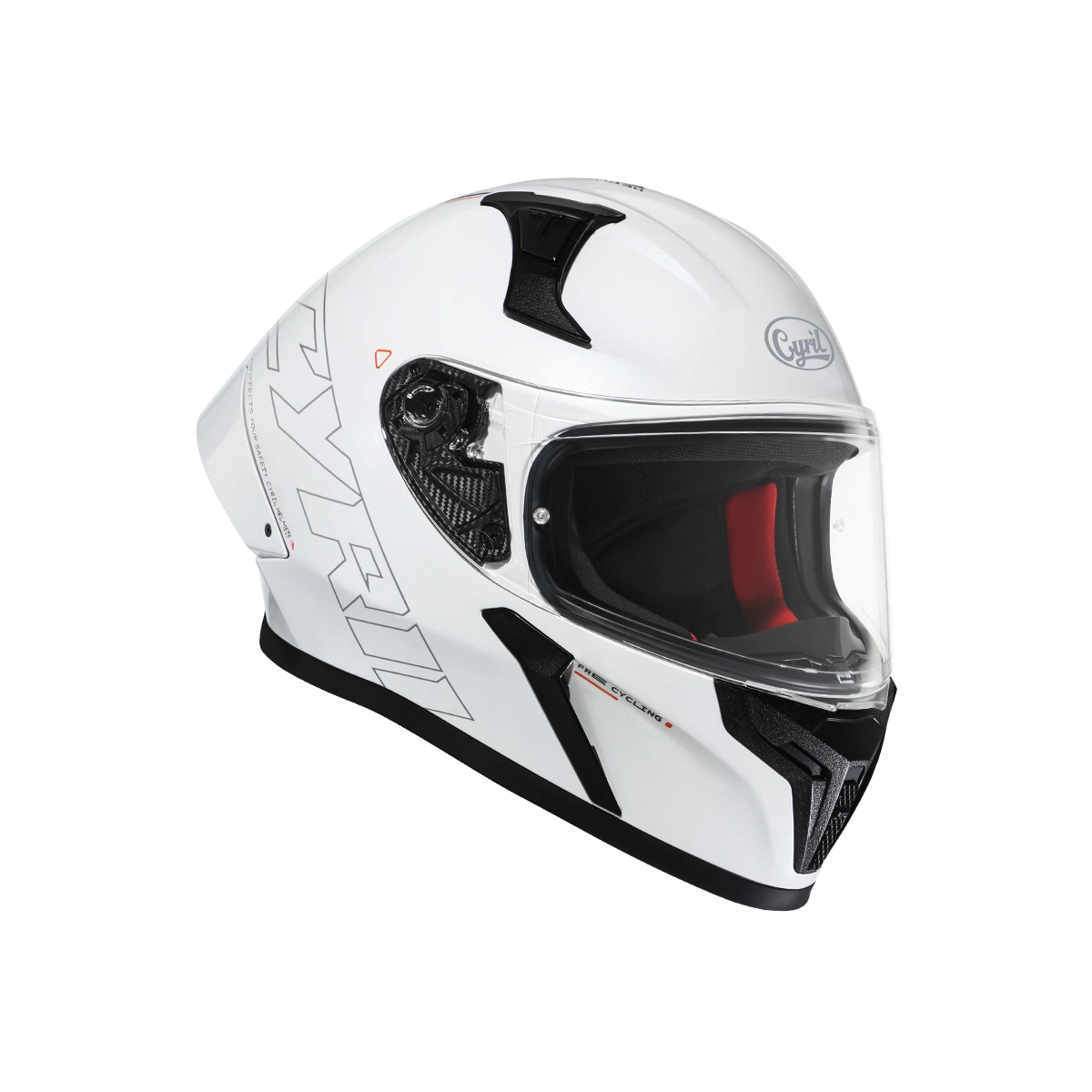
Start With a Visor You Can Maintain
The Mad Shark FF357 page lists a clear visor and a quick-release visor base. Check the current product page for visor and anti-fog options on this model before deciding whether an insert-style setup fits your routine.
View current Mad Shark FF357 detailsCommon Questions About Pinlock Inserts
What is a Pinlock?
A Pinlock is an anti-fog insert that mounts inside a compatible visor, creating a sealed pocket of air that stops condensation on the shield.
How does a Pinlock visor insert work?
Its moisture-absorbing surface stores water molecules, while the airtight seal creates a thermal barrier that prevents condensation on the visor.
Do I need a Pinlock?
You are the best judge. Cold commutes, rain, humidity, and stop-and-go traffic raise fog risk; warm dry riding lowers it.
Does Pinlock work with glasses?
It stops visor fog, not glasses fog. Lenses still need airflow, breath control, or their own anti-fog treatment.
Pinlock or anti-fog spray: which is better?
For frequent fog, an insert usually wins because it does not wear off. Sprays are cheaper but need reapplication and can smear.
Will a Pinlock fit any helmet visor?
No. Inserts are made for specific visor models, and the visor needs the correct pins and shape.
How long does a Pinlock last?
With normal care it lasts years, but the coating can degrade if cleaned with abrasives or harsh chemicals.
Can I clean a Pinlock insert?
Clean it gently with a soft cloth and lens-safe cleaner. Avoid rubbing the coated surface or using abrasive materials.
Final Notes
Decide based on your fog pattern, then check compatibility before buying anything. If your visor already takes an insert, the upgrade is small; if it does not, sprays, breath guards, and vent habits are the practical path.