
What Is the Simplest Online Helmet Buying Checklist?

What Is the Simplest Online Helmet Buying Checklist?
The simplest online helmet buying checklist is not a long spreadsheet. It is a short decision path: confirm the helmet type, measure your head, read the size chart, check return rules, verify the listed safety information, and save the order details before you ride.
Before buying a motorcycle helmet online, check five things in order: riding use, measured head size, fit and return policy, listed safety standard information, and replaceable parts such as visors or liners. Do not start with color or discount. If the size is unclear, the return window is strict, or the product page does not answer basic fit questions, pause before checkout.
This guide uses NHTSA helmet fit guidance, FTC online shopping guidance, and official Cyril product information. The article was reviewed for source-supported shopping advice, verified product details, practical rider relevance, and no unsupported technical, commercial, or safety claims.
The Short Checklist
If you want the simple version, use this order: purpose, measurement, size chart, return window, safety information, replacement parts, and support contact. That sequence keeps you away from the most common online buying mistake: falling in love with a helmet photo before you know whether the helmet can realistically fit your head and your riding routine.

- Choose the helmet type for your ride: full face, modular, or open face.
- Measure your head with a cloth tape before reading the size chart.
- Check whether the product page lists the safety standard information relevant to your market.
- Read the return window before removing tags, riding, or modifying the helmet.
- Look for replacement visor, liner, and support information before checkout.
Representative Rider Scenario: Nate - First Online Helmet Order. Nate has a 20-minute commute and wants a helmet quickly. The discount looks good, but his measurement sits near the edge of two sizes and the return policy is strict. His best move is to slow down, check size support first, and avoid turning a quick order into a fit problem.
Start With Fit, Not Looks
A helmet that looks right online can still be wrong on your head. NHTSA explains that riders should measure around the head and compare that number with a helmet size chart. That does not make the size chart perfect, but it gives you a starting point that is better than guessing from hat size, jacket size, or a helmet you borrowed once.

A quick way to tell whether you are making a good buying decision is to ask what would happen if the helmet arrives tight at the forehead or loose at the cheeks. If the product page, return rules, and support path give you no answer, the purchase is higher risk even if the product photo is attractive.
| Before You Buy | Why It Matters | What to Avoid |
|---|---|---|
| Head measurement | Creates a fit starting point before size-chart comparison. | Ordering by normal hat size only. |
| Head shape clues | Forehead, temple, crown, or side gaps often come from shape mismatch. | Assuming one brand size always transfers. |
| Return condition rules | Fit testing usually needs tags, packaging, and clean indoor handling. | Riding before deciding whether to keep it. |
| Support information | Good support details help when the size is borderline. | Buying when there is no clear way to ask a fit question. |
Read the Return and Shipping Rules
For online orders in the United States, the FTC gives general consumer guidance on shipping promises, delays, and online shopping terms. For helmet buying, the practical issue is simpler: you need to know when the helmet should ship, how long you have to inspect it, who pays return shipping, and what condition the helmet must remain in if you decide it does not fit.

This is where many riders make the expensive mistake. They unbox the helmet, remove everything, ride once, feel forehead pressure, and only then read the return terms. A better routine is to treat the first try-on as an inspection, not as ownership. Keep the packaging clean, do the fit test indoors, and write down the exact problem before contacting support.
Check Product Claims Carefully
Read product claims as evidence, not decoration. A page may list DOT / FMVSS 218 information, ECE 22.06 information, ABS shell material, a removable liner, a dual visor system, or ventilation. Those details can help you compare models, but they should stay tied to the exact wording on the page rather than becoming broad safety promises.

Specific Listed Facts
Helmet type, visor style, liner removability, and listed standard information are useful when they appear clearly on the product page.
Broad Comfort Claims
Words like comfortable or quiet need fit context. They may be true for one rider and wrong for another head shape or bike setup.
Unverifiable Certainty
Skip claims that sound absolute but do not show what fact supports them, especially around safety, fit, crash outcomes, or testing.
Match the Helmet to the Ride
The right online checklist changes slightly by rider. A daily commuter may care most about predictable fit, washable liner comfort, and clear visor use. A touring rider may compare modular convenience and sun management. A relaxed city rider may prioritize easy on-off use and open-face comfort, while still reading the listed safety information and fit rules.
Representative Rider Scenario: Maya - Weekend and Errand Rider. Maya rides short city trips during the week and longer weekend loops when the weather is clear. A helmet that looks sporty might catch her eye, but her checklist points her back to practical questions: visor visibility, liner care, return rules, and whether the helmet type fits both short stops and longer saddle time.
What to Save Before Checkout
Before checkout, save the product page, size chart, return policy, order confirmation, and any fit guidance from support. This is not busywork. If the helmet arrives and the size is wrong, those records help you explain the problem quickly instead of starting from memory.
When the box arrives, take the same approach. Try the helmet indoors with clean hair, no hoodie bunching under the neck, and the strap fastened the way you would actually wear it. If the first thing you want to do after ten minutes is lift the front, loosen the strap, or push the cheeks away with your fingers, write that down before you contact support.
If you are between sizes, unsure about head shape, or buying close to a trip date, do not rely on hope. Ask support a specific question before checkout: your head measurement, the size you are considering, your usual riding use, and the exact fit worry you want answered.
Cyril Helmets to Compare
Use product pages as part of the checklist, not as a replacement for fit testing. Compare the listed helmet type, visor setup, liner information, and safety standard information, then keep the return-window decision separate from style preference.
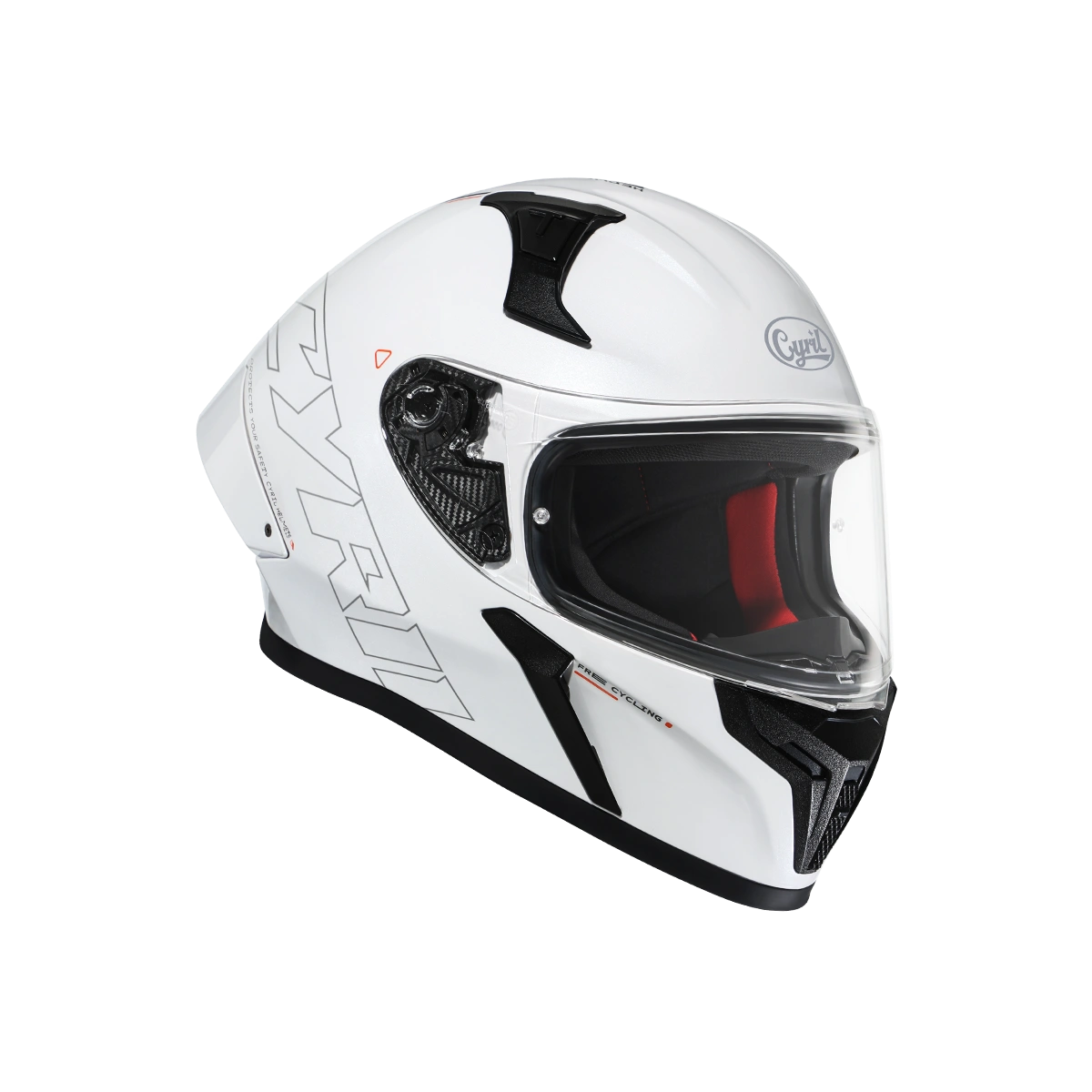
Best for Daily Full Face Shopping
Mad Shark is a full face option to compare when your checklist starts with regular road riding, removable liner care, and a clear visor view.
View Mad Shark
Best for Modular Convenience
THUNDER is worth comparing when the checklist includes modular convenience, a clear outer shield, and an inner sun visor.
View THUNDER
Common Questions About Online Helmet Buying Checklists
What should I check first when buying a helmet online?
Start with your riding use and head measurement. A helmet photo, color, or discount should come after fit basics, safety standard information, return rules, and support details.
Is measuring my head enough to choose the right helmet?
No. Measurement gives you a starting point, but head shape, cheek-pad feel, forehead pressure, and helmet movement still need indoor fit testing after delivery.
Should I buy a helmet if I am between sizes?
Pause before ordering. Check the brand size chart, ask support what information they need, and read the return conditions. Do not assume the larger size is always safer or more comfortable.
What return-policy details matter most?
Look for the return window, condition requirements, packaging requirements, who pays return shipping, and whether worn or modified helmets can be returned. Read this before trying the helmet outdoors.
Should I trust product claims about comfort?
Use comfort claims as a starting clue, not a certainty. Fit depends on your head shape, riding posture, glasses, hair, liner feel, and how the helmet behaves during a real fit check.
Do I need to check replacement visors and liners before buying?
Yes, especially if you ride often. A helmet is easier to live with when the product page and support path make replacement visor, liner, and pad information easy to find.
Can I ride once and still return the helmet?
Do not assume that. Many return rules depend on condition, packaging, tags, and whether the item has been used. Do your first fit check indoors and read the seller's policy before riding.
What information should I save after buying?
Save the product page, size chart, order confirmation, return policy, support messages, and photos of the helmet condition on arrival. These records help if you need size help or a return.
Final Notes
The simplest online helmet buying checklist works because it keeps the decision in the right order. Fit first. Policies second. Product claims third. Style last. If a helmet still looks attractive after it passes those checks, you are making a cleaner decision than a rider who buys from a photo and hopes the fit problem will solve itself later.