
What Parts of a Helmet Help Manage Impact?

What Parts of a Helmet Help Manage Impact?
A motorcycle helmet manages impact as a system. The outer shell, impact-absorbing liner, retention system, coverage area, fit, and condition all matter. The comfort liner makes the helmet wearable, but the main impact-management work usually comes from the shell, EPS-style liner, and the helmet staying correctly positioned. This page explains helmet structure, not shell-size fit.
The parts that help manage impact include the outer shell, impact liner, retention system, helmet coverage, and the fit that keeps those parts aligned. The main takeaway is the difference between comfort padding and impact-management parts; do not judge crash readiness from soft liner condition alone.
This guide uses 49 CFR 571.218 / FMVSS No. 218, NHTSA helmet guidance, and Snell Foundation helmet impact liner information. It explains helmet structure at a practical buyer level without making product-specific crash-performance claims. The product note uses only the official Mad Shark Full Face Helmet page; no independent test result is inferred.
A Helmet Manages Impact as a System
A helmet does not manage impact through one magic part. The shell helps take the first contact and maintain structure. The impact liner, often EPS-style foam, helps slow the head by crushing under load. The retention system helps keep the helmet in place. The shape and coverage determine which areas are covered. Fit helps keep everything aligned on your head.
The soft comfort liner is important, but it is not the same as the impact liner. It helps comfort, sweat control, and fit feel. The deeper energy-management work is usually handled by the shell and impact liner working together, with the strap and fit keeping the system where it belongs.
Representative Rider Scenario: Morgan - Confusing the Two Liners. Morgan removes the soft liner for washing and assumes that is the part that handles impact. Looking inside, they notice the firmer foam layer beneath it. That firmer layer is the part riders often mean when they talk about the impact liner.
Impact Management Is a System, Not a Single Feature
FMVSS No. 218 establishes minimum performance requirements for motorcycle helmets in the U.S. standard context, including impact-related performance areas. That is why it is better to think in systems: shell, liner, retention, penetration resistance, labeling, and fit all matter together.
Snell explains the basic idea clearly: when the shell stops suddenly against a hard surface, the head inside keeps moving a little longer, and the impact liner crushes to help slow that motion. That crush is why an impact liner may not be reusable in the same way as soft comfort padding.
This system view prevents bad comparisons. A thick comfort pad does not replace an impact liner. A hard shell without a proper liner is not enough. A strong-looking helmet can still be undermined by poor fit, an unfastened strap, or unknown impact history.
When comparing helmets, ask which part you are judging: shell, impact liner, retention, coverage, fit, or condition.

Outer Shell and Impact Liner Work Together
The outer shell is the first part most riders notice. It gives the helmet shape, helps hold the structure together, and works with the liner under the shell. Shell material and shape can affect weight, feel, cost, and riding comfort, but material names alone do not tell the full impact story.
The impact liner is usually the layer riders should pay close attention to when they inspect helmet quality. NHTSA warns that unsafe helmets often lack a stiff foam inner liner. Snell describes the impact liner as the yielding layer between the head and shell that crushes during impact.
Do not poke, carve, sand, or modify this liner. If you see cracks, crushed areas, loose pieces, deep dents, or signs that the liner has shifted, the helmet needs careful evaluation before continued use. The damage you can see is only part of the condition story.
Retention System and Fit Keep the Helmet Positioned
The chin strap, buckle, webbing, anchors, and rivets are not just comfort details. They help keep the helmet seated during movement. NHTSA points riders toward sturdy chin straps with solid rivets when identifying safer-looking helmets and warning signs of unsafe ones.
Fit is part of this same conversation. A helmet that slides, rotates, or sits too high may not keep the shell and liner where they need to be. A helmet that hurts so much you loosen the strap creates another practical problem.
The useful test is simple: the helmet should sit level, feel evenly snug, and stay stable when you move your head. If stability depends on overtightening the strap, the size or shape may be wrong.
Representative Rider Scenario: Lena - The Helmet That Shifted. Lena's helmet has a serious-looking shell, but it rotates when she shoulder-checks. The shell and liner cannot do their job well if the helmet will not stay seated in normal riding movement.
Coverage, Chin Bar and Visor Area Matter Too
Helmet type changes coverage. A full-face helmet, modular helmet, open-face helmet, and half-style helmet do not cover the same areas. If impact management is the question, do not compare only shell material or label wording while ignoring what parts of the head and face are actually covered.
The chin bar is a major reason many riders choose full-face or modular designs, but modular chin bars also depend on the specific design and how the helmet is used. The visor does not replace the shell or liner, but it affects visibility and face-area coverage for wind, debris, and weather.
Coverage choice should match riding reality. City, highway, touring, rain, dust, and passenger use can all change which helmet type feels practical enough to wear consistently.

Condition After Impact Is Not Always Obvious
The problem with helmet impact is that damage is not always visible from the outside. The shell can look acceptable while the impact liner has done work inside. Because impact liners manage energy by crushing, a helmet that has taken a meaningful impact should not be treated like a helmet that only has a cosmetic scuff.
Be careful with used helmets, dropped helmets, or helmets with unknown storage. The parts that matter most may be hidden beneath the comfort liner or shell edge. If you cannot verify history, condition becomes a major part of the buying decision.
For your own helmet, document the event, inspect the shell, liner, straps, visor mechanism, and fit feel, then ask support when uncertain. Do not rely only on "it still looks fine."
Useful support photos include the shell area, liner edge, strap anchors, buckle, visor mechanism, and any spot that looks compressed, cracked, loose, or shifted.
A Buyer Check Routine for Impact-Related Parts
Use this routine before buying, keeping, or comparing a helmet.
- Confirm the helmet has traceable model and standard information for your market.
- Inspect the outer shell for cracks, deep gouges, distortion, loose trim, or unusual soft spots.
- Look at the impact liner edge without cutting, sanding, poking, or modifying anything.
- Check that the comfort liner sits correctly and does not hide broken snaps or shifted padding.
- Fasten the strap and check buckle, webbing, rivets, and strap routing.
- Put the helmet on and check whether it stays level and stable when you move.
- Check visor closure, field of view, and whether replacement parts are available.
- Avoid helmets with impact history, unknown condition, or fit that only works when loose.
Which Helmet Parts Do What?
Use this table to separate impact-related parts from comfort parts.
| Part | Main Role | What to Check |
|---|---|---|
| Outer shell | First contact, structure, spread and resist certain forces | Cracks, distortion, deep damage, loose trim |
| Impact liner | Crushes to help manage impact energy | Cracks, dents, looseness, visible compression |
| Comfort liner | Fit feel, sweat, comfort, spacing | Correct seating, worn padding, missing snaps |
| Retention system | Helps keep helmet positioned | Strap, buckle, rivets, anchor points, slippage |
| Coverage shape | Determines what areas are covered | Helmet type, chin bar, side coverage, correct size |
| Visor and opening | Visibility and face-area usability | Closure, cracks, field of view, replacement availability |
Connect the Parts Lesson to a Real Product Page
A useful product page should identify the shell and impact-management interior without turning material names into a promise about a specific crash. Look for clear construction details, then keep certification and fit checks separate from marketing language.
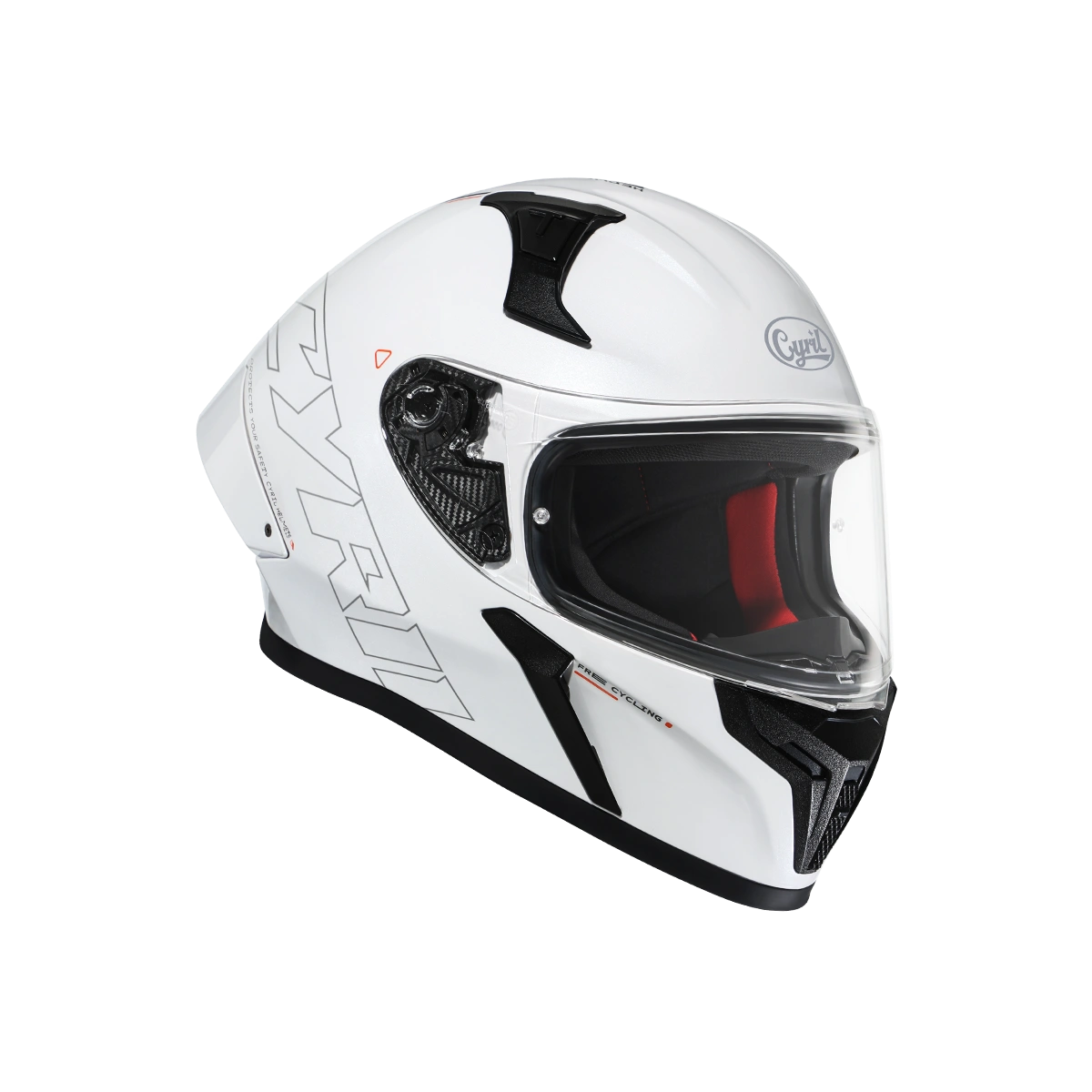
A Concrete Shell-and-Liner Example
The Mad Shark page lists an ABS shell and multi-layer EPS interior. Those facts make it a relevant example of shell and impact-management layers, but they are not a published test score and should not be converted into a guaranteed injury outcome.
View current Mad Shark Full Face Helmet detailsCommon Questions About Helmet Impact Parts
What parts of a helmet help manage impact?
The main parts are the outer shell, impact liner, retention system, coverage shape, and the fit that keeps those parts positioned correctly.
Is the comfort liner the same as the impact liner?
No. The comfort liner affects feel and fit, while the firmer impact liner under it helps manage impact energy.
What does the outer shell do?
The shell helps maintain structure and works with the liner during impact. Shell material alone does not tell the whole story.
What does the EPS liner do?
EPS-style impact liner material can crush under load, helping slow the head during certain impacts.
Why does the chin strap matter?
The retention system helps keep the helmet seated. A helmet that shifts or is worn loose may not stay positioned as intended.
Does a visor manage impact?
The visor is mainly about visibility and face-area usability. It does not replace the shell, liner, or retention system.
Can a helmet look fine after impact?
Yes. Some impact-related changes may be hidden inside the helmet, especially in the liner or attachment areas.
What should I inspect before keeping a helmet?
Check shell, impact liner edge, comfort liner, strap, buckle, rivets, visor mechanism, fit stability, labels, and impact history.
Final Notes
A helmet manages impact as a system: shell, energy-absorbing interior, retention, and fit. Product materials help you understand that system, but they do not let anyone predict the outcome of a particular crash.