
How Do Helmet Shell Materials Affect Daily Riders?

How Do Helmet Shell Materials Affect Daily Riders?
Helmet shell materials affect daily riders through weight, shell size, price, finish durability, wind feel, comfort over longer rides, and how the helmet balances on the bike. Material names matter, but they should be compared with fit, standard information, liner design, and real riding use. This page is a daily-use tradeoff guide, not an ABS-only explainer.
Shell material can affect helmet weight, price, shape, finish, and comfort, but it is not a simple safety ranking. Compare the complete helmet for your daily route: listed standards, fit, EPS liner, retention system, visor, ventilation, replacement parts, and how it feels after a realistic test wear.
This guide uses NHTSA helmet guidance, 49 CFR 571.218 / FMVSS No. 218, and Snell Foundation helmet structure information. It discusses shell materials as daily-use tradeoffs and does not rank materials as automatically safer. The product note uses only the official Mad Shark Full Face Helmet page; no independent test result is inferred.
What Shell Material Changes for Daily Use
Shell material affects how a helmet feels and costs more than many riders expect. ABS and polycarbonate shells are common in practical daily helmets. Fiberglass and composite shells may appear in mid-to-premium designs. Carbon fiber often targets lower weight and premium feel. But the material name alone does not tell you whether the helmet fits, vents well, has good visibility, or carries the standard information you need.
For daily riders, the better question is not "Which material is best?" It is "Which complete helmet can I wear correctly, maintain easily, and tolerate for the rides I actually take?"
Representative Rider Scenario: Nora - The Light Helmet That Pinched. Nora tries a premium-feeling shell material and likes the lower weight, but the helmet creates forehead pressure after fifteen minutes. A slightly heavier helmet with better shape match becomes the more practical daily choice.
Shell Material Is Not a Simple Safety Score
FMVSS No. 218 establishes minimum performance requirements for motorcycle helmets in the U.S. standard context. The standard does not tell shoppers to pick a helmet only by one shell material term. NHTSA also frames helmet selection around correct size, snug fit, and the DOT label, not shell material alone.
Snell explains helmet structure as a system involving the shell and the impact liner. That matters because the shell is only one part of impact management. The EPS or impact liner, retention system, fit, coverage, and condition all shape how the helmet works as a complete product.
Be careful with marketing language. "Carbon," "ABS," "polycarbonate," or "composite" may tell you something useful, but none of those words replaces a fit check or source-supported standard information.
If a listing talks about shell material but says little about fit, liner, standard information, visor, or parts support, keep reading before deciding.
Common Shell Materials Riders See Online
ABS shells are common in practical daily helmets because they can support affordable, durable designs. Polycarbonate is another common plastic shell family. Many riders choose these helmets for commuting because the price, finish, and replacement-part situation may be practical.
Fiberglass and composite shells usually appear in helmets that focus on a different balance of shell construction, weight, finish, and price. Carbon fiber is often associated with premium pricing and lower-weight goals, but the full helmet design still matters.
Do not compare shell material without looking at helmet type. A carbon open-face helmet and an ABS full-face helmet are not answering the same coverage question. Material and helmet type need to be read together.

Weight, Balance and Neck Fatigue Are Daily-Rider Issues
A shell material can affect helmet weight, but weight alone does not predict comfort. Balance, shell size, aerodynamics, liner shape, and riding posture all change how heavy the helmet feels. A lighter helmet that catches wind poorly may feel worse than a slightly heavier helmet that sits stable.
Daily commuters should test how the helmet feels after more than a mirror check. Wear it long enough to notice neck tension, forehead pressure, jaw pressure, and whether you start adjusting the strap. A material advantage loses value if the shape does not suit your head.
Highway riders should also think about stability. If the shell profile creates lift, buffeting, or noise on your bike, the material name will not fix the fatigue.
Representative Rider Scenario: Malik - Light But Noisy. Malik picks a lighter shell because the spec sounds appealing, but highway turbulence makes the helmet tiring. The lesson is simple: daily comfort comes from weight plus balance, fit, and bike airflow.
Finish, Scratches and Daily Care Also Matter
Shell material and finish can affect how the helmet looks after daily use. Matte finishes, gloss finishes, painted graphics, exposed-weave looks, and textured trims can all age differently. Riders who commute daily may care more about bug cleaning, scratch visibility, and finish maintenance than weekend riders.
Use cleaners that match the helmet instructions. Do not assume a cleaner that works on one finish is right for another. If a shell has exposed-looking carbon weave, matte paint, or delicate graphics, cleaning habits become part of the ownership decision.
Also think about where you store the helmet. A premium finish can still get scuffed by mirrors, rough shelves, helmet locks, or a trunk full of tools.
Fit and Full Design Matter More Than Material Alone
A helmet shell works with the impact liner, comfort liner, strap system, visor, ventilation, and shell shape. If the helmet pinches, slides, fogs constantly, or makes you loosen the strap, the material name is not solving the practical problem.
Replacement parts can break the tie. A helmet with available visors, cheek pads, and liners may be easier to keep in daily service. A more premium shell with poor parts support may become frustrating if the visor scratches or the liner wears out.
For used helmets, material does not erase unknown history. A carbon or composite shell with unknown impact or storage history should still be treated cautiously.
If you ask support about shell material, also ask about model identity, fit shape, replacement visors, liner options, and care instructions.

A Shell Material Comparison Routine
Use this routine when a material name is influencing your buying decision. If possible, give each candidate a quiet 20 to 30 minute wear test before treating the material claim as a real comfort advantage.
- Confirm the helmet type first: full face, modular, open face, or another design.
- Check listed standard information and model traceability.
- Wear the helmet long enough to feel pressure, balance, strap comfort, and whether the shell feels stable as your neck relaxes.
- Compare weight in context: head position, windscreen, riding speed, and route length.
- Inspect finish care needs, scratch visibility, and cleaning instructions.
- Check visor, cheek pad, and liner replacement availability.
- Consider your real use: short city trips, highway commuting, touring, heat, rain, or night riding.
- Do not choose a material name over poor fit or unclear condition.
Shell Material Decision Table
Use this table to translate material terms into daily-rider checks.
| Material or Factor | Daily Rider Impact | What to Check |
|---|---|---|
| ABS or polycarbonate | Often practical for everyday price and use | Fit, shell size, finish, standard information, parts support |
| Fiberglass or composite | May change weight, feel, and price balance | Comfort over time, finish care, exact model support |
| Carbon fiber | Often chosen for premium feel or lower weight goals | Actual fit, wind stability, care needs, price value |
| Shell size | Affects appearance, weight feel, and wind behavior | How it sits on your head and bike airflow |
| Finish | Changes cleaning and scratch visibility | Matte, gloss, graphics, exposed-look surfaces |
| Parts support | Matters after daily wear | Visors, pads, liners, support answers |
Judge Materials Through Daily Use, Not Status
For a commuter, the practical questions are whether the helmet fits, stays comfortable, can be maintained, and has the documentation needed for the riding market. A premium-sounding material name is not automatically the best daily choice.
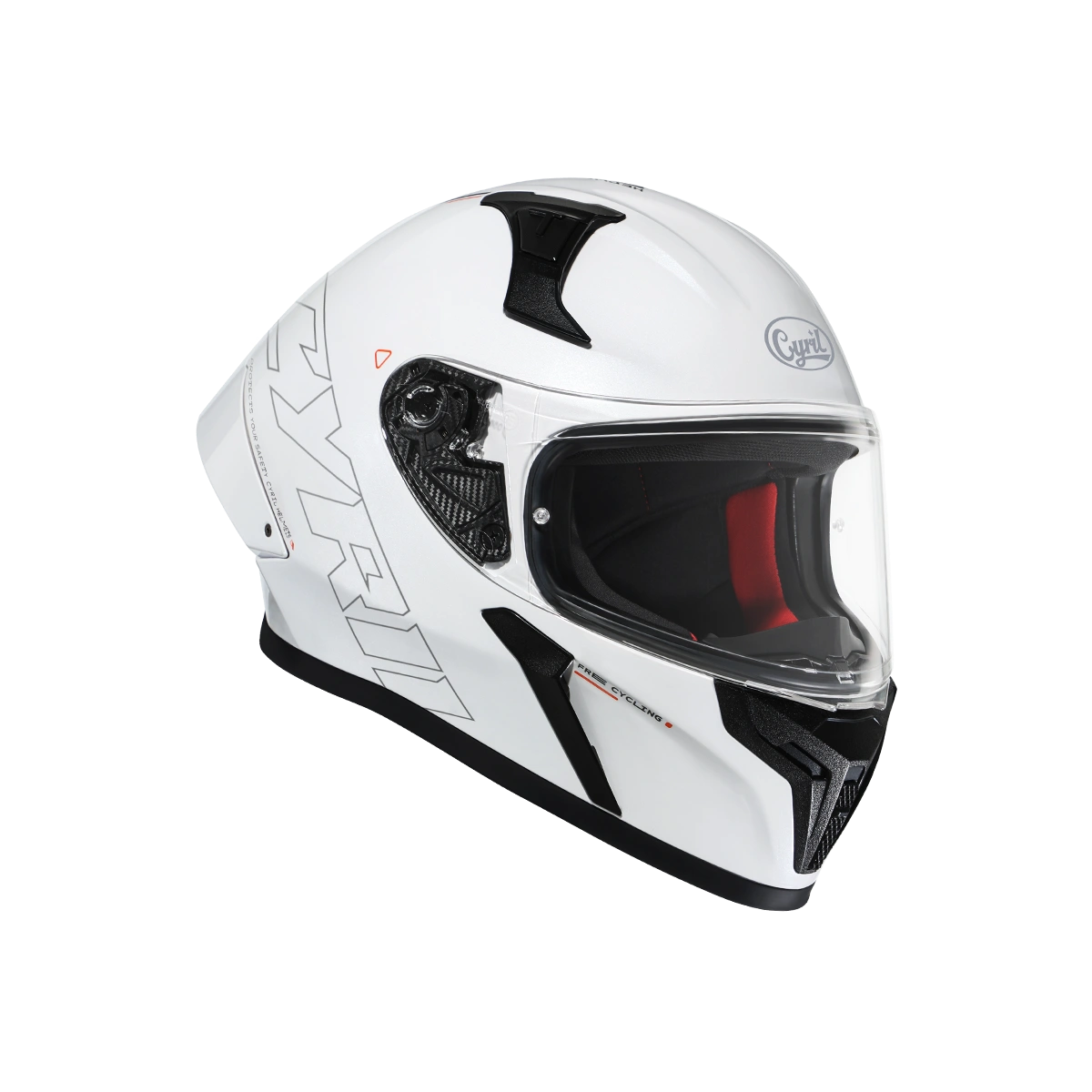
An ABS Full-Face Example for Daily Riding
The Mad Shark page lists an ABS shell, multi-layer EPS interior, ventilation channels, and removable washable liner. That combination makes it a useful everyday example without implying that ABS alone determines protection, comfort, lifespan, or overall quality.
View current Mad Shark Full Face Helmet detailsCommon Questions About Helmet Shell Materials
How do helmet shell materials affect daily riders?
They can affect weight, price, shell size, finish care, wind feel, and long-ride comfort, but the full helmet design still matters.
Is carbon fiber always better?
No. Carbon fiber may offer premium feel or lower weight goals, but fit, stability, standards information, liner design, and support still matter.
Are ABS helmets only entry-level?
ABS is common in practical daily helmets. Judge the complete helmet, not only the shell material name.
Does shell material decide helmet safety?
No single material term decides the whole answer. Standards, shell design, EPS liner, retention, fit, and condition all matter.
Does a lighter helmet always feel better?
Not always. Balance, shell profile, windscreen airflow, and head shape can make a slightly heavier helmet feel easier to wear.
Should commuters care about shell material?
Yes, but as one factor. Commuters should also check visibility, ventilation, cleaning, visor availability, liner comfort, and fit.
Can finish type matter as much as material?
For daily use, yes. Matte, gloss, graphics, and exposed-look finishes can differ in cleaning effort and visible wear.
What should break the tie between two shell materials?
Fit, comfort after a 20 to 30 minute test wear, standard information, parts support, visibility, and real riding use should break the tie.
Final Notes
Material is one line in a much longer decision. Fit, retention, verified standards information, liner care, replacement support, and the conditions you ride in will usually shape daily satisfaction more than the shell label alone.