
What Should Riders Know About ABS Helmet Shells?

What Should Riders Know About ABS Helmet Shells?
ABS helmet shells are common in practical motorcycle helmets, but the material name should not be treated as a complete quality score. Riders should understand what ABS means, where safety standards fit in, how the shell works with the EPS liner, and what daily-use checks matter before buying. This article focuses on ABS as one material label, not the whole shell-material comparison.
ABS is a thermoplastic shell material often used in affordable, durable helmet designs. It can be a practical choice, but do not judge a helmet by ABS alone. Check the listed standard, DOT labeling if buying for U.S. road use, fit, EPS liner, retention system, visor quality, ventilation, parts support, care instructions, and the helmet's actual condition.
This guide uses NHTSA helmet selection guidance, 49 CFR 571.218 / FMVSS No. 218, and Snell Foundation helmet structure information. These sources support standards, labels, fit, and shell-plus-liner context; they do not rank ABS as automatically better or worse than every other shell material. The product note uses only the official Mad Shark Full Face Helmet page; no independent test result is inferred.
What ABS Tells You—and What It Doesn't
ABS is a common plastic shell material used in many motorcycle helmets. Riders often see it in commuter, scooter, open-face, half, and value-focused full-face helmets. It can make sense when the complete helmet is well designed, correctly labeled for the market, comfortable, and supported with replacement parts.
The mistake is treating ABS as either automatically cheap in a bad way or automatically enough by itself. A helmet is a system. The shell, impact liner, comfort liner, retention system, visor, fit, and condition all matter. The shell material is one useful data point, not the whole answer.
Representative Rider Scenario: Leo - The Practical Commuter Choice. Leo compares a low-cost ABS open-face helmet with a more expensive composite model. The ABS helmet fits better, has clear DOT labeling, available visors, and a comfortable liner. For his short city route, the complete helmet makes more sense than chasing a material name.
What ABS Means on a Helmet Listing
ABS stands for acrylonitrile butadiene styrene, a thermoplastic used in many molded products. On helmet listings, it usually tells you the outer shell material family. It does not tell you the shell thickness, EPS liner design, ventilation layout, visor quality, strap hardware, or fit shape.
Because ABS can be molded efficiently, riders often associate it with practical pricing. That does not make every ABS helmet equal. Two ABS helmets can feel completely different because of shell shape, liner density, pad design, visor seal, and overall quality control.
When a seller says "ABS shell," read it as the start of a comparison, not the end. You still need the model name, size chart, applicable standard, care instructions, and support details.

ABS Is Not the Same as a Safety Standard
In the U.S. context, FMVSS No. 218 establishes minimum performance requirements for motorcycle helmets. NHTSA tells shoppers to look for the DOT symbol on the outside back and explains that DOT-compliant helmets carry specific label information. The material name "ABS" is not a substitute for that standard information.
FMVSS No. 218 also requires helmet labeling that identifies shell and liner materials in the instruction information. That is useful because it connects material claims to a specific helmet, not a generic online phrase.
Be cautious with listings that show only a shell material and no clear standard, model designation, size, or manufacturer information. A good buying decision depends on traceable information. If the listing is vague, ask for the exact model name, label photos, and replacement-part availability before you buy.
For U.S. road use, check the outside DOT label, model information, inside labels, and care instructions. Do not let the ABS material line replace those checks.
Why ABS Appeals to Daily Riders
ABS helmets often appeal to riders who want practical pricing, a durable-feeling shell, simple finish options, and replacement shields that are not expensive. For commuting and local riding, those ownership details matter. A helmet that you can clean, store, and maintain easily may stay in better daily service.
ABS also appears across many helmet styles. That gives riders more choices in coverage, visor type, graphics, and fit shape. The best ABS option is usually the one that matches your head shape and riding use, not the one with the longest list of marketing phrases.
Budget also matters honestly. A rider should not assume a higher-priced material automatically solves fit, ventilation, noise, visor seal, or replacement-part problems. Compare the whole helmet before judging value.
Common Misreads About ABS Shells
The first misread is that ABS means "entry level only." Many ABS helmets are value-focused, but the label does not tell you the full design quality. The second misread is that ABS is automatically worse because it is plastic. Helmet performance depends on the designed shell, EPS liner, retention, and testing context.
The third misread is that a thicker or heavier ABS shell is always better. More material can change weight, balance, and fatigue. A helmet that feels heavy after thirty minutes may be worse for your actual use than a lighter helmet that fits and vents well.
The fourth misread is that shell material can overcome poor fit. NHTSA's fit guidance is clear that a helmet should not move when you shake your head and should not create painful pressure points. ABS does not change that basic fit requirement.
The Shell Works With the Liner
Snell's helmet explanation describes the shell and impact liner as working together. The outer shell spreads and manages the event at the outside surface while the liner crushes in a controlled way to slow the head. That is why shell material should always be discussed with the EPS or impact liner.
For shoppers, this means you should inspect more than the outside. Look through the eye port and liner opening. Does the helmet have a real impact liner behind the comfort fabric? Are the cheek pads secure? Does the strap hardware look sturdy? Does the helmet sit level and stay stable?
Comfort liner condition also matters. A worn liner can make a helmet feel one or two sizes larger than it did when new. That issue can affect any shell material, including ABS.
Representative Rider Scenario: Priya - The ABS Helmet That Fit Best. Priya tries three helmets with different shell materials. The ABS model is not the lightest, but it sits level, holds her cheeks evenly, and has replacement pads available. The complete fit is the deciding factor.

Care, Chemicals and Age Still Matter
FMVSS labeling language includes instructions about substances that can damage a helmet without visible signs. For ABS riders, the practical rule is simple: use the cleaner recommended by the helmet maker and avoid solvents, fuels, harsh degreasers, unauthorized paint, and adhesives.
Heat and storage matter too. Do not leave the helmet pressed against exhaust parts, hard mirrors, tool edges, or hot surfaces. Damage to the shell, visor mechanism, liner, or strap system can matter more than the original material name.
If an ABS helmet has unknown crash history, deep shell damage, loose rivets, a missing liner, or unclear labeling, do not treat the low replacement cost as the only issue. Condition and traceability are part of the buying decision.
ABS Helmet Buyer Checklist
Use this table when comparing ABS helmets online or in a store.
| Check | Why It Matters | What to Look For |
|---|---|---|
| Standard information | Material is not a standard | DOT label, model designation, inside labels, market suitability |
| Fit and pressure | ABS does not fix shape mismatch | Even snugness, no painful hot spots, stable head shake |
| Impact liner | Shell and liner work as a system | Real EPS or impact liner behind the comfort fabric |
| Retention | The helmet must stay positioned | Sturdy strap, rivets, buckle or D-rings, correct adjustment |
| Parts support | Daily helmets need maintenance | Replacement visor, cheek pads, liner, side plates |
| Care instructions | Chemicals and heat can damage helmets | Manufacturer-approved cleaning and storage guidance |
Use an ABS Product as an Example, Not a Verdict
ABS tells you something about the shell material, but not the whole helmet. Compare construction details together with fit, certification information, visor support, liner care, and the manufacturer's instructions before deciding whether a model suits your riding.
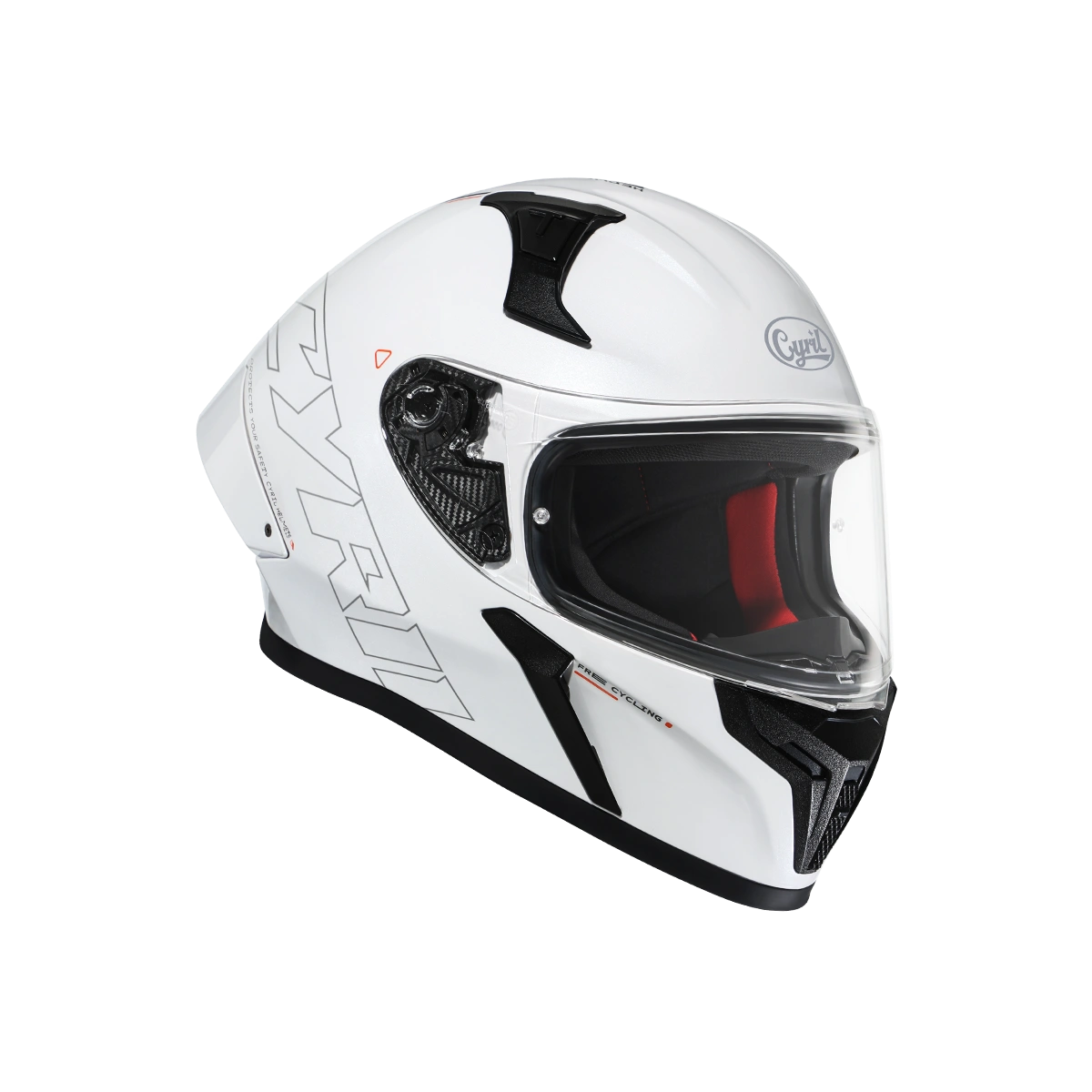
A Current ABS Full-Face Reference
The Mad Shark page explicitly lists an ABS shell and multi-layer EPS interior, along with ventilation and a removable liner. Those are verified product details; they do not establish a universal safety rank against polycarbonate, composite, or carbon-fiber helmets.
View current Mad Shark Full Face Helmet detailsCommon Questions About ABS Helmet Shells
What is an ABS helmet shell?
It is a helmet outer shell made from ABS, a thermoplastic material used in many practical molded products.
Is ABS a motorcycle helmet safety standard?
No. ABS is a shell material. Standards such as FMVSS No. 218 address performance requirements and labeling, not just one material word.
Are ABS helmets only cheap helmets?
No. ABS often appears in value-focused helmets, but quality depends on the complete design, fit, liner, labeling, and support.
Should I avoid ABS because it is plastic?
Not automatically. Judge the complete helmet, including standard information, EPS liner, fit, retention, visor, and condition.
Does ABS tell me how well the helmet fits?
No. Fit depends on size, internal shape, liner, cheek pads, and how the helmet sits on your head.
Can ABS helmets be used for commuting?
Many riders use ABS helmets for commuting when the helmet fits, is correctly labeled for the market, and suits their route.
How should I clean an ABS helmet?
Follow the helmet maker's instructions. Avoid solvents, harsh chemicals, unauthorized paint, and adhesives unless the manufacturer allows them.
What should break the tie between ABS helmets?
Fit, standard information, liner quality, visor clarity, retention hardware, ventilation, parts support, and care instructions should break the tie.
Final Notes
ABS alone should neither reassure nor disqualify you. Read the complete construction and standards information, check fit, and judge whether the product supports your maintenance and riding routine.