
What to Look For in a Lightweight Motorcycle Helmet

What to Look For in a Lightweight Motorcycle Helmet
A lighter helmet can reduce neck fatigue on long rides, but weight is not a feature you can verify by looks alone. Shell material, size range, and how the weight sits on your head all matter more than the number on the spec sheet. Here is what makes helmets lighter, what weight actually changes in daily riding, and what to check before you buy.
Lightweight motorcycle helmets usually use composite or carbon shells instead of heavier ABS shells, but the real test is how the helmet feels on your head over time, not just the grams on paper. Compare shell material, check the listed weight if provided, test balance and pressure, and remember that fit and protection come before weight savings.
This guide describes helmet shell materials and weight trade-offs in general terms based on common product information. It does not cite specific gram weights for any model because none are verified for this article, and it does not claim that lighter helmets are safer or less safe. Verify weight, shell, and fit details on the product page of the exact model. General selection and fit context follows NHTSA helmet selection guidance.
Why Weight Matters More on Some Rides Than Others
Weight matters most on long rides, upright posture, and stop-and-go traffic. In an upright seating position your neck holds the helmet's full weight for the whole ride, so a difference that feels small in a store try-on can accumulate over two hours. On short rides or in a tucked position, the same difference matters less.
Weight also matters when you turn your head for traffic checks. A heavier helmet takes more effort to turn quickly, which is why commuters and long-distance riders often notice weight more than sport riders tucked behind a fairing.
Representative Rider Scenario: Tom - Two-Hour Commute. Tom rides a two-hour highway commute sitting upright. In the store, the weight difference between two helmets felt minor. After a week of rides, he notices the lighter helmet takes less effort to hold and to turn for shoulder checks.
What Makes a Helmet Lighter: Shell Materials Explained
The shell is the main weight driver. Helmet shells commonly fall into a few material families, and each one trades weight against price and features.
| Shell Material | Typical Character | What It Means for Weight |
|---|---|---|
| ABS plastic | Common on budget and mid-range helmets, durable and affordable | Usually the heavier option in a price class |
| Polycarbonate | Widely used, good impact properties, mid-range pricing | Can be lighter than ABS for similar structures |
| Composite / fiber blends | Glass, aramid, or mixed fibers, used in lighter and premium lines | Commonly lighter than ABS, priced higher |
| Carbon fiber | Top-end shells, strongest weight reduction, highest price | Generally the lightest family, at a premium price |
Material alone does not decide safety or fit. Certification information on the product page, shell layup, and how the helmet fits your head all matter. A carbon shell on the wrong head shape is still the wrong helmet.
To turn this table into a decision: list the three helmet candidates in your budget, note each one's shell material and stated weight, then cross out any model whose weight is not listed or whose fit you have not verified. The shortlist that survives is the one worth a longer try-on.
How to Verify Weight Before You Buy
- Check the product page for a stated weight; if none is listed, ask the seller directly.
- Note that weight varies by shell size: a larger shell size can weigh more than the same model in a smaller size.
- Hold the helmet on your head for several minutes and check for pressure and strain, not just first-touch feel.
- Turn your head side to side to feel how much effort a traffic check takes.
- Compare the same helmet type: a lightweight modular helmet may still weigh more than a full face of the same shell family.
- Remember fit and certification information come first; weight savings do not excuse a poor fit.
A helmet can feel light in your hands and heavy on your neck if the balance is wrong. Test it on your head in your normal posture, not by holding it.
The Trade-Offs Riders Should Accept Honestly
Lighter shells usually cost more, so the budget question is whether the weight reduction is worth the price gap for your riding. A rider doing ten-minute city hops may not notice a small weight difference, while a tourer covering six hours will feel it every hour.
Also consider what you add to the helmet. A Bluetooth headset, camera mount, or chin curtain adds grams back. If your plan is a headset plus a camera, start with a helmet that gives you weight budget for those extras.
How This Applies When Choosing
Apply the weight checklist by comparing shell material and stated weight across the models you consider, then test the fit. For riders comparing sport-inspired full face profiles, the model below is a relevant example to check against your criteria.
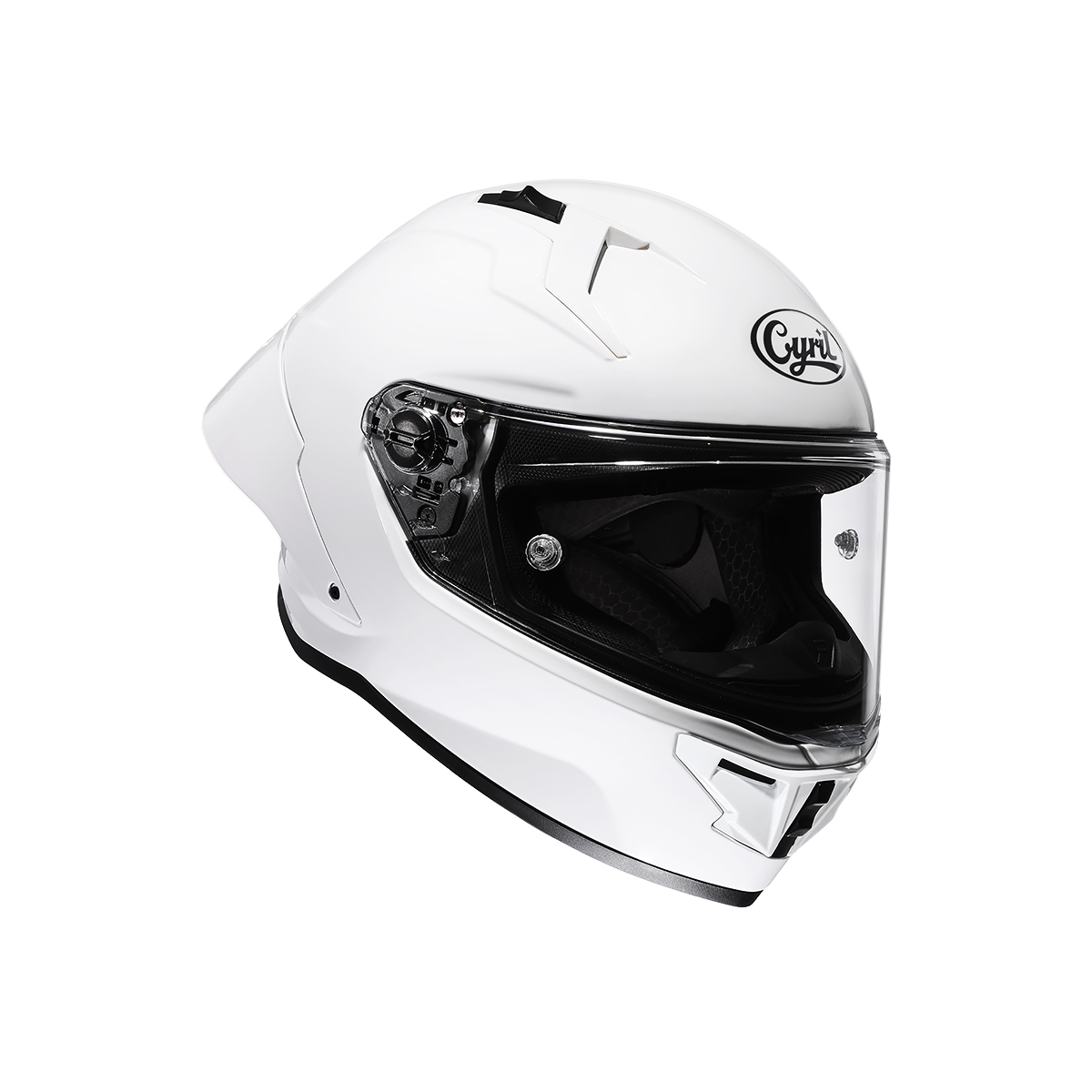
A Sport-Inspired Full Face to Compare by Weight and Fit
The R1-PRO Full Face Helmet is a relevant comparison point for riders evaluating sport-inspired full face profiles with a rear spoiler, magnetic visor release, removable washable liner, and DOT / ECE information on the product page. The official page does not state a weight, so apply your own weight check: ask the seller or compare it in hand before deciding, exactly as the checklist above requires.
View current R1-PRO Full Face Helmet detailsCommon Questions About Lightweight Helmets
What is a good weight for a motorcycle helmet?
There is no single good number because weight varies by size, type, and shell material. Compare weight between models of the same type and size, and judge it on your head.
Are lighter helmets less safe?
Not automatically. Certification information on the product page and proper fit matter more than shell weight. Lighter materials can meet the same standards.
Is a carbon fiber helmet worth it?
Carbon shells are the lightest family and the most expensive. Worth depends on how much weight matters for your riding and budget.
Does helmet weight cause neck fatigue?
Heavier helmets can contribute to neck fatigue on long upright rides, which is why weight and balance matter to tourers and commuters.
Is ABS a heavy shell material?
ABS is generally among the heavier common shell materials, which is why budget helmets often feel heavier than composite or carbon models.
How do I know a helmet's weight before buying online?
Check the product page for a stated weight or ask the seller. Note that weight can differ between shell sizes of the same model.
Does adding a headset make a light helmet heavy?
Headsets and camera mounts add grams. Plan the accessories you will install when comparing helmet weights.
Should beginners prioritize a lightweight helmet?
Comfort and fit matter more for new riders, but lighter weight can help during the learning period when posture and neck muscles are still adapting.
Final Notes
Choose a lightweight helmet by comparing shell material and stated weight, then testing balance and fit on your own head. Weight is one feature among many, and the lightest helmet is only the right helmet if it also fits and protects properly.