
When Is the Best Time to Buy a Motorcycle Helmet? Sales Seasons and Timing

When Is the Best Time to Buy a Motorcycle Helmet? Sales Seasons and Timing
There is no single guaranteed-cheapest day of the year, but helmet buying does follow a rhythm: seasonal demand, model refreshes, and holiday promotions all shift prices at different points in the year. Prices move in a pattern you can plan around: seasonal demand, model refreshes, and clearance windows. Use the timing instead of guessing at it, and verify the sale price against the helmet itself before checkout.
Motorcycle helmet prices move with riding season, new-model launches, and holiday sales. Late season and off-season are the most common times for price reductions, while spring demand often pushes prices up. The best time to buy is when a helmet fits, meets your needs, and the price matches what the product actually delivers, not when a discount banner appears.
This guide describes typical seasonal retail patterns based on general motorcycle industry buying cycles. It does not predict specific dates, discount percentages, or inventory levels for any store or brand. No external statistics about price drops are cited because none are verified; treat the timing guidance as practical context, not a price guarantee. General helmet selection and fit context comes from NHTSA helmet selection guidance.
The Short Answer: It Depends on Whether You Can Wait
The honest answer is that the best time to buy a motorcycle helmet depends on how urgent your need is. If your current helmet fits well, is within its usable life, and nothing about your riding has changed, waiting for a seasonal window can stretch your budget further. If your helmet is damaged, visibly worn out, or never fit properly, waiting to save money is the wrong trade.
Representative Rider Scenario: Dana - Waiting It Out. Dana's current helmet has two seasons left and fits fine. She sets a reminder for the fall, expects off-season pricing, and replaces the helmet without urgency. The timing decision works because her need is not immediate.
How the Riding Season Shapes Helmet Prices
Retailers and brands plan inventory around when riders actually ride. In most regions with distinct seasons, spring is the peak buying period: new riders start, returning riders replace old gear, and demand is at its highest. Higher demand usually means fewer discounts and more listings at regular price.
Late summer and fall often behave differently. Sellers prepare for the next model year and want to reduce current stock, so clearance pricing and bundle offers become more common. Winter, where riding slows down, is frequently when the widest clearance selection appears, although available sizes and colors can be limited because stock is thinner.
In practice, the most predictable discount windows are late fall through early winter, when seasonal clearance overlaps with holiday promotions, and the tail end of a model's life cycle, whenever that happens to fall. These are industry rhythms, not a promise: a specific store may run a strong promotion at any time of year, and a specific model may hold its price even in off-season because it is popular or low in stock.
Ask yourself whether the seasonal timing helps you or costs you. If you ride all year, the off-season may not be a buying window at all, it may just be when your next helmet is needed anyway.
New Models, Old Stock, and Refresh Cycles
Helmet brands update their lines periodically. When a new version of a model is introduced, the previous version often becomes a clearance candidate. This is one of the most predictable price moments in the category, but it comes with a decision: the older model may lack the update that made the new one interesting, or the update may be cosmetic and irrelevant to your needs.
Before buying previous-generation stock because of a lower price, list what changed. If the change is fit, shell construction, ventilation, or safety-related information on the product page, verify what it means for you. If the change is a colorway or a styling tweak, the older version may be a legitimate value pick.
Remember that not every brand releases on the same schedule. Following one brand's refresh cycle gives you a real signal; assuming all brands discount at the same moment does not.
What to Verify Before You Buy on Sale
A sale price is only useful if the helmet itself is the right helmet. The same checklist that applies to any purchase applies to a discounted one, and two extra checks matter specifically for sale purchases: the reason for the discount and the availability of your size.
- Confirm the product page lists the model, size, and fit details you actually need, not a close alternative.
- Check whether the discount is on current stock or on a previous model year, and decide if the difference matters.
- Verify the return and warranty policy still applies to sale items before ordering.
- Compare the listed price against the same model on the brand's official page so you know what "sale" really means.
- Confirm your size is actually available in the color you want, because clearance stock thins out.
- Buy when the helmet passes your fit and feature checks, not just because the banner says limited time.
If a deal looks too good relative to the brand's normal pricing, slow down. Unusually low prices from unknown sellers are one of the red flags that appear in counterfeit helmet warnings from consumer safety discussions, so verify the seller and the model before checkout.
When Waiting for a Sale Is the Wrong Move
Waiting makes sense when you can afford to wait. It stops making sense when the reason you need a helmet is not about price. If your helmet has been dropped from height, shows visible shell damage, has worn retention, or has never fit securely, no seasonal discount justifies continuing to ride with it.
The same logic applies to new riders. A new rider waiting through an entire season to save money on the first helmet is delaying the safety benefit of riding with properly fitting gear. Buying a helmet that fits at full price is a better decision than buying a discounted helmet that does not fit.
Representative Rider Scenario: Marcus - Price Is Not the Problem. Marcus finds a clearance price on a helmet he has been watching, but the only remaining size is one he already knows is too loose for his head shape. He passes, because a sale cannot fix a fit mismatch.
Seasonal Timing Decision Table
Use your situation to decide whether a waiting window is worth it for you.
| Your Situation | Timing Signal | Recommended Action |
|---|---|---|
| Current helmet fits and is within its usable life | Off-season or model refresh window | Waiting can stretch the budget, if the right size stays available |
| New rider starting this season | Spring demand | Buy a fitting helmet now; do not delay gear for a possible discount |
| Helmet dropped, damaged, or never fit | Any time | Replace immediately; timing is not the deciding factor |
| You want the latest version of a model | Right after launch | Expect full price early; compare against the previous version |
| You are flexible on color and size | Clearance season | Best odds of finding a reduced price, with limited selection |
How Timing Applies When Choosing
Timing only matters after the helmet passes its own checks: fit, intended use, and product-page facts. When you find a model that matches your riding, use the seasonal rhythm as a negotiation with yourself, not as the main reason to buy. The product below is an example of a model to put on that shortlist, and the current listing is where you verify today's price and stock yourself.
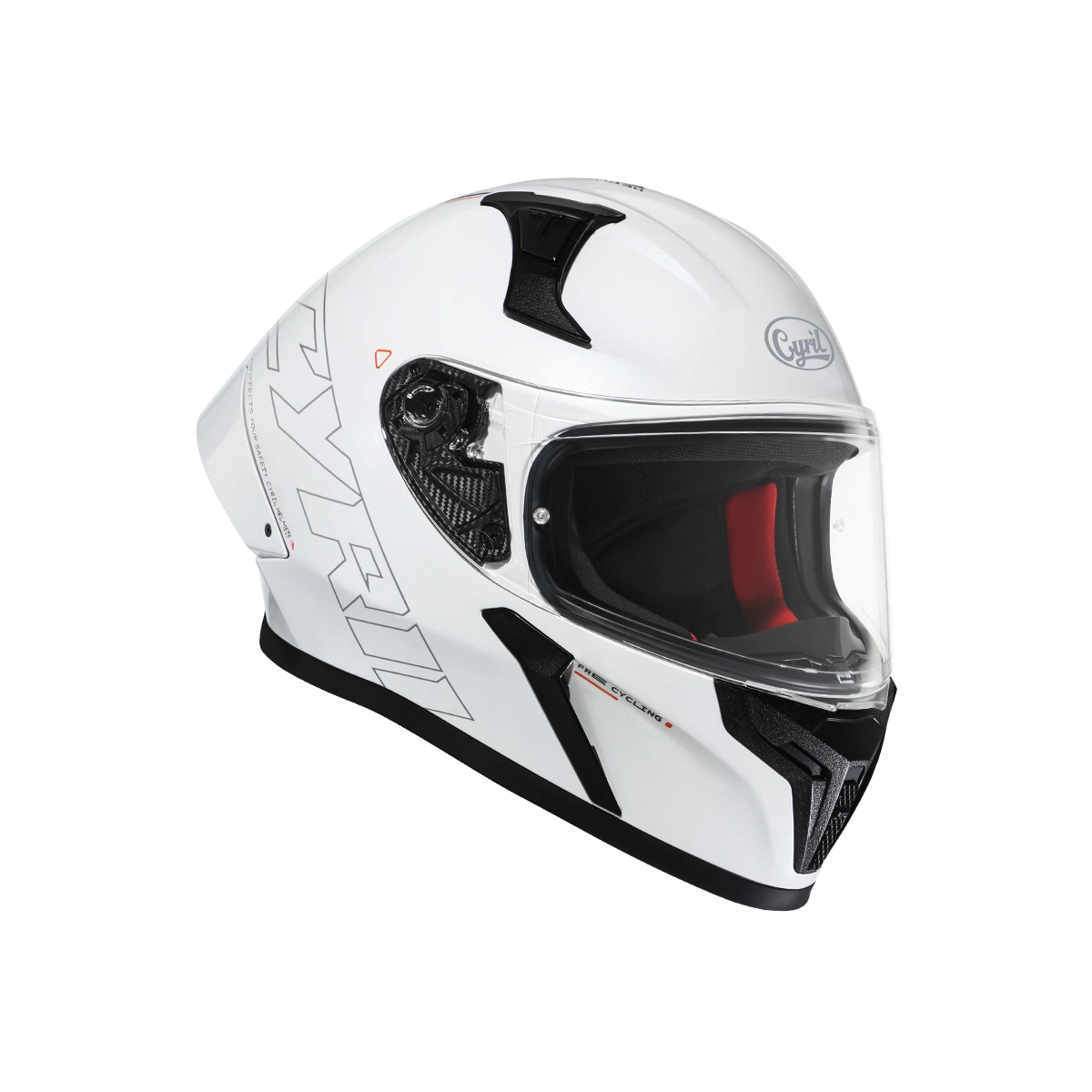
A Full Face Option to Check Against Your Buying Criteria
The Mad Shark Full Face Helmet is a relevant example for riders comparing full face options with active ventilation, a clear visor, removable washable liner, ABS shell construction, multi-layer EPS, and DOT / ECE information listed on the product page. Timing advice here means checking the current listing yourself, because prices and stock change.
View current Mad Shark Full Face Helmet detailsCommon Questions About Buying a Helmet at the Right Time
What is the best month to buy a motorcycle helmet?
There is no fixed best month for every market. Off-season and model-clearance windows commonly bring lower prices, but stock and size availability shrink at the same time.
Are helmets cheaper in winter?
In regions with strong riding seasons, winter clearance is common, but popular sizes and colors can sell out early.
Should I wait for a sale to buy my first helmet?
No. A fitting helmet now is more valuable than a discounted helmet later, especially for new riders.
Is it smart to buy last year's model?
It can be, if the update is cosmetic and the old model fits. Verify what changed before using the lower price as the reason.
Do helmet prices go up in spring?
Demand rises in spring, and full-price listings are more common, but individual models and stores can vary.
How do I know a helmet deal is real?
Compare the sale price against the official product page, check the model and size, and confirm the seller is the brand or an authorized store.
Should I replace a damaged helmet only when it is on sale?
No. A damaged or non-fitting helmet should be replaced immediately; timing should not override safety reasons.
Does waiting for sales risk losing my size?
Yes. Clearance stock thins out, so popular sizes can disappear before the best prices appear.
Final Notes
The best time to buy a motorcycle helmet is when the helmet itself is right: it fits, it matches how you ride, and the price reflects what the product delivers. Use the seasonal rhythm to time that purchase well, and never let a sale date replace a fit check.