
Motorcycle Helmet vs Bicycle Helmet: Which Do You Need for E-Bikes and Scooters?

Motorcycle Helmet vs Bicycle Helmet: Which Do You Need for E-Bikes and Scooters?
The honest answer depends on speed and where you ride. Motorcycle helmets are certified under DOT FMVSS 218 or ECE standards for road-speed riding, while bicycle helmets meet the CPSC standard for bicycle riding. For e-bikes and scooters that reach road speeds, a motorcycle helmet is the choice most safety guidance and riders land on; for low-speed bicycle paths, a bicycle helmet can be a reasonable fit.
Match the helmet to the speed and road environment, not the vehicle label. Motorcycle helmets are tested to DOT FMVSS 218 or ECE for road use; bicycle helmets meet CPSC for bicycle riding. If your e-bike or scooter rides with traffic at road speeds, choose a motorcycle helmet and confirm the certification label.
This guide uses NHTSA's motorcycle helmet guidance for the DOT / FMVSS 218 context and CPSC's bicycle helmet FAQ for the bicycle standard. Local helmet laws vary and should be checked against current official sources before riding.
Two Helmets, Two Different Standards
A motorcycle helmet sold in the U.S. is supposed to meet the Department of Transportation's Federal Motor Vehicle Safety Standard 218, marked with a DOT symbol on the back. NHTSA describes that symbol as the manufacturer's certification that the helmet meets the DOT standard. Many full-face models also list ECE certification for other markets.
A bicycle helmet sold in the U.S. must meet CPSC's bicycle helmet standard, which sets performance requirements for falls and crashes at bicycle riding speeds. The two standards test different conditions, so calling one "safer" without the riding context is not useful. The useful question is which standard matches how and where you actually ride.
What E-Bike and Scooter Speeds Change
A 15 mph bicycle path and a 30 mph city street are different crash environments. Impact forces grow with speed, and road traffic brings hazards that bicycle paths do not. E-bikes and scooters blur the old line: some models ride exactly like bicycles, and others match moped speeds.
That is why the vehicle type matters less than the speed and the road. If your scooter keeps pace with cars and you share lanes with trucks and door zones, a helmet designed for motorcycle road use is the more consistent match. If you stay on separated paths at bicycle speeds, a CPSC bicycle helmet fits the environment.
Representative Rider Scenario: Two Riders, Two Different Answers. Ava rides a 20 mph scooter to work through downtown traffic and chose a full-face motorcycle helmet for the road exposure. Her neighbor Ben rides a low-speed e-bike on a separated river path and stays with a CPSC bicycle helmet. Both choices match the speed and environment they actually ride in.
Coverage and Chin Protection
Motorcycle full-face helmets cover the whole head and add a chin bar; many bicycle helmets are open at the face and lighter. For road-speed riding, the chin bar is the practical difference riders feel first: it protects the lower face and keeps wind, rain, and insects away, at the cost of weight and heat.
Bicycle helmets are not automatically worse because they are lighter. CPSC's standard includes a peripheral vision requirement, and a well-ventilated bicycle helmet can be the right tool on a hot, slow ride. The mistake is choosing purely by weight when your ride has moved to road speeds.
Weight, Heat, and Short Trips
Motorcycle helmets weigh more and feel warmer, especially in summer and on short trips where you barely get moving. That is a real tradeoff, and it pushes some scooter riders toward open or half-style helmets. If you go that route, keep the motorcycle certification as the baseline rather than dropping to an unrated shell.
For a 10-minute scooter run in 35°C heat, a full-face motorcycle helmet can feel like a lot. For the same run on a busy road, the coverage can feel like exactly what you want. Know which tradeoff you are making before you buy.
Check the Local Rule for Your Vehicle
Helmet laws are set by state and sometimes by city, and they may treat e-bikes, scooters, and mopeds differently. Some places require motorcycle helmets for anything that exceeds a certain speed; others require bicycle helmets for low-speed electric bikes. Check the current official rules for your area before choosing, because the legal answer and the practical answer can point in different directions.
What to Check on the Helmet Before You Trust It
- Look for the DOT symbol on the outside back of a motorcycle helmet, which NHTSA describes as the manufacturer's certification that it meets FMVSS 218.
- Check the product page or inside label for ECE information if you ride outside the U.S. or the helmet is marketed for other markets.
- For bicycle helmets, confirm a CPSC compliance label that states the helmet meets the standard.
- Fit-test the helmet in your normal riding posture; certification means nothing if it shifts on your head.
- Keep the original label or a product-page screenshot so you can verify the claim later.
Labels matter because unrated shells and novelty helmets exist in every category. A helmet that looks like a motorcycle helmet but has no DOT symbol and a thin liner is not a safer choice just because it is heavier. The label, the liner, and the fit together tell the real story.
A Simple Decision Table
| How You Ride | Environment | Practical Choice |
|---|---|---|
| Slow e-bike on separated paths | Bicycle speeds, low traffic | CPSC bicycle helmet |
| Scooter with traffic at road speeds | Cars, intersections, door zones | DOT / ECE motorcycle helmet |
| Mixed commute with fast sections | Both paths and roads | Motorcycle helmet, often full face |
| Hot short trips on quiet streets | Low speed, low traffic | Check local law, then certified option that fits the speed |
How This Applies When Choosing
Once you decide a motorcycle helmet fits your e-bike or scooter use, the buying questions are the same as for any rider: certified shell, correct fit, clear vision, and weight you can live with every day.
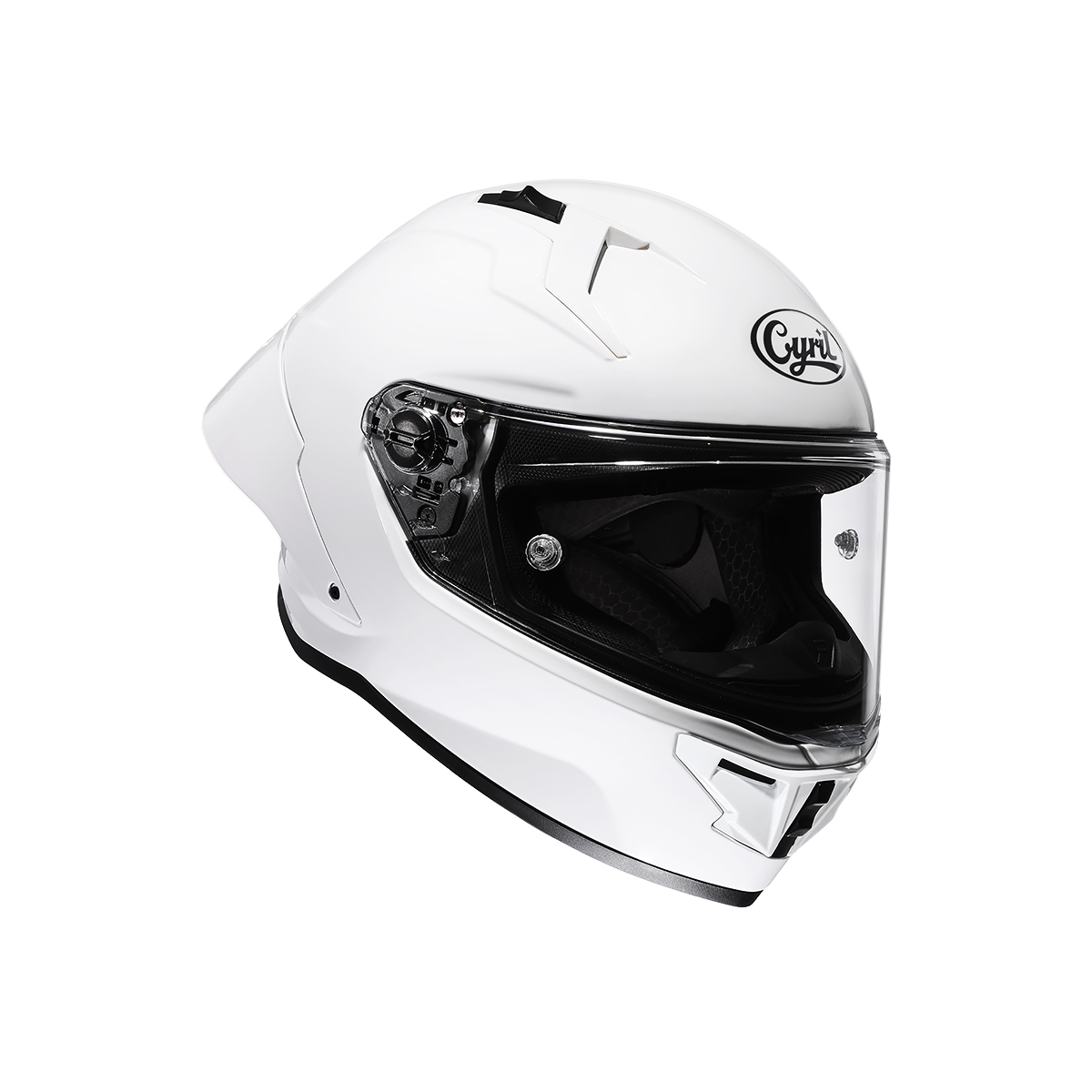
A Full Face Option for Road-Speed Riding
The R1-PRO page lists a full-face design, a removable washable liner, and DOT / ECE information. For scooter and e-bike riders who choose a motorcycle helmet, those are the basics to verify: certification listed on the product page, full-face coverage, and fit.
View current R1-PRO Full Face Helmet detailsCommon Questions About Helmet Types for E-Bikes and Scooters
Can I use a bicycle helmet on an electric scooter?
At bicycle speeds on paths, a CPSC bicycle helmet can be a reasonable fit. At road speeds with traffic, a motorcycle helmet is the more consistent choice.
Can I use a motorcycle helmet on a bicycle?
Yes, though it is heavier and warmer. If your rides are slow and hot, the weight can feel unnecessary, but it is a certified option.
Which is safer: motorcycle helmet or bicycle helmet?
They are tested for different conditions. Motorcycle helmets are designed for road-speed riding under DOT FMVSS 218 or ECE; bicycle helmets meet CPSC for bicycle riding.
Do e-bikes require motorcycle helmets?
It depends on local law and how the e-bike is classified. Check the official rules for your state or city.
Why are motorcycle helmets heavier than bicycle helmets?
They add shell material, impact liner, and often a chin bar and visor for road-speed protection and coverage.
Are bicycle helmets cooler for short trips?
Usually yes, because they are lighter and more ventilated. That is a real comfort tradeoff, not a reason to ignore road speed.
Do I need a full face helmet for an e-bike?
Not always, but riders who share roads at speed often prefer the chin bar and face coverage of a full-face motorcycle helmet.
How do I know if a helmet meets DOT or CPSC?
Motorcycle helmets carry a DOT symbol on the back or list DOT / ECE on the product page; bicycle helmets carry a CPSC compliance label.
Final Notes
Decide by speed and road, then verify the certification. If your scooter or e-bike rides with traffic, treat it like a road vehicle and choose a motorcycle helmet with DOT or ECE listed; if you never leave bicycle paths, a CPSC bicycle helmet fits the environment.