
Why Does My Helmet Chin Bar Feel Too Close?

Why Does My Helmet Chin Bar Feel Too Close?
A close chin bar is not automatically a failed fit, but actual face contact is different from normal enclosed feel. Check whether the helmet is sitting low, rotating forward, crowded by accessories, or simply wrong for your face length before you ride in it.
A chin bar feels too close when the helmet sits low, rotates forward, lacks front-to-back room, or shares space with a microphone, scarf, breath guard, or thick layer. Mild enclosed feel can be normal. Chin, lip, or nose contact during normal movement is not something to solve by riding longer or reshaping the helmet.
This guide was built from publicly available helmet fit guidance, including NHTSA motorcycle helmet fit guidance, plus official Cyril product information. Before publication, it was checked for source-backed fit claims, verified product details, practical rider relevance, and no invented product weight, price, stock, size range, certification number, or safety promise.
The Short Answer
A chin bar feels too close when the helmet sits low, rotates forward, has limited front-to-back space, or does not match your face shape. This is not the same as cheek-pad snugness. The issue is clearance around the mouth, nose, and chin area.
Check whether the chin bar only feels close, actually touches your face, or moves closer after you look down or ride. That difference decides whether the problem is perception, helmet position, forward slide, or a real shell-shape mismatch.
Rider Persona: Ryan - Chin Bar Clearance Check. This composite support scenario follows a commuter whose chin bar feels close at home and closer after braking. Side photos show the helmet sitting slightly low and rotating forward. That makes position and stability the first checks before assuming the model is unusable.
Why This Problem Happens
Chin-bar clearance depends on helmet position, face length, shell shape, cheek-pad support, and whether the helmet rotates forward. A helmet can fit around the head but still feel wrong in front if the chin bar is too close for your face or posture.
The NHTSA helmet guidance emphasizes secure fit and correct positioning. For chin-bar complaints, position matters because a helmet that drops forward can turn acceptable clearance into face contact.
| Possible Cause | What It Feels Like | Best First Check |
|---|---|---|
| Position | Helmet sits too high, too low, or tilted | Reset the helmet level and fasten the strap before judging fit |
| Size | The helmet is too tight or too loose overall | Repeat the head measurement and compare it with the product size chart |
| Shape | Pressure appears in one clear zone while another zone feels loose | Compare round, intermediate oval, and longer oval head-shape signs |
| Liner | A seam, pad edge, washed liner, or replaced padding creates a hard point | Remove only removable parts as instructed and inspect for uneven placement |
| Riding setup | Collar, glasses, earplugs, speakers, or posture changes the contact point | Repeat the fit test with the exact gear you use while riding |
What to Check First
Start by checking clearance without riding. Put the helmet on level, fasten the strap, and relax your jaw. Then speak, breathe normally, look down, and gently press the front of the helmet toward your face. The chin bar should not force contact during normal movement.
- Check whether your chin, lips, nose, or microphone area touches the chin bar.
- Look down and return to neutral; note whether the chin bar stays closer afterward.
- Check whether the helmet sits too low over your eyes at the same time.
- Test with any microphone, breath guard, or balaclava removed first.
- Send support side photos if front-to-back space feels wrong.
Rider Persona: Maya - Microphone Interference. This composite rider thinks the chin bar is too close, but the issue appears only after adding a boom microphone. Removing the microphone restores clearance, so the first fix is accessory placement, not a new helmet size.
Normal Fit or Warning Sign?
Normal full-face helmets can feel enclosed. A warning sign is actual contact, blocked mouth movement, repeated nose or chin touching, or a chin bar that moves closer as the helmet slides forward.
A useful distinction is whether the helmet feels close in every position or only after movement. Close-but-clear at rest can be a normal full-face sensation. Close-after-looking-down often points to helmet rotation, rear seating, or strap setup. Contact in both positions points more strongly to shell shape or front clearance.
Close but Clear
The chin bar feels nearby but does not touch during talking, breathing, or normal head movement.
Accessory Contact
A microphone, breath guard, scarf, or balaclava reduces space and needs separate testing.
Face Contact
The chin bar touches your mouth, chin, or nose, especially after the helmet rotates forward.
A Practical Test Routine
Use a clearance test before installing accessories or riding outside.
- Measure the starting feel with the helmet level and strap fastened.
- Talk, breathe, and open your mouth slightly; note any contact.
- Look down and repeat the clearance check after the helmet settles.
- Repeat only after that with microphone, scarf, or breath guard in place.
- Do not cut foam or bend the chin bar to create clearance.
The biggest mistake is testing with every accessory installed first. A microphone, winter layer, breath guard, or thick scarf can make a good helmet feel crowded. Establish the plain-helmet clearance first, then add one item at a time so support can see whether the issue is helmet shape or accessory placement.
How to Avoid the Same Problem Next Time
If the chin bar is close because the helmet slides forward, solve stability first. If it is close even when the helmet is level and stable, you may need a different model shape rather than a different size.
When you contact support, include whether your chin, lips, nose, or accessory touches the helmet, and whether the contact changes after looking down.
Do not treat a bigger size as the automatic fix. More front space can come with more crown movement, which may make the chin bar move closer again during braking or head checks. The cleaner question is whether the shell shape gives stable clearance when the helmet is correctly seated.
If you take photos for support, include a relaxed side view, a front view, and a second side view after looking down and returning to neutral. That sequence helps show whether the chin bar is too close from the start or moves closer because the helmet rotates.
Rider Persona: Lena - Return Window Decision. This composite rider can avoid contact only by holding her jaw tense. That is not a sustainable fit solution. She documents the clearance issue before riding and asks whether exchange is cleaner than adapting her posture.
If the close feeling disappears after removing accessories or leveling the helmet, keep testing with your real setup. If the chin bar still contacts your face during normal jaw movement, support or exchange is cleaner than changing posture or modifying the helmet.
How to Apply This When Choosing
For chin-bar clearance, choose around full-face shape, stable seating, accessory space, and how the helmet feels when closed and fastened.
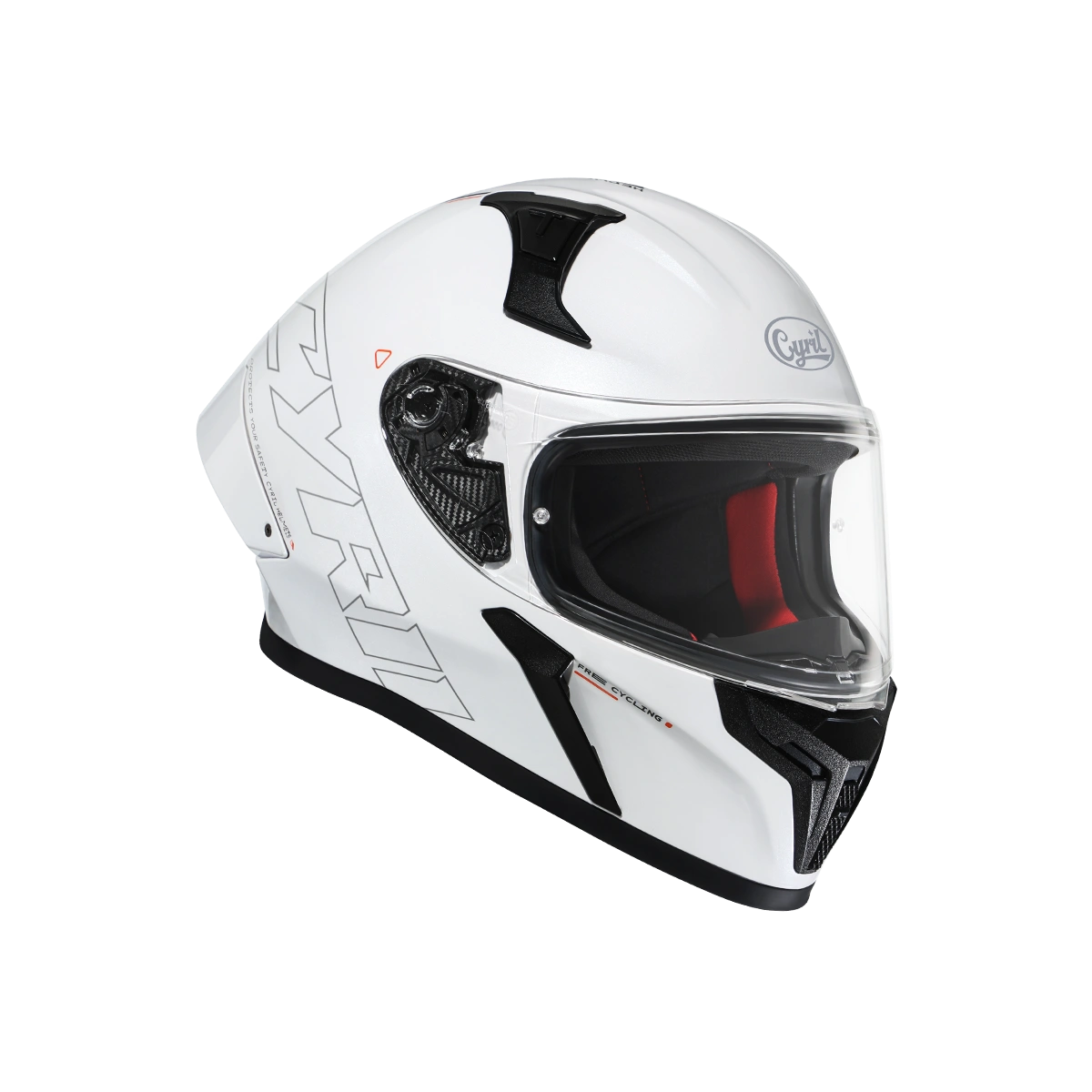
Best for Full-Face Clearance Checks
The Mad Shark is a full-face helmet with DOT / FMVSS 218 information, an ABS shell, multi-layer EPS, active ventilation, a clear visor view, and a removable washable liner. Riders comparing chin-bar feel should test it level, strapped, and without extra microphone or scarf bulk first.
View Mad Shark
Best for Stable Sport-Profile Testing
The R1-PRO is a full-face helmet with DOT / FMVSS 218 and ECE 22.06 information, a sport-inspired profile, magnetic visor release, ventilation, a removable washable liner, and a stable full-face shell profile. It fits riders who want to evaluate whether a full-face helmet stays positioned without the chin bar creeping closer.
View R1-PRO
Best for Riders Comparing Modular Space
The THUNDER is a dual visor modular helmet with flip-up convenience, a clear outer shield, an inner sun visor, wide-view comfort, a removable washable liner, and DOT / FMVSS 218 and ECE 22.06 information. Its modular design may feel convenient at stops, but chin-bar clearance must still be checked with the helmet closed and fastened.
View THUNDERCommon Questions About Why Does My Helmet Chin Bar Feel Too Close
Should the chin bar touch my chin?
No. It may feel close, but normal talking, breathing, and head movement should not force your chin or lips into the chin bar.
Can a microphone cause the close feeling?
Yes. A boom microphone, breath guard, scarf, or balaclava can reduce space. Test the helmet without accessories first.
Does sizing up fix chin-bar clearance?
Not always. A bigger size may create movement. If clearance is a shell-shape issue, a different model shape may be better than a larger size.
Why does it feel closer when I look down?
The helmet may be rotating forward. Check rear seating, strap angle, and whether the brow line also drops after movement.
Can I modify the chin bar?
No. Do not cut, heat, bend, or reshape helmet structure or padding to create space. Ask support about fit options instead.
What photos help support?
Send side and front photos with the helmet level and strapped, plus a note about whether contact happens at rest, after looking down, or with accessories.
Is close chin-bar feel normal in full-face helmets?
A close enclosed feeling can be normal. Actual contact, restricted mouth movement, or repeated face pressure is not something to ignore.
When should I exchange or return it?
If the chin bar touches your face after correct positioning and accessory-free testing, exchange or return is cleaner than adapting your posture.
Final Notes
A close chin bar needs a clearance check, not a guess. Separate normal enclosed feel from actual face contact, accessory interference, and forward helmet rotation. If correct positioning does not create comfortable clearance, ask support before riding or modifying anything.