
Can I Wash My Motorcycle Helmet Liner in a Washing Machine?

Can I Wash My Motorcycle Helmet Liner in a Washing Machine?
Yes, but only if the liner and cheek pads are removable and the helmet maker allows it. Use a gentle cycle with a mild detergent, keep the water cool, and air dry the pads away from heat. A fixed liner or the helmet itself should never go in the machine.
Removable liners can be machine washed on a delicate, cool cycle with mild detergent, then air dried away from heat. Check the helmet's instructions first. Never machine wash a fixed liner, the EPS shell, or the chin strap assembly.
This guide follows the washing guidance published by helmet maker Airoh: removable interiors can be machine washed with a delicate detergent at 30°C or below, then dried in a ventilated area away from direct heat. Product details come from the official Mad Shark FF357 page.
First Question: Is the Liner Actually Removable?
Not every helmet has a removable liner. If yours is fixed in place, the washing machine is out, and the safe option is spot cleaning the fabric with a damp cloth and mild soap while it stays in the helmet. Forcing water into a fixed liner leaves foam and EPS damp for days, and that is how smells and mildew start.
If the liner is removable, check the model's manual or the official product page for washing instructions before the first wash. Some makers allow machine washing; some recommend hand washing only. The manufacturer's instruction wins over any general guide.
How to Machine Wash a Removable Liner
- Remove the liner and cheek pads carefully, following the helmet's reinstallation order.
- Close hook-and-loop straps and put the pieces in a mesh laundry bag so they do not snag.
- Use a delicate or hand-wash cycle with cool water, no warmer than 30°C.
- Use a mild detergent for delicates. Skip bleach, fabric softener, and stain removers.
- Let the cycle finish, then reshape each pad gently while it is still damp.
Airoh's guidance is a good baseline: delicate detergent, 30°C maximum, and no direct heat when drying. Some liners survive hotter cycles, but cool water is easier on the foam, the fabric, and the adhesive that holds layers together.
Drying Is Where Most Mistakes Happen
Do not put helmet pads in the dryer. Tumbling, heat, and the dryer drum can crush the foam and warp the shape. Airoh recommends drying in a dry, ventilated area until the padding is completely free of moisture, away from radiators, stoves, and hair dryers.
Lay the pads flat on a clean towel, reshape them, and give them a full day. If you are in a hurry, a fan helps, but direct heat does not. A pad that looks dry on the outside can still hold water in the foam core, so test with your fingers before reinstalling.
Representative Rider Scenario: Omar - The Overnight Dryer Experiment. Omar washed his liner on a Sunday and put the cheek pads in the dryer to save time. The foam came out lumpy and the pads no longer sat flush against his cheeks. He replaced the pads and now air dries everything for at least a day.
What Never Goes in the Machine
The helmet shell, the EPS liner, and the chin strap assembly stay out of the washing machine. Machine washing the shell can push water into vents and EPS, and the tumbling can stress the strap webbing and buckles. Clean those parts with a damp cloth and mild soap instead.
If you are not sure whether a piece is washable, treat it as not washable. A damp cloth and a little patience will not damage anything; a spin cycle can.
| Part | Machine Wash | Safe Routine |
|---|---|---|
| Removable liner and cheek pads | Only if the maker allows | Delicate cool cycle in a mesh bag |
| Fixed (non-removable) liner | Never | Spot clean with damp cloth and mild soap |
| Helmet shell | Never | Hand wipe with water and mild soap |
| EPS liner and chin strap assembly | Never | Damp cloth only; do not soak |
When Washing Will Not Fix the Problem
A wash removes sweat, salt, and surface odor. It will not restore foam that has flattened, remove mold that has grown deep inside the padding, or fix a liner that has lost its shape. If the pads look compressed, smell musty after a full dry, or no longer hold the helmet snugly, replacement pads are the answer rather than another wash.
Daily riders hit this faster than weekend riders. A liner that is washed every week can also wear out sooner, so the real routine is a balance: remove sweat with a quick wipe or a sweat cap on short rides, and reserve the full wash for when the liner actually smells or feels dirty.
Representative Rider Scenario: June - The Daily Commute Test. June commutes in summer heat and washed her liner every Sunday for two months. By August the cheek pads felt thin and the helmet moved when she shook her head. She replaced the pads and now wipes the liner after hot rides, washing it only every few weeks.
Hand Washing When You Want to Be Extra Careful
If your helmet maker only allows hand washing, or you own a liner you do not want to risk, the hand method is simple. Airoh's suggestion is a microfiber cloth with water and a little baking soda, wiped across the padding several times. That lifts sweat and odor without soaking the foam.
Work section by section, rinse the cloth often, and avoid saturating the pads. When you finish, press the padding gently with a dry towel to pull out surface moisture, reshape it, and let it air dry flat for a full day before reinstalling.
How This Applies When Choosing
If you sweat or ride daily, a removable, washable liner is one of the most useful features you can check before buying. It determines whether your cleaning routine is a ten-minute job or a careful spot-clean project.
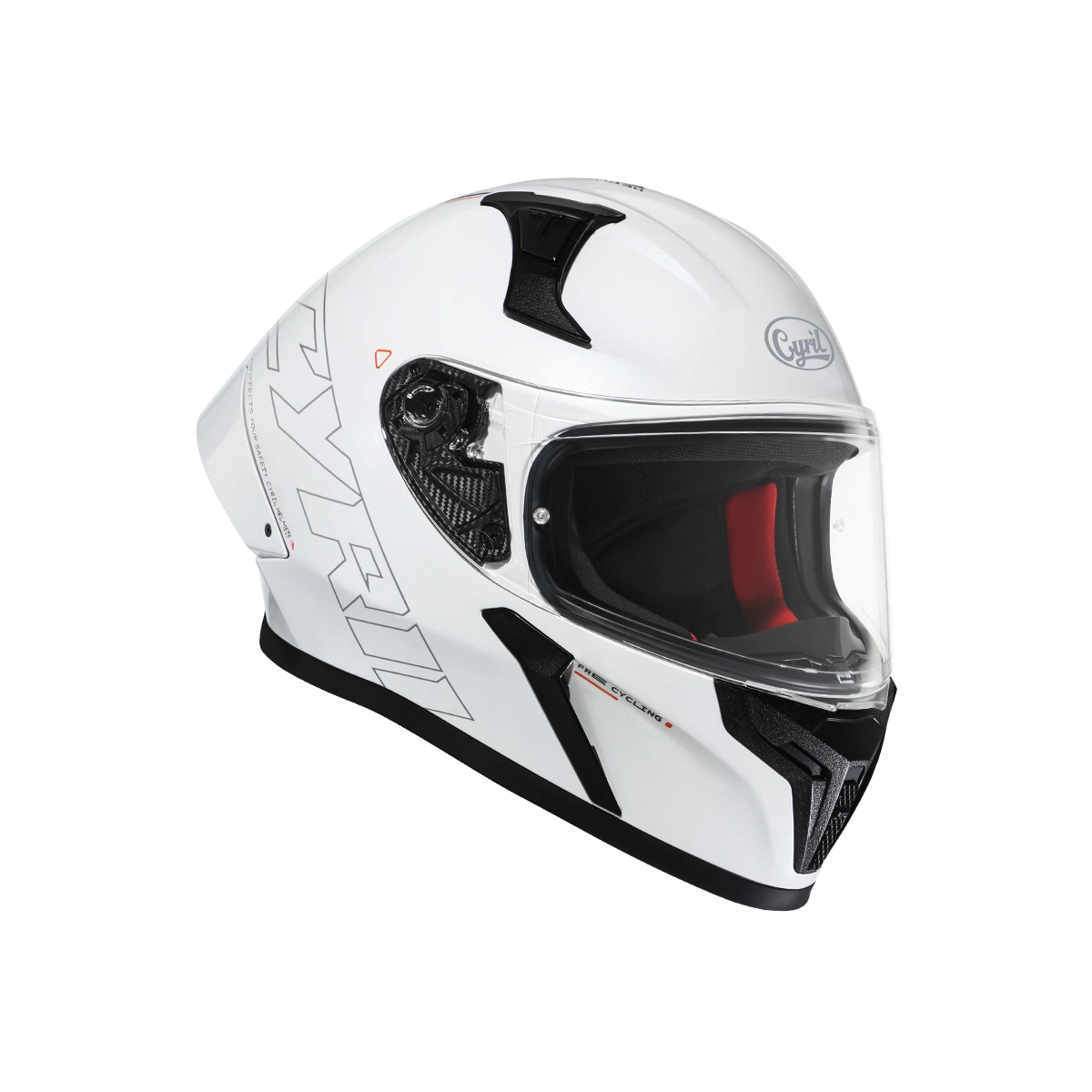
A Removable, Washable Liner
The Mad Shark FF357 page lists a removable, washable liner. That means the machine-wash routine above is practical for this helmet, but you should still follow the liner care notes on the current product page for your specific wash cycle.
View current Mad Shark FF357 detailsCommon Questions About Washing Helmet Liners
Can I put my motorcycle helmet liner in the washing machine?
Yes, if the liner is removable and the maker allows machine washing. Use a delicate cool cycle with mild detergent.
What temperature should I use?
Cool water, no warmer than 30°C, is the commonly recommended ceiling for removable helmet liners.
Can I wash the whole helmet in the washing machine?
No. The shell, EPS liner, and chin strap assembly should be cleaned by hand with a damp cloth and mild soap.
Can I put the liner in the dryer?
No. Heat and tumbling can crush the foam and warp the pads. Air dry them flat in a ventilated area.
What detergent should I use?
A mild detergent for delicates. Avoid bleach, fabric softener, and heavy stain removers.
Will machine washing ruin my cheek pads?
It can if the cycle is hot or aggressive. A delicate cool cycle with a mesh bag is far less risky, and air drying protects the foam shape.
How often should I wash the liner?
Daily riders often wash every few weeks or whenever the liner smells after drying. Washing more often than that can wear the fabric.
My liner smells after washing, why?
It probably did not dry completely, or odor has soaked deep into the foam. Dry it fully, and if the smell returns, consider replacing the pads.
Final Notes
Read the helmet's care instructions first, machine wash only what is removable on a cool delicate cycle, and give the pads a full air-dry day. If the liner still smells or feels flat afterward, replace it instead of washing it again.