
Can You Paint a Motorcycle Helmet Without Damaging the Shell?

Can You Paint a Motorcycle Helmet Without Damaging the Shell?
Painting a helmet is a risk you cannot see: solvents can attack the shell and coatings, sanding can thin the structure, and modifying the shell can invalidate certification and warranty. If you want a different look, stickers or a helmet that already has the finish you want are the safer paths.
Do not paint a certified helmet without checking the manufacturer first. Paint solvents and shell work can compromise materials and certification. Stickers and vinyl are lower risk, and a helmet sold with the finish you want avoids the problem entirely.
This guide references NHTSA's motorcycle helmet guidance for what the DOT symbol means, and ACU's helmet modification rule, which states that modifying a helmet structure invalidates approval. Manufacturer-specific paint rules should be confirmed with each helmet maker.
Why Paint Is a Bigger Deal Than It Looks
Helmet shells are built as one working system: shell, impact liner, and retention. Paint introduces solvents that can soften or attack the shell material, and the prep work usually involves sanding, which removes material and changes how the shell behaves. A paint job that looks perfect can leave invisible damage you will never see from the outside.
That is why motorsport bodies take a hard line. ACU's technical rule is blunt: any modification to a helmet structure, including cutting, drilling, or puncturing the shell after it left the manufacturer, invalidates approval. Helmet makers commonly apply similar logic to warranty and certification when paint or solvents touch the shell.
What the Certification Label Actually Means
The DOT symbol on a helmet sold in the U.S. is the manufacturer's certification that the helmet meets FMVSS 218, NHTSA explains. That certification is tied to the helmet as it left the factory. Once you modify the shell, you are asking the helmet to do a job it is no longer certified to do, and you have no way to verify how the modification changed it.
Covering or removing labels makes the problem worse. If you cannot show the certification marking because paint went over it, the helmet no longer carries the evidence it meets the standard.
Stickers and Vinyl Are the Safer Custom Route
Vinyl stickers and wraps sit on the surface and generally do not change the shell material. They still need judgment: do not cover vents, hinges, certification labels, or the visor seal, and avoid adhesives that require solvents to remove later. A decal kit designed for helmets is a different category from rattle-can paint.
If the look matters enough to repaint, the honest question is whether the helmet is worth more than its certification. Most of the time the answer is no.
| Garage Step | What It Does to the Helmet |
|---|---|
| Sandpaper prep | Removes shell material and can thin a structural layer |
| Solvent-based paint | Can soften or attack the shell and existing coatings |
| Drilling for mounts | Creates stress points and voids certification |
| Covering labels | Removes the visible evidence the helmet meets a standard |
If You Are Determined to Paint
- Contact the helmet maker first and ask whether painting is allowed for that model and what it does to warranty and certification.
- Use only the materials and method the maker or a qualified professional approves.
- Do not sand through the shell, drill holes, remove trim, or disassemble impact parts.
- Keep all certification labels visible and undamaged.
- Treat the helmet as unverified until a professional confirms the shell integrity and finish.
A professional helmet painter who works with the maker's guidance is a different situation from a garage project. Even then, you are relying on the painter's process rather than the factory certification, so the burden of proof is on that process.
Ask the painter three questions before booking: have they worked with your shell material, do they know the maker's paint policy for that model, and will they keep certification labels intact? A painter who says "no problem" without knowing the shell type has not done this before.
Representative Rider Scenario: Kai - The Garage Custom. Kai spray-painted his old helmet to match his bike and drilled two holes for a speaker mount at the same time. The helmet looked sharp for a month. When a friend pointed out what drilling does to a shell, Kai retired the helmet and bought a new one in the color he actually wanted.
How This Applies When Choosing
The simplest way to get a look you like is to choose a helmet that already has it. When you are deciding, compare the factory finish and styling before you think about modifying anything.
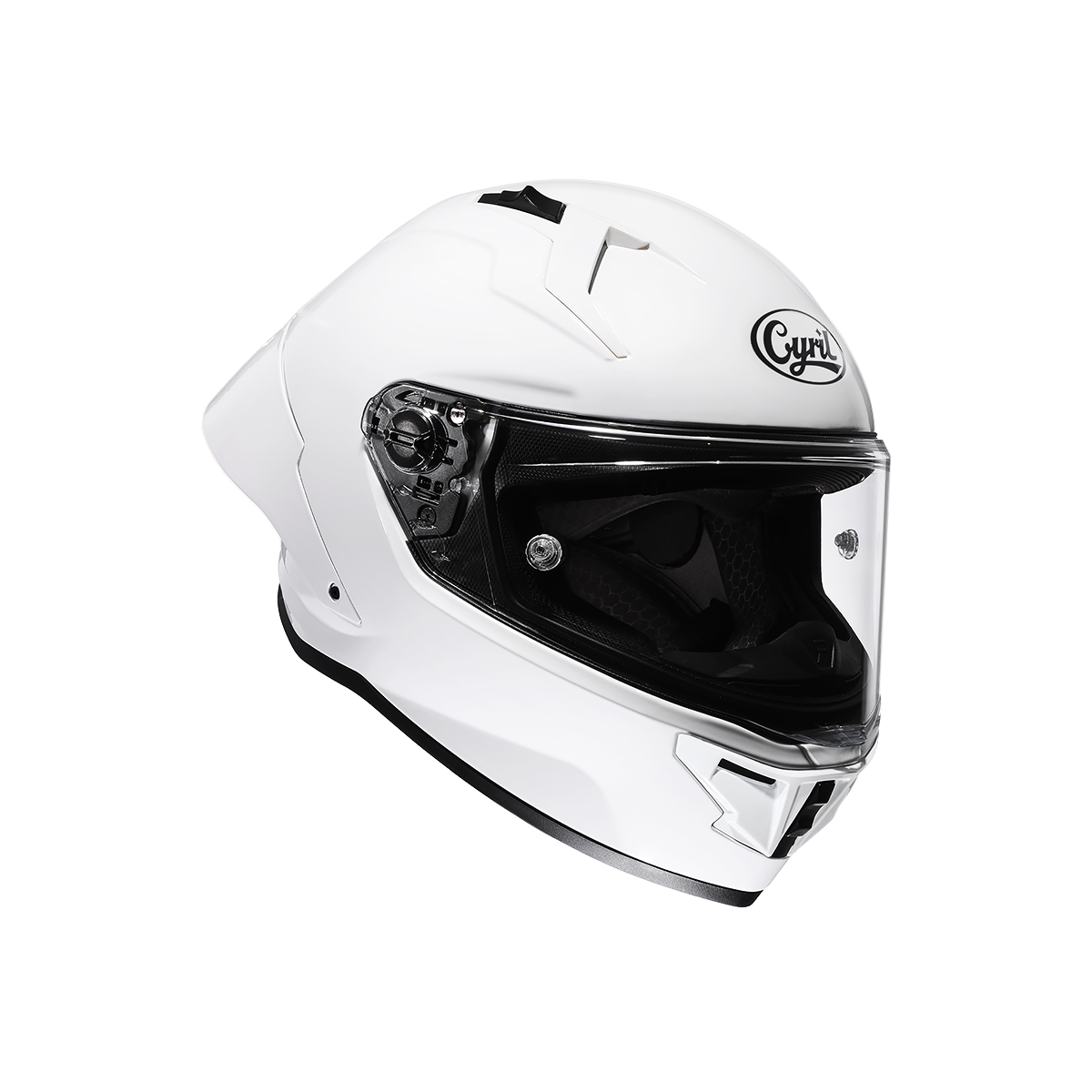
Factory Styling Beats Garage Paint
The R1-PRO page lists a sport-inspired profile and aerodynamic shell shape. If that look is what you want, the factory version avoids the certification and material risks of a DIY repaint.
View current R1-PRO Full Face Helmet detailsCommon Questions About Painting Motorcycle Helmets
Can I spray paint my motorcycle helmet?
Not without checking the maker first. Paint solvents and prep can damage the shell and invalidate certification and warranty.
Does painting a helmet void the warranty?
Most manufacturers treat shell modification, including paint, as voiding warranty and certification. Confirm with the specific maker.
Can paint damage a helmet shell?
Yes. Solvents can attack shell materials, and sanding removes material, changing how the shell performs.
Are stickers safer than paint?
Vinyl stickers and decals are generally lower risk because they do not change the shell, but avoid vents, labels, and the visor seal.
Can I sand a helmet before painting?
Sanding removes shell material and is part of what makes DIY painting risky. It can invalidate certification.
Can I paint over a DOT sticker?
No. The DOT symbol is the visible certification evidence and should stay readable and undamaged.
How do I know if my helmet can be painted?
Ask the manufacturer for that model. If they do not approve it, treat the helmet as not paintable.
Should I just buy a helmet in the color I want?
Usually yes. Factory finishes keep certification intact and avoid the cost and risk of a repaint.
Final Notes
Ask the maker before any paint touches the shell, keep labels visible, and prefer stickers or a factory finish. A helmet you cannot prove is still certified is a helmet you cannot fully trust.