
How Do I Remove Bugs From My Helmet Shell Without Scratching It?

How Do I Remove Bugs From My Helmet Shell Without Scratching It?
The rule is soften before you wipe. Wet the splatter, let it sit for a minute, then clean with neutral soap and a soft microfiber cloth. Dry wiping turns dried bugs into sandpaper and leaves scratches that stay for the helmet's lifetime.
Soften bug splatter with water, clean with neutral soap and a soft cloth, and dry with a clean microfiber cloth. Avoid dry wiping, rough cloths, and solvent-heavy cleaners that can damage the shell finish.
This guide follows the care guidance in Airoh's helmet FAQ: neutral soap on a damp non-abrasive cloth, drying with a soft microfiber cloth, and avoiding abrasive materials. Product details come from the official R1-PRO page.
Soften the Bug Before You Touch It
A dried bug is a hard, gritty shell stuck to the helmet. The moment you wipe it with a dry cloth, that grit moves across the finish like fine sandpaper. Water changes the game: a damp cloth or a few drops of water softens the splatter in about a minute, and then it comes off without force.
For heavy splatter, lay a wet microfiber cloth over the area and let it sit for a minute or two. Patience here saves the finish.
If the bug is dry and hard, do not touch it with anything until it has been wet for at least a minute.
The Cleaning Sequence That Protects the Shell
- Rinse the shell with clean water to wash away loose grit.
- Place a wet microfiber cloth over dried splatter and wait one to two minutes.
- Wipe gently with neutral soap on a soft, non-abrasive cloth.
- Rinse the cloth often so the bug residue does not drag across the shell.
- Dry with a clean, dry microfiber cloth.
Work in small circles and change the cloth section as it picks up residue. The dirt you lift off one area should not become the grit that scratches the next area.
Representative Rider Scenario: Miles - The 400-Mile Grill. Miles rode home after a long evening trip with dozens of bugs baked onto the shell and visor. At the gas station he nearly used a paper towel and a credit card. Instead he wet a cloth, waited two minutes, and wiped the splatter off with soap and water. The helmet looked clean with zero new scratches.
Stubborn Residue and the Products to Avoid
If residue stays after the first pass, repeat the wet-wait-wipe cycle instead of pressing harder. Bug and tar removers made for automotive paint can work on some shells, but they are not all safe for helmet finishes and coatings, so test on a hidden area and follow the helmet maker's care guidance.
Avoid nail polish remover, brake cleaner, alcohol-heavy sprays, and scrub pads. They can dull or soften the shell finish and, in some cases, attack the shell itself. A helmet that looks clean but has a chemically damaged finish is not a good trade.
| Cleaner | Why to Avoid |
|---|---|
| Nail polish remover | Strong solvent that can soften shell coatings |
| Brake cleaner | Aggressive chemicals, not made for helmet finishes |
| Alcohol-heavy sprays | Can dull finishes and damage visor coatings |
| Scrub pads and paper towels | Abrasive texture scratches shell and visor |
The Visor Needs the Same Patience
Bug splatter on the visor is worse, because any scratch sits directly in your line of sight. Use the same soften-and-wipe routine, or remove the visor and clean it flat. Never scrape with a fingernail or a plastic card, even though it is tempting at a gas station.
If you are riding and a bug hits the visor, wait for a safe stop. Cleaning a visor while moving is how both scratches and crashes happen.
Prevention is cheaper than cleanup. A quick rinse of the shell and visor after every ride with splatter keeps bugs from baking on, and parking with the helmet out of direct sun gives fresh splatter less time to etch the finish. Five minutes at the end of the ride saves twenty minutes of careful cleaning later.
How This Applies When Choosing
Every helmet shell gets hit by bugs eventually, so finish care matters more than the color of the moment. Choose a helmet you can clean with basic materials, and check the maker's care guidance for the shell finish before buying specialty cleaners.
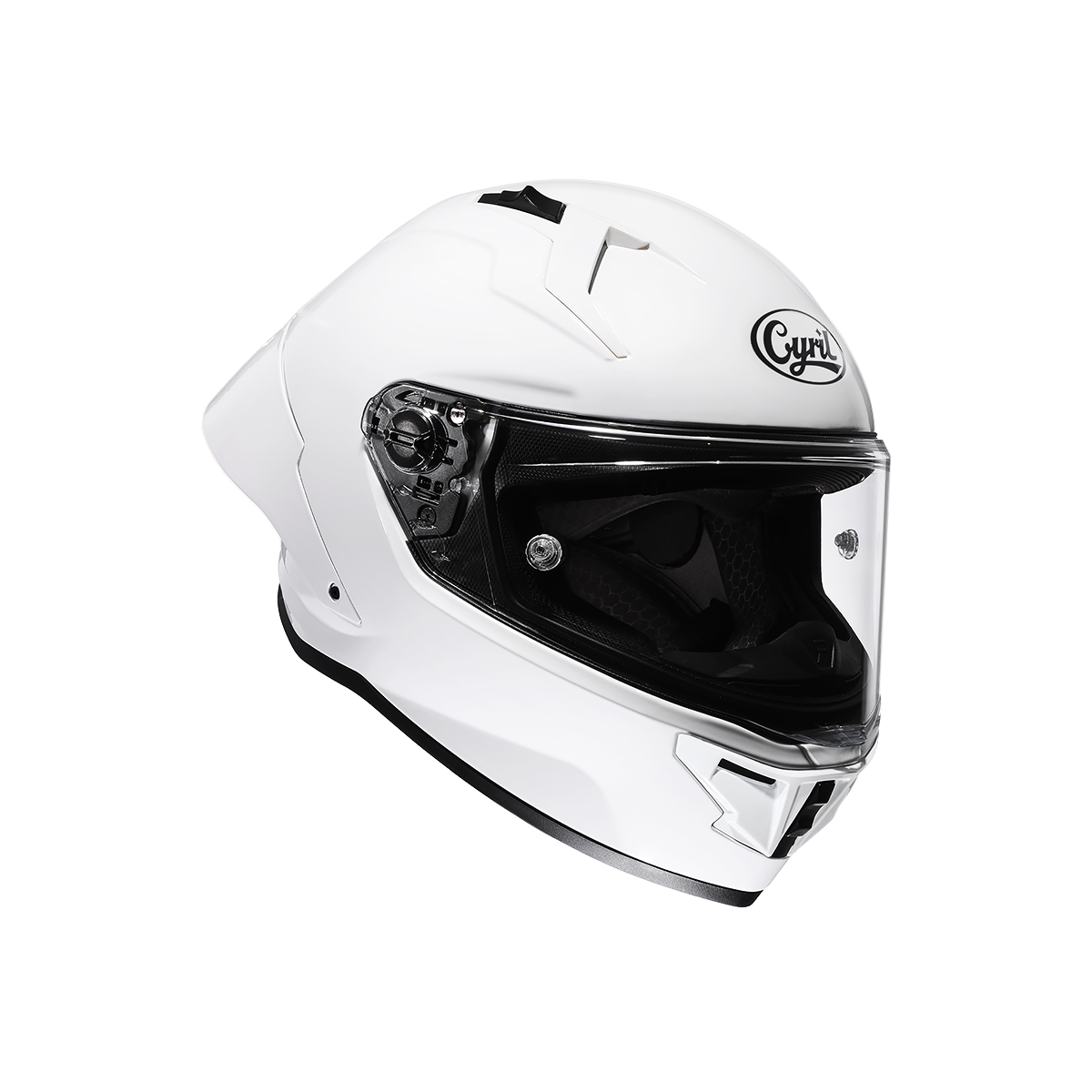
A Shell Worth Cleaning the Slow Way
The R1-PRO page lists a sport-inspired profile with a rear spoiler. Splatter collects in seams like these, so a gentle routine with neutral soap and water keeps the finish clean without risky solvents.
View current R1-PRO Full Face Helmet detailsCommon Questions About Bug Removal
How do I get bugs off my helmet without scratching it?
Soften the splatter with water first, then wipe with neutral soap and a soft microfiber cloth, and dry gently.
Can I use bug remover spray on a helmet?
Some automotive bug removers may work, but they are not all safe for helmet finishes. Test on a hidden area and follow the maker's guidance.
Why shouldn't I wipe bugs off dry?
Dried bugs are hard and gritty. Wiping them dry drags that grit across the finish and scratches the shell.
What cloth should I use?
A clean microfiber cloth. Avoid rough cloths, paper towels with texture, and any scrub material.
Do I need to remove the visor to clean bugs?
Not always, but removing it makes visor cleaning safer and lets you check the seal and pivots at the same time.
Can bug stains damage the helmet shell?
Most splatter is harmless if cleaned soon. Left to bake in the sun, it can etch the finish and become harder to remove.
How do I clean dried bugs after a long ride?
Lay a wet microfiber cloth over the splatter for a minute or two, then clean gently with neutral soap and water.
How often should I clean bug splatter?
After every ride that collects splatter. Fresh bugs wipe off in seconds; baked bugs take elbow grease and risk scratches.
Final Notes
Water first, soap second, patience always. A minute of softening saves the shell finish and keeps the visor clear, and the same routine works on both shell and shield.