
Why Does My Helmet Fog More in Humid Weather?

Why Does My Helmet Fog More in Humid Weather?
Humid air is already full of water vapor, so your breath only needs to push it slightly past the dew point for condensation to form on the visor. More moisture in the air means faster fog, less airflow needed to trigger it, and a visor that fogs even on rides that feel warm.
Humidity raises the moisture level inside the helmet, so fog forms faster and at smaller temperature differences. Keep the vents open, use a breath guard, and add an anti-fog insert or treatment to break the condensation cycle.
This guide uses All About Vision for the condensation mechanism and Pinlock's technology page for how anti-fog inserts manage moisture. The product note relies only on the official Mad Shark page.
Why Humidity Makes Fog So Much Faster
Fog is condensation: warm, moist air touches a cooler surface and releases water as droplets. All About Vision describes the same process on lenses, warm moist air from your skin contacting a cooler lens surface. Humidity changes the starting line, because the air inside the helmet already holds more water before you add a single breath.
That is why a humid morning fogs a visor that stayed clear on a dry day at the same temperature. The visor does not need to be as cold, and your breath does not need to work as hard. The air simply reaches the dew point sooner.
What Makes Humid-Weather Fog Worse
- Closed vents that trap humid air inside the helmet.
- A gaiter or scarf pulled over your nose, funneling breath upward.
- A breath guard missing or mis-seated.
- Stops and slow traffic, where airflow disappears.
- A visor with a worn or missing anti-fog layer.
Humid weather turns small issues into visible fog. On a dry day a slightly closed vent is invisible; on a humid day it is the difference between a clear visor and a whiteout at every stoplight.
| Setup Detail | Dry Day | Humid Day |
|---|---|---|
| Chin vent | Optional | Open before the ride |
| Breath guard | Nice to have | Essential |
| Gaiter position | Whatever is comfortable | Below the nose |
| Visor at stops | Can stay closed | Crack a notch when safe |
The Fix Sequence for Humid Riding
- Open the chin and top vents before you ride, and keep them open at stops.
- Check the breath guard is seated so exhaled air goes down, not into the visor.
- Keep the gaiter below your nose.
- Add an anti-fog insert or lens treatment to the visor.
- Crack the visor a notch when safe at stops to let humid air escape.
- Test the setup at home by breathing hard with the visor closed.
Anti-fog inserts work on the same principle in any weather: a moisture-absorbing surface plus a sealed air gap stops condensation on the visor itself, as Pinlock's technology page describes. That makes them the most reliable answer for riders who live in humid climates.
The Garage-to-Humidity Transition
An air-conditioned garage or house makes the first minute worse. The visor leaves a cool room, meets warm humid air, and fogs before you even buckle the strap. If that happens, ride the first block with the visor cracked and the vents open; the visor warms and the condensation clears faster than any wipe.
The pre-ride routine takes thirty seconds: wipe the visor with a lens-safe cloth, seat the breath guard, open the vents, and put the helmet on with the visor up until you are on the bike. Riders who do this before the ride stop fighting fog during it.
Representative Rider Scenario: Noor - The Morning Fade. Noor's visor fogged every humid morning the moment she left her air-conditioned garage, then cleared by the first turn. A breath guard and an open chin vent cut the fog to a light haze; an anti-fog insert removed it completely.
How This Applies When Choosing
In humid climates, ventilation is not a comfort feature; it is a visibility feature. Compare how the chin and top vents move air, whether a breath guard is included, and whether the visor accepts an anti-fog insert.
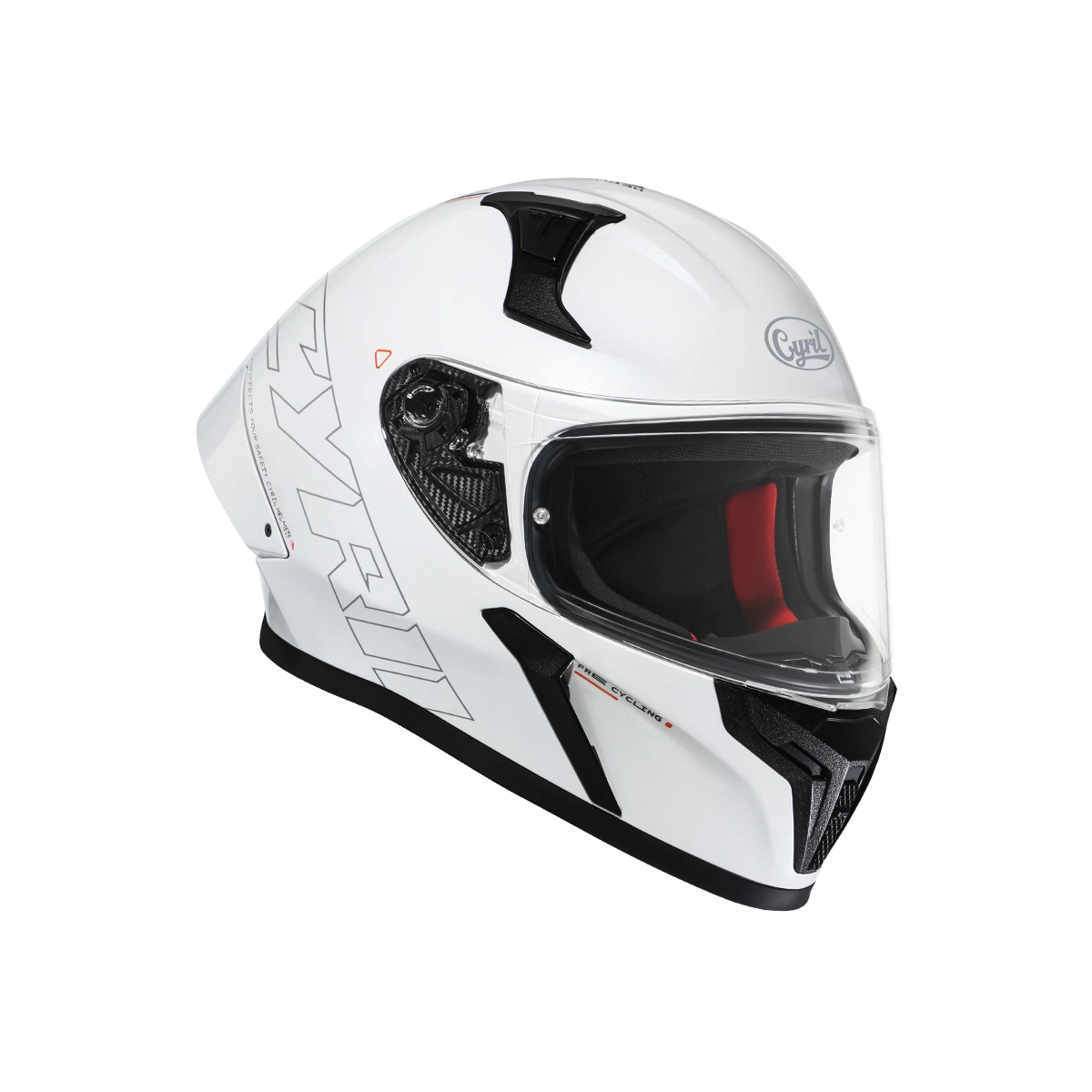
Ventilation That Works Before You Ride
The Mad Shark FF357 page lists active ventilation. In humid weather, the question is whether the vents move air before fog forms, so set them open and test the helmet at home before your first humid commute.
View current Mad Shark FF357 detailsCommon Questions About Fog in Humid Weather
Why does my visor fog more in humid weather?
Humid air already holds more water vapor, so your breath pushes it past the dew point faster and fog forms sooner on the visor.
Why does fogging get worse in summer humidity?
Warm summer air holds more moisture than cold dry air, so there is more water available to condense on a slightly cooler visor.
Does ventilation stop humid-weather fog?
It helps by moving humid air out, but on very humid days vents alone may not be enough. A breath guard and anti-fog layer usually finish the job.
Will an anti-fog insert help in humidity?
Yes. An insert absorbs moisture and creates a sealed air layer, which stops condensation on the visor itself.
Why does my visor fog when I leave an air-conditioned garage?
The cool visor meets warm humid air and fogs immediately. Cracking the visor and opening vents clears it as the visor warms.
Should I use the visor's cracked position in humidity?
At stops, yes, when it is safe. It lets humid air escape and reduces the moisture that would otherwise condense.
Why is my helmet foggy even before I start riding?
The visor is cooler than the surrounding humid air, so moisture condenses on it before your breath is involved. This is dew, not breath fog.
Is humid-weather fog dangerous?
Fog that blocks your view at speed is a visibility hazard. Fix it before riding, not while you are moving.
Final Notes
Humid fog is a moisture equation: reduce the moisture in the helmet and give the visor a surface that cannot condense. Open the vents, seat the breath guard, and choose an anti-fog setup before the humid season starts.