
Can I Wear Hearing Aids Under a Motorcycle Helmet?

Can I Wear Hearing Aids Under a Motorcycle Helmet?
Yes, many riders do, but it takes a deliberate setup: the helmet must fit around the aids without pressing them, the aids need protection from sweat and moisture, and you should practice putting the helmet on and off so nothing falls out or whistles.
Wearing aids under a helmet works when the fit is right: no pressure on the aids, no feedback whistle, and a careful on-off routine. Keep aids away from heat and moisture, turn them off when not riding, and check with your audiologist if you are unsure.
This guide uses NIDCD's hearing aid guidance, which says to keep hearing aids away from heat and moisture, clean them as instructed, and turn them off when not in use. Fit and wearing advice is practical rider guidance, not medical advice.
The Honest Answer: Yes, With the Right Setup
A hearing aid does not rule out motorcycling, but it changes how you choose and wear a helmet. The two risks are physical: the helmet pressing the aid into your ear, and sweat or rain getting into the device. Both are manageable with the right routine.
The third risk is the one riders forget: a hearing aid that falls out when you remove the helmet, or a feedback whistle that turns into a distraction mid-ride. Plan the on-off sequence before you need it.
Fit: Room Around the Ears, Not Pressure
Try the helmet on with your aids in place, not without them. The liner should touch your head, not press the aid hard against your ear. If you feel pressure directly on the aid, the helmet or the ear pocket is too tight, and riding with that pressure will hurt long before the ride ends.
Look for a liner you can remove and inspect, because that lets you see how much space the ear area actually has. If the liner is fixed and the ear area is tight, that helmet model is probably not the one for you.
Representative Rider Scenario: Marta - The One-Size Snug. Marta's new helmet felt fine until she put her aids in; then the left aid pressed hard against the liner and whistled every time she moved her head. She returned the helmet and tried a model with a removable liner and more ear space, and the pressure disappeared.
Moisture and Sweat Are the Real Enemies
NIDCD's hearing aid guidance is direct: keep hearing aids away from heat and moisture, clean them as instructed, and turn them off when they are not in use. A summer helmet is both hot and sweaty, so that guidance maps straight onto riding.
Practical habits: wipe your ears and the area around the aids before putting the helmet on, use a sweat cap or bandana if your ride is hot, remove the aids promptly after the ride, dry them as your audiologist recommends, and never put a wet aid back into a damp helmet.
Wind is another part of the setup. Aids amplify the sound around you, and at speed that includes wind roar, which can be loud and tiring. Do not solve it by turning the aids up to maximum; ask your audiologist about wind-reduction programs, and pair the aids with the helmet vents and earplugs designed for riders if your hearing care team recommends them.
Why Aids Whistle Inside a Helmet
Feedback happens when the liner presses the aid or pushes your ear, letting sound leak back into the microphone. Reposition the aid, adjust the helmet, or check whether the ear pocket needs more room. A whistle that starts only when the helmet goes on is a fit problem, not a reason to give up riding.
A Safe On-Off Routine
- Put your aids in and check they are seated comfortably before the helmet.
- Put the helmet on slowly, guiding it over the ears rather than dragging it.
- Check for pressure and feedback, then adjust before you ride.
- When removing the helmet, hold the base of the helmet and lift evenly so the aids do not pop out.
- Remove and dry the aids before they sit in sweat.
Practice the sequence at home a few times. The first real-world removal is not the moment to learn that your aid falls out on the left side.
When Not to Wear Them
If the helmet causes pain around the aid, the aid keeps falling out, or you feel dizzy or unbalanced with the setup, stop and talk to your audiologist. Hearing aid fitting is individual, and the right answer may be a different aid style, a different helmet, or a different wearing plan for riding.
How This Applies When Choosing
For riders with hearing aids, the helmet buying test is simple: try it on with the aids in place, check the ear area, and repeat the on-off sequence. A removable liner helps because it lets you inspect and adjust the space around your ears.
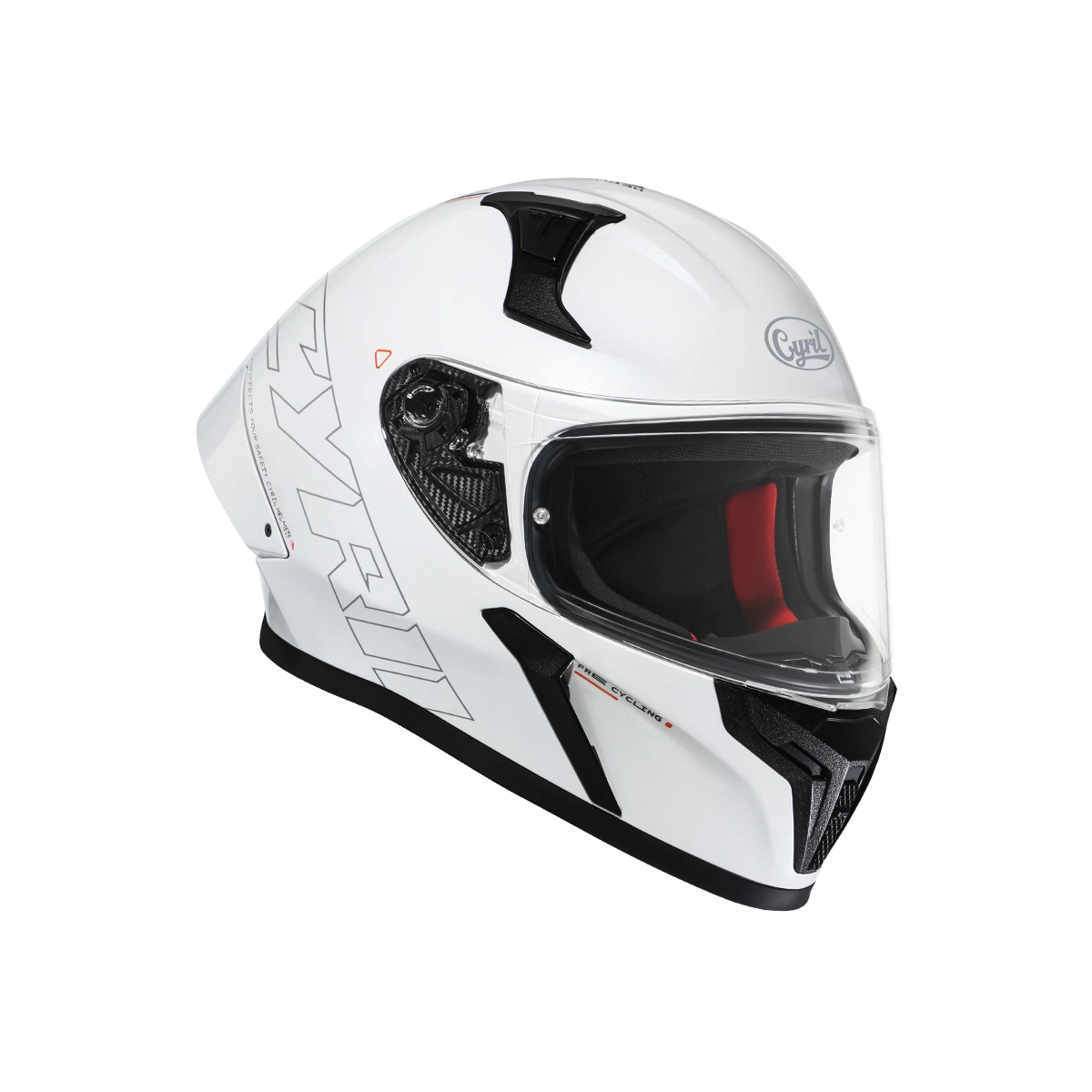
A Removable Liner Makes the Ear Check Possible
The Mad Shark FF357 page lists a removable, washable liner. For hearing aid wearers, that matters: you can remove the liner, inspect the ear area, and judge whether the fit will work before you commit to the helmet.
View current Mad Shark FF357 detailsCommon Questions About Hearing Aids and Helmets
Can I wear hearing aids with a motorcycle helmet?
Yes, with a helmet that fits around the aids without pressure and a careful on-off routine. Try the helmet on with the aids in place before buying.
Will the helmet damage my hearing aids?
Pressure and moisture can damage them. Keep the aids away from heat and sweat, and check the fit so the liner does not press the device.
Why do my hearing aids whistle inside my helmet?
The liner is pressing the aid or your ear, letting sound leak back into the microphone. Reposition or choose a helmet with more ear space.
How should I put on a helmet with hearing aids?
Seat the aids first, put the helmet on slowly over the ears, and check for pressure and feedback before riding.
Can sweat ruin hearing aids under a helmet?
Moisture is a known risk. Wipe the area before riding, dry the aids after the ride, and follow your audiologist's care routine.
Should I wear hearing aids while riding?
That is a personal and medical decision. If the setup is comfortable and secure, many riders do; ask your audiologist if you are unsure.
What if my hearing aids fall out when I remove the helmet?
Lift the helmet evenly and practice removal at home. If an aid keeps falling out, the helmet or the aid position needs adjusting.
Do I need a special helmet for hearing aids?
Not a special category, but you need a helmet whose ear area fits your aids. A removable liner makes that check easier.
Final Notes
Test the helmet with your aids in, keep the aids dry, and rehearse the on-off sequence at home. If pressure or feedback shows up, fix the fit before the ride, and let your audiologist guide anything that feels off.