
How Do I Remove Mold or Mildew From a Motorcycle Helmet Liner?

How Do I Remove Mold or Mildew From a Motorcycle Helmet Liner?
Mold needs moisture and something porous to grow on, and a damp helmet liner is both. If the liner is removable, clean it thoroughly, dry it completely, and fix whatever kept it wet; if mold has worked deep into fixed padding, replacement is the realistic answer.
Remove the liner, wash it by the maker's method, and air dry it fully away from heat. Fix the moisture problem that caused the mold. Deep mold in fixed padding, or any health concern, means replace the affected padding and talk to a doctor if needed.
This guide uses the CDC's mold information for how mold grows with moisture and why cleanup must include fixing the moisture source, plus Airoh's liner washing guidance for safe washing and drying. Product details come from the official Mad Shark FF357 page.
First, Confirm It Is Mold
Mold can look like spots in many colors, and it usually smells musty. The CDC is direct about the basics: if you see or smell mold, remove it, and remember that mold grows where there is moisture. A helmet liner that stayed wet overnight, a wet-weather ride followed by storage in a bag, or weeks of heavy sweat can all create the right conditions.
Dirt and sweat stains look different. They sit on the surface, wash out, and do not smell musty after drying. If the smell stays after a full dry, treat it as mold or mildew, not just a stain.
Dry the liner completely once. If the musty smell returns within a day, mold is likely working inside the padding, not on the surface.
If the Liner Is Removable: Wash It the Right Way
- Remove the liner and cheek pads following the helmet's instructions.
- Brush or vacuum loose dust in a ventilated area, ideally outside.
- Wash removable padding by the maker's method: a delicate cool cycle with mild detergent, or hand wash with a microfiber cloth, water, and a little baking soda.
- Rinse well so no cleaning residue stays in the foam.
- Air dry flat in a ventilated area for a full day, away from radiators, stoves, and hair dryers.
Airoh's liner guidance allows machine washing removable interiors with a delicate detergent at 30°C or below, followed by thorough air drying away from direct heat. Cool water and gentle detergent are easier on the foam and the fabric than hot water and bleach.
If the Liner Is Fixed: Be Honest About the Limit
A fixed liner cannot be soaked without drenching the EPS and the shell structure, which can create worse problems. Spot clean the surface with a damp cloth and mild soap, then dry with airflow. If the mold has spread through the padding or the smell will not leave, the liner cannot be safely restored, and the realistic answer is replacing the affected pads or the helmet.
Cleaning the surface while mold stays inside the foam does not remove the problem; it hides it until the next damp ride.
Drying Is Half the Fix
Mold returns whenever moisture returns. After washing, the liner must be completely dry before it goes back in the helmet, and the helmet itself needs time to air out if rain got inside. Store the helmet with the visor cracked or off, keep it out of sealed bags for long periods, and dry it after every rainy or sweaty ride instead of letting the week handle it.
Mold also hides where you are not looking. Check the crown liner, the cheek pads, the foam behind the breath guard, and the strap webbing. A spot on the visible fabric can mean more growth tucked inside the padding, which is why a full removal and wash beats spot-cleaning the surface.
The prevention routine is short: one wet ride followed by a full air dry, one weekend in a sealed bag, or one summer of daily sweat is all mold needs. Store the helmet in a dry room, keep the visor open a notch when parked at home, and wipe the liner after hot rides before it becomes next week's project.
Representative Rider Scenario: Ren - The Sealed Tail Bag. Ren rode home through a thunderstorm and left his helmet in a zipped bag for three days. The liner smelled musty and showed dark spots near the crown. He washed the removable liner, dried it for two days in front of a fan, and started storing the helmet unbagged with the visor open.
When to Replace Instead of Clean
Replace the padding when the mold is deep, the musty smell survives a full wash and dry, the foam feels compressed, or the liner cannot be removed. Do not keep riding with heavy mold in the padding if you can avoid it. Mold and dampness can affect health, and the CDC advises addressing mold problems directly; if you have breathing symptoms or other health concerns, that is a question for a doctor, not a forum.
How This Applies When Choosing
Mold is a moisture-management problem, and a removable liner makes it manageable. Before buying, check whether the liner and cheek pads come out and how the maker says to wash them.
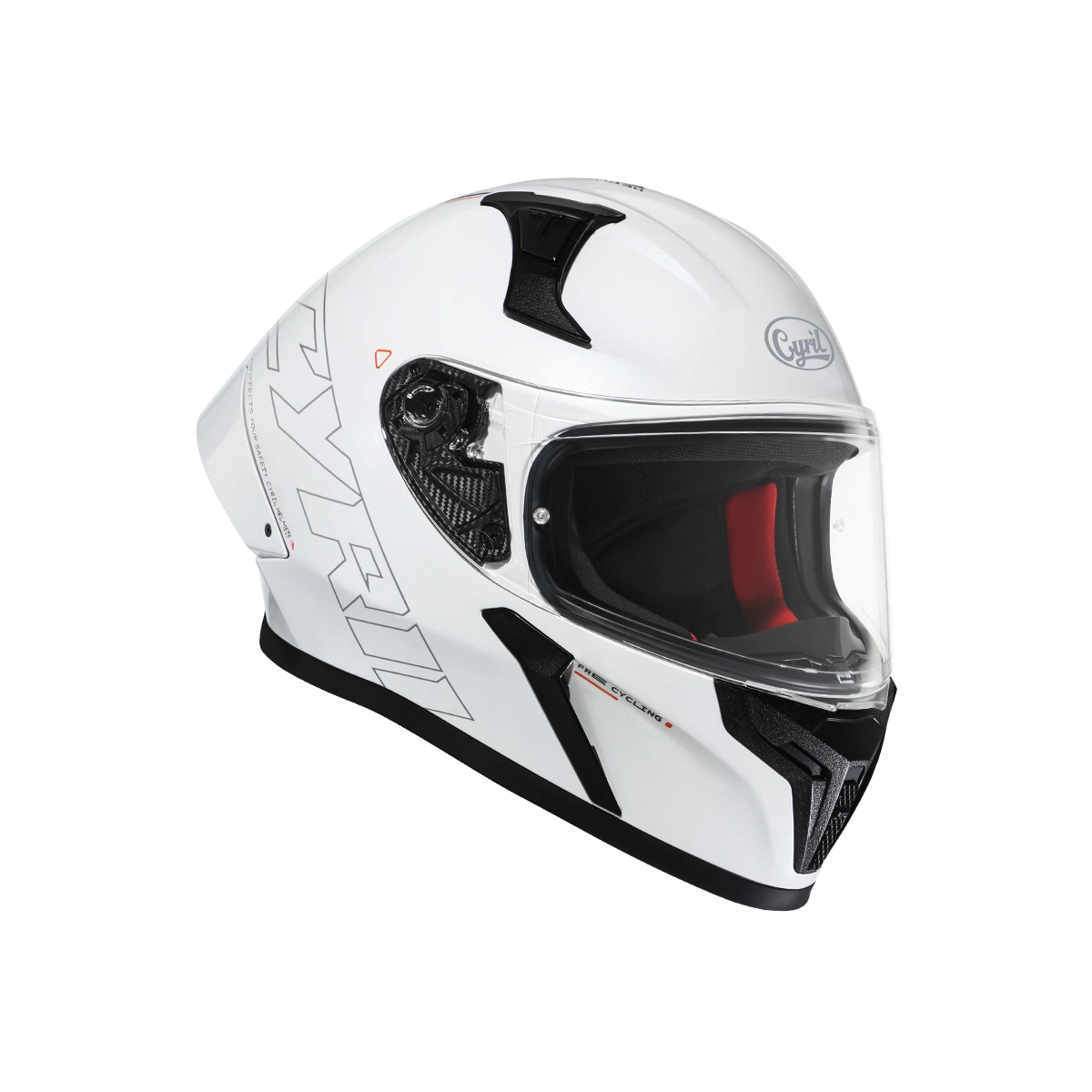
A Removable Liner Makes the Cleanup Realistic
The Mad Shark FF357 page lists a removable, washable liner. That makes the wash-and-dry routine above possible; for the exact wash cycle, follow the care notes on the current product page.
View current Mad Shark FF357 detailsCommon Questions About Mold in Helmet Liners
Can mold grow inside a motorcycle helmet?
Yes. Mold grows where there is moisture, and a damp or repeatedly sweaty liner gives it a porous surface to grow on.
How do I know if it is mold or just dirt?
Mold usually has dark or colored spots and a musty smell that returns after the liner dries. Dirt washes out and does not smell musty.
Can I wash mold out of a helmet liner?
Surface mold in removable padding can often be washed out with a delicate cool cycle and mild detergent, then air dried completely.
What kills mold in a helmet liner?
Gentle washing removes surface mold, but the real fix is removing moisture. Bleach and strong chemicals can damage helmet materials and are not recommended for liners.
Can a fixed liner be saved?
Surface spots can be spot cleaned, but mold deep in fixed padding cannot be safely removed. Replacement is the realistic option.
Why does my helmet keep getting moldy?
Something keeps adding moisture: storing it wet, sealing it in a bag, or riding repeatedly without drying the liner.
Is it safe to ride a helmet with mold?
Heavy mold in padding is not a condition to ignore. Clean or replace it, and talk to a doctor if you have breathing symptoms or health concerns.
Should I replace the helmet if the liner is moldy?
Only if the padding cannot be removed or the mold is deep. Replaceable pads can usually be swapped without replacing the whole helmet.
Final Notes
Treat mold as a moisture problem, not a surface stain. Wash what is removable, dry everything completely, and change the storage habit that let the helmet stay wet. If the smell survives a full dry, replace the padding and keep the helmet dry from then on.