
Motorcycle Helmet Cheek Pads Feel Uneven? Liner Seating and Fit Checks That Fix Small Problems

Motorcycle Helmet Cheek Pads Feel Uneven? Liner Seating and Fit Checks That Fix Small Problems
Uneven cheek pads can make a new helmet feel defective, too tight, or strangely crooked. Before you force the fit, ride through jaw pressure, or return the helmet too quickly, check whether the liner is seated correctly and whether the pressure is a pad issue, a head-shape issue, or a size issue.
If your motorcycle helmet cheek pads feel uneven, first check whether both pads are fully snapped or seated, whether the crown liner is centered, whether a strap is trapped under padding, and whether the pads were reinstalled on the correct sides. If the liner is correct but pressure remains sharp, one-sided, or jaw-changing, the helmet may not match your head shape or size. Do not cut, shave, glue, or modify cheek pads unless the helmet maker specifically supports that part or replacement option.
This guide was built from public helmet fit and riding-gear guidance, including NHTSA helmet guidance, NHTSA unsafe helmet information, and MSF personal protective gear guidance. Cyril product references were checked against official product information. The article separates normal padding checks from unsupported modifications and does not claim cheek-pad changes can make a wrong-size helmet safe.
Why Cheek Pads Can Feel Uneven
Cheek pads are supposed to support the lower part of the helmet, but they are easy to misread. Firm cheek contact can be normal in a full face or modular helmet. One-sided pressure, twisted padding, a strap trapped under the pad, or a pad that is not fully snapped in is different. That kind of unevenness can make the helmet feel crooked even when the shell size is close.
The first mistake is assuming the helmet is wrong before checking the liner. The second mistake is assuming the liner is the only problem when the helmet shape does not match your head. Both mistakes waste time. A calm inspection tells you whether this is a simple seating issue or a bigger fit decision.
NHTSA helmet guidance emphasizes correct helmet fit, and MSF treats helmet and eye protection as core riding gear. For this specific problem, the practical question is whether the helmet stays stable and comfortable without forcing your jaw, biting one cheek, or making you reposition the helmet every few minutes.
- One pad may not be fully snapped or seated.
- A strap may be trapped under the cheek pad.
- The crown liner may be shifted, making one side feel tighter.
- Left and right pads may have been swapped or twisted after cleaning.
- Your head shape may not match the helmet's internal shape.
- The helmet may be the wrong size even if the size chart looked close.
The Liner Seating Check
Start with the helmet off your head. Look inside under good light. Check that the cheek pads sit at the same height, that snaps or tabs are fully engaged, and that no fabric edge is folded under itself. Run your fingers along the pad edge and strap path. If one side feels lumpy or loose, remove and reseat the pad only according to the helmet's design.
Then put the helmet on and fasten the strap. Open and close your mouth. Turn your head gently. If the pressure changes when you press one pad into place, you likely found a seating issue. If the pressure remains sharp in the same spot after both pads are seated, the problem may be helmet shape, size, or pad thickness rather than installation.
A quick way to decide is to ask whether the unevenness moves. If it changes after reseating the liner, the liner was probably involved. If it always attacks the same cheekbone or jaw point, your face shape and the helmet's lower fit may not agree.
| Check | Good sign | Warning sign |
|---|---|---|
| Pad height | Both sides sit evenly and line up visually. | One pad is higher, folded, or hanging loose. |
| Snaps or tabs | All connection points are fully engaged. | A snap is half-connected or hidden behind fabric. |
| Strap path | Strap runs cleanly without trapping fabric. | Strap is caught under padding or twisted. |
| Jaw feel | Firm contact without changing your bite. | One pad pushes the jaw sideways or creates numbness. |
| Helmet movement | Helmet stays stable when fastened. | Shell still shifts even after pads are seated. |
Normal Cheek Pressure vs a Fit Problem
Normal cheek pressure feels firm and even. It may make your cheeks move slightly when you talk, especially in a new full face helmet. A fit problem feels sharp, one-sided, unstable, or distracting. It may change your bite, press one cheekbone hard, push glasses out of place, or make you remove the helmet after a few minutes.
Do not judge only by the first ten seconds. Wear the helmet indoors long enough to notice whether the pressure settles into firm support or grows into pain. If you start tilting the helmet, moving your jaw, or pulling one pad away from your face, that is useful information. Your body is showing you where the conflict is.
The important distinction is support versus compensation. Cheek pads should support the helmet. They should not be the only thing preventing a loose shell from moving, and they should not hurt so much that you loosen the strap or avoid turning your head.
After Cleaning or Removing the Liner
Many uneven cheek pad problems start after cleaning. A pad is reinstalled one snap short. A strap ends up under the wrong edge. The crown liner shifts slightly and pulls one cheek pad out of alignment. The helmet felt normal before cleaning, then suddenly feels crooked the next morning.
Before assuming the helmet changed, rebuild the interior slowly. Match left and right pads if they are side-specific. Seat the crown liner first if that is how the helmet is designed. Press each connection point firmly. Check that fabric edges are smooth and that no washable liner piece is bunched near the cheek or ear area.
A practical test is to compare the helmet before and after one change. Reseat only the left cheek pad, put the helmet on, and notice whether the pressure changes. Then do the same on the right side. If the problem moves or improves after one pad is reseated, you are probably dealing with installation. If the same bone or jaw point hurts no matter how carefully the liner is installed, stop treating it like a laundry mistake and look at fit.
This is also the moment to inspect wear. If one cheek pad is compressed, torn, or no longer returns to shape, the helmet may feel uneven because the support is uneven. Replacement parts, if available and supported by the helmet maker, are different from homemade cutting or shaving.
Rider Persona: Sarah - The post-cleaning surprise. Sarah rides a 30-minute commute and removed her liner after a hot week. The next ride, her left cheek felt crushed and the helmet sat slightly off-center. The fix is not to ride until the pad breaks in again; it is to reseat the liner and confirm the strap path before leaving.
Rider Scenarios That Reveal the Cause
The same symptom can come from different causes. A new helmet with even firm pressure is different from an old helmet with one collapsed pad. A post-cleaning lump is different from a shell shape that never matched your jaw. The rider context matters.
Maya - Firm but even
Maya wears a new full face helmet indoors for twenty minutes. Both cheeks feel firm, but there is no sharp pain, jaw shift, or shell movement. That may be normal new-padding support, not an immediate return reason.
Chris - Same spot every time
Chris feels a hard point on the right cheekbone every time he wears the helmet, even after reseating the liner. The issue may be face shape or size, and he should use the return or support window before riding.
Nina - One pad collapsed
Nina's helmet used to feel even, but after a season of commuting one side feels soft and the other still feels firm. She should inspect pad wear and supported replacement options instead of tightening the strap to hide the imbalance.
What Not to Cut, Shave, or Force
Do not cut foam, shave padding, glue fabric, add random inserts, or tape cheek pads into place. Do not ride with a pad half-snapped because it feels softer that way. Those shortcuts may change how the helmet sits and can create new movement or pressure problems.
If the helmet maker offers different cheek pad thicknesses or replacement liner parts, use the supported path. If not, treat the mismatch as a fit decision. A helmet that only becomes tolerable after homemade changes may not be the right helmet for your head.
If you are inside a return window, document the issue before riding. Photograph the pad seating, strap path, liner position, and the area that feels wrong. A clear support request is easier to solve than a vague complaint after the helmet has been worn for weeks.
How to Apply This When Choosing a Helmet
When choosing a helmet, look for clear fit information, removable washable liner details, and a product support path. Then do the real check indoors. The best product information cannot replace your cheek, jaw, glasses, and head-shape feedback once the helmet is on your head.
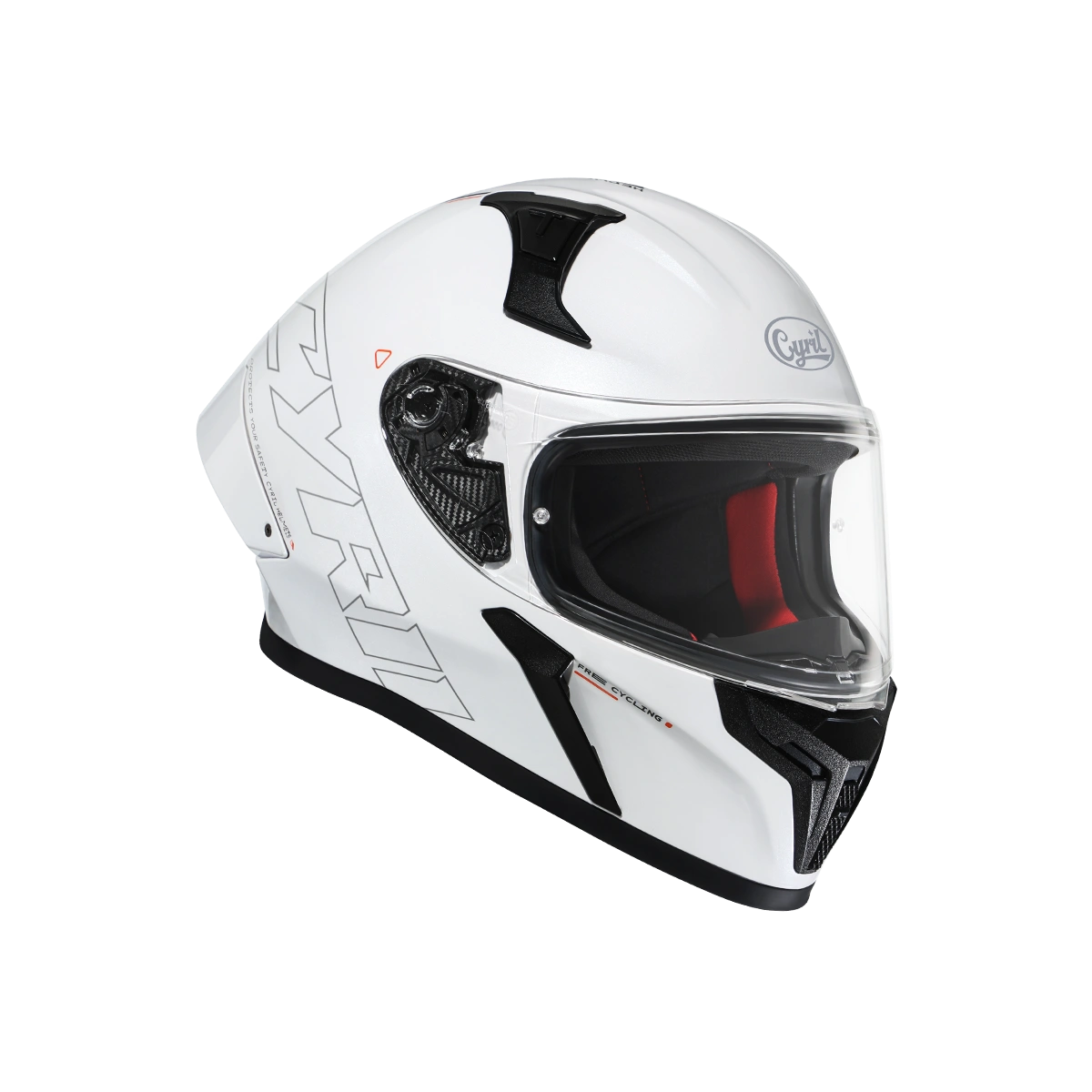
Best for Daily Riders Checking Liner Comfort
The Mad Shark Full Face Helmet fits riders who want a full face helmet for daily commuting or regular road riding, with DOT FMVSS 218 information, ABS shell, multi-layer EPS, active ventilation, clear visor view, and removable washable liner.
View Mad Shark Full Face Helmet
Best for Sport-Inspired Full Face Fit Review
The R1-PRO Full Face Helmet is relevant for riders comparing a sport-inspired full face profile with DOT FMVSS 218 and ECE 22.06 information, ventilation, removable washable liner, and magnetic visor release.
View R1-PRO Full Face Helmet
Best for Modular Comfort and Liner Access
The A128 Dual Visor Modular Helmet suits riders who want flip-up modular convenience, a clear outer shield, inner sun visor, wide-view comfort, removable washable liner, and DOT FMVSS 218 and ECE 22.06 information.
View A128 Dual Visor Modular HelmetReseat both cheek pads, check the crown liner, clear the strap path, and wear the helmet indoors long enough to judge pressure. If one-sided pain, jaw shift, or shell movement remains, contact support or use the return window before riding.
Common Questions About Motorcycle Helmet Cheek Pads
Should motorcycle helmet cheek pads feel tight?
They can feel firm, especially in a new full face or modular helmet, but they should not create sharp pain, numbness, jaw shift, or one-sided pressure that gets worse after a short indoor wear check.
Why does one cheek pad feel tighter than the other?
One pad may be misseated, a strap may be trapped under it, the liner may be shifted, the pads may have been reinstalled incorrectly, or your face shape may not match the helmet's lower fit. Start with liner seating before judging size.
Can I ride with one cheek pad not fully snapped in?
No. If the pad is designed to snap or seat into the helmet, it should be installed correctly before riding. Leaving it loose because it feels softer can change helmet stability and create new fit problems.
Will cheek pads break in over time?
Soft padding may settle with use, but break-in should not be used to justify sharp pain, jaw displacement, numbness, or a helmet that moves. If the problem is one-sided or severe, check seating and support options before riding.
Can I cut or shave helmet cheek pads to make them fit?
Do not cut, shave, glue, or modify cheek pads unless the helmet maker specifically supports that exact part or process. Homemade changes can alter fit and may create more movement or pressure issues.
What should I check after washing helmet liners?
Check that each cheek pad is on the correct side, all snaps or tabs are fully seated, fabric edges are smooth, straps are not trapped, and the crown liner sits centered. Then wear the helmet indoors before riding.
Can uneven cheek pads mean the helmet size is wrong?
Yes, especially if both pads are seated correctly and the pressure stays sharp or one-sided. It can also mean the helmet shape does not suit your face or head. Use the return or support window before modifying anything.
Should I replace cheek pads or replace the helmet?
Use supported replacement pads if the helmet maker offers them and the shell fit is otherwise correct. Replace or return the helmet if the shell size, head shape, label information, or overall stability is wrong. Pads cannot fix every fit problem.
Final Notes
Uneven cheek pads are worth checking before they become a riding distraction. Many small problems come from liner seating, strap routing, or post-cleaning mistakes. But if the pads are installed correctly and the helmet still creates one-sided pain or instability, do not force the fit. Use support, replacement parts, exchange options, or a different helmet before the problem follows you onto the road.