
Helmet Chin Strap Feels Loose After Fastening? Adjustment Checks Before You Ride

Helmet Chin Strap Feels Loose After Fastening? Adjustment Checks Before You Ride
A chin strap can be technically fastened and still feel wrong. If the helmet moves, the strap sits too far forward, the buckle leaves slack, or you keep tightening one side without solving the problem, stop and check the fit system before you ride.
If your motorcycle helmet chin strap feels loose after fastening, check whether the strap is routed correctly, the buckle or D-rings are fully secured, the strap sits under the jaw instead of on the throat, the helmet shell is the right size, the cheek pads and crown liner are seated correctly, and the retention hardware is not damaged or twisted. Do not ride if the helmet can lift, roll, or slide because the strap cannot hold it predictably.
This guide references public helmet and rider gear information, including NHTSA helmet guidance, NHTSA unsafe helmet information, and MSF personal protective gear guidance. Product mentions were checked against official Cyril product information. The article focuses on pre-ride troubleshooting and avoids giving repair instructions for damaged retention hardware.
Why a Loose-Feeling Strap Matters
The chin strap is part of the system that keeps the helmet positioned on your head. If the strap feels loose after you fasten it, the problem may be the strap adjustment, but it may also be the helmet size, liner seating, buckle routing, or worn padding. That is why the answer is not simply "pull harder."
NHTSA helmet guidance emphasizes correct fit, and MSF treats a properly worn helmet as core riding gear. For a rider, the practical version is simple: the helmet should stay level, stable, and fastened without needing you to hold it down, tilt it back, or accept movement during shoulder checks.
The dangerous habit is normalizing slack. You fasten the strap, feel movement, tug the loose end once, and decide it is probably fine because you are already dressed. Then the first lane check makes the shell shift. That is not a minor annoyance; it is a pre-ride warning that the fit system has not been solved.
- The strap should fasten securely without twisting.
- The helmet should not roll forward over your eyes or lift from the back.
- The strap should sit under the jaw, not press into the throat.
- You should not need to fasten the strap painfully tight to control the shell.
- Damaged straps, loose rivets, or unreliable buckles need support, not improvisation.
Fastened Is Not the Same as Fitted
A strap can click, snap, or thread through D-rings and still leave the helmet unstable. Fastened means the closure is engaged. Fitted means the helmet, liner, cheek pads, strap position, and retention hardware work together. If the helmet is too large, the strap may feel like it is doing all the work, and no amount of pulling will make the shell fit your head correctly.
A quick way to tell is to hold the helmet steady with both hands after fastening the strap. Try a gentle forward roll and a gentle upward lift at the back. If the shell moves much more than your scalp, or if it tries to uncover your forehead, the problem is not just slack at the loose end. Check size, head shape, liner seating, and cheek pad support.
Also pay attention to your first instinct. If you immediately tuck your chin down, push the helmet back, or crank the strap until it hurts, the helmet is asking you to compensate for something. A correct fit should feel secure without turning the strap into a punishment.
Rider Persona: Jake - The clicked buckle problem. Jake rides 18 minutes to work and uses a quick-release buckle. The buckle clicks, but the helmet still lifts when he looks over his shoulder. His problem is not the sound of the buckle; it is the full fit system. He should check strap length, liner seating, and helmet size before riding.
The One-Minute Strap Check
Do this before gloves go on. Put the helmet on level. Fasten the strap according to the helmet's closure system. Remove twists. Pull slack through the correct side of the buckle or D-rings. Then open your mouth, look left and right, and gently test whether the helmet lifts or rolls. The goal is not pain. The goal is stable control.
Picture the first mile after leaving home: you check traffic over your left shoulder, the helmet shifts, and your hand wants to reach up before the next stop sign. That moment tells you the garage check was not strict enough. A strap issue that appears during ordinary head movement should be solved before speed, wind, and traffic make the same movement harder to judge.
If the strap sits too close to the throat, loosen and reposition rather than riding through discomfort. If the strap is under the jaw but the helmet still moves, check the shell fit and liner. If one side feels longer than the other, check whether the strap is folded, routed incorrectly, or caught under padding.
| Check | What you want | Warning sign |
|---|---|---|
| Routing | Strap follows the intended path with no twists. | One side is folded, crossed, or trapped under padding. |
| Closure | Buckle, snap, or D-rings engage fully. | Click feels weak, D-rings slip, or snap will not stay closed. |
| Position | Strap sits under the jaw with firm comfort. | Strap presses the throat or hangs below the jaw. |
| Shell movement | Helmet moves with your head, not separately from it. | Helmet rolls forward, lifts at the back, or slides side to side. |
| Comfort | Secure without needing painful tension. | You must overtighten the strap to make the helmet feel stable. |
Common Causes of Strap Looseness
The simplest cause is unused slack. Many riders fasten the closure but do not pull the final slack out of the strap. Another common cause is twisted routing, especially after cleaning the liner or reinstalling cheek pads. With D-rings, the strap must be threaded correctly. With quick-release systems, the adjustment length still matters even if the buckle clicks.
The less obvious cause is a helmet that is too large or too broken in. If the crown liner and cheek pads no longer support the helmet, the strap starts feeling responsible for holding everything. That can create throat pressure, jaw discomfort, and movement at the same time. The strap is not supposed to fix a loose shell.
Also inspect age and condition. Frayed webbing, damaged stitching, cracked buckle pieces, loose rivets, or hardware that does not engage predictably are not normal adjustment issues. Do not tie knots, add clips, melt webbing, drill hardware, or sew your own fix into a helmet retention system.
- Loose end not pulled through after fastening.
- Strap twisted after liner cleaning or cheek pad removal.
- D-rings threaded incorrectly.
- Quick-release adjustment set too long.
- Helmet shell or liner too loose for your head.
- Worn padding makes the helmet depend too much on strap tension.
- Damaged buckle, stitching, rivets, or strap webbing.
Rider Scenarios That Reveal the Problem
Loose-strap problems usually show up during routine movement, not while standing still. If the helmet feels fine in the mirror but shifts during head checks, driveway braking, or visor opening, use that movement as information.
Maya - First week fit doubt
Maya rides 25 minutes each way and notices the strap feels secure but the helmet rocks during shoulder checks. She should check whether the helmet size or head shape is wrong before assuming the strap needs more tension.
Chris - Strap twisted after liner care
Chris removed the liner after a hot weekend ride. The next morning, one strap side feels longer. His first check should be routing and cheek pad seating, not riding with the strap pulled unevenly.
Nina - Helmet feels looser than last season
Nina's helmet used to feel stable, but now she tightens the strap more every month. The liner and cheek pads may have compressed, or the helmet may no longer fit the way it did when new.
When Not to Adjust and Ride Anyway
Stop when the strap or hardware looks damaged, when the helmet moves even after correct fastening, or when the only way to control the helmet is painful tension. Also stop if the helmet was recently dropped hard near the side hardware or if the rivet area looks stressed. Those are support or replacement questions, not quick-adjustment problems.
Do not use tape, knots, extra clips, zip ties, or homemade stitching to make a strap shorter. Do not drill new holes or modify hardware. Public FMVSS 218 text includes warnings about not modifying helmets and about some substances damaging helmets without visible signs. Even outside a standards discussion, the practical advice is the same: do not improvise on the system that keeps the helmet in place.
If you are still inside a return or support window, document the issue before riding. Take photos of strap routing, buckle, liner seating, and the fit problem. A clear support question is better than a vague complaint after the helmet has been used for weeks.
How to Apply This When Choosing a Helmet
When buying a helmet, check strap comfort together with shell fit. A good product page can help you choose the helmet type, but your indoor fit check decides whether the strap and shell work for your head. Look for clear product information, removable liner features, and a helmet style that fits your actual riding routine.
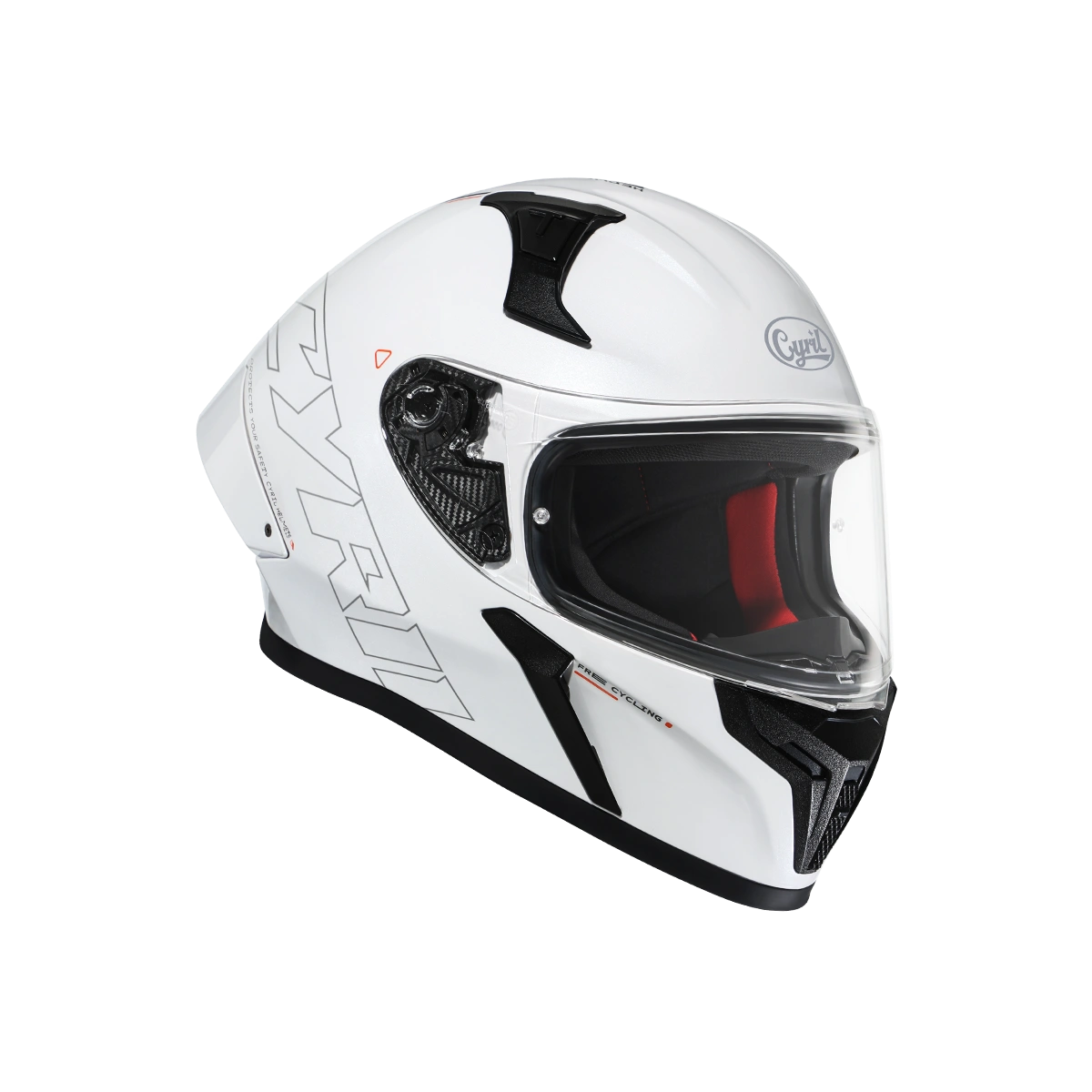
Best for Straightforward Daily Fit Checks
The Mad Shark Full Face Helmet fits riders looking for a full face helmet for daily commuting or regular road riding, with DOT FMVSS 218 information, ABS shell, multi-layer EPS, active ventilation, clear visor view, and removable washable liner.
View Mad Shark Full Face Helmet
Best for Sport-Inspired Full Face Stability
The R1-PRO Full Face Helmet is relevant for riders comparing a sport-inspired full face profile with DOT FMVSS 218 and ECE 22.06 information, ventilation, removable washable liner, and magnetic visor release.
View R1-PRO Full Face Helmet
Best for Modular Convenience With Fit Discipline
The A128 Dual Visor Modular Helmet suits riders who want flip-up modular convenience, a clear outer shield, inner sun visor, wide-view comfort, removable washable liner, and DOT FMVSS 218 and ECE 22.06 information.
View A128 Dual Visor Modular HelmetFasten the strap, remove twists, pull out slack, then test gentle roll and lift. If the helmet still moves, the strap feels painful, or the hardware looks damaged, stop and solve the fit or support issue before using the helmet in traffic.
Common Questions About Loose Helmet Chin Straps
How tight should a motorcycle helmet chin strap be?
It should be firm enough that the helmet cannot roll, lift, or slide, but not so painful that it presses hard into your throat or makes you loosen it while riding. If painful tightness is the only way to control the helmet, check helmet size and liner fit.
Why does my helmet move even when the strap is tight?
The helmet may be too large, the liner may be compressed or misseated, the cheek pads may not support your face, or the strap may be routed incorrectly. The strap cannot fix a shell that does not fit your head.
Can a quick-release buckle click and still be too loose?
Yes. The click only tells you the buckle engaged. The strap length and helmet fit still need to be correct. After the buckle clicks, check slack, strap position, and whether the helmet stays stable during a gentle roll and lift test.
Are D-rings safer than quick-release buckles?
Both systems depend on correct design, condition, and use. The more important rider check is whether your specific closure is routed, adjusted, and fastened correctly according to the helmet's instructions. Damaged or slipping hardware should not be used.
Why does the strap press my throat when I tighten it?
The strap may be positioned poorly, the helmet may sit wrong on your head, or you may be overtightening to compensate for a loose shell. Recheck helmet position and fit. A strap that only feels secure when it chokes you is not a correct solution.
Can I shorten a loose helmet strap myself?
Do not cut, sew, knot, melt, drill, or modify the retention system. If the strap cannot adjust correctly or hardware is damaged, contact the seller or manufacturer support. Improvised fixes can create new failure points.
Can worn cheek pads make the strap feel loose?
Yes. When liner and cheek support compress over time, the helmet may move more, making the strap feel responsible for holding the shell. Check liner condition and helmet age instead of simply tightening the strap harder each month.
Should I ride if the strap feels slightly loose but the helmet seems okay?
No if the helmet can lift, roll, slide, or distract you during head movement. Solve the routing, adjustment, liner, or sizing issue first. A loose-feeling strap is easy to check in the garage and much harder to manage in traffic.
Final Notes
A chin strap should not be the part of the helmet you keep negotiating with. It should fasten cleanly, sit in the right place, and work with the shell and liner to keep the helmet stable. If tightening the strap only creates pain while the helmet still moves, stop treating it as a strap problem and inspect the full fit.