
Helmet Visor Won't Stay Closed? Seal, Latch, and Shield Checks Before You Ride

Helmet Visor Won't Stay Closed? Seal, Latch, and Shield Checks Before You Ride
A visor that pops open, whistles, leaks air, or refuses to sit flush turns a normal ride into a distraction. Before you force the shield, tape it, or order random parts, check the hinge, latch, seal, shield fit, and helmet history.
If your motorcycle helmet visor will not stay closed, check for dirt in the hinge, a misseated shield, worn detents, damaged seal, warped visor, wrong replacement shield, loose hardware, or shell damage from a drop. Do not ride with a visor that blocks vision, pops open at speed, or requires unsafe modification to stay shut.
This guide references MSF personal protective gear guidance, MSF rider safety guidance, NHTSA helmet guidance, and official Cyril product information. Before publication, visor, eye-protection, modification, and product statements were checked to avoid unsupported safety promises or unverified parts claims.
Why a Visor Problem Matters
A loose visor is not only annoying. It can change wind flow, push dust toward your eyes, increase noise, let rain creep in, or make you keep one hand near your face when you should be scanning traffic. The problem feels small in the garage and much bigger at 55 mph, in drizzle, or behind a truck throwing grit.
MSF identifies face shields and goggles as essential for protecting the face from wind, insects, and debris, and MSF rider guidance recommends a quality helmet and eye protection. That does not mean every visor issue is an emergency. It does mean you should treat a visor that will not stay closed as a riding-readiness problem, not just a cosmetic defect.
If the shield pops up once while you are sitting still, you can inspect it calmly. If it pops up every time you shoulder-check, rolls open in crosswind, or leaves a visible gap at the seal, you need to solve the cause before riding in traffic.
The most frustrating version happens after a ride has already started. You leave home with the visor clicked down, then the first faster road exposes a whistle at the brow. Five minutes later, you are pressing the shield with one finger at every stop. That is not a normal comfort quirk; it is a sign the helmet is asking for attention you cannot safely give while riding.

A Quick Diagnosis Before You Ride
Start with the helmet on a table under good light. Open and close the visor slowly. Listen for even clicks on both sides. Look at the seal line across the brow and around the side edges. Then close the visor and press gently near the center, not at one corner. If one side sits high, the shield may be misseated or the hinge plate may be dirty, loose, or worn.
A quick way to tell where the problem lives is to ask what changes when you move the shield: does one side lag, does the latch fail to click, does the visor hit the rubber seal too early, or does the shield look warped even when removed? Those four questions usually point to hinge alignment, latch wear, seal interference, or shield damage.
Do this before gloves are on and before the engine is running. Once you are dressed to ride, it is easy to excuse a small problem because leaving feels easier than stopping. A visor check takes less than a minute, and it gives you a clear yes-or-no answer: the shield either closes evenly and predictably, or it needs more attention.

- Check whether both hinge sides click into the same position.
- Look for grit, dried bugs, cleaner residue, or broken plastic near the pivot.
- Confirm the visor is the correct replacement shield for that helmet model.
- Inspect the rubber seal for folding, cuts, gaps, or adhesive failure.
- Stop if the helmet was recently dropped hard or the shell looks damaged.
Common Causes of a Visor That Will Not Stay Closed
Most visor problems come from a few ordinary causes. The shield may be installed one tooth off. A small amount of road grit can block the hinge. A rubber seal can fold under the shield after cleaning. A replacement visor can look similar but not match the helmet model. A helmet dropped on the side can damage hinge hardware even if the shell still looks usable from a distance.
Pay attention to changes after a specific event. If the visor started acting up after cleaning, suspect residue, seal position, or reinstallation. If it started after a replacement shield, suspect compatibility. If it started after the helmet fell off a chair, workbench, or bike seat, inspect the hinge area and do not assume the visor is the only part involved.

| Symptom | Likely cause | What to check first |
|---|---|---|
| Visor pops open at speed | Weak detent, latch wear, wrong shield, or wind catching a gap. | Close both sides evenly and inspect hinge clicks before riding. |
| One side sits higher | Misseated hinge or uneven hardware. | Remove and reinstall only according to the helmet's mechanism. |
| Whistling near the brow | Seal gap, dirt, or shield not fully closed. | Clean the seal and check for folded rubber. |
| Rain creeps down inside | Damaged seal, warped shield, or closed position not engaging. | Inspect the seal line in bright light before assuming the helmet leaks. |
| Shield feels stiff or gritty | Dirt, dried insects, cleaner residue, or over-tightened hardware. | Clean gently and avoid forcing the mechanism. |
Rider Scenarios That Expose Visor Problems
Visor issues often hide during a short garage check. They show up when wind, rain, speed, and head movement combine. That is why the best inspection is not only "does it close?" but "does it stay closed in the kind of riding I actually do?"
Sarah - Stop-and-go city rider
Sarah rides 25 minutes each way, five days a week. Her visor closes in the garage, but at red lights she cracks it for air and then it will not latch cleanly. The issue is likely hinge dirt, seal interference, or a worn click position from daily use.
Mike - Weekend highway rider
Mike rides two-hour Saturday loops and notices the shield popping open during shoulder checks. The helmet feels fine at low speed, but crosswind finds the small gap. He should inspect latch engagement and shield compatibility before another highway ride.
Ava - Rain-prone commuter
Ava rides through light rain twice a week. Water runs inside one corner of the visor, and she keeps wiping with a glove. The better check is the seal line, shield seating, and whether the visor was warped by cleaning or storage.
Fix, Clean, Adjust, or Replace?
If the problem is dirt, cleaning may be enough. Use gentle methods that match the helmet maker's instructions and avoid harsh chemicals. If the shield was removed for cleaning, reinstall it slowly and confirm both sides lock into the same position. If the visor is wrong for the model, replacement is the real fix. Similar shape does not mean compatible.
If the hinge hardware is cracked, the latch no longer holds, or the helmet took a hard side impact, do not reduce the problem to a visor part. A hard drop can affect shell, hinge area, seal alignment, and confidence in the helmet. In that case, ask the manufacturer or seller for guidance, especially if the helmet is new enough to have support options.
Do not judge only by whether the visor eventually closes. A visor that closes after three attempts may still fail when you are riding one-handed in wind. The standard for keeping a helmet is simple: the shield should close predictably, stay closed when intended, open smoothly when you choose, and give clear vision without forcing you to adjust it every few minutes.
What Not to Do to a Helmet Visor
Do not tape the visor shut for a real ride. Do not drill new holes. Do not grind the hinge. Do not glue the latch. Do not bend the visor with heat to make it fit. Those fixes may hide the symptom while creating a new problem. FMVSS 218 public text includes purchaser warnings about not modifying helmets and about some common substances damaging a helmet without visible signs.
Also avoid over-cleaning. Strong solvents, abrasive towels, and rough scraping can make a visor worse by scratching the surface or damaging nearby trim. If dried insects are the problem, soften and remove them gently instead of attacking the shield like a dirty wheel rim.

Rider Persona: Daniel - The "quick fix" temptation. Daniel rides a 40-minute highway commute and his visor started popping open after he replaced it. He almost added tape for one week until the new part arrived. The better move is to stop and confirm whether the shield is the correct model; riding with a taped or unreliable visor turns a maintenance problem into a visibility problem.
How to Apply This When Choosing a Helmet
When you shop for a helmet, look beyond shell style. Check whether the product page clearly shows visor type, replacement or release convenience, liner care, and the riding routine the helmet supports. A helmet with a clear shield, stable fit, and product information you can verify is easier to live with than a mystery helmet that becomes difficult the first time you need parts or support.

Best for Riders Who Value Visor Release Convenience
The R1-PRO Full Face Helmet is the most directly relevant option here because its confirmed information includes a magnetic visor release, ventilation, removable washable liner, and DOT FMVSS 218 and ECE 22.06 information.
View R1-PRO Full Face Helmet
Best for Riders Wanting Dual Visor Convenience
The A128 Dual Visor Modular Helmet suits riders who want flip-up modular convenience, a clear outer shield, inner sun visor, wide-view comfort, removable washable liner, and DOT FMVSS 218 and ECE 22.06 information.
View A128 Dual Visor Modular Helmet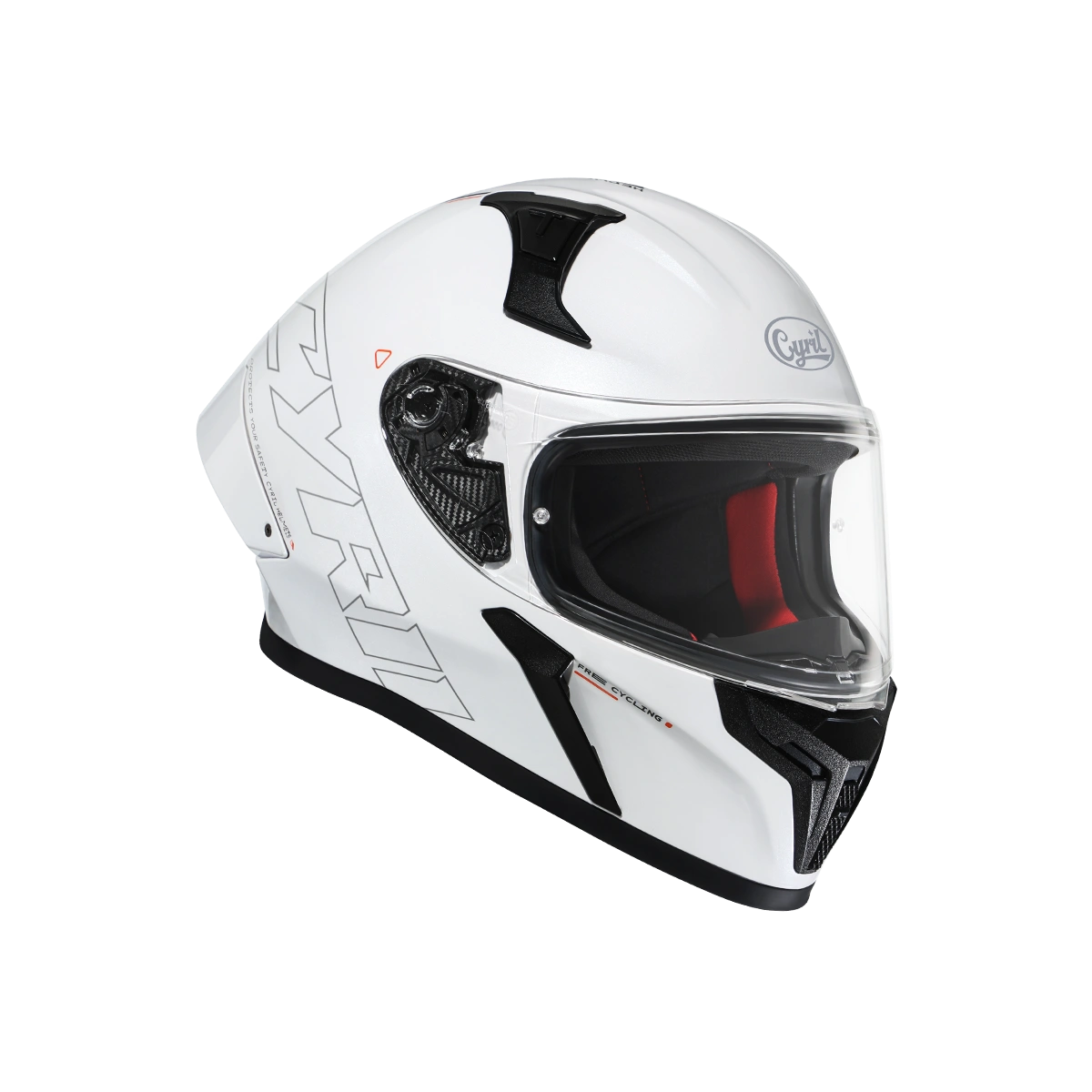
Best for Straightforward Daily Riding
The Mad Shark Full Face Helmet fits riders who want a full face helmet for daily commuting or regular road riding, with a clear visor view, active ventilation, ABS shell, multi-layer EPS, and removable washable liner.
View Mad Shark Full Face HelmetClose the visor three times with the helmet off, then once while wearing it. If the clicks are uneven, the seal line is open, the shield blocks vision, or the latch needs force, fix the cause before using the helmet in traffic.
Common Questions About Helmet Visor Problems
Can I ride if my helmet visor will not stay closed?
Do not ride with a visor that pops open unpredictably, blocks your view, or needs one hand to hold it down. If you have separate legal eye protection and the helmet otherwise works, low-speed troubleshooting may be possible off the road, but normal traffic riding should wait until the shield is reliable.
Why does my visor pop open only at highway speed?
Highway wind can expose a small latch, seal, or hinge issue that you do not notice in the garage. Check for uneven shield seating, weak detents, wrong replacement visor, rubber seal gaps, or a visor that catches air on one side during shoulder checks.
Can cleaning fix a visor that feels gritty or stiff?
Sometimes. Dirt, dried insects, and cleaner residue can make a visor mechanism feel rough. Clean gently according to helmet instructions and avoid harsh chemicals. If the hinge is cracked, loose, or worn, cleaning will not restore safe engagement.
How do I know if my replacement visor is the wrong one?
Warning signs include one side sitting high, clicks that do not line up, gaps along the brow seal, stiff movement, or the visor popping open even after correct installation. Similar shape is not enough; the shield needs to match the exact helmet model and mechanism.
Is it safe to tape a helmet visor closed?
No for normal riding. Tape can hide a latch problem, restrict opening, leave residue, and fail in wind or rain. If the visor needs tape to stay shut, the better answer is inspection, correct parts, support, or replacement.
Can a dropped helmet cause visor seal problems?
Yes. A side drop can affect hinge hardware, shield alignment, or shell area around the mechanism. If the helmet fell hard, landed on the hinge area, or now closes differently, inspect more than the visor. Ask the manufacturer or seller for guidance before riding.
Why does rain leak through one corner of my visor?
One-corner leaking often points to a folded seal, misseated shield, warped visor, damaged rubber, or hinge alignment issue. Clean the seal, close the shield slowly, and inspect the line under bright light. Do not assume the whole helmet is defective until the seal and seating are checked.
When should I replace the visor instead of adjusting it?
Replace the visor when it is warped, cracked, badly scratched, incompatible with the helmet model, or no longer engages properly after cleaning and correct installation. If the hinge or helmet shell is damaged, replacing only the shield may not solve the underlying problem.
Final Notes
A visor should not be something you negotiate with at every stoplight. It should close cleanly, stay where you put it, protect your view, and let you focus on traffic instead of the hinge. If the shield, latch, seal, or replacement part does not behave predictably, solve that before the problem follows you onto the road.