
Helmet Liner Still Damp or Smelly? How to Dry a Motorcycle Helmet Without Damaging It

Helmet Liner Still Damp or Smelly? How to Dry a Motorcycle Helmet Without Damaging It
A wet motorcycle helmet is easy to underestimate. You wash the liner, ride through rain, or sweat through a summer commute, then the helmet still feels damp the next morning. The temptation is to grab a hair dryer, set it near a heater, or leave it in harsh sun. This guide explains how to dry a helmet liner faster without cooking the foam, weakening adhesives, or trapping the musty smell you were trying to remove.
To dry a motorcycle helmet safely, remove washable pads if the helmet allows it, press moisture out with a clean towel, place the helmet and liner in a shaded, well-ventilated room, and use a fan or dehumidifier to move air through the padding. Do not use a tumble dryer, high-heat hair dryer, radiator, heat gun, or harsh direct sun. If the liner still smells musty after drying, the problem is trapped moisture and residue, not just odor. Clean it gently, dry it fully, and replace pads if visible mold, sour odor, or damaged foam keeps returning.
Why a Damp Helmet Becomes a Problem Fast
A damp helmet is not just uncomfortable. Moisture softens the comfort fabric, holds sweat salts against the liner, keeps odor-causing residue active, and creates the musty smell riders notice when they pull the helmet on the next morning. If rain soaked the helmet, moisture can also sit behind cheek pads, in speaker pockets, around snap points, and near the lower edge of the EPS where air barely moves.
Public health guidance is not written specifically for motorcycle helmets, but it gives useful context for why drying speed matters. The EPA mold guidance says moisture control is the key to mold prevention and recommends drying water-damaged items within 24-48 hours. The helmet takeaway is simple: if padding stays wet for days, odor and mold risk become harder to control than if you dry it the same day.
Rider Persona: Jake — Rain Commuter With a Wet Helmet Monday Morning. Jake rides 25 minutes each way, five days a week. On Friday he got caught in steady rain, set the helmet on a shelf with the visor closed, and forgot about it. Monday morning the cheek pads felt cold and smelled stale before he even fastened the strap. His mistake was not riding in rain. It was leaving wet padding sealed inside a closed shell for two full days.

What Not to Use When Drying a Helmet
The wrong drying method can trade one problem for another. High heat may feel efficient, but helmets contain EPS foam, adhesives, plastic vent pieces, rubber seals, snap hardware, comfort fabrics, and sometimes electronics from installed accessories. Those parts do not all react to heat the same way. Use airflow as the main tool, not heat.
| Drying Method | Why riders use it | Why it is a problem | Use instead |
|---|---|---|---|
| High-heat hair dryer | Fast spot drying | Can overheat fabric, adhesive, rubber trim, or nearby EPS before the deeper padding dries. | Cool-air setting, held away from the liner, with constant movement. |
| Tumble dryer | Convenient after washing pads | Heat, tumbling, and friction can distort pads and damage attachment points. | Towel press, reshape pads, then air dry flat. |
| Radiator or space heater | Warm air feels faster | Localized heat can dry the outside while leaving inner foam damp and stressed. | Fan plus room-temperature air circulation. |
| Harsh direct sun all afternoon | Free heat and light | UV and heat can age fabric, rubber, visor seals, and shell finish over time. | Bright shade with moving air. |
| Heavy perfume or disinfectant spray | Covers the smell | Can irritate skin, leave residue, and trap odor instead of removing moisture. | Mild cleaning, full drying, then open-air storage. |
A quick way to judge a drying method: if it would feel too hot to hold against your cheek for several minutes, it is too aggressive for helmet padding. You want steady air movement through the liner, not a blast of heat on one spot.

The Fastest Safe Drying Setup
The fastest safe setup is simple: remove what can be removed, get standing moisture out with towels, then move air through the helmet until the deep padding is dry. This works after washing, rain, and heavy sweat. The details change by situation, but the core method stays the same.
- Remove washable pads. Take out cheek pads, crown liner, breath guard, or neck roll only if your helmet is designed for removal. Do not pull glued padding.
- Press, do not wring. Wrap pads in a clean towel and press firmly. Wringing can twist foam, stretch fabric, and damage snaps.
- Open the helmet. Open the visor, vents, chin curtain area, and any removable interior space so air can move through the shell.
- Use a fan. Aim room-temperature air across the helmet opening and over the pads. Moving air does more good than warm still air.
- Use a dehumidifier if the room is humid. A fan in a damp garage just moves damp air. A dry room speeds the whole process.
- Dry pads flat and shaped. Lay cheek pads with their natural curve supported. Do not hang them by one corner if it pulls the fabric out of shape.
- Wait for deep dryness. Press the center of the cheek pads and lower rear liner against your wrist for five seconds. If they feel cool, clammy, or heavy, keep drying.
If you need the helmet tomorrow morning: remove pads as soon as you get home, press with towels twice, place everything in a dry room, and run a fan overnight. The difference between starting at 7 p.m. and waiting until midnight is not small. Helmet padding dries slowly because moisture hides inside foam and seams, not on the surface fabric alone.

After Rain vs Washing vs Sweaty Rides
Not every wet helmet needs the same response. Rain mostly adds water. Washing adds rinse water that needs time to leave the foam. Sweat adds salt, skin oil, sunscreen, hair product, and bacteria-feeding residue. Treating all three the same is why some helmets smell worse after riders think they have cleaned them.
| Situation | Main problem | Best response | What not to do |
|---|---|---|---|
| Helmet soaked in rain | Water trapped in liner edges, vent channels, and cheek pad seams | Remove pads if possible, towel press, open visor and vents, fan dry overnight. | Leave the visor closed in a gear bag or trunk. |
| Helmet liner washed | Clean water remains deep in foam after rinsing | Press water out repeatedly, reshape pads, air dry flat with moving air. | Twist pads or put them in a tumble dryer. |
| Summer sweat after short rides | Sweat salts and skin oil stay in fabric even if padding feels dry | Open the helmet after each ride, rotate washable liners, clean pads more often in hot months. | Spray fragrance over sweat residue and store the helmet closed. |
| Multi-day trip | Helmet never gets a full drying window between rides | Remove cheek pads at night when possible, use hotel room airflow, pack a small microfiber towel. | Store damp gear in a sealed pannier until morning. |
Rider Persona: Sarah — Summer Rider With a Sour Helmet After Short Rides. Sarah rides 30 minutes to work and takes two- to four-hour weekend rides in hot weather. Her helmet did not smell terrible after one ride; it smelled sour after weeks of "just a quick commute" sweat. The fix was not stronger spray. She started opening the visor and vents after every ride, washing cheek pads more often, and letting the helmet dry in her laundry room instead of the hot garage.
How to Tell Odor From Mold Risk
Most helmet smell comes from sweat residue, not visible mold. A sour or salty odor after summer commuting usually means the pads need washing and better drying. A musty basement smell after the helmet stayed wet for days is a different warning sign. Visible dark spots, fuzzy patches, recurring odor after washing, or padding that never feels fully dry should be treated more seriously.
The CDC wet-item drying guidance gives the same general moisture-control principle: clean and dry wet items quickly to reduce mold growth. With helmets, the complication is that you cannot bleach, scrub, or heat the interior aggressively without risking material damage or skin irritation. If padding is visibly moldy or keeps smelling musty after proper cleaning and drying, replacement pads are usually a better choice than repeated chemical treatment.
Normal Sweat Odor
Sour, salty, or gym-bag smell after repeated rides. Usually improves with liner washing, towel drying, airflow, and open storage.
Musty Damp Odor
Basement-like smell after rain, washing, or sealed storage. Treat as a moisture problem first. Dry fully before adding odor products.
Visible Mold or Recurring Smell
Dark spots, fuzzy growth, or odor that returns after cleaning. Replace removable pads when available and avoid harsh chemicals inside the shell.
A quick self-check: smell the helmet after it has been fully dry for a day, not right after washing. If the odor disappears when dry, your drying routine was the problem. If the same musty smell returns immediately when you put the helmet on, the padding may be holding residue or contamination. If you are sensitive to mold, asthma, allergies, or skin irritation, do not keep experimenting with liner parts that clearly trigger symptoms.

Storage After the Helmet Is Dry
Drying is only half the routine. Storage decides whether the helmet stays fresh until the next ride. A clean helmet stored in a sealed bag while still slightly damp can smell worse than a dirty helmet left open in moving air. Avoid trapping moisture after every ride, not just after washing.
- Store the helmet with the visor slightly open once it is indoors and safe from dust.
- Keep it out of direct sun, hot trunks, sealed plastic bins, and damp garages.
- Do not store wet gloves inside the helmet; they transfer moisture and odor into the liner.
- Use the helmet bag for clean, dry transport, not as a wet-storage container.
- If you ride daily, give the helmet an open-air spot where it can dry between commutes.
Rider Persona: Mike — Touring Rider Drying Gear in a Hotel Room. Mike rides multi-day trips with six to eight hours in the saddle. After rain, he used to put the helmet in a pannier overnight so the room would not smell like wet gear. By morning the liner still felt clammy. Now he removes cheek pads when possible, sets the helmet near a room fan, and keeps gloves out of the shell. The helmet is not perfect by sunrise, but it is dry enough that the second day does not start with a cold, sour liner.
Choosing Helmets That Are Easier to Keep Fresh
If your current helmet is difficult to dry, remember that care features matter before you buy the next one. A removable washable liner is not just a comfort feature. It changes whether you can clean cheek pads after summer rides, dry them separately after rain, and replace worn padding before odor becomes permanent. Ventilation matters too, but vents only help when air can actually move through the interior.
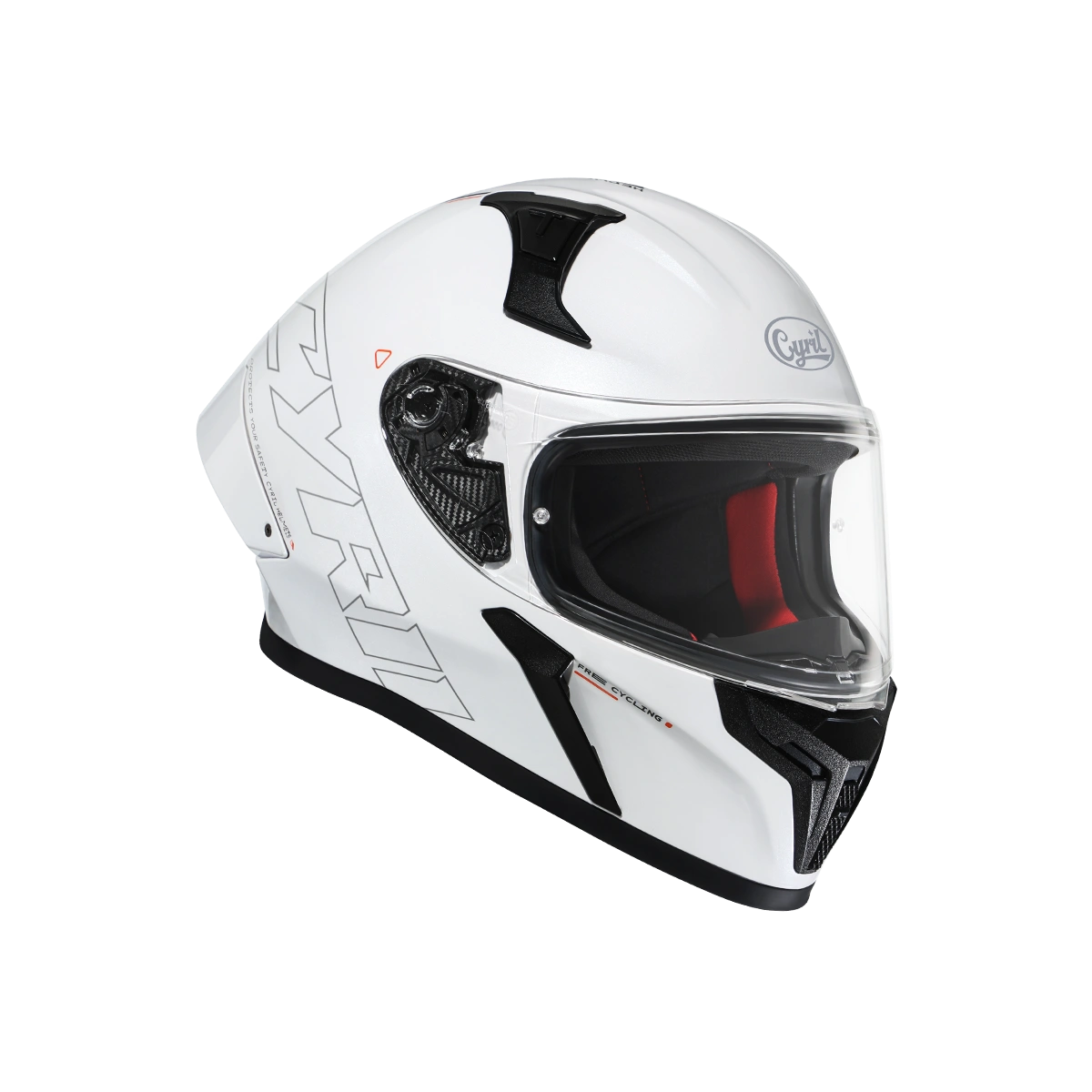
Best for Daily Sweat and Commuting
The Mad Shark Full Face Helmet is a practical choice for riders who need simple after-work care. Its removable washable liner lets you clean sweat-prone padding instead of masking odor, while active ventilation helps manage heat during regular road riding. The ABS shell, multi-layer EPS, and clear visor view make it a straightforward daily helmet for riders who want care routines they will actually keep.
View Mad Shark
Best for Mixed Riding and Faster Drying Routines
The R1-PRO Full Face Helmet suits riders who split time between commuting and longer weekend rides. Its ventilation and removable washable liner make it easier to manage sweat cycles, rain exposure, and liner washing without turning every cleaning session into a full-day drying problem. DOT FMVSS 218 and ECE 22.06 information, magnetic visor release, and a stable full-face profile support the same care routine across short and longer rides.
View R1-PRO
Best for Rain Stops and Touring Convenience
The A128 Dual Visor Modular Helmet is useful for riders who make frequent stops in changing weather. The flip-up modular design makes it easier to open the helmet for airflow during breaks, while the removable washable liner helps with post-rain and post-sweat drying. The clear outer shield, inner sun visor, wide-view comfort, and DOT FMVSS 218 plus ECE 22.06 information fit touring riders who need a helmet that stays manageable day after day.
View A128The best helmet drying routine is boring: towel pressure, moving air, shade, time, and open storage. It is less satisfying than blasting the liner with heat, but it respects the materials inside the helmet. If you have to choose between faster and safer, choose safer. A helmet that smells fresh but has been cooked, warped, or soaked in harsh chemicals is not better cared for.
Common Questions About Drying a Motorcycle Helmet Liner
How long does a motorcycle helmet liner take to dry?
Removable cheek pads and crown liners usually need overnight drying with a fan after washing, and sometimes 24 hours if the foam is thick or the room is humid. A rain-damp helmet may dry in several hours if you remove pads, towel press, open vents, and use moving air. If the pads still feel cool, heavy, or clammy in the center, they are not fully dry.
Can I use a hair dryer on my helmet liner?
Use only a cool-air or no-heat setting, keep the dryer moving, and hold it away from the padding. Avoid high heat. The outside fabric may feel dry quickly while deeper foam remains damp, and concentrated heat can stress adhesives, rubber trim, plastic vent pieces, or EPS nearby. A room fan is slower but safer.
Can I put helmet pads in a dryer?
Do not put helmet pads in a tumble dryer unless the helmet manufacturer specifically allows it. Heat and tumbling can distort foam, stretch fabric, damage snaps, or change how the pads fit against your face. Press water out with a towel, reshape the pads, and air dry them flat with moving air.
What should I do if my helmet got soaked in rain?
Remove the helmet from any bag or trunk as soon as you get home. Open the visor and vents. Remove washable pads if your helmet allows it, press moisture out with a towel, and place the shell and pads in a dry room with a fan. Do not leave wet gloves inside the helmet. If the helmet has electronics installed, remove or protect them according to their instructions before drying.
Why does my helmet smell musty after washing?
Musty smell after washing usually means the liner stayed damp too long or was stored before the deep foam dried. It can also happen when soap was not rinsed fully and residue trapped moisture. Rinse gently, press water out with a towel, dry with moving air, and do not reinstall pads until the center of the foam feels dry, not cool or clammy.
Can mold grow inside motorcycle helmet padding?
Yes, if moisture stays trapped long enough, especially with sweat residue and poor airflow. Helmet padding is not the same as drywall or carpet, but the moisture-control principle is similar: wet porous materials need to dry quickly. If you see visible growth or the musty odor returns after proper cleaning and drying, replace removable pads when available rather than repeatedly spraying chemicals inside the helmet.
Should I ride with a damp helmet liner?
A slightly cool liner is uncomfortable; a truly damp liner can distract you, chill your face in cold weather, fog the visor more easily, and keep odor-causing residue active. If the helmet is still wet from rain or washing, dry it more before riding when possible. If you must ride, open vents, avoid long sealed storage afterward, and dry the helmet fully as soon as you get home.
When should I replace cheek pads or liner instead of washing again?
Replace removable pads when they stay musty after proper washing and full drying, show visible mold, have damaged foam, no longer snap securely into place, or have packed down enough to make the helmet feel loose. Cleaning cannot restore foam shape or attachment strength. If replacement pads are not available and the helmet fit has changed, consider replacing the helmet.
Final Notes
A dry helmet is easier to wear, easier to clean, and less likely to develop the stubborn odor that makes riders avoid the gear they need most. The routine does not require special equipment. It requires you to open the helmet, remove washable parts, press out moisture, and let moving air do the work before the damp smell sets in.
The habit matters more than the one-time rescue. After rain, after washing, and after sweaty rides, do not trap moisture in the shell. Give the helmet an open, dry place to recover. If the liner is removable, use that feature. If the odor keeps returning despite careful cleaning and drying, the pads may be telling you they are done. Fresh padding and correct fit are part of helmet care, not cosmetic upgrades.