
Why Does My Motorcycle Helmet Feel Fine at Home but Hurt After Riding?

Why Does My Motorcycle Helmet Feel Fine at Home but Hurt After Riding?
A helmet can pass a quick home try-on and still hurt on the road because pressure points need time, riding posture, heat, wind load, glasses, and strap tension to show up.
If your motorcycle helmet feels fine at home but hurts after riding, first map where it hurts. Cheek pads may soften slightly, but sharp forehead, temple, crown, jaw, ear, or neck pain usually points to head-shape mismatch, wrong size, liner seating, strap position, glasses, jacket collar, or riding posture. Do a clean 30-minute home test before riding, and do not modify the impact liner to force a bad fit.
This guide uses official fit guidance from the NHTSA motorcycle helmet fit resource, especially its advice on pressure points, head shape, even pressure, and pre-ride wear testing. Product references are checked against official Cyril product information, and the article avoids unverified claims about injury prevention, test results, weight, sizing ranges, or guaranteed comfort.
Why It Hurts Only After Riding
Most home try-ons are too short. A rider puts the helmet on, fastens the strap, looks in the mirror, nods a few times, and decides the size is fine. That catches obvious looseness, but it misses slow pressure points.
On the road, the fit changes. You lean forward, turn your head, breathe through the chin bar, sweat into the liner, and feel wind push against the shell. A small forehead ridge or temple pinch that felt harmless for five minutes can become the only thing you notice after the first gas stop.
Rider example: Emma, daily commuter. Her helmet felt snug at home, but after two 20-minute commutes a forehead hotspot became a steady ache. The size was correct on paper; the internal shape was not right for her head.
Map the Pain Before You Blame the Whole Helmet
The pain location matters more than the general feeling of “too tight.” Forehead pain, temple pressure, cheek squeeze, crown pressure, jaw soreness, folded ears, and neck rub usually come from different causes.
A quick clue: notice what you want to adjust first at a stop. Lifting the helmet points to crown or eye-port position. Pressing the sides points to temple width. Moving your jaw points to cheek pads or strap position. Pushing glasses back into place points to frame and liner interference.
| Where it hurts | What it often means | What to check before riding again |
|---|---|---|
| Forehead | The helmet may be too round for a longer head shape, or a liner seam may be creating a hotspot. | Wear it 30 minutes at home and check whether the mark is broad and even or sharp and painful. |
| Temples or sides | The shell shape may be too narrow, or glasses arms may be trapped under the liner. | Test without glasses, then with the exact riding glasses you use. |
| Cheeks or jaw | Firm cheek pressure can be normal; jaw pain, numbness, or biting your cheeks is not. | Open and close your mouth. Mild cheek squish is different from painful jaw compression. |
| Crown or top | The helmet may not be seated fully, or the comfort liner may be misaligned. | Reseat removable comfort liner parts if the helmet design allows it. |
| Back of neck | Helmet angle, jacket collar, hoodie fabric, or riding posture may be interfering. | Test with your actual riding jacket fastened, not just a T-shirt. |
Snug Break-In or Wrong Fit?
A new helmet should feel snug, not loose. NHTSA advises riders to watch for pressure points and wear a helmet before riding because discomfort may not appear immediately.
Cheek pads can settle slightly. Sharp forehead or temple pain is different. Do not wait for the hard impact liner to “break in,” and do not carve, heat, crush, or sand it.
- Normal snug: firm cheek pressure, stable shell, no sharp pain, and no need to loosen the strap.
- Possible break-in: cheek pads feel firm but do not create jaw pain, numbness, or uneven bite pressure.
- Warning sign: one small point on the forehead, temple, crown, or jaw gets worse every 10 minutes.
- Wrong direction: you loosen the strap, avoid head checks, or rush home because the helmet hurts.
- Return-window issue: the helmet hurts during a clean home test before the first ride.
Do the 30-Minute Home Test Before the First Ride
Keep the packaging safe and test the helmet indoors before road use. Fasten the strap and wear it for at least 30 minutes. Put on your riding glasses, zip your jacket collar, lean forward, and look over both shoulders.
After removing the helmet, check your face and head. Broad cheek marks are not automatically a problem. A deep red point, forehead headache, sore jaw, numb ear, or relief the moment you remove the helmet is more useful information.
Rider example: Marcus, weekend highway rider. His helmet felt fine during short errands, but highway posture pushed the shell into his brow after 45 minutes. A home test with his jacket zipped showed the problem before the next long ride.
What You Can Adjust Safely
Start with parts designed to move: reseat removable liners and cheek pads, flatten the strap, check buckle position, and put glasses on after the helmet if that gives the frames a cleaner path.
If the helmet supports replaceable cheek pads or liner pieces, those may help fine-tune comfort. That is different from altering the EPS impact liner. If the pressure comes from shell shape or impact-liner contact, the safer answer is usually a better-matched helmet.
Also test your gear. A thick hoodie, tall jacket collar, balaclava, glasses arms, or Bluetooth speaker can turn a borderline fit into pain. Your fit test should include the setup you actually ride in.
How to Choose Better Next Time
Use the pain as a buying note. Do not write down only the size. Write down where it hurt, when it started, what gear you wore, and whether glasses, strap position, or jacket collar changed the pressure.
For online buying, compare helmets by use case as well as size. A commuter may care about washable liner, ventilation, and stable short-ride comfort. A highway rider may care more about shell stability and visor operation. A glasses wearer may prefer modular convenience or a liner shape that does not trap the frame arms.
Before keeping the next helmet, repeat the same test that exposed the old problem. If your old helmet hurt after 30 minutes, do not approve the new one after three minutes.
Cyril Helmets to Compare for Ride-Time Comfort
Use product cards as starting points, not as a substitute for fit testing. The same size label can feel different across head shapes, riding posture, glasses, and liner preferences.
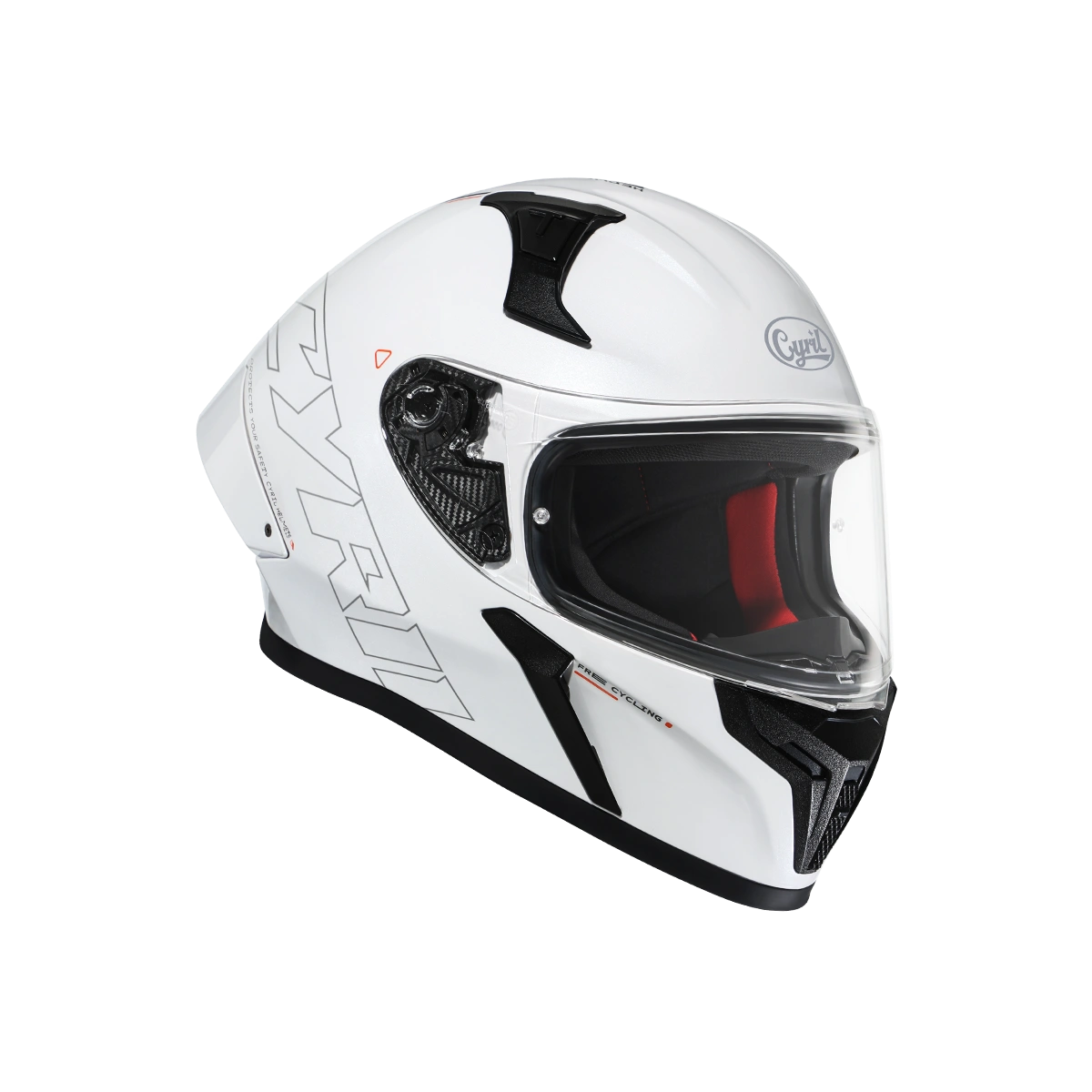
Best for Daily Fit Checks
The Mad Shark Full Face Helmet is a daily-road option to compare if your priorities include a full-face helmet, ABS shell, multi-layer EPS, active ventilation, clear visor view, and removable washable liner.
View Mad Shark
Best for Stop-and-Go Convenience
The A128 Dual Visor Modular Helmet fits riders comparing flip-up modular convenience, clear outer shield, inner sun visor, wide-view comfort, removable washable liner, and stated DOT FMVSS 218 and ECE 22.06 information.
View A128
Best for Sport-Inspired Full-Face Feel
The R1-PRO Full Face Helmet is worth comparing if you want a sport-inspired profile, magnetic visor release, ventilation, removable washable liner, stable full-face shell profile, and stated DOT FMVSS 218 and ECE 22.06 information.
View R1-PROIf a new helmet hurts after real riding time, repeat the home test before the return window closes. Keep the packaging until you know whether the issue is mild cheek-pad break-in, gear interference, or a shape mismatch that will not improve safely.
Common Questions About Helmet Pain After Riding
Is it normal for a new motorcycle helmet to hurt after riding?
No, not if the pain is sharp, one-sided, or getting worse with time. A new helmet can feel firm, especially at the cheeks, but forehead, temple, crown, or jaw pain after 30 to 45 minutes needs a fit check.
How long should I wear a helmet at home before deciding it fits?
Use at least 30 minutes. Fasten the strap, wear your riding glasses or head layer if you use them, and check whether pressure points appear before road use.
Will motorcycle helmet cheek pads break in?
Cheek pads can soften slightly. Jaw pain, numbness, biting your cheeks, or one pad pressing much harder than the other should not be dismissed as normal break-in.
Can I modify the foam inside my helmet to remove a pressure point?
Do not cut, sand, heat, crush, or carve the impact liner. Use only manufacturer-supported liner or cheek-pad changes. A hard pressure point usually means the shape is wrong for your head.
Why does my helmet hurt only after highway riding?
Highway riding adds wind load, fixed posture, and longer continuous time in the helmet. A small brow, temple, or neck pressure point can become painful after 40 minutes at speed.
Can glasses make a helmet feel painful after riding?
Yes. Thick glasses arms can press into the temples or get trapped under the liner. Test the helmet with the exact frames you ride in.
What if the size chart says the helmet is correct but it still hurts?
A size chart measures circumference. It does not guarantee the internal shape matches your head. If pain appears in one specific area, compare head shape and liner placement.
Should I return a helmet that hurts after one ride?
If the pain is sharp, repeatable, and appears during a clean home wear test, exchange or return may be smarter than hoping it disappears. Do not ride with the strap loosened to manage pain.
Final Notes
A helmet that feels fine at home but hurts after riding is giving you delayed fit feedback. Map the pain, test it with your real gear, and decide before the return window closes. Mild cheek firmness may settle; sharp pressure that changes how you ride deserves a better answer than “just break it in.”