
Why Is My Motorcycle Helmet Visor Hard to Open or Close?

Why Is My Motorcycle Helmet Visor Hard to Open or Close?
A stiff visor usually comes from dirt, seal contact, uneven shield seating, latch wear, cold-weather stiffness, or cleaning residue. The important part is not to force it before you know where it is sticking.
If your motorcycle helmet visor is hard to open or close, identify where it sticks first: the first lift, halfway through travel, final latch, or one hinge side. Clean gently, check both pivot sides, inspect the lower seal, and stop riding if the visor will not stay closed, blocks clear vision, or needs both hands to operate.
This guide was built from manufacturer maintenance guidance, including SHOEI helmet maintenance information, and public fit guidance from the NHTSA motorcycle helmet resource. Product references were checked against official Cyril product information, and the article avoids unverified claims about guaranteed visibility, crash outcomes, prices, weights, inventory, certification numbers, or universal compatibility.
Why a Motorcycle Helmet Visor Gets Hard to Open or Close
A hard visor is often a small mechanical or cleaning issue. Bugs dry along the lower edge, dust collects near the pivot, a seal folds after storage, or the shield sits slightly uneven after being removed for cleaning.
The mistake is forcing it. Pulling harder from one side can twist the shield against the base plate and turn a simple cleaning issue into a damaged tab or uneven hinge.
Cold weather can also make visor parts and seals feel less flexible. Warm the helmet indoors and test again. If the same point still binds, look for dirt, seating, seal contact, or damaged parts.
Rider example: Mia, city commuter. Her visor started sticking after rainy commutes and bug residue. Cleaning around the lower seal fixed the first-click resistance before she damaged the shield by pulling harder.
Find Where the Visor Is Fighting You
Do not diagnose the problem as just “stiff.” Where it sticks tells you what to inspect. Open and close the visor slowly while watching both sides. If one side rises first, the shield may not be seated evenly. If the final latch feels rough, check the tab and lower gasket.
| What you notice | Likely meaning | What to check next |
|---|---|---|
| It sticks at the first lift | Latch, tab, or lower seal may be resisting movement | Check the shield tab, gasket, and whether the visor is fully seated |
| It opens halfway then binds | One pivot side may be dirty, dry, or misaligned | Compare both sides and inspect the pivot area for grit |
| It closes but pops open | Latch or shield edge may not be engaging | Do not ride until the shield closes predictably and stays closed |
| It changed after cleaning | The visor may be reinstalled unevenly or have residue near the hinge | Follow the helmet manual and reseat only if the design supports removal |
| It is worse in cold weather | Plastic and seal parts may feel stiffer | Warm the helmet indoors and test again before assuming damage |
Clean Before You Adjust or Replace Parts
Many hard-opening visors are dirty, not broken. SHOEI's public maintenance information warns that plastic parts can be sensitive to solvent-containing agents and points riders toward water or mild neutral cleaning agents for plastic parts.
Soften bug residue instead of scraping it. Use water and a clean soft cloth unless your helmet manual says otherwise. Avoid household window cleaners, solvent-heavy sprays, gasoline, aggressive degreasers, abrasive pads, and dirty shop towels.
After cleaning, let the shield and pivot area dry fully. If movement improves, contamination was likely the cause. If the same point still binds, move to seating, seal contact, or part inspection.
Check Seating, Seal Contact, and One-Sided Movement
A quick-release visor can still be installed slightly wrong. One side may click in while the other sits a little off. The visor can look attached but move unevenly, especially if you close it from one corner.
The lower seal matters too. A folded, dirty, dry, or compressed gasket can make the visor feel like the latch is failing. If the shield closes only when you press one side, inspect the shield, base plate, and seal before riding.
Do not sand tabs, bend the visor, add tape to build up a latch, or apply random oils. If a part is worn, cracked, missing, or will not hold the shield closed, replacement or support is cleaner than improvising.
When a Hard Visor Becomes a Riding Problem
A stiff visor becomes serious when it changes how you ride. If you avoid closing it, ride with fog longer than you should, need both hands to move it, or fight it while rolling, treat it as a pre-ride issue.
- Do not ride if the visor will not stay closed.
- Do not force one side until the shield twists.
- Do not use harsh cleaners to solve mechanical resistance.
- Do not ignore a cracked tab, damaged pivot, or shield that pops open.
- Do test the visor with gloves before assuming it is easy to use on the road.
Cyril Helmets to Compare for Visor Use
When visor behavior matters, compare shield style, confirmed helmet features, liner care, and how the helmet fits your ride. Product cards are starting points, not a replacement for a clean home check.
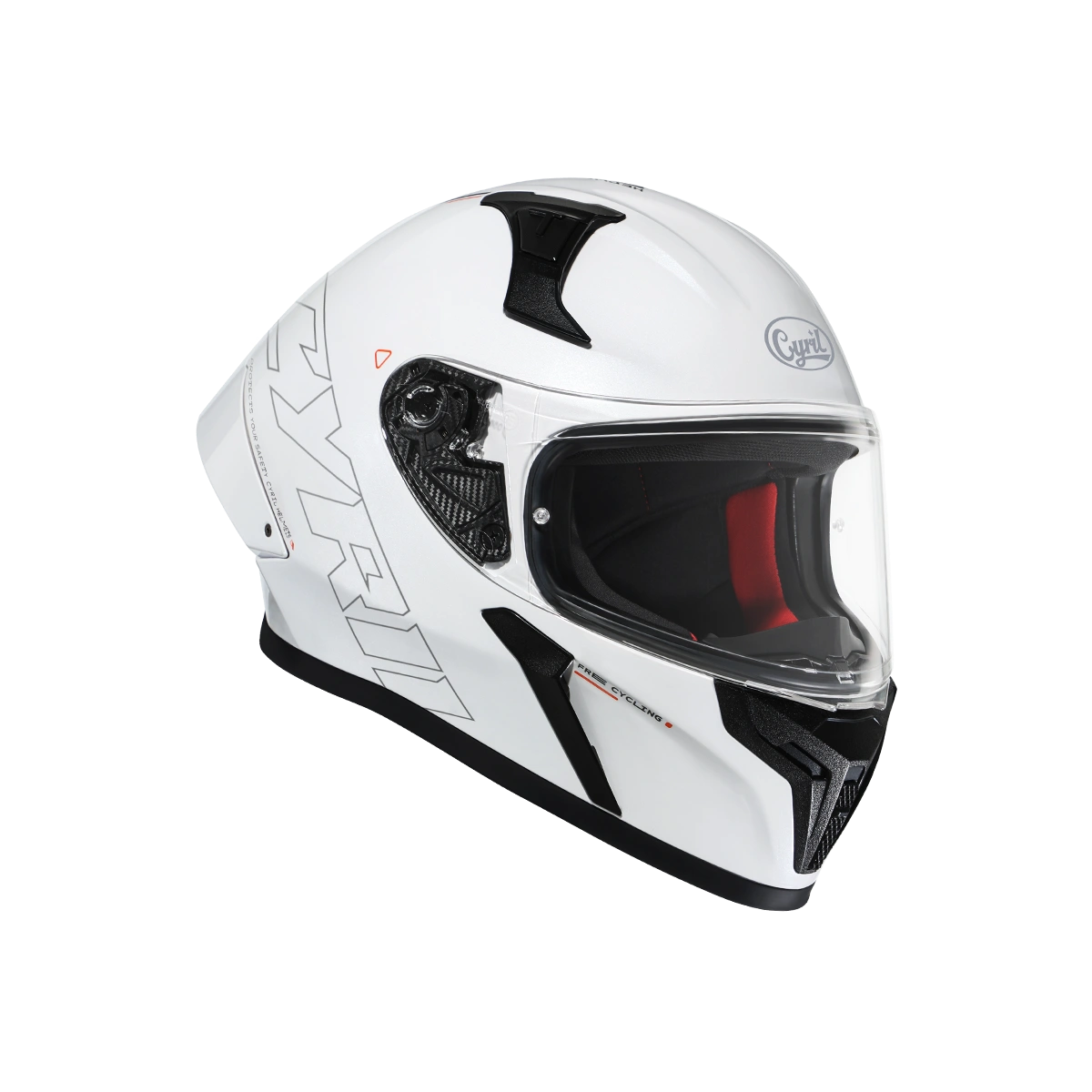
Best for Daily Visor Checks
The Mad Shark Full Face Helmet is worth comparing if you want a full-face helmet with ABS shell, multi-layer EPS, active ventilation, clear visor view, removable washable liner, and daily-road use.
View Mad Shark
Best for Stop-and-Go Shield Use
The A128 Dual Visor Modular Helmet fits riders comparing flip-up convenience, clear outer shield, inner sun visor, wide-view comfort, removable washable liner, and stated DOT FMVSS 218 and ECE 22.06 information.
View A128
Best for Sport-Inspired Shield Stability
The R1-PRO Full Face Helmet is worth comparing if you want a sport-inspired profile, magnetic visor release, ventilation, removable washable liner, stable full-face shell profile, and stated DOT FMVSS 218 and ECE 22.06 information.
View R1-PROIf your visor is hard to open or close, solve the cause before weather, traffic, or gloves make it harder. A predictable visor should open, close, and latch without forcing, twisting, or distracting you from the road.
Common Questions About Hard-to-Move Helmet Visors
Can I use lubricant on a motorcycle helmet visor hinge?
Only use products or methods allowed by the helmet manufacturer. Random oils or sprays can attract grit, stain liners, affect plastic parts, or leave residue near seals.
Why does my visor close on one side before the other?
That often points to uneven seating, a worn base plate, or a shield twisted during installation. Reinstall only if the helmet design supports that process.
Is a hard visor normal on a new helmet?
A new visor may feel firm, but it should move predictably and latch securely. If it requires unusual force, binds halfway, or pops open, inspect it before riding.
Can a dirty visor seal make the shield hard to close?
Yes. Dried bugs, dust, cloth fibers, or cleaner residue near the lower gasket can make the latch feel wrong. Clean gently before assuming a part is broken.
Should I ride if the visor will not stay closed?
No. If the visor will not stay closed, can blow open, or distracts you at speed, resolve the issue before riding.
Why did my visor get stiff after washing the helmet?
It may have cleaner residue near the pivot, a folded seal, or a visor reinstalled slightly wrong. Let it dry, inspect both sides, and follow the model-specific manual.
Can cold weather make a visor harder to open?
Cold can make plastic parts and seals feel stiffer. Warm the helmet indoors and test again before assuming damage.
When should I replace the visor instead of cleaning it?
Replace it when it is cracked, deeply scratched, distorted, does not latch, has damaged tabs, or continues to bind after correct cleaning and seating.
Final Notes
A hard visor is usually fixable, but it should not be forced. Clean gently, check seating, inspect the seal, and replace or ask support when the shield will not latch or keeps binding in the same place.