
How to Compare Two Motorcycle Helmets With the Same Safety Rating

How to Compare Two Motorcycle Helmets With the Same Safety Rating
When two motorcycle helmets show the same safety rating information, the better choice is not automatically the cheaper one, the better-looking one, or the one with more features. Compare fit, head shape, visor use, ventilation, liner care, return terms, and the ride you actually take every week.
If two motorcycle helmets have the same safety rating, start by confirming the rating information, then compare the factors that decide real use: even fit pressure, head-shape match, visor visibility, ventilation, liner removability, strap comfort, riding posture, return window, and whether you can wear the helmet correctly for 30 to 45 minutes without pain or distraction.
This guide uses public helmet selection and fit guidance from the NHTSA motorcycle helmet resource, especially its guidance on DOT information, helmet fit, pressure points, and wearing a helmet before riding to identify discomfort. Product examples are checked against official Cyril product information, and the article avoids unverified claims about guaranteed protection, test results, prices, weights, inventory, certification numbers, size ranges, or universal comfort.
What the Same Safety Rating Does and Does Not Mean
Seeing the same rating information on two helmets is useful. It tells you both products are making a similar type of safety-standard claim or certification statement for the market you are checking. It does not tell you that the two helmets will fit your head the same way, feel the same after an hour, manage fog the same way, or suit the same riding routine.
This is where many online buyers make the decision too early. They narrow the choice to two helmets, see similar rating language, and decide the lower price or better color wins. That may work, but it can also hide the real reasons riders return helmets: forehead pressure, cheek pain, visor frustration, heat, glasses interference, or a strap that never feels natural.
NHTSA's public helmet guidance links safety information with correct fit. That pairing matters. A helmet only works as intended when it is the right style, sits correctly, stays stable, and is fastened properly. Once rating information is comparable, your next question is not “Which one has the same sticker?” It is “Which one can I wear correctly on my real ride?”
Why Fit Becomes the Real Tie-Breaker
Fit is the first serious comparison after rating information because size labels are not enough. A medium in one helmet can feel different from a medium in another. Head circumference does not reveal whether the internal shape is too round, too narrow, too shallow, or too aggressive at the cheeks.
If you have ever felt a sharp forehead hotspot, temple pressure from glasses, jaw soreness from cheek pads, or a helmet that moved at highway speed, you already know why fit outranks feature lists. A helmet with fewer extras but a stable even fit can be more useful than one with a long feature list and a pressure point you try to ignore.
A practical way to compare is to wear each helmet clean at home for 30 to 45 minutes. Fasten the strap. Put on your glasses if you ride with them. Zip your jacket collar. Turn your head as you would for shoulder checks. The helmet that remains evenly snug without sharp pain usually deserves more trust than the one you want to remove after 12 minutes.
Compare Features by Problem, Not by Quantity
More features are not automatically better. A drop-down sun visor matters if you ride into low sun. A removable washable liner matters if you sweat through weekday commutes. A modular design matters if you wear glasses, stop often, or need flip-up convenience. A stable full-face shell profile matters if your ride is mostly highway and you value a simple one-piece feel.
Before choosing, write the problem each feature solves. If a feature does not solve a real problem, it should not decide the purchase. The right helmet is the one whose features match your routine without creating new fit, weight, visor, or maintenance annoyances.
| Comparison point | Why it matters | Question to ask |
|---|---|---|
| Fit shape | Same size can still feel different on the forehead, temples, cheeks, and crown | Which helmet gives even pressure after 30 to 45 minutes? |
| Visor system | Daily use depends on clear view, latch feel, and shield operation with gloves | Can I open, close, clean, and replace the visor easily? |
| Ventilation | Heat can turn a good short test into a sweaty commute problem | Does this helmet match my climate and stop-and-go riding? |
| Liner care | Odor, sweat, and long-term comfort depend on maintenance | Is the liner removable and washable if the product confirms it? |
| Helmet style | Full face, modular, and other styles solve different routine problems | Do I need stable simplicity, flip-up convenience, or glasses-friendly access? |
Match the Helmet to Your Real Riding Routine
The best choice on paper may not be the best choice for your week. A daily commuter who rides in heat and traffic has different pain points from a weekend highway rider. A rider with glasses has different needs from someone who never removes the helmet until the ride ends. A first-time buyer may need clear return support more than a feature they barely understand.
Think about your most annoying ordinary ride. Maybe it is rain after work, low sun on the way home, fog at red lights, a sweaty liner in July, or a neck ache after the second hour. Compare the helmets against that ride, not against a perfect product photo.
Use the Return Window Before You Commit
Online helmet buying has one uncomfortable truth: you may not know the real fit until the helmet is on your head for longer than a mirror check. That is why the return window matters. Keep the packaging, keep the helmet clean, and test fit indoors before road use if the store policy requires that condition.
Do not wait until the last day to compare two helmets. Wear each one long enough to reveal pressure points. Check whether your glasses slide in. Fasten the strap. Test the visor. Put on the jacket you actually ride with. If one helmet makes you bargain with yourself after half an hour, write that down. The return window is for learning, not for hoping.
For borderline decisions, write a short comparison note before returning either helmet: pressure points, visor feel, glasses fit, strap comfort, liner care, support answers, and which helmet you wanted to remove first. The winner should be the one that remains boring in the best way: stable, clear, comfortable enough, and easy to wear correctly. If you cannot explain why one helmet fits your ride better beyond price or appearance, the comparison is not finished yet.
Cyril Helmets to Compare After Rating Information
Use these products as comparison starting points after you have checked rating information and fit requirements. Do not choose by one feature alone; choose by the ride problem you need to solve.
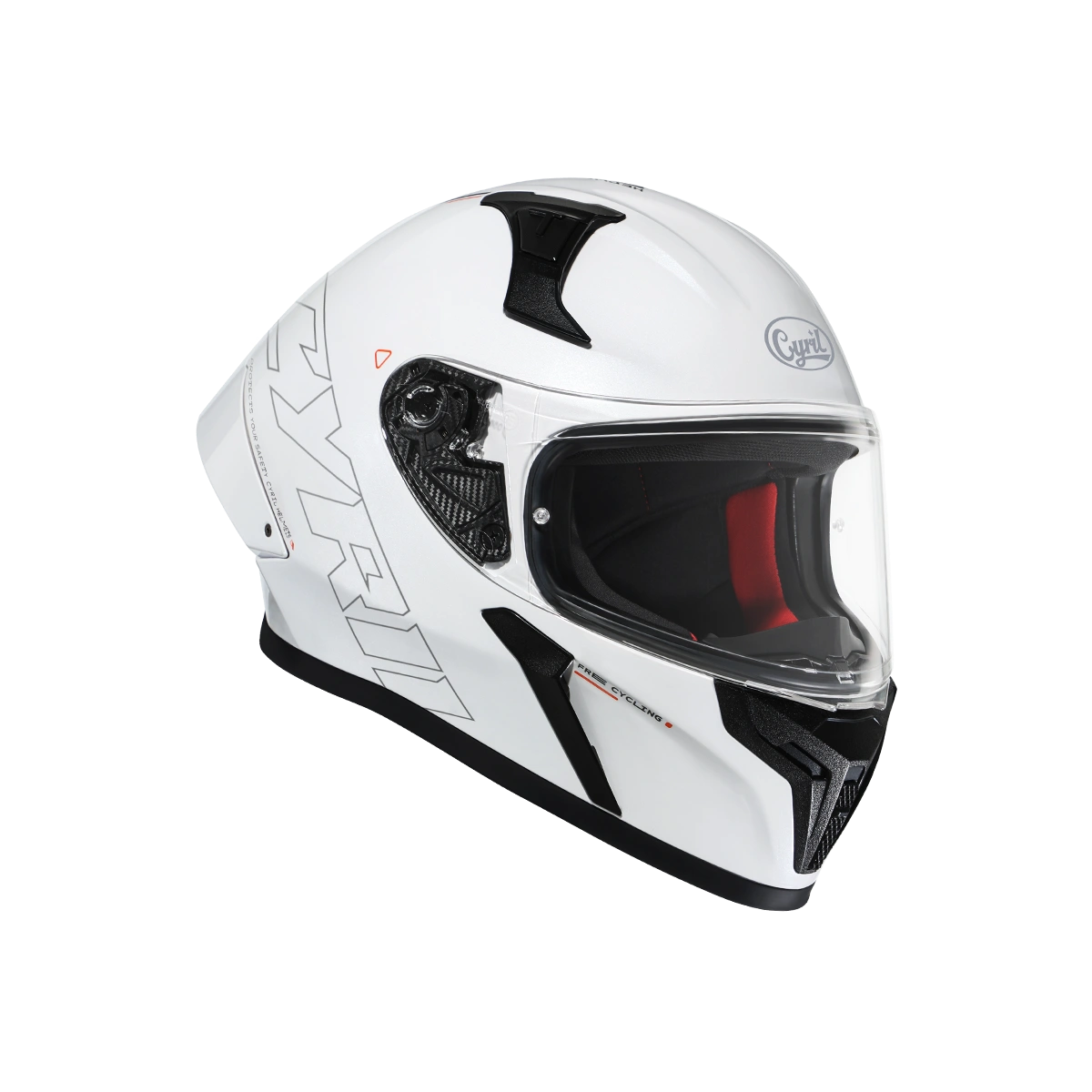
Best for Daily Commuters
The Mad Shark Full Face Helmet is worth comparing after you have checked rating information because it includes confirmed details such as full-face helmet, ABS shell, multi-layer EPS, active ventilation, clear visor view, removable washable liner, and daily commuting or regular road riding use.
View Mad Shark
Best for Stop-and-Go Riders
The A128 Dual Visor Modular Helmet is worth comparing after you have checked rating information because it includes confirmed details such as dual visor modular helmet, flip-up modular convenience, clear outer shield, inner sun visor, wide-view comfort, removable washable liner, and stated DOT FMVSS 218 and ECE 22.06 information.
View A128
Best for Sport-Inspired Full-Face Feel
The R1-PRO Full Face Helmet is worth comparing after you have checked rating information because it includes confirmed details such as sport-inspired profile, magnetic visor release, ventilation, removable washable liner, stable full-face shell profile, and stated DOT FMVSS 218 and ECE 22.06 information.
View R1-PROIf two helmets appear equal on rating information, choose the one that fits evenly, works with your gear, solves your real ride problem, and can be tested cleanly before the return window closes.
Common Questions About Comparing Same-Rated Helmets
If two helmets have the same safety rating, are they equally safe?
A shared rating means they are presented under the same type of safety-standard information, but it does not mean they fit the same, manage comfort the same, or suit every rider equally. Fit and correct use still matter.
Should I choose the cheaper helmet if the rating is the same?
Price can matter, but compare fit, visor quality, liner care, support, and return terms first. A cheaper helmet that you avoid wearing or cannot fit correctly is not automatically the better value.
Is full face always better than modular when ratings look similar?
Not always for every rider. Full-face helmets offer a stable one-piece shell profile, while modular helmets can add stop-and-go convenience. Choose based on fit, riding routine, and whether the modular design solves a real problem.
What feature matters most after safety rating?
Fit usually comes first. After that, compare visor visibility, ventilation, liner care, strap comfort, noise behavior, and the way you ride most often.
Can product photos help me compare helmets?
Yes, if you look beyond color. Check the visor hinge, vents, liner, chin area, strap layout, shield shape, and whether the helmet style fits your riding needs.
Should return policy affect my helmet choice?
For online helmet buying, yes. Fit is personal, and a clean home test may reveal pressure points. A clear return path reduces the chance of keeping a helmet that is wrong for your head.
How long should I test each helmet at home?
Use 30 to 45 minutes with the strap fastened and your real riding gear. Compare pressure points, jaw comfort, glasses fit, and whether the helmet remains stable when you turn your head.
Can I compare helmets by weight alone?
Do not use weight alone unless verified by the product source and meaningful for your ride. Balance, shell shape, fit, and wind behavior can affect fatigue as much as a number on a page.
Final Notes
When two motorcycle helmets show the same safety rating information, the smarter comparison becomes practical. Check the fit, the ride routine, the visor, the liner, the return path, and the problem you are actually trying to solve. The best helmet is the one you can wear correctly, comfortably, and consistently.