
What to Ask Customer Support Before Buying a Motorcycle Helmet Online

What to Ask Customer Support Before Buying a Motorcycle Helmet Online
Before buying a motorcycle helmet online, the best support questions are specific: fit shape, return condition, visor replacement, liner care, glasses comfort, certification information, and what details are actually confirmed on the product page.
Ask customer support about fit shape, clean home try-on rules, return condition, glasses compatibility, visor replacement, liner removability, cheek-pad options, certification wording, and which product details are confirmed rather than assumed. The goal is to avoid buying a helmet that looks right online but hurts, fogs, smells, or cannot be returned after one real ride.
This guide uses public helmet selection guidance from the NHTSA motorcycle helmet resource, especially its fit, rating, pressure-point, and pre-ride wear-test recommendations. Product examples are checked against official Cyril product information, and the article avoids unverified claims about guaranteed comfort, injury prevention, prices, weights, inventory, certification numbers, size ranges, or universal compatibility.
Why Support Questions Matter Before Checkout
Most online helmet mistakes begin before the rider clicks buy. The product photo looks clean, the size chart looks simple, and the rating language looks reassuring. Then the box arrives, and the real questions appear: does the shell shape match your head, do your glasses fit, does the visor operate with gloves, and can you still return it if the forehead pressure shows up during a home test?
Customer support cannot try the helmet on for you, but it can help you avoid vague buying. The question “Is this helmet comfortable?” is too broad. A better question is “I measure between two sizes and usually get forehead pressure after 30 minutes; what should I check before keeping this model?” Specific questions give support something practical to answer.
Ask About Fit Shape Before You Ask About Features
The first support topic should be fit. A size chart gives circumference, but helmet comfort also depends on head shape, cheek-pad pressure, crown depth, glasses clearance, and the way the helmet enters over the ears. NHTSA recommends checking pressure points and wearing a helmet before riding to identify discomfort. That advice fits online buying especially well.
Tell support your head measurement, whether you are between sizes, where previous helmets hurt, whether you wear glasses, and your main ride type. “My old helmet pressed my temples after 20 minutes” is much more useful than “I need a comfortable helmet.” Support may not have every internal-shape detail, but it can often help you decide what to inspect first.
Ask whether the helmet tends to feel firm at the cheeks, whether the liner is removable, whether cheek pads are supported replacement parts, and what a clean home fit test should look like. If support cannot answer a product-specific detail, that is still useful: it tells you not to build a purchase decision around an unconfirmed assumption.
Ask About the Return Window Before the Helmet Arrives
Return rules are not exciting, but they matter more than many features when buying a helmet online. Ask what condition the helmet must remain in, whether tags and packaging are required, whether road use changes eligibility, and how long you have to decide. Do this before you ride, not after a pressure point appears.
The return policy changes your test plan. If the helmet must remain clean and unused on the road, your first real evaluation should be indoors: 30 to 45 minutes, strap fastened, glasses on, jacket zipped, and no removal of tags unless the policy allows it. That test can reveal forehead pressure, folded ears, jaw pain, or a visor issue while the helmet is still in returnable condition.
Many riders make the expensive mistake of “just taking one short ride” to decide. After sweat, road dust, bug marks, or a scratched visor, the return conversation may become harder. Ask early, test cleanly, and decide before the product condition changes.
Ask About Visor, Liner, and Replacement Parts
A helmet is not only a shell. The visor, seal, liner, cheek pads, strap, vents, and optional accessories decide how it feels after the first week. Ask whether the visor is replaceable, whether the liner is removable and washable, whether cheek pads are supported replacement parts, and whether the product page confirms the feature you care about.
If you ride at night, ask about clear shield use and do not assume a tinted visor or inner sun visor solves every visibility problem. If you commute in summer, ask about liner care and ventilation. If you wear glasses, ask whether a modular style or a specific entry method may be more practical than a tight full-face opening.
This is also where Bluetooth questions belong. Ask about speaker-pocket space or installation considerations only when you are actually buying a headset or planning helmet audio. Do not turn a simple helmet fit decision into an accessory decision unless audio is part of your ride.
Ask What Is Confirmed, Not What Sounds Reassuring
Good support separates confirmed product information from assumptions. Ask where the product page states DOT, ECE, shell, liner, visor, or warranty information. Do not ask support to promise that a helmet is the safest, quietest, or comfortable for everyone. Those are not responsible claims, and they do not help you make a better choice.
Instead, ask for practical confirmation: “Does this model list a removable washable liner?” “Where is the certification information shown?” “Is the outer shield clear?” “Does this product page mention an inner sun visor?” “What support path exists if the visor is hard to operate?” Those questions keep the conversation grounded.
If support answers carefully and points to confirmed information, that is a good sign. If the answer invents numbers, claims, or guarantees not shown anywhere, be cautious. A reliable buying process is built on verifiable details and clear limits.
Customer Support Question Checklist
Use this checklist before checkout. You do not need to ask every question for every helmet, but you should ask the questions that match your risk: fit uncertainty, glasses, rain, summer sweat, return-window concern, or certification confusion.
| Your concern | Question to ask | Why it matters |
|---|---|---|
| Between sizes | What clean home fit test should I do before keeping this helmet? | It helps avoid road use before the fit problem is clear. |
| Forehead or temple pain | Does this model have fit feedback around head shape or pressure points? | Circumference does not reveal internal shape. |
| Glasses | What should I check with my actual frames before riding? | Glasses arms can create temple pressure or entry problems. |
| Hot weather | Is the liner removable and washable according to the product page? | Sweat and odor are daily-use issues, not cosmetic details. |
| Certification | Where is DOT, ECE, or other rating information shown for this product? | Support should point to confirmed product information. |
Cyril Products to Ask Support About
These product cards show how to turn product interest into specific support questions. Ask about confirmed features and fit checks, not broad promises.
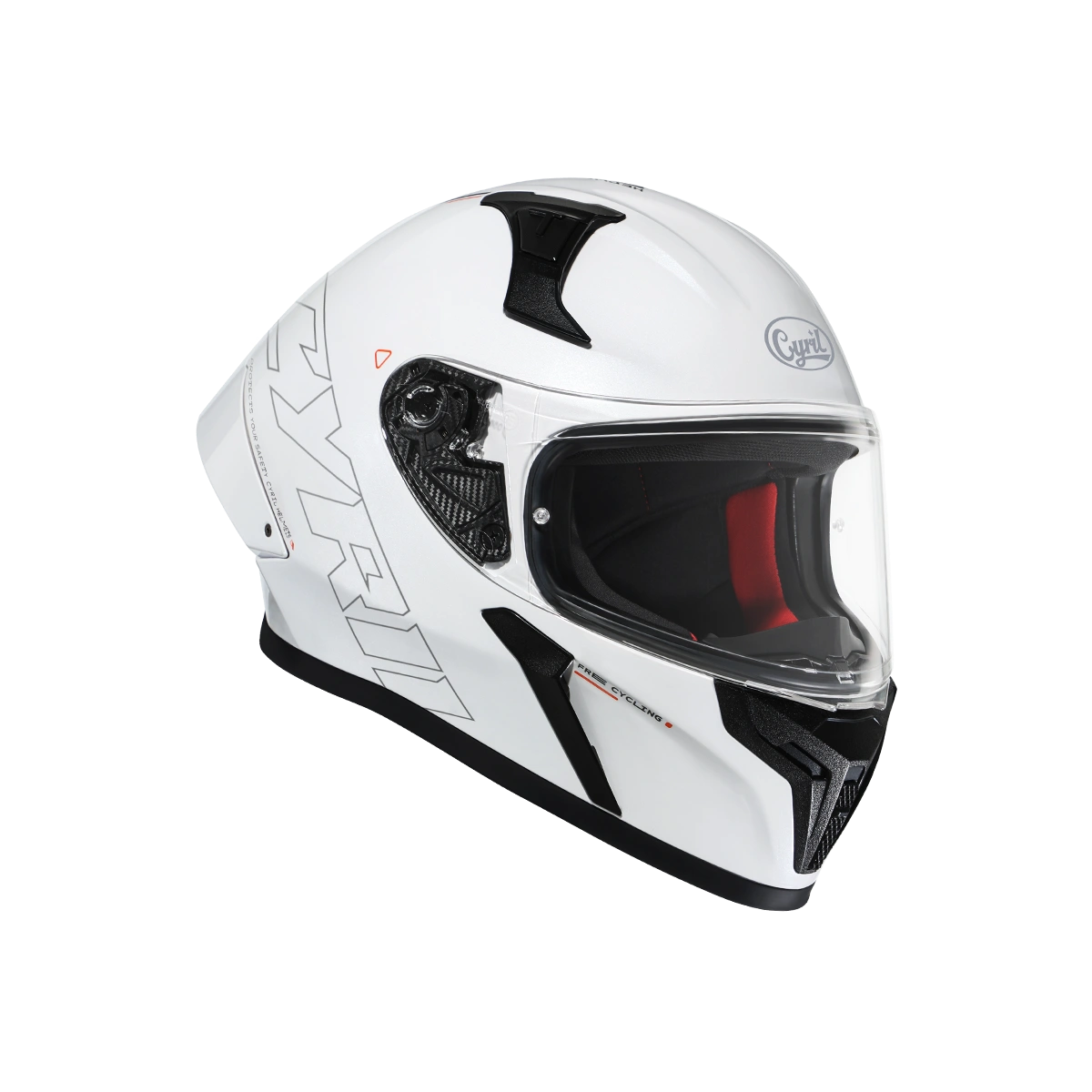
Best for First-Time Full-Face Buyers
The Mad Shark Full Face Helmet is a useful product to ask about when your support question involves confirmed details such as full-face helmet, ABS shell, multi-layer EPS, active ventilation, clear visor view, removable washable liner, and daily commuting or regular road riding use.
View Mad Shark
Best for Support Questions About Convenience
The A128 Dual Visor Modular Helmet is a useful product to ask about when your support question involves confirmed details such as dual visor modular helmet, flip-up modular convenience, clear outer shield, inner sun visor, wide-view comfort, removable washable liner, and stated DOT FMVSS 218 and ECE 22.06 information.
View A128
Best for Sport-Inspired Fit Questions
The R1-PRO Full Face Helmet is a useful product to ask about when your support question involves confirmed details such as sport-inspired profile, magnetic visor release, ventilation, removable washable liner, stable full-face shell profile, and stated DOT FMVSS 218 and ECE 22.06 information.
View R1-PROSend support your head measurement, riding routine, glasses use, old pressure point, and the exact product you are considering. A specific question before checkout is cheaper than discovering the wrong fit after the return condition has changed.
Common Questions About Helmet Support Before Buying
What is the most important question to ask before buying a helmet online?
Ask how to verify fit before riding and what return condition is required. Fit problems are common, and a clean home test gives you information without turning the helmet into used gear.
Should I ask customer support to choose my size?
Support can help interpret your measurement, but you still need to test fit. Give your head circumference, head-shape concerns, glasses use, and previous pressure points so the answer is practical.
Can customer support confirm helmet safety certification?
They can point you to product-page certification information or official product documentation. They should not invent certification numbers, test outcomes, or promises not shown by the product source.
What should I ask if I wear glasses?
Ask about entry angle, temple pressure, modular convenience, liner shape, and what to test with your exact frames. Then run the home fit test with those frames before riding.
Should I ask about replacement visors before buying?
Yes. If you commute, ride in rain, or ride at night, shield clarity matters. Ask whether replacement visors are supported and how to care for the shield without damaging coatings.
What should I ask about helmet liners?
Ask whether the liner and cheek pads are removable or washable, whether replacement comfort parts exist for that model, and how the helmet should be dried after cleaning.
Can support tell me if a helmet will be quiet?
They can describe design features, but wind noise depends on motorcycle, windscreen, posture, fit, and speed. Ask what to check, but avoid expecting a universal noise guarantee.
How should I phrase a support question?
Use specifics: your head measurement, riding type, glasses, weather, old helmet issue, and the exact product you are considering. Specific questions get more useful answers than “Is this helmet comfortable?”
Final Notes
Customer support is most useful before you have committed to the wrong helmet. Ask about fit, returns, visor care, liner maintenance, and confirmed product details while the helmet is still only a decision, not a problem you are trying to fix after a ride.