
What Not to Use on a Motorcycle Helmet Shell or Visor

What Not to Use on a Motorcycle Helmet Shell or Visor
A motorcycle helmet should not be cleaned like a car windshield, kitchen counter, or greasy motorcycle part. The wrong cleaner, towel, solvent, or abrasive pad can leave haze, scratches, residue, chemical smell, or damage that only becomes obvious once you ride.
Do not use gasoline, brake cleaner, acetone, harsh solvents, strong degreasers, household glass cleaner, abrasive pads, dirty shop rags, paper towels, aggressive sticker removers, paint, or random sprays on a motorcycle helmet shell or visor unless the helmet manufacturer specifically allows them. Use gentle cleaning, soften debris first, protect coated visor surfaces, and follow the care instructions for your exact helmet.
This guide uses manufacturer care information, including SHOEI helmet maintenance guidance, plus public helmet integrity and fit context from the NHTSA motorcycle helmet resource. Product examples are checked against official Cyril product information, and the article avoids unverified chemical, material, injury-prevention, price, weight, inventory, certification-number, or universal-compatibility claims.
Why Helmet Cleaning Needs a Different Mindset
A motorcycle helmet is made of several surfaces doing different jobs. The outer shell, visor, trim, vents, rubber seals, comfort liner, cheek pads, and impact liner should not all be treated the same way. A product that seems harmless on a bike part may be wrong for a shield coating, plastic vent, adhesive area, or fabric liner that sits close to your skin.
The visor deserves special caution because visibility is unforgiving. Fine scratches can scatter headlights at night. Cleaner residue can leave a haze that looks minor in the garage and distracting in rain. A dirty cloth can drag grit across the shield and create damage while you think you are helping.
The shell also deserves restraint. Strong chemicals may dull finishes, affect trim, or leave residue around seals and vents. This does not mean riders should be afraid to clean their helmets. It means the safest cleaning routine is usually slower, softer, and more specific than whatever spray happens to be on the garage shelf.
Chemicals and Sprays to Avoid
Avoid gasoline, brake cleaner, acetone, lacquer thinner, strong degreasers, aggressive adhesive removers, bleach-heavy mixes, and mystery workshop sprays unless your helmet manufacturer specifically allows them for the exact surface. These products are designed for other jobs, not for helmet shells, visors, seals, liners, or plastic trim.
Even household glass cleaner should not be treated as automatically safe for a helmet visor. A car windshield and a motorcycle helmet shield are not the same surface. Some shields have coatings, inserts, or materials that require gentler handling. Manufacturer maintenance guidance commonly points riders toward water, mild neutral cleaning agents, and soft cloths rather than solvent-heavy products.
The risk is not only visible damage. A cleaner may affect a coating, leave a chemical smell inside the helmet, irritate skin, stain a liner, or sit near seals and vents. If you are unsure, stop and look up the helmet manual or support page before the product dries on the surface.
Do Not Scratch the Helmet While Trying to Clean It
Many visor scratches come from rubbing dirt, not from the dirt itself. Dried bugs and road dust should be softened or rinsed before wiping. If you attack a dry visor with a rough towel, the cloth becomes a sanding tool. A visor can be scratched by one impatient cleaning session after a long ride.
Avoid paper towels, dirty shop rags, abrasive sponges, stiff brushes, old microfiber cloths full of grit, and the same cloth you used on chain lube or motorcycle bodywork. Keep a clean soft cloth only for helmet shield care. That small habit matters most for riders who clean often.
Do not press harder to remove stubborn marks. Soften the debris, wait, and wipe gently. If a mark does not move, check the manual before escalating to a stronger product. The wrong escalation can turn a small bug stain into permanent haze or scratches.
For commuters, the better habit is frequency, not force. A light cleaning after bug-heavy rides is easier on the visor than letting debris bake on for a week and then attacking it with pressure. If you find yourself scrubbing, the cleaning routine has already become too aggressive.
Be Extra Careful With Visor Coatings and Inside Surfaces
The inside of a visor can be more delicate than the outside. Anti-fog coatings, inserts, and treated surfaces may react badly to rubbing, chemicals, or repeated cleaning. If the inside does not need cleaning, leave it alone. If it does need cleaning, follow the shield or insert instructions closely.
Night riding makes visor mistakes obvious. A shield that looks acceptable in daylight can bloom with glare when headlights hit fine scratches or residue. Rain makes the problem worse because water beads and streaks across existing marks. If visibility is part of the helmet's job, visor care is not cosmetic.
A quick test after cleaning is to look through the visor under bright but safe light, then check for haze, streaks, and scratches before the next ride. Do this before you are already on the road in low sun or rain.
If you use an anti-fog insert or treated shield, avoid treating it like the outside surface. Riders sometimes clean the inside because the outside looks dirty and they are already holding a cloth. That habit can create more problems than it solves. Clean only what needs cleaning, and use the lowest-risk method that the product instructions support.
Do Not Turn Cleaning Into Shell Modification
Cleaning is not the time to repaint the shell, scrape labels, remove old stickers aggressively, shave trim, drill mounts, or test adhesives. NHTSA warns riders to pay attention to helmet integrity and to avoid unsafe helmets or questionable modifications. A cleaning routine should preserve the helmet, not alter it.
If sticker residue bothers you, do not reach for the strongest adhesive remover first. If a camera mount left marks, do not sand the shell smooth. If paint is chipped, do not assume automotive touch-up products are harmless. Check manufacturer guidance or support before treating the shell like ordinary painted equipment.
For independent-store help-center content, the safest advice is simple: keep the shell plain, clean, and unmodified unless the helmet maker provides clear instructions. A helmet that remains predictable is more valuable than one that looks freshly customized but leaves you unsure what chemicals touched it.
Cleaning Risk Checklist
Use this table before you clean, especially if the helmet is new, the visor has coatings, or the stain looks stubborn.
| Do not use | Why it is risky | Better first step |
|---|---|---|
| Gasoline, brake cleaner, acetone, strong solvents | Can affect plastics, finishes, adhesives, seals, or liners | Use manufacturer-approved gentle cleaning guidance |
| Household glass cleaner on visor | May leave haze or affect coatings depending on shield type | Use water, soft cloth, and shield-specific care instructions |
| Paper towel or dirty shop rag | Can drag grit and create fine scratches | Rinse or soften debris, then use a clean soft microfiber |
| Abrasive sponge or stiff brush | Can scratch visor, shell finish, trim, or vents | Soak stubborn debris and wipe gently |
| Strong sticker remover or scraping tool | Can damage shell finish or leave chemical residue | Ask support before removing adhesive from a helmet shell |
Cyril Helmets to Compare for Care Routines
When buying, compare confirmed cleaning-relevant details such as removable washable liners, clear visor view, modular convenience, ventilation, and the type of ride that creates your cleaning load.
Best for Daily Cleaning Routines
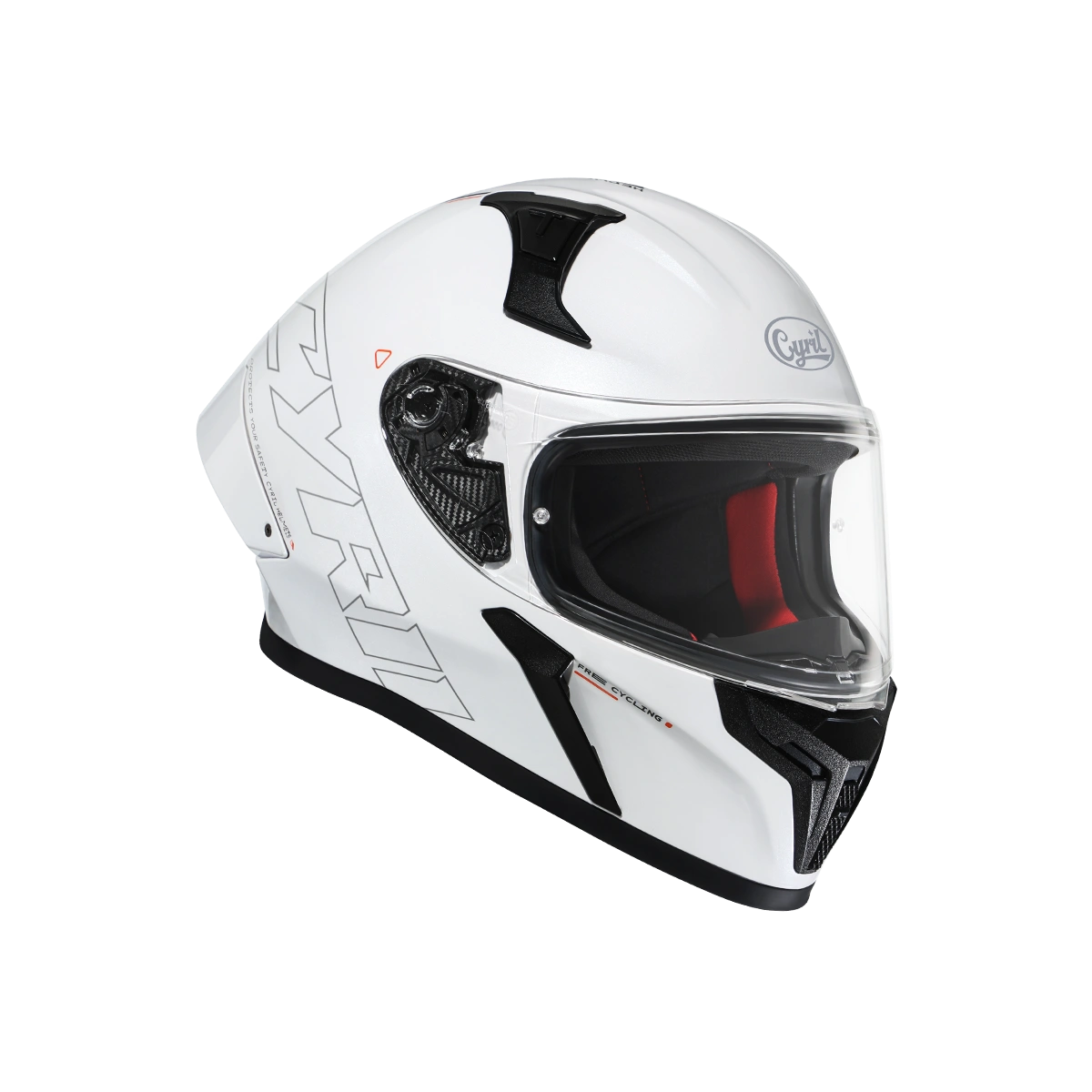
The Mad Shark Full Face Helmet is worth comparing if care routine matters to your ride because it includes confirmed information such as full-face helmet, ABS shell, multi-layer EPS, active ventilation, clear visor view, removable washable liner, and daily commuting or regular road riding use.
View Mad Shark
Best for Riders Managing Visor and Liner Care
The A128 Dual Visor Modular Helmet is worth comparing if care routine matters to your ride because it includes confirmed information such as dual visor modular helmet, flip-up modular convenience, clear outer shield, inner sun visor, wide-view comfort, removable washable liner, and stated DOT FMVSS 218 and ECE 22.06 information.
View A128
Best for Sport-Inspired Shield Care
The R1-PRO Full Face Helmet is worth comparing if care routine matters to your ride because it includes confirmed information such as sport-inspired profile, magnetic visor release, ventilation, removable washable liner, stable full-face shell profile, and stated DOT FMVSS 218 and ECE 22.06 information.
View R1-PROIf a cleaner, towel, or sticker remover feels too aggressive for a clear visor or helmet liner, pause. The safest cleaning routine is the one that removes dirt without changing the shell, shield, coating, seal, or comfort parts.
Common Questions About What Not to Use on a Helmet
Can I use Windex or household glass cleaner on a helmet visor?
Do not assume it is safe. Many visor and coating instructions call for gentle cleaning and manufacturer-approved products. Household glass cleaners may contain chemicals not intended for helmet shields.
Can I use alcohol wipes on my helmet?
Avoid alcohol wipes unless your helmet or visor manufacturer specifically allows them for that surface. Alcohol can be too harsh for some coatings, plastics, adhesives, or liner materials.
What cloth should I use on a motorcycle helmet visor?
Use a clean soft microfiber cloth reserved for visor care. Rinse or soften debris first so the cloth does not drag grit across the shield and create scratches.
Can I use dish soap on a helmet shell?
Mild soap and water are commonly used for gentle cleaning, but follow your specific helmet manual. Avoid strong degreasing mixes, abrasive pads, and soaking areas the manufacturer says to keep dry.
Should I clean the inside of the visor every ride?
Usually no. The inside may have anti-fog treatment or an insert that needs delicate handling. Clean it only when needed and follow the visor or insert instructions.
Can sticker remover damage a helmet shell?
It can, depending on the chemical and shell finish. Avoid aggressive adhesive removers unless the manufacturer allows them. Do not scrape the shell with sharp tools.
Why does my helmet smell like chemicals after cleaning?
You may have used too much product, failed to rinse or air it out, or used a cleaner not suited to liners. Stop using the helmet until the smell clears and check the manufacturer guidance.
When should I replace a visor instead of trying to clean it?
Replace it when scratches, haze, cracks, coating damage, or distortion affect visibility. Cleaning cannot fix damage that scatters light or weakens the shield tabs.
Final Notes
Helmet cleaning should be boring, gentle, and repeatable. Avoid harsh chemicals, rough cloths, aggressive sticker removers, and improvised shell changes. If a stain needs a product stronger than the helmet maker recommends, ask support before turning a cleaning job into visor or shell damage.