
Why Does My Helmet Fold My Ears When I Put It On?

Why Does My Helmet Fold My Ears When I Put It On?
If your helmet folds your ears every time you put it on, the cause is usually entry angle, liner shape, cheek-pad grip, glasses arms, balaclava friction, speaker placement, or a helmet that is too small or too narrow for your head.
A helmet folding your ears during entry can be a normal snug-fit annoyance if the ears sit comfortably after a quick adjustment. It becomes a fit problem when your ears hurt, stay folded, go numb, or the same side catches every ride. Check entry method, liner seating, cheek pads, glasses, balaclava thickness, and speaker position before assuming the size alone is wrong.
This guide uses public fit and pressure-point guidance from the NHTSA motorcycle helmet fit resource, especially its advice on even pressure, pressure points, and wearing a helmet before riding to identify discomfort. Product examples are checked against official Cyril product information, and the article avoids unverified claims about guaranteed fit, injury prevention, prices, weights, inventory, certification numbers, size ranges, or universal compatibility.
Why Ears Fold When a Helmet Goes On
A full-face helmet has to pass over the widest parts of your head, then settle into a stable riding position. The cheek pads and comfort liner create friction on purpose. That snugness helps the helmet stay in place, but it can also catch the ears when the helmet is pulled down too quickly or at the wrong angle.
The entry opening can feel tighter than the final fit. Once the helmet is fully seated, your ears may have enough room, but the liner may still fold them on the way in. This is why some riders can fix the issue with a slower technique, while others discover the helmet shape is simply wrong for their head.
The first step is not to panic and buy a larger size. A larger helmet may stop folding your ears, but it may also move too much when fastened. The real question is whether the ears are only being caught during entry or whether the helmet continues to press them during the ride.
Normal Adjustment or Fit Problem?
A small ear adjustment can be normal. Many riders put the helmet on, run a finger gently near the ear area, and the ear sits naturally. If there is no pain, no numbness, and no ride-time pressure, the issue may be only the way the liner passes over the ear.
It becomes a real fit problem when the same ear folds every time, the ear stays trapped after the helmet is seated, or you feel pressure during the ride. Ear pain can also be a clue to another issue: a narrow side profile, thick glasses arms, a cheek pad sitting too high, or a speaker installed directly against the ear.
A useful test is to wear the helmet clean at home for 30 to 45 minutes after correcting the ears. If the ears remain comfortable and the rest of the helmet feels evenly snug, you may only need a better entry method. If pressure grows, the helmet is not just catching your ears; it is pressing them.
During that home test, notice what you want to do first. If you keep sliding a finger upward to release the same ear, inspect the pad edge on that side. If you want to pull the helmet outward at the temples, the issue may be side pressure. If you want to remove your glasses, the frame path may be wrong. A precise first adjustment is more useful than a vague feeling that the helmet is “too tight.”
Check the Liner and Cheek Pads Before Changing Size
Removable liners and cheek pads can shift slightly after shipping, washing, or repeated use. A pad edge that is not fully seated can catch the ear every time you put the helmet on. Before blaming your head shape, inspect whether the liner sits flat and whether all snaps, tabs, and pad edges are in the correct place.
Do not cut the liner around your ears to create space. Comfort parts may be replaceable on some helmets, but homemade trimming can create uneven pressure, rough edges, and a fit that no longer works as designed. If a manufacturer-supported cheek pad or liner option exists, use that path rather than improvising with scissors.
Also check whether the helmet is fully seated. A helmet that stops too high can fold the ears and make the eye port feel wrong. Pulling harder is not the answer. Spread the straps, guide the helmet down evenly, then check whether the brow, cheeks, and chin strap all sit naturally.
Glasses, Balaclavas, and Speakers Can Change Ear Comfort
A helmet that works with bare hair may fold ears when you add a balaclava, skull cap, thick glasses arms, or Bluetooth speakers. These details are small, but the ear area is crowded. A few millimeters of fabric, plastic, or speaker position can change the feeling.
Test in stages. Put the helmet on without glasses or head covering. Then add the exact glasses you ride with. Then add the balaclava or skull cap. If the issue appears only after one item, that item is part of the fit problem. Do not blame the helmet alone until you have tested the actual setup.
Bluetooth speakers deserve special attention. If a speaker sits too high, too far forward, or outside the intended pocket, it can press the ear and make a minor folding issue feel like a painful helmet. Test speaker placement before a long ride, not after the discomfort has already made the ride frustrating.
Ear Comfort Troubleshooting Table
Use the pattern, not just the annoyance, to decide what to check first.
| What you notice | Likely meaning | What to check next |
|---|---|---|
| One ear folds every time | Entry angle, liner edge, or one-sided pad seating may be involved | Inspect liner seating and put the helmet on slowly with straps spread |
| Both ears fold painfully | The opening may be too tight or the helmet may be too small or narrow | Run a full fit test and compare pressure points after 30 minutes |
| Ears hurt only with glasses | Frame arms may be trapped under the liner | Insert glasses after the helmet and test different frame thickness |
| Ears fold only with balaclava | Fabric may drag against the liner | Try a thinner smoother layer and retest helmet seating |
| Ear pain starts after Bluetooth install | Speaker or wire placement may be pressing the ear | Move speakers into intended pockets and test before riding |
Cyril Helmets to Compare for Ear Comfort and Entry Feel
Use product cards as comparison starting points. Ear comfort still depends on your head shape, glasses, balaclava, speaker placement, and clean home fit testing.
When comparing models, do not ask only which size matches your measurement. Ask which helmet style makes the most sense for your entry routine. Riders who wear glasses may value modular convenience. Riders who want a simple full-face setup may care more about even liner seating and cheek-pad feel. Riders adding audio should test the ear area before committing to a long ride.
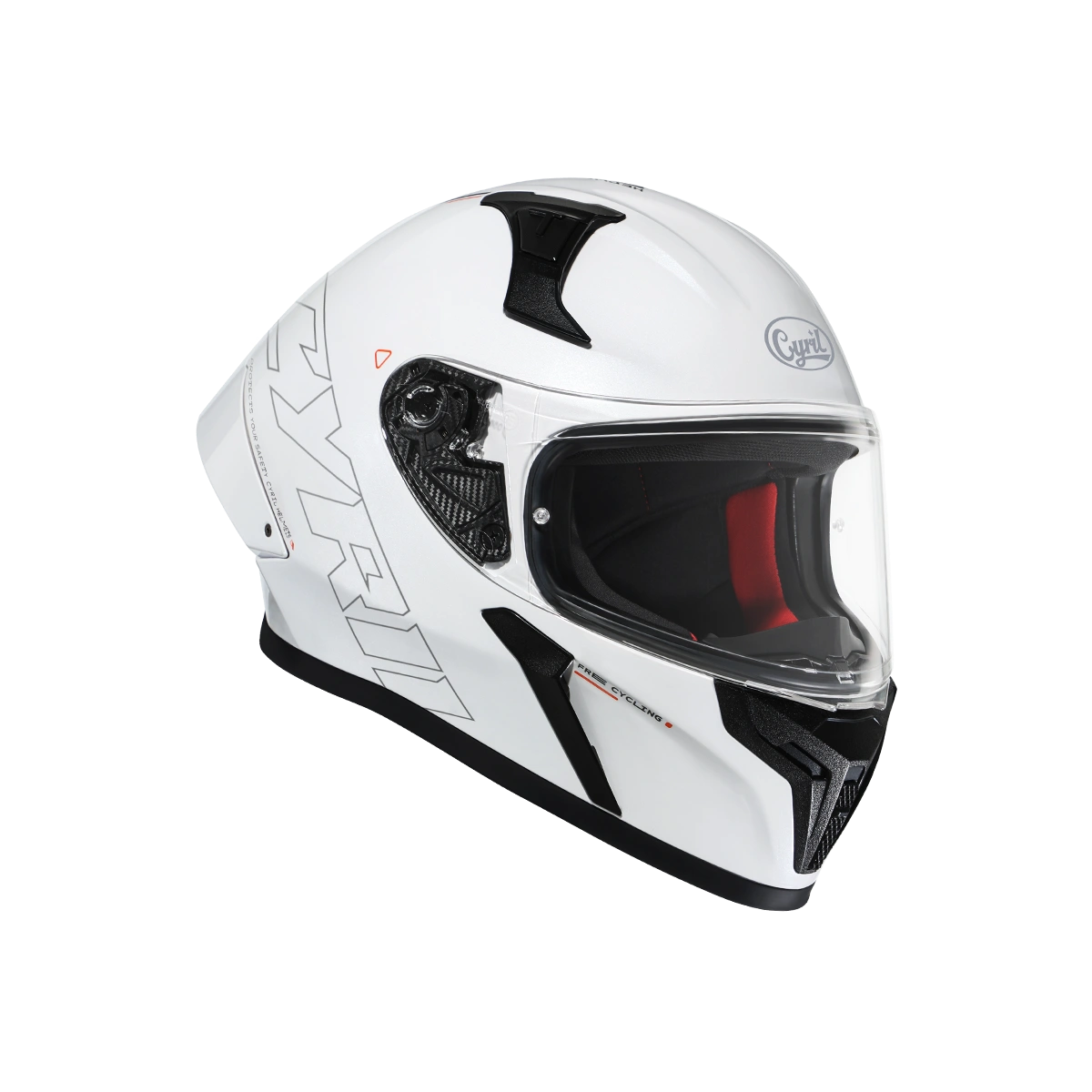
Best for Daily Full-Face Fit Checks
The Mad Shark Full Face Helmet is worth comparing if ear comfort and entry feel are part of your fit decision because it includes confirmed information such as full-face helmet, ABS shell, multi-layer EPS, active ventilation, clear visor view, removable washable liner, and daily commuting or regular road riding use.
View Mad Shark
Best for Riders Who Wear Glasses
The A128 Dual Visor Modular Helmet is worth comparing if ear comfort and entry feel are part of your fit decision because it includes confirmed information such as dual visor modular helmet, flip-up modular convenience, clear outer shield, inner sun visor, wide-view comfort, removable washable liner, and stated DOT FMVSS 218 and ECE 22.06 information.
View A128
Best for Stable Full-Face Feel
The R1-PRO Full Face Helmet is worth comparing if ear comfort and entry feel are part of your fit decision because it includes confirmed information such as sport-inspired profile, magnetic visor release, ventilation, removable washable liner, stable full-face shell profile, and stated DOT FMVSS 218 and ECE 22.06 information.
View R1-PROIf a new helmet folds your ears every time, test it cleanly before the return window closes. Fix entry method and liner seating first, but do not keep a helmet that creates ear pain, numbness, or pressure you have to ride around.
Common Questions About Helmets Folding Your Ears
Is it normal for a motorcycle helmet to fold my ears?
A small ear adjustment during entry can be normal with snug cheek pads. It is not normal if your ears hurt, go numb, stay folded, or need repeated correction every time you ride.
How do I put on a helmet without folding my ears?
Spread the chin straps outward, lower the helmet slowly, and let the liner pass over the ears before fastening. Do not yank the helmet straight down with force.
Does folded ears mean the helmet is too small?
Sometimes, but not always. It can also be entry angle, liner seating, cheek-pad friction, glasses, head covering, or speaker placement. Check the pattern before changing size.
Can I trim the liner around my ears?
Do not cut or modify liner parts unless the manufacturer provides an approved option. If a comfort part is replaceable, use supported parts rather than homemade trimming.
Why does only one ear fold in my helmet?
One-sided folding can come from how you pull the helmet on, asymmetrical liner seating, glasses position, or one ear being caught by a pad edge. Inspect the liner and repeat the entry slowly.
Can a balaclava cause ear folding?
Yes. Fabric can drag against the liner and pull the ear upward. Test without the balaclava, then with a thinner or smoother layer.
Can Bluetooth speakers make my ears hurt?
Yes. Speakers that sit too high, too far forward, or on top of the ear can create pressure. Use the intended speaker pocket and test before riding.
Should I return a helmet that always folds my ears?
If careful entry, liner checks, and gear changes do not fix it, and the helmet causes pain during a home wear test, exchanging for a better-fitting shape may be smarter than adapting to discomfort.
Final Notes
A helmet that folds your ears is not automatically the wrong size, but it is a signal worth checking. Separate entry technique from ride-time pressure, test the liner and your real gear setup, and avoid homemade modifications. A helmet should be snug without making your ears the part you think about every ride.