
Can a Balaclava or Skull Cap Change Motorcycle Helmet Fit?

Can a Balaclava or Skull Cap Change Motorcycle Helmet Fit?
Yes. A balaclava, skull cap, head sock, or winter layer can change motorcycle helmet fit by adding thickness, changing friction, moving hair, affecting glasses, and altering how the helmet sits on your brow, ears, cheeks, and strap line.
A balaclava or skull cap can make a helmet feel tighter, higher, hotter, looser after removal, or more likely to fold your ears. Test the helmet with the exact layer, glasses, hairstyle, jacket collar, and strap setup you ride with. A thin smooth layer may help sweat and hair control, but a thick or bunched layer can create pressure points and unstable fit.
This guide uses public fit guidance from the NHTSA motorcycle helmet fit resource, especially its guidance on snug fit, pressure points, helmet movement, and pre-ride wear testing. Product examples are checked against official Cyril product information, and the article avoids unverified claims about guaranteed comfort, injury prevention, prices, weights, inventory, certification numbers, size ranges, or universal compatibility.
Why a Thin Layer Can Change Helmet Fit
Helmet fit is measured in small differences, not in rough guesses. A balaclava that looks thin in your hand can still change how the liner contacts your forehead, crown, ears, temples, cheeks, and jaw. If the helmet was already borderline tight, that layer may turn a firm fit into a painful one.
The layer also changes friction. Bare hair may slide under the liner one way, while fabric drags against the liner and folds your ears. A seam across the brow can create a hotspot. A thick edge near the neck can push the rear of the helmet upward. A fabric fold under the chin strap can make the strap feel like it moved even when the helmet size did not change.
This does not mean head layers are bad. Many riders use them for sweat control, cold weather, hair management, or liner hygiene. The key is to test the layer as part of the helmet system, not as an afterthought. If you ride with it, fit-check with it.
Cold-Weather Layers Need Their Own Fit Test
Winter gear changes more than warmth. A balaclava may sit under the chin strap, overlap with a jacket collar, or bunch at the back of the neck. When you lean forward, that stack of fabric can push the helmet into a different angle. The problem may not show up until the jacket is zipped and your shoulders are in riding posture.
Before cold riding, put on the full setup indoors: balaclava, helmet, glasses, jacket collar, neck warmer, and any audio gear. Fasten everything. Look over both shoulders. Lean forward. Open and close the visor. If the helmet lifts, rubs, or presses differently, solve it before the ride.
A winter layer that makes you loosen the strap is not helping. Warmth is useful, but it should not make the helmet less stable or change how you use the retention system. If comfort depends on a loose strap, the layer is too thick, poorly placed, or not compatible with that helmet fit.
Sweat Caps and Hair Management Can Help or Hurt
Some riders use skull caps to protect the liner from sweat or to manage long hair. That can be reasonable for daily commuting, summer riding, or shared helmet hygiene routines. A smooth thin cap can help hair sit consistently and reduce direct sweat contact with the liner.
The problem is seams, knots, thick bands, and bunched hair. A raised seam across the forehead can feel like a helmet pressure point. A low bun can lift the rear of the helmet. A ponytail can change how the neck roll sits. A braid can be fine one day and uncomfortable the next if it lands under a pad edge.
Test one variable at a time. Try the helmet bareheaded, then with the skull cap, then with your usual hairstyle. If the hotspot appears only with one setup, the helmet may not be the main problem. If the same hotspot remains in every setup, the helmet shape deserves attention.
Do Not Size a Helmet Around a Thick Layer Alone
Buying a larger helmet only to fit a thick winter balaclava can create summer looseness. When the layer comes off, the helmet may move more than it should. For year-round riders, this is the tradeoff: one helmet must work across gear changes, or the layer needs to be thin enough that it does not change fit dramatically.
NHTSA fit guidance emphasizes snug, even pressure and checking for helmet movement. Use that standard with and without the layer. If the helmet passes bareheaded but fails with the balaclava, change the layer first. If it fails bareheaded too, the helmet itself is the problem.
A practical test is to ask what changes when you remove the layer. If the helmet becomes loose, rotates easily, or lifts when you shake your head, you may have chosen a size around the layer instead of around your head. The helmet should not depend on winter fabric to fit correctly.
If you ride year-round, the safer shopping question is not “What size fits my thickest balaclava?” It is “What thin layer can I use without changing a helmet that already fits correctly?” That keeps the helmet size tied to your head, while the layer becomes a comfort accessory instead of a structural part of the fit.
Layer Fit Troubleshooting Table
Use the symptom to decide whether the layer is helping, hurting, or revealing an existing helmet fit issue.
| What changes with the layer | Likely meaning | What to check next |
|---|---|---|
| Forehead pressure appears | Fabric thickness or seam may be creating a hotspot | Smooth the layer, rotate seam placement if appropriate, or test a thinner cap |
| Helmet sits higher | Hair or fabric may prevent full seating | Check eye-port position, crown contact, and rear roll |
| Ears fold more often | Fabric is dragging against the liner during entry | Use a smoother layer and slow down the entry method |
| Glasses press temples | The fabric changes the frame path under the liner | Test glasses with and without the layer before riding |
| Helmet is loose without layer | The helmet may be sized around fabric, not your head | Recheck fit bareheaded and avoid relying on a thick layer for stability |
Cyril Helmets to Compare With Head Layers
Use product cards as starting points, then test the actual fit with your balaclava, skull cap, glasses, jacket collar, and hairstyle. Do not choose a larger size only because one winter layer feels tight.
When asking support, describe the layer instead of only asking for a size. Mention whether it is a thin skull cap, full winter balaclava, neck-covering layer, or sweat cap with a seam. Add whether you wear glasses or Bluetooth speakers. Those details help support point you toward a fit check instead of guessing from circumference alone.
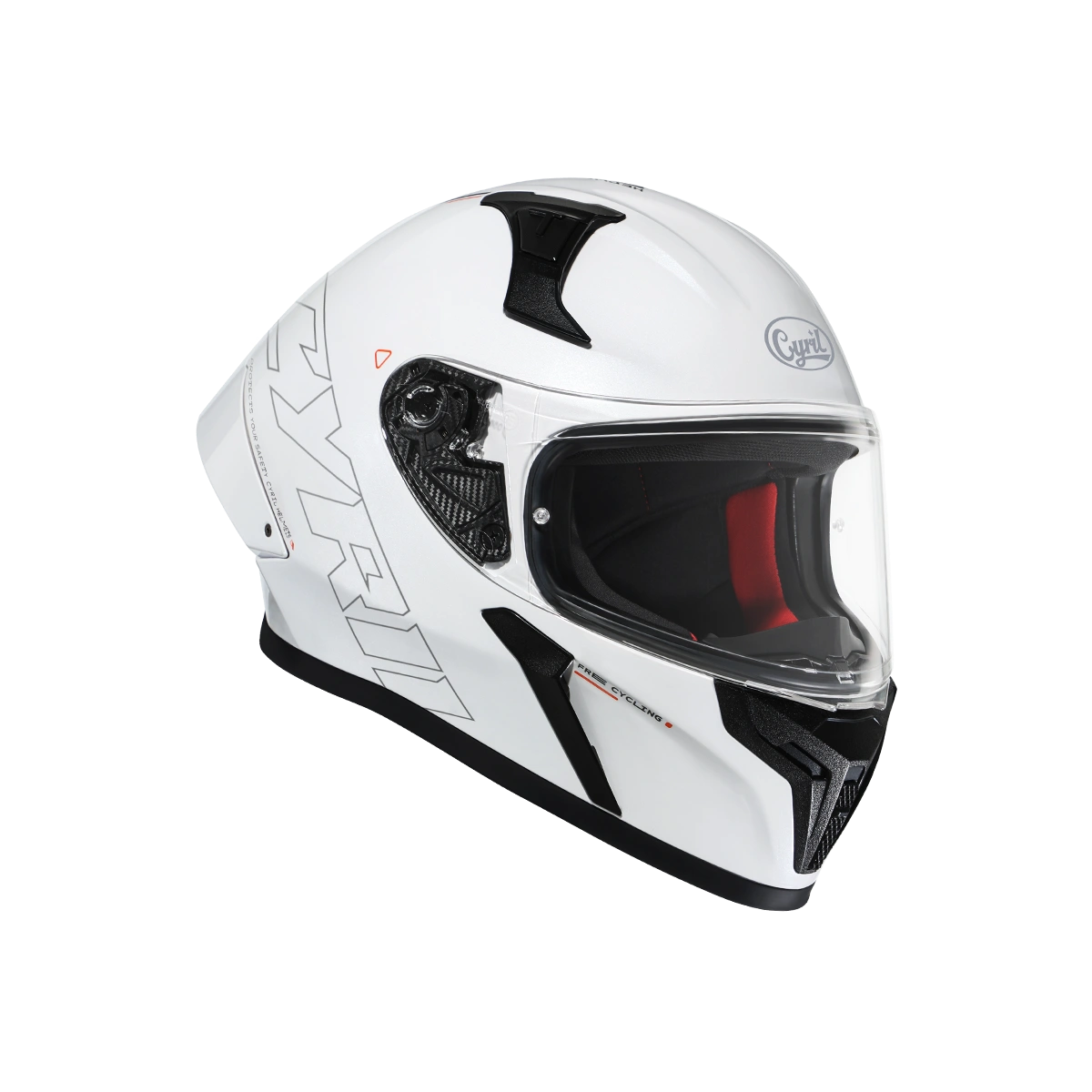
Best for Daily Layer Checks
The Mad Shark Full Face Helmet is worth comparing if head layers are part of your riding setup because it includes confirmed information such as full-face helmet, ABS shell, multi-layer EPS, active ventilation, clear visor view, removable washable liner, and daily commuting or regular road riding use.
View Mad Shark
Best for Stop-and-Go Layer Use
The A128 Dual Visor Modular Helmet is worth comparing if head layers are part of your riding setup because it includes confirmed information such as dual visor modular helmet, flip-up modular convenience, clear outer shield, inner sun visor, wide-view comfort, removable washable liner, and stated DOT FMVSS 218 and ECE 22.06 information.
View A128
Best for Stable Full-Face Fit
The R1-PRO Full Face Helmet is worth comparing if head layers are part of your riding setup because it includes confirmed information such as sport-inspired profile, magnetic visor release, ventilation, removable washable liner, stable full-face shell profile, and stated DOT FMVSS 218 and ECE 22.06 information.
View R1-PROIf you ride with a balaclava or skull cap, test with it before keeping the helmet. If you only wear it sometimes, also test without it so the helmet does not become loose when the layer is gone.
Common Questions About Balaclavas and Helmet Fit
Can I wear a balaclava under a motorcycle helmet?
Yes, if it does not create pressure points, lift the helmet, interfere with the strap, block vision, or make the helmet loose when removed. Test it with your real riding setup.
Will a skull cap make my helmet too tight?
It can if the helmet is already snug or the cap has thick seams. A very thin smooth cap may be fine, but you need a 30 to 45 minute fit test to know.
Should I buy a bigger helmet for winter layers?
Be careful. A bigger helmet may feel better with a thick layer but become loose without it. Try thinner layers first and make sure the helmet fits correctly in normal conditions.
Can a balaclava make my helmet unsafe?
The fabric itself is not the main issue. The risk is a changed fit: helmet movement, poor strap position, blocked vision, or pressure that makes you wear the helmet incorrectly.
Why does my helmet fold my ears only when I wear a balaclava?
The fabric adds friction and can drag your ears as the helmet slides down. Use a smoother thinner layer and adjust your entry method before changing helmet size.
Can a head sock help with helmet odor?
It can reduce direct sweat contact with the liner, but it still needs washing. It does not replace regular liner care or proper drying after hot rides.
Should glasses go over or under a balaclava?
Test what keeps the frames stable without temple pressure. Some riders need glasses arms over the fabric; others need them directly against the head. Fit and visibility decide.
How do I know the layer is too thick?
If it creates a new hotspot, raises the helmet, changes the eye-port position, makes the strap uncomfortable, or makes the helmet hard to seat fully, it is probably too thick for that helmet.
Final Notes
A balaclava or skull cap is part of the fit system, not just a clothing accessory. It can help with sweat, warmth, and hair control, but it can also create pressure points, folded ears, glasses problems, or loose summer fit. Test the exact layer you ride with and choose stable fit over temporary comfort.