
Why Does My Motorcycle Helmet Visor Rattle at Speed?

Why Does My Motorcycle Helmet Visor Rattle at Speed?
A motorcycle helmet visor that rattles at speed is usually caused by latch movement, pivot play, dirty seal contact, uneven shield seating, windscreen turbulence, vent airflow, or a helmet fit issue that lets the shell move more than it should.
If your motorcycle helmet visor rattles at speed, separate broad wind noise from a specific buzz, tap, click, or lifting shield. Check whether the visor latches fully, whether both pivot sides are seated evenly, whether the lower seal is clean, whether the helmet is too loose, and whether windscreen turbulence is hitting the shield edge. Do not ride with a visor that pops open or distracts you.
This guide uses public fit and road-use context from the NHTSA motorcycle helmet resource and manufacturer-style visor care principles such as gentle cleaning, correct seating, and avoiding unsupported modification. Product examples are checked against official Cyril product information, and the article avoids unverified claims about guaranteed silence, injury prevention, prices, weights, inventory, certification numbers, size ranges, or universal compatibility.
Wind Noise or Visor Rattle? Start With the Sound
A visor rattle is different from normal wind noise. Wind noise is usually broad, steady, and tied to speed, posture, motorcycle shape, and helmet fit. A rattle feels more specific. It may buzz, tap, click, flutter, or appear only when the visor is fully closed or partly cracked.
The difference matters because the fixes are different. You cannot make every helmet silent in every airflow pocket, but a visor should close predictably and stay closed. If the sound changes when the shield is latched, when vents are adjusted, or when you turn your head, the visor area deserves inspection.
Do not test the problem by holding the visor while riding. That is a distraction and can create a new risk. Instead, inspect at home, then make safe observations: what speed does it start, does it happen on every road, does it change behind a different windscreen, and does it stop when the visor is reseated or cleaned?
Check the Latch, Pivot, and Seal Before Blaming Wind
Start with the visor fully closed. Does it latch with the same feel every time? Does one side sit slightly higher than the other? Does the lower edge contact the seal evenly? Does the shield pop up when you press gently near the tab? A small seating difference can become a loud vibration once airflow reaches highway speed.
Next, inspect the pivot areas. If the visor was recently removed for cleaning, one side may be seated differently from the other. Quick-release systems are convenient, but the shield still needs to engage correctly. If one side has visible play, the rattle may not be wind noise at all.
Seal contact matters too. Dried bugs, cloth fibers, dust, or cleaner residue along the lower gasket can prevent full closure. The shield may look closed from a distance while one edge still has enough movement to buzz. Clean gently and retest before replacing parts.
A Loose Helmet Can Make the Visor Feel Unstable
Sometimes the visor is only the messenger. If the helmet lifts at highway speed, rotates when you turn your head, or feels loose after the strap is fastened, airflow around the shield becomes less stable. NHTSA fit guidance emphasizes that a properly fitted helmet should be snug and should not move around when you shake your head.
Check fit before changing visor parts. Fasten the strap, then move your head side to side and front to back. If the shell shifts easily, a visor rattle may be one symptom of a broader fit issue. A loose helmet can also increase wind noise, fatigue, and the feeling that the eye port is not staying where it belongs.
Do not solve a loose helmet by overtightening the strap until it hurts. The strap secures the helmet; it should not compensate for a shell that is the wrong size or shape. If the helmet is unstable without the rattle, fix the fit question first.
Windscreen Turbulence Can Expose a Visor Problem
A windscreen can send turbulent air directly toward the visor or upper shell. That air may turn a minor shield edge movement into a noticeable buzz. If the rattle appears only on one motorcycle, only behind a certain screen, or only when you sit upright, airflow is probably part of the diagnosis.
Small posture changes can reveal the pattern. If the sound fades when you sit slightly taller or lower, the wind pocket may be hitting the visor edge. If it remains identical in different airflow, inspect the hardware more closely. Do not make extreme screen adjustments outside the motorcycle or accessory instructions, but do observe whether airflow changes the symptom.
Vents can add another clue. If opening or closing a vent changes the rattle, airflow pressure near the shield may be involved. That still does not excuse a loose latch or dirty seal. It only tells you where to look next.
Try to avoid changing five things at once. If you clean the seal, adjust vents, change posture, and swap windscreens in the same ride, you will not know what solved the sound. Work in small steps: inspect the visor, confirm fit, observe airflow, then ask support with clear notes if the rattle remains.
Visor Rattle Troubleshooting Table
Use the pattern to decide whether the issue is hardware, fit, or airflow.
| What you notice | Likely meaning | What to check next |
|---|---|---|
| Buzzing at one speed | Airflow may excite a loose shield edge or seal | Check shield closure, gasket contact, and windscreen turbulence |
| Clicking near one pivot | Base plate, tab, or seating may be uneven | Inspect both sides and reseat only by manual-supported method |
| Shield lifts slightly | Latch may not be fully engaging | Do not ride until the visor stays closed predictably |
| Rattle changes with head turn | Fit or airflow direction may be part of the issue | Check helmet stability and posture behind the screen |
| Rattle appeared after cleaning | Shield may not be seated evenly or residue may remain | Clean the seal and compare left and right pivot alignment |
Cyril Helmets to Compare for Shield Stability
When visor behavior matters, compare confirmed shield-related features, fit stability, riding posture, and how easy the helmet is to inspect and maintain.
Ask support practical questions before buying or replacing parts: does the visor close with a clear latch feel, what replacement shield path exists, what cleaning method is recommended, and what should a rider check if one side feels loose after removal. These questions are more useful than asking whether a helmet is “quiet,” because noise depends on the motorcycle, windscreen, rider posture, and fit.
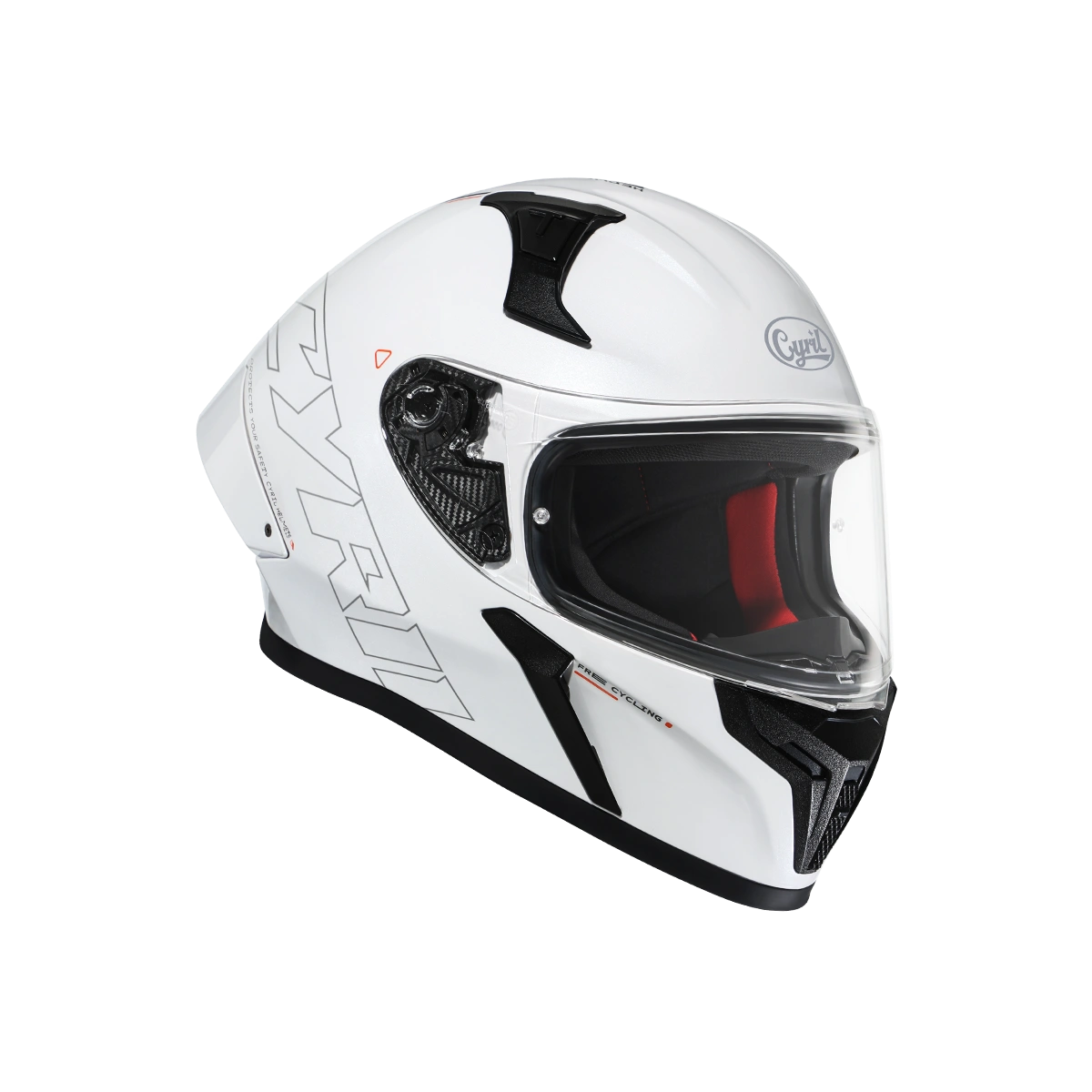
Best for Daily Shield Checks
The Mad Shark Full Face Helmet is worth comparing when visor behavior matters because it includes confirmed information such as full-face helmet, ABS shell, multi-layer EPS, active ventilation, clear visor view, removable washable liner, and daily commuting or regular road riding use.
View Mad Shark
Best for Stop-and-Go Visor Use
The A128 Dual Visor Modular Helmet is worth comparing when visor behavior matters because it includes confirmed information such as dual visor modular helmet, flip-up modular convenience, clear outer shield, inner sun visor, wide-view comfort, removable washable liner, and stated DOT FMVSS 218 and ECE 22.06 information.
View A128
Best for Stable Full-Face Profile
The R1-PRO Full Face Helmet is worth comparing when visor behavior matters because it includes confirmed information such as sport-inspired profile, magnetic visor release, ventilation, removable washable liner, stable full-face shell profile, and stated DOT FMVSS 218 and ECE 22.06 information.
View R1-PROIf the visor pops open, lifts, clicks near one pivot, or distracts you at speed, inspect it before the next ride. A predictable shield should close securely and let you focus on the road instead of a buzzing edge near your eyes.
Common Questions About Helmet Visor Rattle
Is visor rattle normal on a motorcycle helmet?
Some airflow noise is normal, but clicking, buzzing, tapping, or a lifting visor deserves inspection. Check latch, pivot, seal, shield seating, and helmet fit before calling it normal wind noise.
Can a windscreen cause visor rattle?
Yes. Turbulent air from a windscreen can hit the shield edge or helmet shell and create vibration. If the rattle changes with posture or screen height, airflow is part of the diagnosis.
Can I tape a rattling visor closed?
Do not rely on tape as a riding fix. It can leave residue, interfere with normal shield operation, and hide a latch, seal, pivot, or damaged-tab problem that needs a real repair.
Why does my visor rattle only after cleaning?
The visor may have been reinstalled unevenly, or cleaner residue and debris may be affecting the seal. Inspect both pivot sides and follow the helmet manual for seating.
Can a loose helmet make the visor rattle?
Yes. If the helmet moves at speed, airflow around the shield becomes less stable. Check helmet fit and strap adjustment before blaming the visor alone.
Should I replace a rattling visor?
Replace it if it has cracked tabs, worn pivot areas, deep scratches, poor latch engagement, or keeps rattling after correct cleaning and seating.
Does opening vents affect visor rattle?
It can change airflow and pressure around the shield. If vent position changes the rattle, note the pattern, but still check latch, seal, and visor seating.
When should I contact customer support?
Contact support when the visor will not latch, one side has visible play, the shield was recently removed and will not seat correctly, or the rattle continues after basic checks.
Final Notes
A rattling visor is not always a broken part, but it is worth taking seriously. Clean the seal, check seating, inspect pivot play, confirm helmet fit, and notice whether windscreen turbulence changes the pattern. Do not use tape, force, or guesswork when the shield behavior affects visibility and attention.