
Can Helmet Padding Be Replaced, or Is the Helmet Done?

Can Helmet Padding Be Replaced, or Is the Helmet Done?
Motorcycle helmet padding can mean two very different things: removable comfort liner or cheek pads, and the deeper impact liner. Some comfort parts may be replaceable if the helmet supports it. The impact liner is not a DIY replacement part.
Helmet comfort padding or cheek pads may be replaceable if the manufacturer supports replacement parts for that exact model. The impact-absorbing liner is different and should not be cut, crushed, rebuilt, or replaced at home. If padding is flat, loose, smelly, missing, or no longer holds fit, check supported parts, helmet age, condition, crash history, and whether the shell still fits correctly.
This guide uses public fit guidance from the NHTSA motorcycle helmet fit resource, including fit stability, pressure points, and manufacturer-supported cheek pad or liner adjustment context. Product examples are checked against official Cyril product information, and the article avoids unverified claims about impact repair, guaranteed protection, prices, weights, inventory, certification numbers, size ranges, or universal compatibility.
First: Which Padding Do You Mean?
When riders say helmet padding, they often mean the soft parts they can touch: cheek pads, crown liner, neck roll fabric, or comfort padding. Those parts manage feel, sweat, and fit contact. In many helmets, some of those comfort parts may be removable, washable, or replaceable if the model supports it.
The impact liner is different. It is the deeper energy-management layer, often EPS foam, under the comfort padding. It is not there to feel plush. If it is cracked, cut, crushed, loose, or visibly damaged, that is not a normal comfort-part problem. Do not treat impact foam like a cushion you can rebuild at home.
This distinction prevents two bad decisions: throwing away a helmet when only a supported cheek pad needs replacement, or keeping a helmet with deeper damage because the soft liner looks fresh. The part you are looking at determines the next step.
When Replacement Padding Makes Sense
Replacement cheek pads or liners can make sense when the helmet is otherwise in good condition, has no crash or significant impact history, and the manufacturer supports replacement parts for that exact model. This can restore comfort contact after normal wear, sweat, washing, or daily use.
It can also help when the fit problem is clearly in a removable part. If cheek pads are packed out but the crown still fits evenly, supported cheek-pad replacement may be practical. If the liner fabric is damaged, stretched, or permanently smelly after correct washing and drying, replacement may be more useful than repeated cleaning.
The key word is supported. Random foam, improvised stuffing, craft-store padding, or pieces cut from another helmet can create uneven pressure and unpredictable fit. If the model does not support replacement parts, ask support before improvising.
When the Helmet Is Probably Done
Padding replacement is not a reset button. If the helmet was in a crash, took a meaningful impact, has shell damage, has strap damage, or shows impact-liner damage, focus on helmet replacement guidance rather than comfort-part refresh. A new cheek pad cannot undo impact history.
If the helmet is loose because the shell size was wrong from the beginning, thicker cheek pads may only hide part of the problem. The crown fit still matters. NHTSA fit guidance emphasizes snug, even pressure and a helmet that does not move around when you shake your head. Cheek pressure alone is not the whole fit.
Age and storage matter too. A helmet that has spent years in heat, sweat, sunlight, damp storage, or rough handling may have more going on than tired fabric. Padding replacement is useful only when the helmet itself is still worth trusting.
Fit Test After Any Padding Change
After replacing comfort padding, test the helmet as if it were new. Fasten the strap, shake your head, look over both shoulders, and wear it clean at home for 30 to 45 minutes. Check whether pressure is even, whether the helmet rotates, and whether any new pad edge creates a hotspot.
Do not assume new padding automatically improves fit. Fresh cheek pads can feel tighter than worn ones. A liner that is not seated correctly can create a crown lump or folded edge. A replacement part in the wrong size or model can make the helmet feel almost right while changing the intended fit.
If the helmet feels better but still moves at the crown, the padding change did not solve the main issue. If it feels painful in one small area, inspect seating before riding. The final test is not whether the parts are new; it is whether the helmet now fits correctly.
Padding Replacement Decision Table
Use this table before spending money on comfort parts.
| What you notice | Likely meaning | What to check next |
|---|---|---|
| Cheek pads feel flat | Comfort padding may be worn or compressed | Check whether approved replacement cheek pads exist for the exact model |
| Helmet moves more than before | Padding may have packed out, or the helmet may be wrong size | Run a full fit test with strap fastened |
| Liner smells after washing | Drying, residue, or old liner material may be involved | Review cleaning and drying method before replacing parts |
| Impact foam looks damaged | This is not ordinary comfort padding | Stop using the helmet and seek replacement or manufacturer guidance |
| Helmet was in a crash | Padding does not erase impact history | Evaluate the whole helmet, not just soft parts |
Cyril Helmets to Compare for Liner and Fit Care
When padding and liner care matter, compare confirmed removable washable liner information, fit stability, daily use, and whether support can answer replacement-part questions for the exact product.
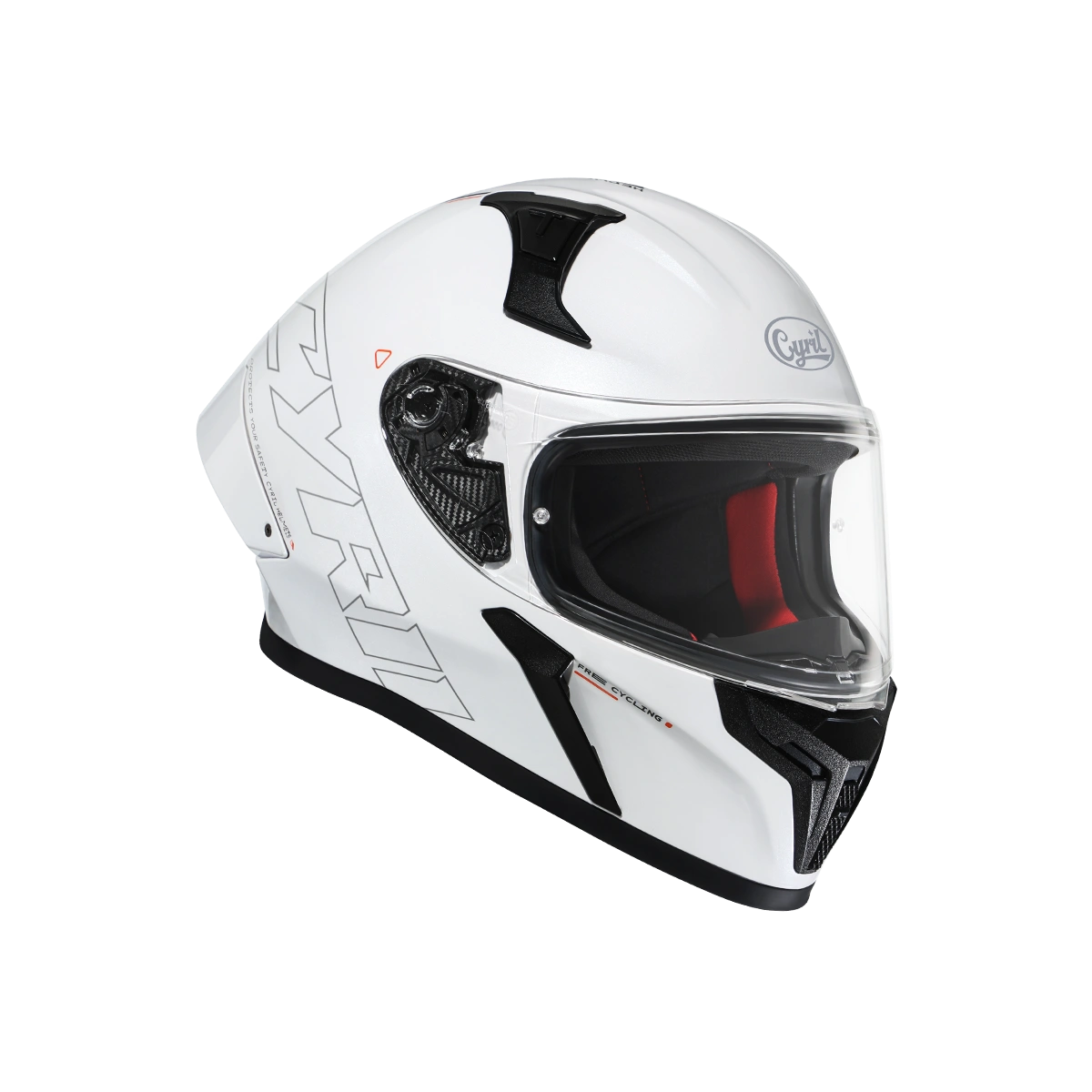
Best for Daily Liner Fit Checks
The Mad Shark Full Face Helmet is worth comparing if liner care and fit stability matter because it includes confirmed information such as full-face helmet, ABS shell, multi-layer EPS, active ventilation, clear visor view, removable washable liner, and daily commuting or regular road riding use.
View Mad Shark
Best for Washable Liner Convenience
The A128 Dual Visor Modular Helmet is worth comparing if liner care and fit stability matter because it includes confirmed information such as dual visor modular helmet, flip-up modular convenience, clear outer shield, inner sun visor, wide-view comfort, removable washable liner, and stated DOT FMVSS 218 and ECE 22.06 information.
View A128
Best for Stable Full-Face Fit Checks
The R1-PRO Full Face Helmet is worth comparing if liner care and fit stability matter because it includes confirmed information such as sport-inspired profile, magnetic visor release, ventilation, removable washable liner, stable full-face shell profile, and stated DOT FMVSS 218 and ECE 22.06 information.
View R1-PROConfirm which part is worn, whether replacement parts are supported, and whether the helmet itself is still trustworthy. New soft padding is useful only when the shell, strap, impact liner, age, and fit still make sense.
Common Questions About Helmet Padding Replacement
Can motorcycle helmet cheek pads be replaced?
Often yes, if the helmet model supports replacement cheek pads. Use manufacturer-approved parts for the exact model and size system rather than generic foam.
Can the foam inside a motorcycle helmet be replaced?
The comfort liner may be replaceable on some helmets. The impact-absorbing liner is not a normal DIY replacement part. Do not cut, crush, or replace impact foam at home.
Will new cheek pads make a loose helmet safe again?
Only sometimes. New cheek pads can improve cheek contact, but they cannot fix a shell that is too large, wrong head shape, damaged, or no longer stable around the crown.
Should I replace padding after a crash?
Padding replacement is not a crash reset. If the helmet was involved in a crash or significant impact, evaluate helmet replacement according to manufacturer guidance and safety best practices.
Can I wash helmet padding instead of replacing it?
If the liner and cheek pads are removable and washable, cleaning may solve odor and sweat issues. Replace only if they remain damaged, stretched, flattened, or smelly after correct care.
How do I know padding is worn out?
Signs include loose cheek contact, liner sag, persistent odor, rough fabric, poor snap retention, or a helmet that moves more than it used to with the strap fastened.
Can I add extra foam to make my helmet tighter?
Avoid adding random foam. It can create pressure points and change fit unpredictably. Use manufacturer-supported cheek pads or liners if fit adjustment is available.
Is padding replacement worth it on an old helmet?
It depends on age, condition, crash history, storage, and fit. If the helmet is old, damaged, or no longer trusted, new padding may not be a good investment.
Final Notes
Helmet padding replacement is a good idea only when you know what part you are replacing and why. Comfort liners and cheek pads may be serviceable on some models. Impact liner damage, crash history, unstable fit, or unknown used-helmet history is a different decision. Do not let fresh padding create false confidence in a helmet that should be replaced.