
Why Does My Helmet Feel Unstable Behind a Windscreen?

Why Does My Helmet Feel Unstable Behind a Windscreen?
A helmet can feel unstable behind a windscreen because turbulent air hits the shell, the screen sends airflow to the eye port, the helmet is slightly loose, the visor catches air, or your jacket collar changes helmet angle.
If your motorcycle helmet feels unstable behind a windscreen, do not blame the helmet or the screen too quickly. First check helmet fit, strap position, visor closure, jacket collar contact, and whether the shaking changes with posture or windscreen height. If the helmet moves even off the bike, fix fit first. If it is stable off the bike but pulses only behind one screen, airflow turbulence is likely part of the problem.
This guide uses public motorcycle safety and fit context from the NHTSA motorcycle safety resource and the NHTSA helmet fit guidance, especially its advice on snug fit and helmet movement. Product examples are checked against official Cyril product information, and the article avoids unverified claims about guaranteed quietness, injury prevention, prices, weights, inventory, certification numbers, size ranges, or universal wind performance.
What Windscreen Buffeting Feels Like
Clean wind and turbulent wind feel different. Clean airflow may be loud, but it is usually steady. Buffeting feels like pulses, taps, shaking, or pressure changes around the shell. A windscreen can reduce wind on your chest while sending unstable air directly toward your helmet.
This is why the same helmet can feel calm on one motorcycle and irritating on another. The helmet did not change; the air pocket did. A screen that is too tall, too short, or angled poorly for your height can push air into the visor, forehead area, top vents, or side of the shell.
The useful question is whether the instability follows the helmet or follows the bike setup. If the helmet feels unstable on every motorcycle, fit and helmet shape deserve priority. If it feels stable elsewhere but shakes behind one screen, the windscreen and rider posture are part of the diagnosis.
Check Helmet Fit Before Adjusting the Bike
Do the basic fit check before changing windscreen parts. Fasten the strap and move your head side to side and front to back. The helmet should feel snug, stable, and evenly seated. NHTSA helmet fit guidance notes that a helmet should not move around when you shake your head.
If the helmet already rotates, lifts, or slides during a home check, turbulence will make that movement more obvious. Airflow does not create good fit; it exposes weak fit. Check cheek contact, crown pressure, strap position, and whether the helmet lifts when you look over your shoulder.
Do not solve a loose helmet by overtightening the strap until it hurts. The strap should secure the helmet, not compensate for a shell that is the wrong size or shape. If stability depends on painful strap tension, compare a better-fitting helmet before blaming the screen.
Check the Visor, Vents, and Jacket Collar
A visor that is slightly open, a seal that does not close cleanly, or a shield that rattles can make turbulence feel like helmet instability. Before changing the screen, make sure the visor latches, the shield is seated evenly, and vents are not creating a whistle or buzz that feels like shell movement.
Your jacket can change the helmet angle. A tall collar, hoodie, neck warmer, or armor hump can contact the rear of the helmet. When you lean forward, that contact can lift the helmet edge or push the shell into a different part of the air stream.
Test the setup you actually ride in. Helmet alone in the garage is not enough if the problem appears only with the jacket zipped, gloves on, and windscreen installed. A quick way to tell is to repeat the fit check with the collar zipped and your riding posture simulated.
How to Read Windscreen Clues Without Guessing
If the helmet fit checks out, look for airflow clues. Does the shaking start at a specific speed? Does it fade when you sit taller or duck slightly? Does it change when the visor is fully closed? Does it happen only with luggage, passenger weight, or a different jacket? These patterns matter.
Small changes can reveal the source. If a slight posture change transforms the helmet feel, the wind pocket is probably hitting a sensitive area of the shell or visor. If the instability remains unchanged regardless of posture, fit, visor seating, or collar contact may be more important.
Do not make unsafe or unsupported motorcycle adjustments just to chase a theory. If your screen is adjustable, use the motorcycle or accessory instructions. If it is not, note the pattern and decide whether helmet fit, visor behavior, or a different screen setup deserves support attention.
Windscreen and Helmet Stability Troubleshooting Table
Use the symptom pattern to decide what to check next.
| What you notice | Likely meaning | What to check next |
|---|---|---|
| Helmet shakes only behind one screen | Turbulent air may be hitting the shell or visor | Observe posture and screen height if adjustable |
| Helmet lifts at speed | Fit, strap, or airflow under the chin may be involved | Check helmet movement with the strap fastened before riding |
| Noise pulses instead of staying steady | Buffeting may be reaching the helmet | Compare small posture changes in a safe setting |
| Only happens with jacket zipped | Collar or neck layer may push the helmet angle | Test with actual riding jacket and collar position |
| Visor buzzes in turbulence | Shield seal, latch, or seating may be reacting to airflow | Inspect visor closure, pivot, and lower gasket |
Cyril Helmets to Compare for Wind Stability
Use product cards as comparison starting points. Wind stability still depends on fit, motorcycle airflow, windscreen setup, visor behavior, riding posture, and jacket collar contact.
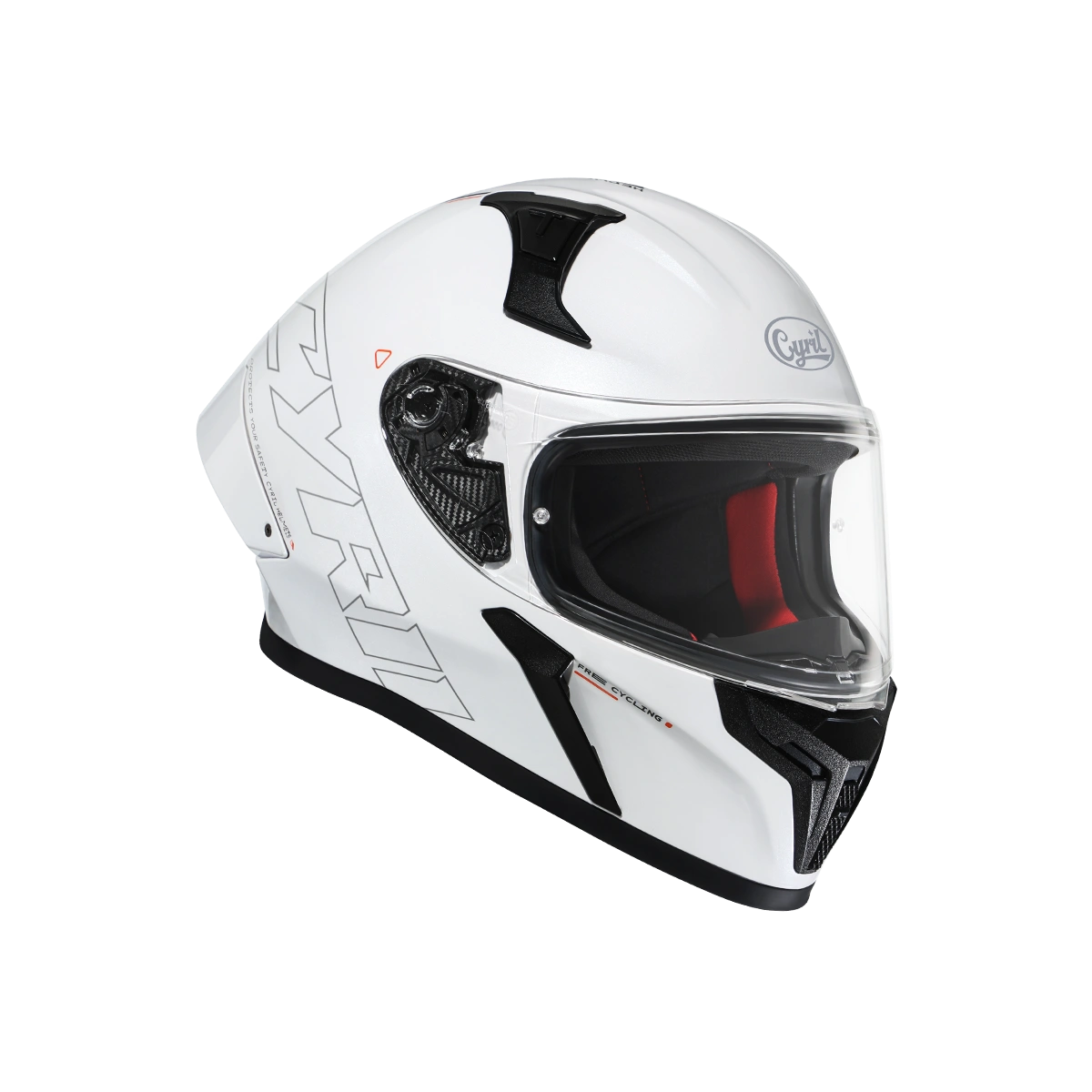
Best for Daily Wind Checks
The Mad Shark Full Face Helmet is worth comparing when wind stability and fit checks matter because it includes confirmed information such as full-face helmet, ABS shell, multi-layer EPS, active ventilation, clear visor view, removable washable liner, and daily commuting or regular road riding use.
View Mad Shark
Best for Touring and Stop-and-Go Comfort
The A128 Dual Visor Modular Helmet is worth comparing when wind stability and fit checks matter because it includes confirmed information such as dual visor modular helmet, flip-up modular convenience, clear outer shield, inner sun visor, wide-view comfort, removable washable liner, and stated DOT FMVSS 218 and ECE 22.06 information.
View A128
Best for Stable Full-Face Profile
The R1-PRO Full Face Helmet is worth comparing when wind stability and fit checks matter because it includes confirmed information such as sport-inspired profile, magnetic visor release, ventilation, removable washable liner, stable full-face shell profile, and stated DOT FMVSS 218 and ECE 22.06 information.
View R1-PROCheck helmet fit, visor closure, and jacket collar contact before buying a new screen or blaming the helmet. If the helmet is loose off the bike, solve fit first. If it is stable off the bike but unstable behind one screen, airflow is the next suspect.
Common Questions About Helmets Behind Windscreens
Can a windscreen make a helmet shake?
Yes. A windscreen can create turbulent air that hits the helmet shell, visor, or vents. This can feel like shaking, pulsing, or buffeting even if the helmet is not defective.
How do I know if the problem is helmet fit or windscreen turbulence?
Check fit at home first. If the helmet moves with the strap fastened, fix fit. If it feels stable off the bike but shakes only behind a specific windscreen, airflow is likely involved.
Can a loose helmet feel worse behind a windscreen?
Yes. Turbulent air makes a loose or borderline helmet more noticeable. The helmet may lift, rotate, or feel noisy because the fit is not controlling movement well.
Should I buy a different helmet or change the windscreen?
Start with fit and visor checks. If those are correct and the issue appears only behind the windscreen, airflow changes may help. If fit is poor, a different helmet shape or size comes first.
Can visor position cause instability behind a windscreen?
A visor that is not fully latched or a shield that rattles can react to turbulent air. Check the visor seal, pivot, and latch before blaming the screen.
Can my riding jacket affect helmet stability?
Yes. A tall collar, hoodie, armor, or neck warmer can push the helmet from the rear or change its angle. Test with the actual jacket you ride in.
Does a full-face helmet help with windscreen buffeting?
A stable full-face profile may feel better for some riders, but buffeting depends on fit, bike airflow, posture, screen height, and visor behavior. No style guarantees silence.
Is windscreen buffeting dangerous?
Mild turbulence can be annoying, but shaking that distracts you, affects vision, or makes you change riding behavior should be addressed before longer rides.
Final Notes
A helmet that feels unstable behind a windscreen is not always defective. It may be reacting to turbulent air, a loose fit, a visor issue, or gear contact at the rear of the shell. Work in order: fit, visor, gear, airflow. That sequence keeps you from replacing parts before you know which problem you actually have.