
Can a Motorcycle Helmet Cause Neck Pain?

Can a Motorcycle Helmet Cause Neck Pain?
A motorcycle helmet can be part of a neck-pain pattern, but it should not be treated as the only possible cause. The useful question is whether pain starts with helmet fit, wind load, riding posture, collar interference, or a health issue that needs medical judgment.
A helmet can contribute to neck pain when its weight, movement, wind load, strap setup, or interaction with your jacket makes your neck work harder. Still, neck pain can also come from muscle strain, posture, injury, or medical conditions. Compare helmet-off, helmet-on indoors, and helmet-on riding conditions before changing size, and stop treating it as a gear-only issue if symptoms are sharp, persistent, radiating, or linked to numbness or weakness.
This guide was built from publicly available helmet fit guidance, including NHTSA motorcycle helmet fit guidance, health information from MedlinePlus neck injuries and disorders materials, ergonomics context from CDC/NIOSH ergonomics guidance, and official Cyril product information. Before publication, it was checked for clear medical limits, source-backed fit claims, verified product details, practical rider relevance, and no invented product weight, price, stock, size range, certification number, or safety promise.
The Short Answer
A helmet can contribute to neck pain when its weight, wind load, fit, or riding posture makes your neck stabilize the shell for too long. The helmet may not be the only cause, but it can be part of the pattern if the ache starts after you put it on or worsens at speed.
Treat neck pain differently from a simple pressure mark. Stop guessing from one ride and compare three conditions: helmet off, helmet on indoors, and helmet on in your normal riding posture. If pain is sharp, persistent, or connected to injury symptoms, use medical judgment instead of treating it as a gear tweak.
Rider Persona: Ethan - After-Work Neck Ache. This composite support scenario tracks a rider whose neck feels normal before commuting but tightens during the last 10 minutes home. His notes include bike posture, windscreen height, jacket collar, ride duration, and whether the helmet pulls in crosswind. That is more useful than only saying the helmet is uncomfortable.
Why This Problem Happens
Neck pain can come from load, leverage, and bracing. A poorly seated helmet can catch wind and ask your neck to correct it. A loose helmet can make you tense without noticing. A high collar or aggressive riding posture can push the shell and change how your neck carries weight.
The NHTSA helmet guidance focuses on secure, snug helmet fit. For neck comfort, secure fit matters because movement and lift make the rider work harder to keep the helmet stable. MedlinePlus notes that neck problems can involve muscles, joints, ligaments, nerves, shoulders, jaw, head, or upper arms, so a riding checklist should not replace medical judgment when symptoms point beyond normal gear discomfort.
| Possible Cause | What It Feels Like | Best First Check |
|---|---|---|
| Position | Helmet sits too high, too low, or tilted | Reset the helmet level and fasten the strap before judging fit |
| Size | The helmet is too tight or too loose overall | Repeat the head measurement and compare it with the product size chart |
| Shape | Pressure appears in one clear zone while another zone feels loose | Compare round, intermediate oval, and longer oval head-shape signs |
| Liner | A seam, pad edge, washed liner, or replaced padding creates a hard point | Remove only removable parts as instructed and inspect for uneven placement |
| Riding setup | Collar, glasses, earplugs, speakers, or posture changes the contact point | Repeat the fit test with the exact gear you use while riding |
What to Check First
Check whether the ache is linked to the helmet or to the whole riding setup. Put the helmet on indoors for 20-30 minutes, then repeat in your jacket and normal posture. If the ache appears only with the bike posture or collar, the helmet may be reacting to your setup rather than simply being wrong.
- Note whether pain starts at the base of the skull, side of the neck, shoulders, or upper back.
- Check for helmet lift, shaking, or pulling when you turn your head.
- Repeat the test with your usual jacket collar and windscreen position.
- Look for strap tension that pulls your jaw downward or changes head posture.
- Separate muscle fatigue after long rides from immediate sharp pain.
Rider Persona: Grace - Weekend Fatigue Pattern. This composite rider is comfortable for the first 30 minutes, then gets neck tightness after highway speed and repeated head checks. The timing points away from a simple liner hot spot and toward wind load, posture, helmet stability, or ride duration.
Normal Fit or Warning Sign?
Normal neck fatigue builds slowly on longer rides and improves with rest, posture changes, or wind reduction. A warning sign is pain that starts quickly, changes how you hold your head, or makes you loosen the strap or avoid shoulder checks. CDC/NIOSH ergonomics guidance treats awkward posture, vibration, sustained force, and longer duration as musculoskeletal risk factors, which maps well to the way wind, road vibration, and stiff riding posture can stack up during a ride.
Long-Ride Fatigue
Muscle tiredness appears late and eases with rest, lower wind load, or shorter ride blocks.
Setup-Linked Ache
Pain appears only with a jacket collar, windshield turbulence, backpack, or riding posture.
Fast, Sharp, or Distracting
Pain starts quickly, limits head checks, or makes you ride with a loose strap or stiff posture.
A Practical Test Routine
Use a comparison routine. You are looking for the first condition that creates the ache.
- Wear the helmet indoors for 20-30 minutes with the strap correctly fastened.
- Repeat while seated in your riding posture, including jacket and collar.
- Turn for mirror checks and shoulder checks; note whether the helmet pulls or resists.
- After riding, write down speed, wind, posture, and when pain started.
- If pain is sharp, persistent, or linked to injury symptoms, stop treating it as a helmet-only problem.
How to Avoid the Same Problem Next Time
If the neck issue tracks with movement, choose around stability. If it tracks with posture and speed, consider aerodynamics, bike setup, and ride duration. If it tracks with a collar or backpack, test the helmet with the exact gear before deciding it is the wrong model.
Do not size up just because your neck hurts. A looser helmet may increase lift and make the neck work harder. Send support the pain location, ride duration, bike posture, and whether the helmet moves.
Rider Persona: Maya - Return Window Decision. This composite rider feels neck pain only on highway rides with a tall collar. Before returning the helmet, she repeats the test with a lower collar and notes the difference. That prevents blaming the shell for a gear interaction.
If discomfort appears only with one jacket, posture, or wind condition, isolate that setup before replacing the helmet. If pain is sharp, persistent, radiating, follows an injury, or comes with numbness, weakness, dizziness, or other medical symptoms, stop treating it as a helmet fit problem and seek appropriate medical advice.
How to Apply This When Choosing
For neck pain, product choice should connect to ride length, posture, helmet stability, ventilation, and the way the helmet behaves in wind. Keep the medical side separate: a product card cannot diagnose pain.
Best for Short Daily Commute Testing
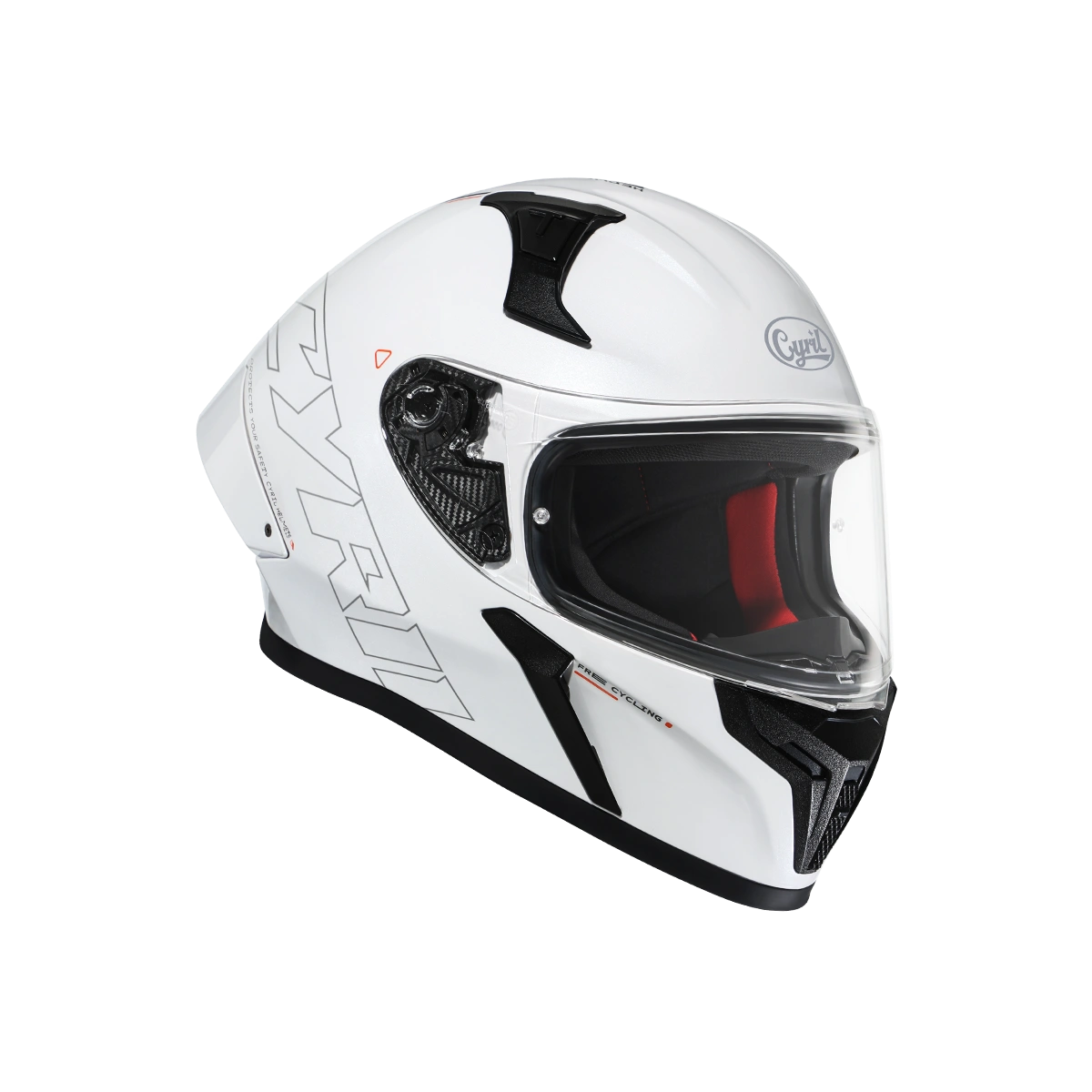
The Mad Shark is a full-face helmet with DOT / FMVSS 218 information, an ABS shell, multi-layer EPS, active ventilation, a clear visor view, and a removable washable liner. It fits this topic when a commuter wants to compare helmet stability, ventilation, and liner comfort over repeatable short rides.
View Mad Shark
Best for Sport Posture Evaluation
The R1-PRO is a full-face helmet with DOT / FMVSS 218 and ECE 22.06 information, a sport-inspired profile, magnetic visor release, ventilation, a removable washable liner, and a stable full-face shell profile. Its sport-inspired profile makes it relevant for riders comparing how posture and head checks affect neck fatigue.
View R1-PRO
Best for Riders Who Take Frequent Stops
The THUNDER is a dual visor modular helmet with flip-up convenience, a clear outer shield, an inner sun visor, wide-view comfort, a removable washable liner, and DOT / FMVSS 218 and ECE 22.06 information. Its modular convenience can suit riders who stop often, but neck comfort still depends on closed-helmet fit and stable road behavior.
View THUNDERCommon Questions About Can a Motorcycle Helmet Cause Neck Pain
Can a helmet alone cause neck pain?
It can contribute, especially through weight, instability, wind load, or posture, but neck pain can also come from riding position, old injuries, muscle fatigue, or medical issues.
When should I stop riding and get medical advice?
If pain is sharp, persistent, linked to numbness, weakness, injury, dizziness, or radiating symptoms, do not treat it as a normal helmet fit issue.
Does a heavier helmet always mean more neck pain?
No. Fit, balance, wind behavior, posture, and ride duration matter too. A stable helmet may feel easier than a lighter helmet that lifts or shakes.
Can wind buffeting make my neck hurt?
Yes. Turbulent air can make the helmet shake or pull, forcing neck muscles to correct it repeatedly. Check windshield, posture, and helmet movement.
Should I loosen the strap for neck relief?
No. A loose strap can make the helmet less stable and may increase fatigue. Fix the cause instead of riding with a compromised strap setting.
What should I document for support?
Record ride duration, speed range, bike posture, pain location, whether the helmet moves, and whether the issue appears indoors with your normal gear.
Can a collar or hoodie be the real cause?
Yes. A tall collar, hoodie, backpack, or winter layer can push the helmet and change neck posture. Retest without that item before deciding.
When should I exchange the helmet?
Exchange becomes practical when the helmet is stable indoors but repeatedly creates neck strain through poor fit, lift, shaking, or posture conflict during normal use.
Final Notes
A helmet can be part of a neck-pain pattern, but the useful question is how and when the pain appears. Compare fit, posture, wind, collar interference, and ride duration before changing size. If symptoms are sharp, persistent, or medical in nature, stop treating the issue as a simple gear adjustment.