
What Should I Ask Support Before Ordering a Motorcycle Helmet?

What Should I Ask Support Before Ordering a Motorcycle Helmet?
Before ordering, support should help you remove unknowns: size boundary, head-shape concern, glasses or hair, intended riding, return rules, and what evidence helps if the first test wear feels wrong. A useful question gives support facts to respond to, not a vague request to choose the helmet for you.
Good support questions are specific. Instead of asking which helmet is best, ask how your measurement maps to the chart, whether the model suits your head-shape concern, what to do if the first test wear reveals pressure, and how the return process works before road use or accessory installation. The goal is to reduce guessing before payment and keep a clean path if the fit is wrong.
This guide was built from general online shopping guidance from the Federal Trade Commission online shopping guidance, helmet fit guidance from NHTSA motorcycle helmet materials, and official Cyril product information. Before publication, it was checked for practical shopping relevance, verified product details, clear limits, and no invented price, discount, stock, return-window, size-range, or safety promise.
The Short Answer
Ask support questions that produce an answer you can act on: how your head measurement fits the chart, what to do if you are between sizes, whether glasses or speakers change the fit decision, and what evidence support needs if the helmet feels wrong after arrival.
A weak support question sounds like "Which helmet is best?" A useful one gives your measurement, riding use, fit concern, and deadline. The goal is to reduce guessing before payment and keep the return or exchange conversation clean if the first size is wrong.
Rider Persona: Sarah - Between Sizes Before Checkout. This composite support scenario follows a rider whose measurement sits near the edge of two sizes. Instead of asking for a generic recommendation, she sends the number, head-shape concern, glasses use, and return-window question before ordering.
Why This Matters Online
Support is most useful before you create a preventable problem. Online helmet buying removes the in-store try-on, so you need clear size guidance, return conditions, and product facts before the box arrives. The FTC online shopping guidance recommends checking seller information and policies before paying; helmet buyers should add fit-specific questions to that habit.
For helmets, the problem is not only whether the order arrives. It is whether you know what to do if the helmet is close but not right: keep packaging, test indoors, document pressure points, and contact support before riding outside.
| Check Area | Why It Matters | What Good Evidence Looks Like |
|---|---|---|
| Fit evidence | Does the page help you choose size and shape? | Look for a size chart, measuring method, fit notes, and return instructions. |
| Product evidence | Can you verify what the helmet includes? | Check shell type, visor type, liner removability, ventilation, and published standards information. |
| Seller evidence | Do you know who is responsible after purchase? | Confirm support contact, return process, and whether the seller can answer helmet-specific questions. |
| Review evidence | Do reviews describe real use? | Prioritize comments about fit after rides, glasses, heat, noise, and returns over unboxing praise. |
| Arrival evidence | Can you document condition when it arrives? | Keep packaging, photograph labels and accessories, and test indoors before riding. |
What to Check Before Ordering
Before contacting support, collect the details that prevent a vague answer. Support cannot do much with "I usually wear medium." They can help more with a measured head circumference, riding use, glasses or speaker needs, and the exact model you are considering.
- Your current head measurement and whether it sits near a size boundary.
- Your known fit issue: forehead pressure, temple pressure, cheek squeeze, glasses pressure, or helmet movement.
- Your riding use: short commute, highway ride, scooter/city use, touring, or passenger helmet.
- Any accessories you expect to use, such as glasses, speakers, microphone, liner cap, or balaclava.
- The policy question you need answered before opening or testing the helmet.
Rider Persona: Olivia - Glasses Question First. This composite rider wears prescription glasses and knows temple pressure is her usual problem. Her support question asks whether the model has enough glasses-room indicators and what photos to send if the arms press after the indoor fit test.
Red Flags That Deserve a Pause
Red flags do not always mean a product is bad. They mean you need confirmation before paying. Vague feature claims, missing interior photos, unclear seller identity, pressure-heavy sale language, and return rules that are hard to find all make fit mistakes harder to fix.
Claims Without Details
Broad marketing words are not enough. Look for concrete facts you can verify against your riding needs.
Only Exterior Images
Exterior beauty shots do not show liner depth, strap routing, visor mechanism, ear space, or glasses clearance.
No Fit Help Path
If you cannot find who answers fit questions, the return conversation may become harder if the helmet arrives wrong.
How to Protect the Fit Decision
Once the helmet arrives, keep it in test-fit condition until the decision is clear. Do not ride outside, remove permanent labels, install adhesive mounts, or discard packaging before the indoor fit test. A helmet can fail because of pressure at the forehead, temples, crown, ears, cheeks, chin bar, or strap position even when the size chart looked right.
Use a 30-minute indoor test with the strap fastened and normal riding gear in place. If the issue appears, document exactly where it happens and contact support while the helmet is still clean, complete, and easy to discuss.
Also ask what changes the return condition. Some riders accidentally create a harder support conversation by installing accessories, riding outside, or throwing away packaging before they know the fit. A clear answer before ordering prevents that avoidable mistake.
What to Save or Ask Support
Ask one focused question at a time. Good examples: "My head measures X and the chart puts me between two sizes; which test should I use when it arrives?" "I wear glasses with straight arms; what should I watch for?" "If cheek pressure appears after 20 minutes indoors, what photos should I send before riding?"
Write the question so the answer can be checked later. Include the model name, your measurement, the concern, and the decision you are trying to make. A useful reply should tell you what to test, what evidence to save, and when to stop using the helmet for return reasons.
Rider Persona: Sofia - Support Before Return. This composite rider receives a helmet that feels close but not right. Because she asked before ordering, she already knows to keep packaging, take front and side photos, and describe the pressure point before using the helmet on the road.
If support can answer your exact measurement, use case, fit concern, and return-policy question clearly, the purchase risk is lower. If the answer stays vague after you provide details, pause before ordering.
How to Apply This When Choosing
Use product cards as prompts for better support questions. Ask about the fit concern, feature, or use case that matters to you before treating a product description as a final answer.
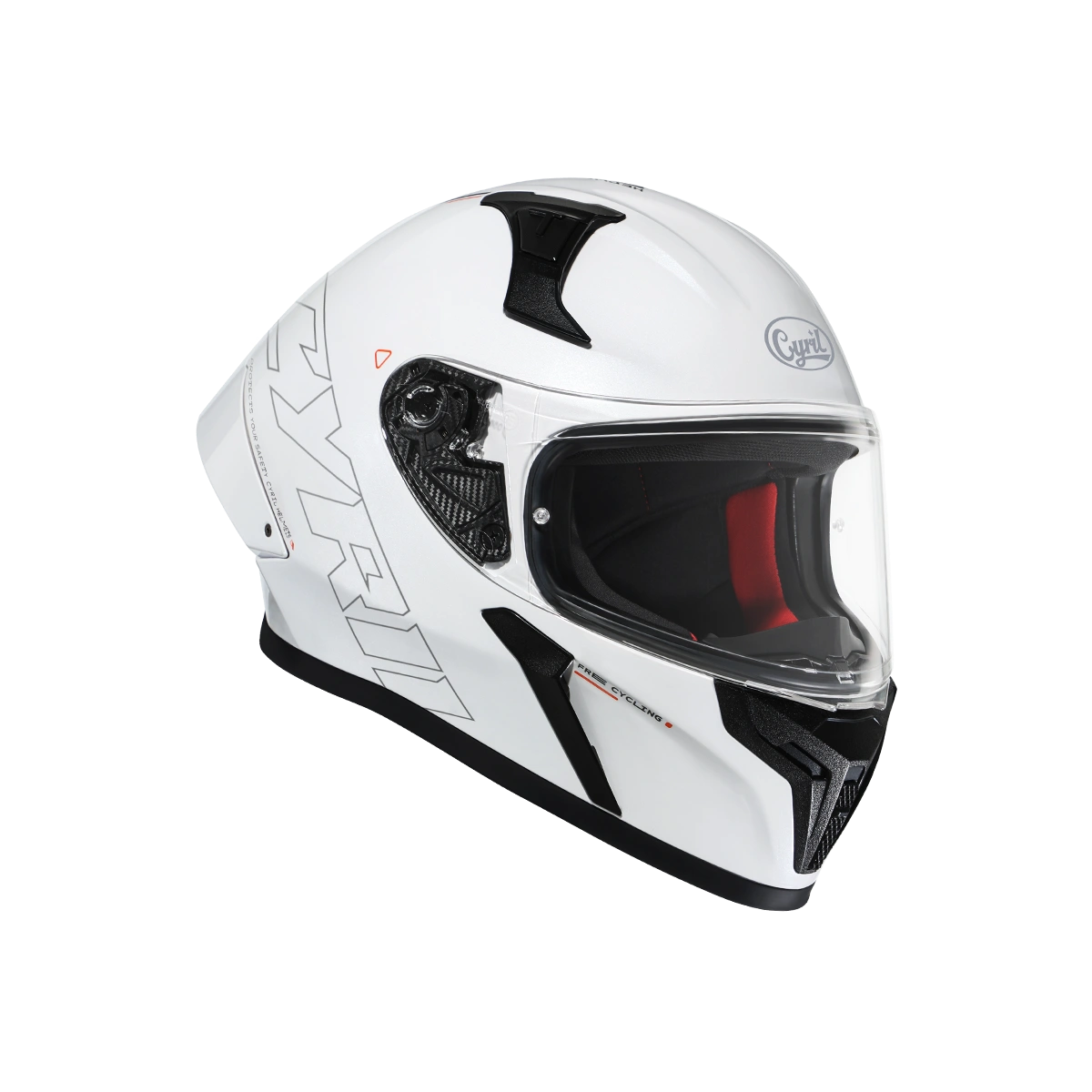
Best for Asking Basic Fit Questions
The Mad Shark is a full-face helmet with DOT / FMVSS 218 information, an ABS shell, multi-layer EPS, active ventilation, a clear visor view, and a removable washable liner. It gives support a concrete model to discuss when a commuter needs help with measurement, full-face fit, liner contact, or return-ready test steps.
View Mad Shark
Best for Asking Feature-Specific Questions
The R1-PRO is a full-face helmet with DOT / FMVSS 218 and ECE 22.06 information, a sport-inspired profile, magnetic visor release, ventilation, a removable washable liner, and a stable full-face shell profile. It suits buyers who want to ask support about magnetic visor release, sport-profile feel, or full-face stability before ordering.
View R1-PRO
Best for Asking Modular-Use Questions
The THUNDER is a dual visor modular helmet with flip-up convenience, a clear outer shield, an inner sun visor, wide-view comfort, a removable washable liner, and DOT / FMVSS 218 and ECE 22.06 information. It is the product to discuss when your support question involves modular convenience, dual visor use, or frequent stop-and-go riding.
View THUNDERCommon Questions About What Should I Ask Support Before Ordering a Motorcycle Helmet
What is the best first support question?
Ask how your exact head measurement maps to the size chart, especially if you are near a size boundary or have had pressure issues before.
Should I ask support to pick the helmet for me?
No. Ask for help interpreting fit, features, and return steps. You still need to match the helmet to your riding use and indoor fit test.
What details should I include in the message?
Include head measurement, model, intended use, glasses or accessories, known pressure points, and whether you are buying for commuting, highway riding, city use, or a passenger.
Should I ask about return rules before ordering?
Yes. Ask what condition the helmet must remain in, whether indoor test fitting is acceptable, and what evidence helps if size or fit is wrong.
What if support gives a vague answer?
Ask a narrower question with a specific measurement, product, and fit concern. If the answer still avoids fit or policy details, pause before ordering.
Can support guarantee fit?
No. Support can reduce guessing, but the helmet still needs a clean indoor fit test when it arrives.
Should I send photos before ordering?
Usually measurements and questions are enough before ordering. Photos help more after arrival, when support can see helmet position and pressure patterns.
What should I save from the conversation?
Save support replies, product page details, size chart, return policy, order confirmation, and any instructions about indoor fit testing.
Final Notes
Good support questions make the buying decision cleaner before the box arrives. Bring measurements, use case, accessories, and one clear fit concern. Then keep the helmet return-ready until the indoor test confirms the choice.