
Can One Motorcycle Helmet Handle Commuting, Weekend Rides, and Rain? Feature Tradeoffs Before Buying

Can One Motorcycle Helmet Handle Commuting, Weekend Rides, and Rain? Feature Tradeoffs Before Buying
Most riders want one helmet to do everything. That can work, but only if the helmet's fit, visor, ventilation, liner care, noise control, and convenience match the rides you actually take instead of the rides you imagine.
One motorcycle helmet can handle commuting, weekend rides, and rain if it fits securely, has clear and usable visor options, vents well without becoming noisy, has a liner you can clean and dry, and does not force major compromises in your most common ride. The problem starts when a helmet is bought for one attractive feature and then expected to solve every weather, speed, comfort, visibility, and storage situation.
This guide references public rider gear and helmet safety information, including NHTSA helmet guidance, NHTSA unsafe helmet information, and MSF personal protective gear guidance. Cyril product references were checked against official product information. The article compares practical use cases and does not claim one helmet type is universally safest or best for every rider.
The Real One-Helmet Question
The question is not whether one helmet can technically be worn for every ride. Of course it can. The real question is whether one helmet can handle your most common rides without pushing you into bad habits: cracking the visor constantly, riding with a damp liner, ignoring wind noise, loosening the strap, using the wrong shield at night, or choosing style over visibility.
A useful way to start is to rank your rides by time, not excitement. If 80 percent of your helmet time is a 30-minute commute in heat and traffic, the helmet should solve commuting first. If your longest and most tiring rides are weekend highway loops, then stability, noise, airflow, and neck fatigue matter more. If rain and dark returns are normal, visor clarity and seal behavior matter every week, not only when the forecast looks bad.
Picture the same helmet across three ordinary moments: Monday morning traffic with sweat building at every light, Saturday highway wind after an hour, and a rainy ride home when the road is dark and every headlight scatters across the visor. If the helmet only feels right in one of those moments, it may still be a good helmet, but it may not be your best one-helmet solution.
NHTSA emphasizes correct fit and appropriate safety information, while MSF treats helmet and eye protection as core riding gear. Those basics do not change because you want one helmet to do multiple jobs. A versatile helmet still has to fit correctly and work predictably in the riding conditions where you will use it.
Rider Persona: Ben - The one-helmet optimizer. Ben rides 25 minutes to work three days a week, then takes a two-hour weekend loop twice a month. He almost bought the most aggressive-looking helmet he found. The smarter move is to ask which problem appears most often: heat in traffic, wind on the highway, visor needs at night, or liner drying after rain.
What Commuting Asks From a Helmet
Commuting punishes small annoyances because you repeat them. A helmet that smells a little after one hot ride can become sour after a week. A visor that fogs at one red light becomes a daily distraction. A strap that rubs under the chin becomes the thing you loosen without thinking. A helmet that is hard to put on with glasses becomes a small argument every morning.
For commuting, prioritize predictable fit, easy liner care, ventilation you can actually use, a clear field of view, and a visor setup that works in changing light. Convenience matters here because you are not preparing for a scenic weekend ride. You are leaving for work, carrying a bag, checking traffic, and trying to arrive without starting the day irritated.
A quick test is to imagine the helmet after the third hot day in a row. Can you remove and dry the liner? Can you keep the visor clear? Does the helmet still feel stable when you are tired? If the answer is no, the helmet may look good in a buying guide but fail as a daily tool.
- Stable fit that does not require strap shortcuts.
- Clear visor view for traffic, signals, and mirrors.
- Ventilation that helps at low speed without creating constant distraction.
- Removable or washable liner features for sweat and odor control.
- Comfort with glasses, earbuds, or a headset if those are part of your commute.
What Weekend Rides Expose
Weekend rides expose problems that a short commute can hide. A helmet that feels fine for 20 minutes can become loud, hot, heavy, or unstable after the second fuel stop. Wind pressure matters more. Shoulder checks matter more. Liner moisture and forehead pressure have more time to build. A small visor whistle at city speed can become a real fatigue source at highway speed.
If your weekend rides include faster roads, think about shell stability, visor seal, noise, ventilation balance, and whether the helmet stays comfortable when you turn your head repeatedly. You do not need to chase race features for ordinary riding, but you do need a helmet that does not become work after the fun part of the ride is over.
This is where riders often buy for the wrong fantasy. They choose the helmet that looks right beside the motorcycle, then discover that the daily commute is hot and the weekend loop is loud. The better choice may be less dramatic but easier to live with for the total hours you actually ride.
Rain, Night, and Visibility Tradeoffs
Rain and night riding make the wrong compromise obvious. A tinted or scratched visor can feel acceptable in bright daylight and become a mistake on a dark, wet road. A visor seal that only whistles in dry weather may let water creep into your view when traffic spray starts. A helmet with poor airflow may fog at the exact moment you need mirrors and lane markings most.
If one helmet must handle everything, be conservative with visibility. Choose a setup that gives you a reliable clear view in low light and wet conditions. Sun comfort matters, but not at the cost of night or rain usability. A dual-visor helmet can help some riders because the clear outer shield remains useful while the inner sun visor handles bright conditions, but the helmet still needs to fit and operate cleanly.
Ask one blunt question before buying: what is the worst condition I realistically ride in? If the answer is "rain after work" or "night ride home," then visibility and visor behavior should outrank a feature that only matters on perfect weekends.
| Condition | Feature that helps | Tradeoff to watch |
|---|---|---|
| Hot commuting | Usable vents and washable liner. | Some vent designs may increase noise or still feel weak at low speed. |
| Weekend highway | Stable fit, good visor seal, balanced shell profile. | A helmet that feels fine in town may feel tiring in wind. |
| Rain | Clear visor, predictable seal, fog management habits. | Dark shields or scratched visors reduce confidence quickly. |
| Night riding | Clear view and low-distraction fit. | Sun-focused choices can become poor low-light choices. |
| Frequent stops | Modular convenience or easy visor operation. | Convenience still has to come with correct fit and stable closure. |
Rider Scenarios: One Helmet or Different Jobs?
Not every rider needs multiple helmets. Some riders need one well-chosen helmet and better maintenance habits. Others need to admit their rides are too different for one setup to feel right all year. The decision gets clearer when you look at real weekly hours.
Maya - Five short rides a week
Maya rides 20 minutes each way, five days a week, mostly in traffic. Her helmet needs washable liner comfort, clear visor view, and easy daily use more than aggressive weekend styling.
Chris - Commute plus highway loops
Chris commutes twice a week and rides two-hour highway loops on Saturdays. He should prioritize stable fit, visor seal, ventilation balance, and noise control instead of buying only for city convenience.
Nina - Rain and night returns
Nina often rides home after dark and gets caught in light rain. Her one-helmet choice should protect clear visibility first, even if that means skipping a visor setup that looks better in daytime photos.
Feature Tradeoff Table Before Buying
Every helmet feature is part of a tradeoff. More convenience can add complexity. More airflow can bring more noise. A sun-focused setup can create low-light problems. A sport profile can feel great at speed but less convenient in stop-and-go errands. The goal is not to find a helmet with every feature; it is to choose the tradeoffs that hurt you least.
| Feature | Useful when... | Check before buying |
|---|---|---|
| Full face shell | You want straightforward coverage and stable daily use. | Fit, ventilation, visor clarity, and liner care. |
| Modular design | You value frequent stops, glasses convenience, or face-access comfort. | Fit with the chin bar closed and visor behavior in real riding conditions. |
| Dual visor | You ride through changing light. | Clear outer shield usability, inner sun visor comfort, and night-riding habits. |
| Strong ventilation | You commute in heat or ride longer hours. | Noise, airflow at low speed, and whether vents are glove-friendly. |
| Removable liner | You sweat, commute, or ride in rain. | Drying routine, liner seating, and cleaning expectations. |
A quick way to decide is to choose the feature that solves your most repeated problem, not your most dramatic problem. The repeated problem is the one that shapes whether you keep wearing the helmet correctly. If the helmet makes your most common ride easier and your hardest ride acceptable, it is doing the one-helmet job well.
How to Apply This When Choosing a Helmet
Start with the ride that uses the most helmet hours, then check the hardest condition you realistically face. If those two needs point to the same helmet style, one helmet may be enough. If they fight each other, choose the compromise consciously instead of hoping one feature will cover every weakness.
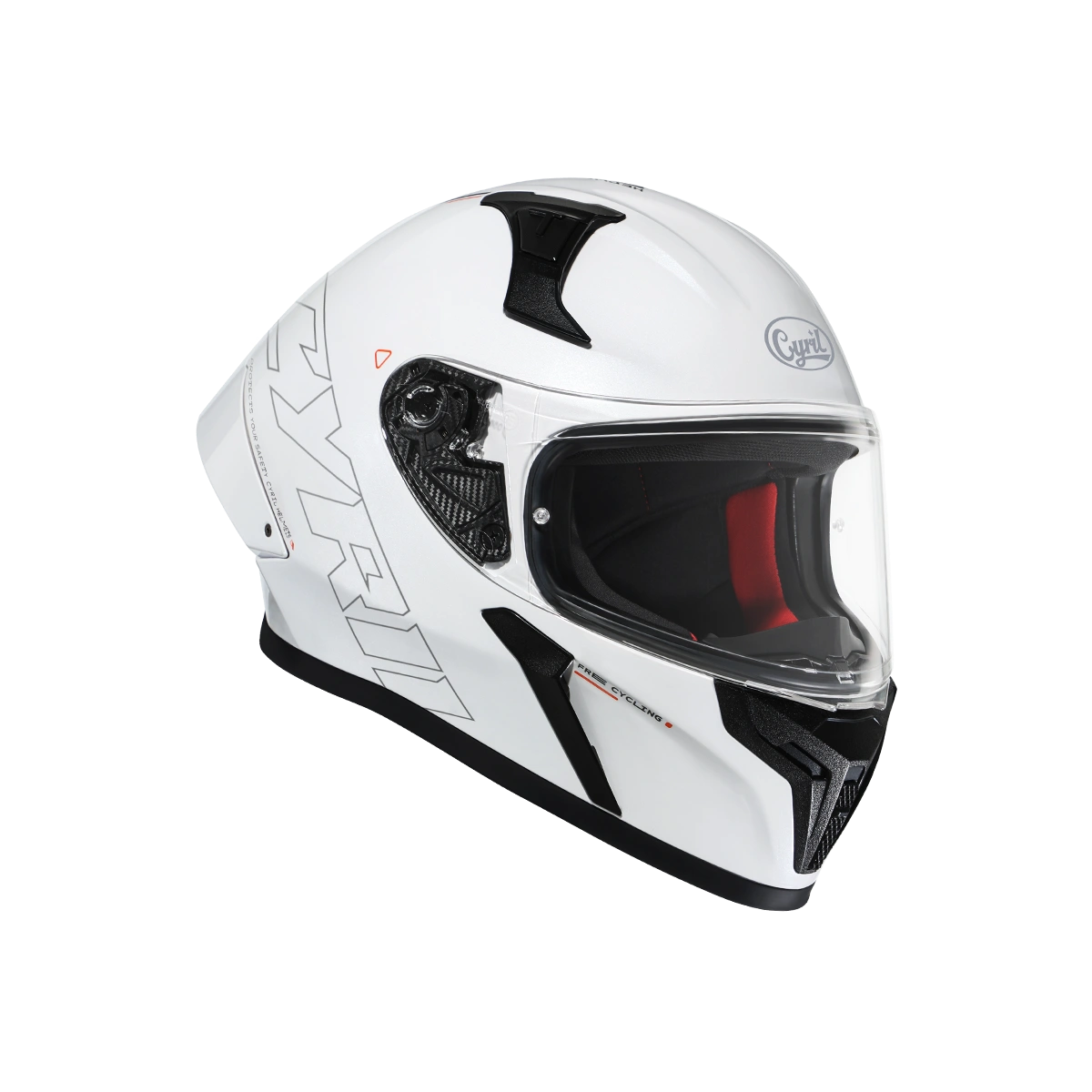
Best for Commuting and Regular Road Riding
The Mad Shark Full Face Helmet fits riders who want a straightforward full face option for daily commuting or regular road riding, with DOT FMVSS 218 information, ABS shell, multi-layer EPS, active ventilation, clear visor view, and removable washable liner.
View Mad Shark Full Face Helmet
Best for Changing Light and Stop-and-Go Convenience
The A128 Dual Visor Modular Helmet suits riders who want flip-up modular convenience, a clear outer shield, inner sun visor, wide-view comfort, removable washable liner, and DOT FMVSS 218 and ECE 22.06 information.
View A128 Dual Visor Modular Helmet
Best for Mixed Riding and Visor Release Convenience
The R1-PRO Full Face Helmet is relevant for riders who want a sport-inspired full face profile, DOT FMVSS 218 and ECE 22.06 information, ventilation, removable washable liner, and a magnetic visor release.
View R1-PRO Full Face HelmetList your top three riding conditions by time spent, then circle the one that creates the most discomfort or distraction. Choose the helmet that solves that repeated problem first, then check whether its tradeoffs are acceptable for the rides you take less often.
Common Questions About Buying One Motorcycle Helmet for Multiple Rides
Can one motorcycle helmet really work for commuting and weekend rides?
Yes, if the helmet fits correctly and handles your real conditions: heat, traffic, highway wind, visor needs, liner care, and ride length. The problem is not using one helmet. The problem is buying for one scenario and ignoring the others.
What feature matters most for a commuter helmet?
Fit comes first, then clear visibility, usable ventilation, strap comfort, and liner care. Commuting repeats small problems, so a helmet that is slightly annoying once can become a daily reason to loosen the strap or neglect cleaning.
Is a modular helmet better if I use one helmet for everything?
It can be better for riders who value frequent stops, glasses convenience, or dual-visor flexibility. It is not automatically better for everyone. Check fit, closed-chin-bar comfort, visor operation, and whether modular convenience solves a problem you actually have.
Should I choose a clear visor if I ride in rain or at night?
A clear, undamaged visor is the more conservative choice for low light, rain, and mixed conditions. Tinted setups may be useful in bright sun, but they can become a problem if your ride home happens after dark or in wet traffic.
Does more ventilation always make a helmet better?
No. More airflow can help in heat, but vent design, noise, low-speed airflow, and rider position all matter. A helmet that vents well but becomes loud or distracting at highway speed may not be the best one-helmet choice.
What if my weekday and weekend rides need different things?
Choose based on helmet hours and risk of distraction. If most hours are commuting, prioritize commute comfort and visibility. If weekend rides are long and tiring, consider stability, noise, and fatigue. If the needs strongly conflict, a second helmet may make more sense.
Can a dual-visor helmet replace carrying different shields?
For some riders, yes. A clear outer shield with an inner sun visor can help with changing light, but it does not remove the need for correct fit, clear night vision, clean visor surfaces, and careful operation before riding.
How do I know if one helmet is asking for too many compromises?
If you keep accepting problems in your most common ride, the compromise is too large. Examples include daily fogging, constant strap discomfort, wet liner every morning, poor night visibility, or highway wind fatigue you try to ignore.
Final Notes
One helmet can cover a lot of riding when it is chosen honestly. Start with where your helmet hours actually go, then check the hardest condition you regularly face. The right one-helmet choice is rarely the most dramatic option. It is the helmet that keeps fit, visibility, airflow, liner care, and convenience boring enough that you can focus on the ride.