
Motorcycle Helmet Return Window Almost Over? What to Check Before You Keep It

Motorcycle Helmet Return Window Almost Over? What to Check Before You Keep It
The last days of a return window are when riders talk themselves into keeping the wrong helmet. Before you cut tags, ride in it, or miss the exchange deadline, check fit, pressure, labels, visor clarity, strap comfort, liner seating, seller support, and whether the helmet still feels trustworthy after a calm indoor review.
Before keeping a motorcycle helmet, confirm that the size and head shape feel stable, the forehead and cheek pressure are manageable, the chin strap fastens comfortably, the visor gives clear vision, the liner sits evenly, and the product label, order page, and seller support information all match. If you are already loosening the strap, ignoring pressure pain, doubting the label, or hoping the helmet will magically become right, use the return or exchange window while you still can.
This guide was built from public helmet safety and fit guidance, including NHTSA helmet guidance, NHTSA unsafe helmet information, and MSF personal protective gear guidance. Product examples were checked against official Cyril product information. The article avoids promising that a helmet is safe because it feels comfortable and focuses on practical pre-ride buying checks.
Why the Return Window Matters
A return window is not just a shopping policy. It is the short period when you still have leverage if the helmet does not match your head, your order, your riding routine, or the product information you expected. Once you ride in it, remove tags, mark the liner, or wait too long, your options may shrink fast.
This is the point where many riders bargain with themselves. The helmet looks good. The box is already open. Returning it feels annoying. The pressure on the forehead is "probably fine." The cheek pads feel uneven, but maybe they will settle. The visor has a small distortion, but maybe it will not matter. Those maybes are exactly why the last days of the return window deserve a calm checklist.
NHTSA emphasizes choosing a helmet that fits correctly and has proper safety information. MSF also treats a quality helmet and eye protection as essential riding gear. For a buyer, that means the decision is not only "does it look new?" It is "can I verify the helmet and wear it correctly without making excuses?"
- Do the fit check indoors before riding or modifying anything.
- Compare the helmet label, product page, order details, and box information.
- Check whether the visor, strap, liner, vents, and shell arrived as expected.
- Contact support before the deadline if anything feels inconsistent.
- Do not keep a helmet because returning it feels inconvenient.
Do the Indoor Fit Check Before Riding
Put the helmet on indoors with clean hair and no riding distractions. Fasten the strap correctly. Wear it long enough to notice pressure, not just long enough to look in the mirror. A helmet can feel acceptable for the first two minutes and become obvious by minute fifteen. That is especially true for forehead pressure, glasses discomfort, jaw soreness, and hot spots near the temples.
A quick way to read the fit is to ask what you want to adjust first. If your hand goes to the forehead, the pressure point matters. If you immediately loosen the strap, the strap or shell fit may be wrong. If you keep pushing the helmet down, it may be sitting too high. If you shake your head and the shell lags behind, it may be too loose for riding.
Do not confuse snug with painful. A new helmet can feel firm, especially around the cheeks, but it should not create sharp pain, numbness, a headache, blocked vision, or a need to wear the strap loose. If the only way to tolerate the helmet is to fasten it incorrectly, the helmet has already failed the buying check.
The most useful question is not "can I survive this fit?" It is "would I choose this same helmet again after wearing it for twenty minutes?" If the honest answer is no, the return window is still doing its job.
Rider Persona: Laura - The almost-right size. Laura rides a 20-minute city commute and ordered the size she usually wears. The helmet looked perfect, but after fifteen indoor minutes she felt a hard band across the forehead. The right move is not to "break in" pain during traffic. It is to exchange while the helmet is still clean, unused, and inside the return window.
Check Labels, Order Details, and Seller Support
Before keeping the helmet, compare the order page, product name, size, color, label information, and box details. You are not looking for a legal essay. You are looking for consistency. If the model on the order does not match the product label, if the photos showed one feature and the helmet arrived with another, or if the label is blurred, missing, damaged, or inconsistent, pause before riding.
NHTSA warns riders to be careful with unsafe or novelty helmets and misleading labels. That matters even when a helmet is new, because online buyers often make decisions from product photos and short descriptions. A clear return window gives you time to ask the seller for clarification before the helmet becomes used gear.
Support response matters too. If you contact the seller with a specific fit, label, visor, or order mismatch question, the answer should help you make a decision. Vague replies like "it is fine," "all helmets fit differently," or "just ride it a few times" do not solve a concrete problem. Save screenshots of the order, product page, label, and support conversation before the deadline.
| What to compare | Why it matters | Return-window warning sign |
|---|---|---|
| Product name and model | Confirms the helmet matches what you ordered. | Listing name, box, and helmet label do not match. |
| Size and fit feel | Size tags are only a starting point; your head shape still matters. | Sharp pressure, sliding shell, or strap loosened to tolerate it. |
| Certification and label information | Helps verify the helmet is being presented as legitimate road gear. | Missing, unclear, damaged, or suspicious label information. |
| Visor and hardware | Visibility and predictable operation matter before riding. | Distortion, deep scratches, loose visor, uneven latch, or missing parts. |
| Seller support | Determines whether problems can be solved before the deadline. | Vague answers, no response, or pressure to ride before checking. |
Comfort Red Flags You Should Not Negotiate With
The return-window mistake is assuming every discomfort will disappear. Some break-in is normal around soft padding, but shell shape, hard forehead pressure, unstable fit, blocked glasses, or poor strap geometry may not fix themselves. If you are already creating a plan to tolerate the helmet, listen to that. A helmet should not need a negotiation strategy before its first ride.
Watch for behavior, not just sensation. Do you loosen the strap to relieve chin pressure? Do you tilt the helmet back to stop forehead pain? Do you remove your glasses because the temples hurt? Do you avoid turning your head because the helmet shifts? Those small compensations matter because they may follow you into traffic.
Also check how the helmet feels when you simulate real riding habits indoors. Turn your head as if checking lanes. Look down as if checking instruments. Put on your normal riding glasses if you wear them. Open and close the visor. If the helmet creates a problem during these quiet checks, the ride will not make the decision easier.
- Sharp forehead pressure after 10-20 indoor minutes.
- Helmet slides when the strap is fastened correctly.
- Cheek pads feel painfully uneven or push your jaw out of position.
- Glasses arms press hard into your temples.
- Strap position makes you want to fasten it loose.
- Visor distortion, fogging tendency, or seal problems distract you before riding.
Visor, Strap, Liner, and Hardware Checks
Fit is the main decision, but it is not the only one. Check the visor for clear vision, smooth movement, and proper closure. A new helmet should not arrive with a visor that feels gritty, pops open, or gives you distorted vision through the center of your view. Check the strap hardware, rivets, and buckle area for clean operation and comfortable placement.
Look inside the helmet before you decide. The liner should sit evenly, snaps should be secure, cheek pads should not look twisted, and removable pieces should not feel half-installed. A small liner seating problem may be fixable, but a helmet that arrives with missing pieces, damaged stitching, or obvious asymmetry should be documented before the return deadline.
If you plan to use Bluetooth speakers or glasses, check that before keeping the helmet. Do not wait until after the return period to discover that speaker pockets are uncomfortable, glasses arms are trapped, or the cheek pads leave no room for the way you actually ride. The helmet should fit your real setup, not an ideal version of yourself who never wears glasses, never rides at night, and never needs audio.
Rider Scenarios: Keep, Exchange, or Return?
Return decisions become clearer when they are tied to a real ride. A helmet that barely works for a five-minute mirror check may fail on a 35-minute commute. A helmet that looks dramatic in photos may feel wrong with glasses, rain, or shoulder checks. Use your routine as the test.
Jake - Between two sizes
Jake rides 35 minutes each way and ordered the smaller size because the chart was close. The helmet feels stable, but the forehead pressure becomes sharp after fifteen minutes. He should exchange before riding rather than hoping traffic will distract him from pain.
Maya - Product details do not match
Maya bought a helmet because the listing showed a feature she wanted, but the arrived helmet, box, and order page do not line up. Before the window closes, she should document the mismatch and contact support instead of using the helmet once.
Chris - Firm but stable
Chris wears the helmet indoors for twenty minutes, fastens the strap correctly, checks glasses and visor movement, and notices firm cheek pressure without pain or sliding. That is a better sign than judging from the first ten seconds.
A Final Keep-or-Return Decision Table
Use a simple rule: keep the helmet only if it gives you fewer questions after the check, not more. If every section of the review adds a new concern, the return window is doing its job. It is giving you a clean way out before the helmet becomes used, modified, or harder to send back.
| Decision | Good reason | Do not choose this if... |
|---|---|---|
| Keep | Fit is stable, pressure is manageable, labels match, hardware works, and support information is clear. | You are ignoring pain, label doubt, or a feature mismatch. |
| Exchange size | The product is right, but size or head-shape comfort is not. | The seller cannot explain size options or return conditions. |
| Ask support | A small part, liner seating issue, or order detail needs clarification. | The deadline is too close to wait without opening a case. |
| Return | The helmet does not fit, details do not match, or you cannot verify what arrived. | You have already used or modified the helmet in a way that affects return eligibility. |
The final check is blunt: if you would not choose the same helmet again with what you know now, do not let the deadline choose for you. A helmet that starts with doubts usually does not become easier to trust after the receipt is useless.
How to Apply This When Choosing a Helmet
Choose a helmet from product information you can verify, then use the return window to confirm fit and daily usability. A clear product page, removable liner, visor information, support path, and appropriate certification information make the final keep-or-return decision easier. The goal is not to find a helmet that looks good in the box. It is to keep one you can wear correctly without second-guessing it.
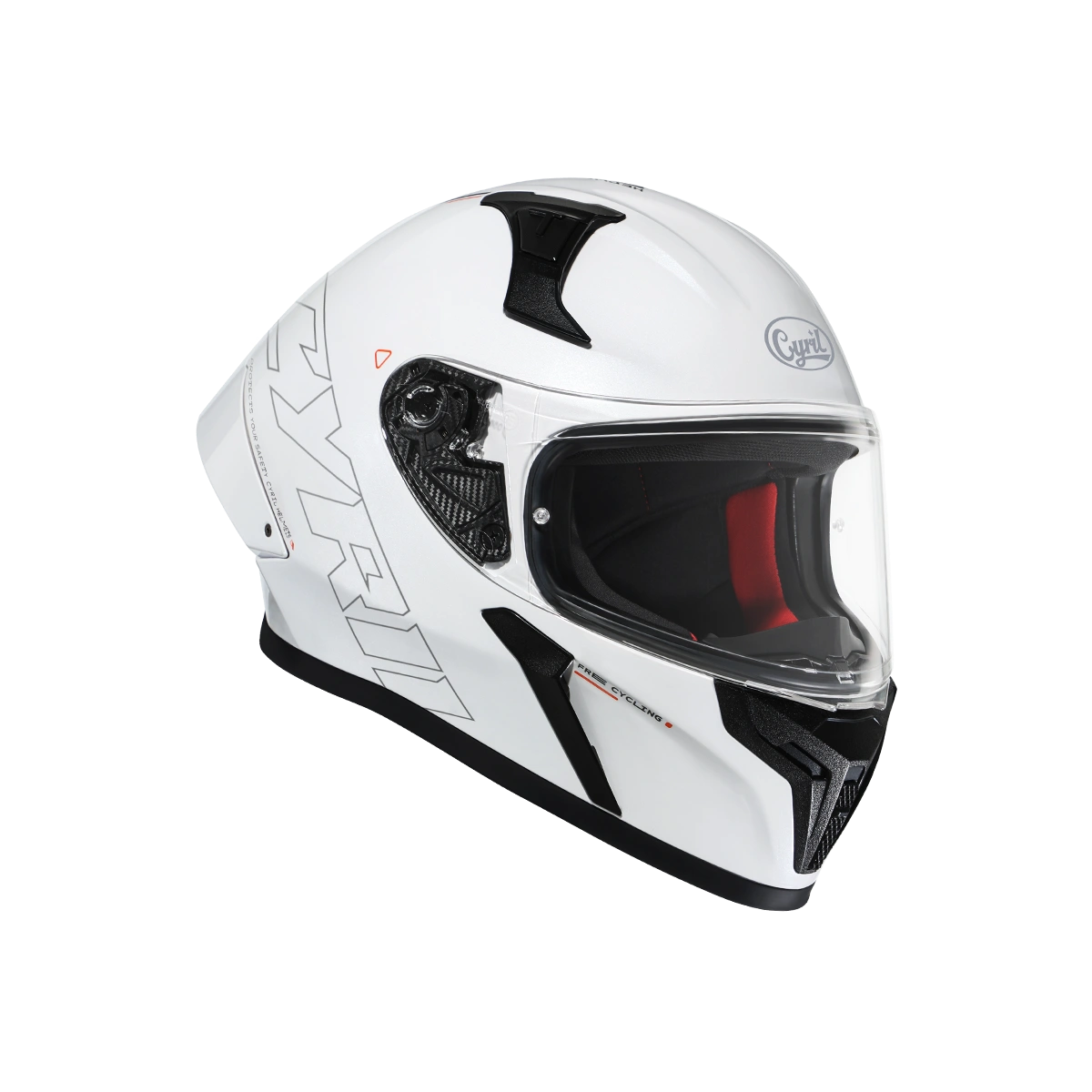
Best for Daily Commuters Checking Fit Before Keeping
The Mad Shark Full Face Helmet fits riders comparing a straightforward full face option for daily commuting or regular road riding, with DOT FMVSS 218 information, ABS shell, multi-layer EPS, active ventilation, clear visor view, and removable washable liner.
View Mad Shark Full Face Helmet
Best for Riders Checking Sport-Fit Details
The R1-PRO Full Face Helmet is relevant when riders want a sport-inspired full face profile with DOT FMVSS 218 and ECE 22.06 information, ventilation, removable washable liner, and a magnetic visor release.
View R1-PRO Full Face Helmet
Best for Checking Modular and Dual-Visor Convenience
The A128 Dual Visor Modular Helmet suits riders who want to confirm flip-up modular convenience, a clear outer shield, inner sun visor, wide-view comfort, removable washable liner, and DOT FMVSS 218 and ECE 22.06 information before keeping the helmet.
View A128 Dual Visor Modular HelmetPut the helmet on, fasten it correctly, wear it indoors, compare the label and order details, check the visor and hardware, and contact support if anything does not match. A return window is only useful if you use it before the helmet becomes a problem you have to keep.
Common Questions About Motorcycle Helmet Return Decisions
Should I ride in a new helmet before deciding to keep it?
Check the seller's return policy first. Some returns may be affected once a helmet is used outdoors, marked, modified, or missing tags. Do indoor fit, visor, label, and hardware checks before riding so you do not lose options while still uncertain.
How long should I wear a helmet indoors before keeping it?
Wear it long enough to notice pressure that does not appear in the first minute. Fifteen to twenty minutes is a useful basic check for forehead pain, temple pressure, glasses discomfort, jaw pressure, and strap position. Stop if pain is sharp or distracting.
Will a motorcycle helmet loosen after break-in?
Soft padding may settle, especially around the cheeks, but hard shell-shape problems usually do not disappear. Do not count on break-in to fix sharp forehead pressure, unstable movement, blocked vision, or a strap position that makes you fasten it incorrectly.
Should I exchange or return if I am between two sizes?
Exchange may make sense if the helmet model is right and only the size is wrong. Return may be better if the shape, visor, strap, or product details also feel wrong. Do not keep the smaller size because it looks cleaner if it creates pain you cannot ignore.
What if the helmet label does not match the product page?
Photograph the order page, box, helmet label, and inside information, then contact support before riding. If the model, size, certification information, or features do not match what you ordered, use the return window instead of assuming the mismatch is harmless.
Can I keep a helmet if only the cheek pads feel tight?
Firm cheek pressure can be normal in a new full face helmet, but painful jaw pressure, uneven pad seating, numbness, or a helmet that changes your bite deserves caution. Check whether the liner is seated correctly and ask support before the deadline if the pressure feels abnormal.
Should I install Bluetooth speakers before the return window ends?
Check compatibility and comfort before making permanent changes. If speaker placement creates ear pressure or the helmet becomes uncomfortable with your real setup, you need to know before the return deadline. Avoid cutting, gluing, or modifying anything until you understand the policy.
What is the biggest mistake riders make before the return deadline?
The biggest mistake is keeping a helmet because returning it feels annoying. If the helmet hurts, slides, has unclear label information, arrives with the wrong feature, or makes you fasten it incorrectly, the inconvenience of returning it is smaller than living with the wrong helmet.
Final Notes
The return window is your last quiet moment before the helmet becomes part of your riding life. Use it carefully. Check fit without rushing, compare the product information, test the visor and strap, and pay attention to the first thing you keep wanting to adjust. If the helmet gives you more doubts than confidence before the first ride, do not let the deadline make the decision for you.