
Do You Need a Second Motorcycle Helmet? Backup, Passenger, and Weather Use Cases Riders Overlook

Do You Need a Second Motorcycle Helmet? Backup, Passenger, and Weather Use Cases Riders Overlook
A second helmet can be useful, but it is not automatically a smart purchase. The real question is whether your riding routine creates a gap: a wet liner on Monday morning, a passenger with no proper fit, a visor setup that fails at night, or one helmet trying to handle every kind of ride.
You may need a second motorcycle helmet if your main helmet is often wet, smelly, unavailable, wrong for passengers, poorly suited to night or rain, or too specialized for your weekly riding mix. Do not buy a spare just because it sounds convenient. Buy one when it solves a real fit, hygiene, weather, passenger, or riding-style problem that your current helmet cannot solve well.
This guide was built from public helmet safety and riding-gear guidance, including NHTSA helmet guidance, NHTSA unsafe helmet information, and MSF personal protective gear guidance. Product references were checked against official Cyril product information. The article treats a second helmet as a fit and use-case decision, not as a promise of greater protection.
When a Second Helmet Actually Makes Sense
A second helmet makes sense when it solves a problem you can name before you open the product page. Maybe your daily helmet liner is still damp after summer commuting. Maybe you take an occasional passenger and do not want to hand them an old helmet that only fits you. Maybe your favorite weekend helmet has a tinted setup that feels wrong for cold rain or night errands.
The trap is buying a second helmet as a vague upgrade. Another helmet does not fix a poor fit, a neglected liner, a scratched visor, or a helmet that should be replaced after impact. It only helps if the new helmet has a clear job. Think of it less as "one more helmet" and more as a tool that covers a specific riding gap.
NHTSA emphasizes choosing a helmet that fits correctly and has the right safety information for road use. MSF also treats helmet and eye protection as core riding gear. Those points matter here because a backup helmet still has to be a real, correctly fitted motorcycle helmet. A spare that is the wrong size, has unclear certification information, or sits unused for years in bad storage is not a practical backup.
- Your main helmet is often damp, sweaty, or unavailable when you need to ride again.
- You ride in two very different conditions, such as hot commuting and cold night rides.
- You occasionally carry a passenger and need a helmet fitted for that person's head.
- Your current helmet has a visor setup or comfort profile that works in one scenario but fails in another.
- You want a clean spare for travel, service downtime, or unexpected gear issues.
Bad Reasons to Buy Another Helmet
Do not buy a second helmet to avoid solving the problem with the first one. If the current helmet causes headaches, lifts at speed, smells bad after every short ride, or feels loose after break-in, another helmet in the garage may only delay the right decision. The first question should be whether the main helmet still fits, closes, vents, and supports your actual riding routine.
Also avoid buying a passenger helmet based only on your own size. Passenger helmets are where riders often cut corners. They keep an old helmet "just in case," then hand it to a friend whose head shape, size, glasses, hair, and comfort needs are completely different. That is not a backup plan. It is a guess wrapped in a shell.
A second helmet is also not a way to stretch the life of a questionable helmet. If one helmet was dropped hard, crashed in, stored badly, or has missing label information, do not demote it to passenger duty. A helmet you do not trust for yourself should not become someone else's only protection.
A quick way to catch this mistake is to picture the worst timing: your main helmet is soaked after a storm, your passenger is waiting, or you need to leave before sunrise. If the spare helmet suddenly feels like a compromise in that moment, it was never a real backup. It was just extra gear.
Rider Persona: Evan - The bargain backup buyer. Evan rides a 30-minute commute and saw a very cheap helmet online. He told himself it would only be a backup, so the details mattered less. That is the wrong filter. A backup helmet may be used on the day your main helmet is wet, damaged, or unavailable, which is exactly when you need clear fit, label, and seller information.
Backup Helmet vs Passenger Helmet
A backup helmet and a passenger helmet are not the same purchase. A backup helmet is usually for you. It should match your head size, your riding position, your visor needs, and your comfort expectations. A passenger helmet is for another person, which means the fit check starts over. The fact that it fits you is almost irrelevant.
If you ride with the same passenger often, the helmet should be chosen with that person's measurements, comfort feedback, and riding conditions in mind. If you only carry occasional passengers, be careful with the idea of one "guest helmet." One spare size cannot safely or comfortably fit everyone. At minimum, treat it as a limited-use convenience for a person it actually fits, not a universal solution.
The moment to decide is before the ride, not while someone is standing beside the bike. If your passenger says the helmet presses hard on the forehead, slides when the strap is fastened, blocks glasses, or feels unstable, do not talk them into it for a short ride. Short rides still include traffic, braking, wind, and distraction.
This is where a lot of riders get uncomfortable because saying "we should not ride yet" feels inconvenient. That inconvenience is useful. It is the signal that the spare helmet plan was not finished before the passenger showed up.
Fitted for you
Choose this when your main helmet needs drying time, cleaning, service, or a different visor setup. It should pass the same fit check as your primary helmet.
Fitted for one person
Choose this when you regularly carry the same passenger. Measure and fit that rider instead of assuming your spare size will work.
Limited and risky
A general guest helmet sounds convenient, but head size and shape vary too much. Use it only when it truly fits the person wearing it.
Weather, Sweat, and Liner Recovery
Summer commuting is one of the strongest arguments for a second helmet. A removable liner helps, but drying still takes time. If you ride home in heavy heat, park the helmet in a humid garage, and ride again early the next morning, the liner may still feel damp or stale. That is when riders start loosening the strap, skipping liner care, or wearing the helmet while distracted by smell and discomfort.
A second helmet can create a clean rotation. One helmet dries fully while the other is ready. This is not about luxury; it is about not starting every ride with a wet cheek pad or sour liner. The same logic applies after rain. If your main helmet is soaked at night and you need to ride at 7 a.m., a dry backup may be more practical than trying to rush the drying process with heat that could damage materials.
Weather also changes visibility needs. A tinted visor that feels perfect in bright afternoon sun may be a poor match for a night errand or rainy commute. A modular or dual-visor setup may suit one routine, while a simple full face helmet may be better for another. The second helmet should solve that real difference, not just duplicate the first helmet in a different color.
| Problem | Second helmet may help when... | It will not help if... |
|---|---|---|
| Damp liner | You ride daily and the liner does not fully dry between rides. | You never clean or air out either helmet. |
| Night visibility | Your main setup is optimized for bright sun or weekend daylight. | You keep using a scratched or inappropriate visor. |
| Passenger rides | The same passenger needs a helmet that fits their head. | You expect one spare to fit every guest. |
| Service downtime | Your main helmet needs a replacement visor, liner care, or inspection. | The backup is old, damaged, or missing clear label information. |
| Different ride types | Your commute and weekend rides create different comfort needs. | The second helmet repeats the same weaknesses as the first. |
Rider Scenarios: Who Benefits Most?
The best second-helmet decisions usually come from a specific routine. If you can describe the ride, the weather, the timing, and the person who will wear it, the purchase becomes easier to judge. If all you can say is "it might be useful someday," wait.
Maya - Five rides a week
Maya rides 25 minutes each way, five days a week. In July, her liner is still damp the next morning. A second helmet gives her a drying rotation, but only if both helmets fit correctly and both liners are maintained.
Chris - Weekend passenger rides
Chris takes the same passenger on short Saturday rides twice a month. Instead of handing over an old spare, he should choose a helmet based on that passenger's head measurement, glasses, hair, and comfort feedback.
Nina - City errands and highway loops
Nina uses one helmet for everything: hot errands, night returns, and two-hour highway loops. Her second helmet should cover the scenario where the first one struggles most, such as visor convenience, airflow, or long-ride stability.
A Practical Second-Helmet Decision Table
Before buying, write down the job of the second helmet in one sentence. If the sentence is weak, the purchase is weak. "I want another helmet" is not enough. "I need a dry, correctly fitted commuter backup for summer mornings" is a real use case. "I need a helmet fitted for my regular passenger" is another.
Then check whether the problem could be solved by maintenance, a visor change, better storage, or replacing the current helmet instead. If the current helmet is unsafe, too loose, crashed in, or missing trusted product information, the answer is not a second helmet. The answer is replacing the helmet you cannot trust.
- Name the exact riding problem the second helmet will solve.
- Decide who will wear it before choosing size or helmet type.
- Check certification and product information the same way you would for a primary helmet.
- Choose visor, ventilation, liner, and helmet type based on the specific use case.
- Plan storage and cleaning so the spare does not become stale, damaged, or forgotten.
A useful test is to ask what happens if the second helmet is the only helmet available tomorrow. Would you trust its fit, label information, visor, liner, and strap condition without hesitation? If not, it is not a true backup yet.
How to Apply This When Choosing a Helmet
Match the helmet to the missing job in your riding routine. A daily backup should be easy to live with, clean, and predictable. A passenger helmet should be selected around the passenger's fit. A mixed-use second helmet should solve the condition your main helmet handles poorly, such as long rides, sun glare, modular convenience, or simple commuting.
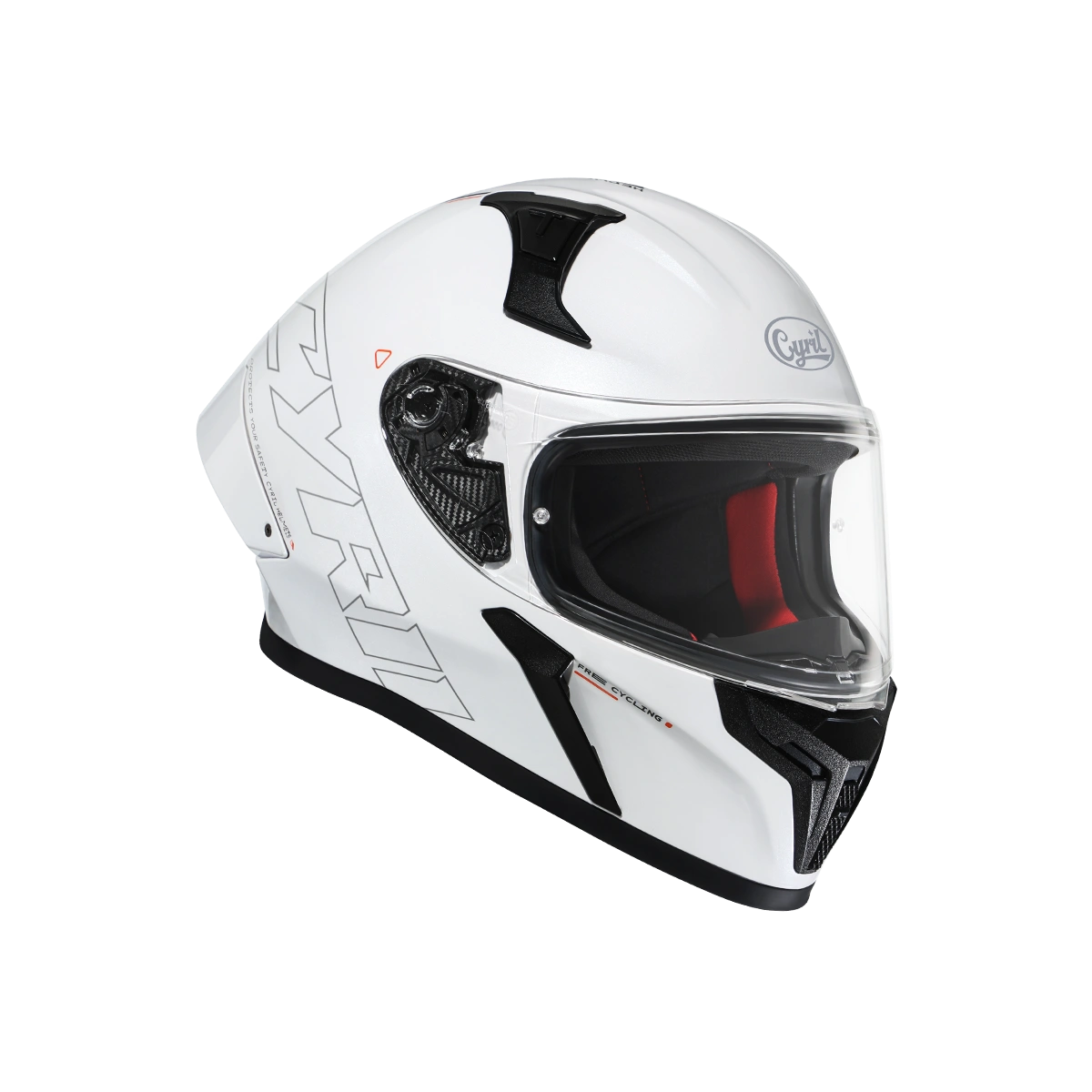
Best for a Straightforward Commuter Backup
The Mad Shark Full Face Helmet fits riders who want a practical second helmet for daily commuting or regular road riding, with DOT FMVSS 218 information, ABS shell, multi-layer EPS, active ventilation, clear visor view, and removable washable liner.
View Mad Shark Full Face Helmet
Best for Dual-Visor and Passenger Convenience
The A128 Dual Visor Modular Helmet suits riders who want flip-up modular convenience, a clear outer shield, inner sun visor, wide-view comfort, removable washable liner, and DOT FMVSS 218 and ECE 22.06 information.
View A128 Dual Visor Modular Helmet
Best for Mixed Riding and Visor Convenience
The R1-PRO Full Face Helmet works as a second helmet for riders who want a sport-inspired full face profile, DOT FMVSS 218 and ECE 22.06 information, ventilation, removable washable liner, and a magnetic visor release.
View R1-PRO Full Face HelmetIf the second helmet does not have a named job, a known wearer, clear product information, and a realistic storage plan, wait. The best spare helmet is not the extra one on a shelf; it is the one you would trust and actually use when your main helmet is not the right tool for the ride.
Common Questions About Owning Two Motorcycle Helmets
Is it worth owning two motorcycle helmets?
It is worth it when the second helmet solves a real problem, such as liner drying time, a regular passenger, different weather, service downtime, or a different riding style. It is not worth it if the second helmet is only a vague extra or a way to avoid replacing a helmet that no longer fits or cannot be trusted.
Should my second helmet be the same size as my first helmet?
If the helmet is for you, start with your current measurement and fit experience, but still try the helmet properly because shell shape and liner feel can vary. If the helmet is for a passenger, use that person's head measurement and fit feedback instead of copying your own size.
Can I use an old helmet as a passenger helmet?
Only if it is still within a trustworthy service condition, has not been crashed or damaged, has clear product and certification information, and actually fits the passenger. Do not hand down a helmet you would not trust for yourself.
Is one guest helmet enough for different passengers?
Usually no. Head size and shape vary too much for one spare helmet to fit everyone well. A guest helmet can be useful only when it fits the specific person wearing it. If it slides, pinches, blocks glasses, or feels unstable, it is not the right helmet for that rider.
Should my second helmet be a modular or full face helmet?
Choose based on the job. A full face helmet may suit a simple commuter backup or sportier ride. A modular or dual-visor helmet may suit riders who want flip-up convenience, sun-visor flexibility, or easier short stops. The helmet type should match your actual ride, not just the style you like.
Can a second helmet help with sweat and helmet smell?
Yes, if you use it as part of a cleaning and drying rotation. A second helmet gives liners more time to dry after summer rides or rain, but it will not solve odor if both helmets are stored wet, left in heat, or never cleaned.
Should I keep a cheap helmet only for emergencies?
Be careful. An emergency helmet still needs correct fit, clear certification information, good strap condition, usable liner, and trustworthy construction. If the low price comes with vague labels, unknown history, or poor fit, it is not a good emergency plan.
How should I store a second helmet?
Store it clean, dry, and away from direct heat, solvents, heavy objects, and places where it can fall. Check the liner, strap, visor, and label information occasionally. A spare helmet that sits neglected for years may not be ready when you need it.
Final Notes
A second helmet is useful when it removes a real weak point from your riding routine. It should not be a random extra, a universal passenger solution, or a place to retire gear you no longer trust. Give the second helmet a job, fit it to the right person, check the product information, and store it well enough that it is ready on the day you actually need it.