
Is Your Motorcycle Helmet DOT Approved or Just Wearing a Sticker?

Is Your Motorcycle Helmet DOT Approved or Just Wearing a Sticker?
A DOT label can make a helmet look legitimate in a product photo, at a swap meet, or on a marketplace listing. The harder question is whether the helmet actually gives you enough information to trust it before you ride.
A motorcycle helmet sold for road use in the United States should show more than a loose DOT sticker. Check the rear certification label, manufacturer and model information, inner label, sturdy strap hardware, EPS liner thickness, seller credibility, and whether the helmet is being marketed as a novelty item. A sticker alone is not enough proof.
This guide was built from public helmet safety information, including NHTSA helmet guidance, 49 CFR 571.218 public FMVSS 218 text, and NHTSA material on identifying unsafe motorcycle helmets. Product details were checked against official Cyril product information. The article avoids claiming that any outside agency endorses Cyril products.
Why the DOT Sticker Alone Is Not Enough
The DOT mark is important, but riders get into trouble when they treat it like a magic stamp. A small label on the back of the shell does not tell you where the helmet came from, whether the seller is using accurate photos, whether the model information matches the product page, or whether the helmet is a novelty shell carrying a misleading label.
For U.S. road helmets, NHTSA explains that DOT compliance is based on a manufacturer self-certification system, with NHTSA testing some helmets for compliance. That means the buying check starts with the label, but it does not end there. You still need to look at construction clues, seller behavior, and whether the product information makes sense.
This is the point where many riders bargain with themselves. The helmet is cheap, the photos look clean, and the listing says "DOT approved." If you are buying your first helmet or replacing one after a drop, the low price can feel practical. But a helmet is not like a phone case or a backpack. If the information is vague, the risk sits on your head.

- Do not trust a detachable DOT sticker by itself.
- Check whether the brand, model, and certification information are consistent.
- Look for real protective structure, not just shiny shell photos.
- Avoid listings that use "novelty," "costume," or "not for highway use" language.
What a Proper DOT Label Should Help You Confirm
Current NHTSA guidance says DOT-compliant helmets sold in the United States should show the manufacturer or brand, model designation, DOT, FMVSS No. 218, and CERTIFIED on the rear certification label. The public FMVSS 218 text also describes permanent and legible labeling requirements, including manufacturer information, size, month and year of manufacture, construction material information, and purchaser instructions.
A quick way to tell whether a seller is serious is to ask for two photos: one straight-on rear label photo and one inside label photo. If they cannot provide either photo, or if the photos do not match the helmet shown in the listing, do not treat the listing as verified. A seller who has the helmet in hand should be able to show basic label information without drama.

| What to check | Why it matters | Warning sign |
|---|---|---|
| Rear certification label | Helps identify the DOT certification information for the helmet. | Only a loose sticker, blurred label, or cropped photo. |
| Brand and model designation | Lets you compare the helmet with official product information. | Listing title uses one model name while the label shows another. |
| Manufacture month and year | Helps you understand age before buying or keeping the helmet. | No clear date, damaged inner label, or seller says the date does not matter. |
| Sturdy chin strap and rivets | Retention hardware is part of the safety system. | Thin straps, weak plastic-looking hardware, or no close-up photos. |
| Firm inner liner | Protective helmets need impact-absorbing liner structure. | Very thin shell, soft padding only, or novelty-style construction. |
Unsafe Helmet Red Flags Riders Miss Online
Online listings make bad helmets look better because you cannot feel weight, liner firmness, strap strength, or shell thickness. You see a studio photo, a low price, and maybe a bold "DOT" claim. The missing details are usually where the decision should happen.
NHTSA warns riders to be suspicious of unsafe or novelty helmets that lack a firm inner liner, feel unusually light, use weak strap hardware, or carry fake DOT labels. In a marketplace listing, you may not be able to verify all of those points, but you can look for clues. If the helmet is described as "thin," "low profile," "skullcap," "novelty," or "for show," do not try to fix the risk with a sticker.
Also watch for photos that avoid the back of the helmet. A clean side view can hide the most important information. If every image is angled, cropped, or filtered, ask for label and interior photos before buying. If the seller replies with a stock image, treat that as unanswered.
One practical test is to imagine the helmet has already arrived. Would you know the model name, age, label information, and seller support path before cutting off the tags? If the answer is no, the listing has not done enough work for you. That small moment of hesitation is useful; it often catches the deal that only looked simple because the important details were missing.

Rider Persona: Jake - First Helmet Buyer. Jake rides a 20-minute city commute four days a week and found a helmet online for less than a dinner out. The listing said DOT in the title, but there was no rear label photo and no inside label. For Jake, the right next step is not guessing from the price; it is asking for label photos or buying from a product page with clear helmet information.
Rider Scenarios: When the Check Matters Most
Some riders only think about DOT labels during a legal discussion. In real life, the check matters most when the purchase feels rushed, discounted, secondhand, or unclear. The more pressure you feel to buy fast, the more useful a calm label check becomes.
Maya buys from a local seller
Maya rides 35 minutes each way and wants a spare helmet. The shell looks clean, but the inside label is worn and the seller cannot explain the helmet's age. A low price does not answer impact history or label questions.
Chris sees a too-cheap listing
Chris rides weekend highway routes and notices the listing uses only stock photos. The seller says "DOT sticker included." That wording is enough reason to walk away because a sticker supplied separately does not verify a helmet.
Nina compares real product pages
Nina is buying her first helmet and feels overwhelmed by standards language. She narrows the search to official product pages that clearly state helmet type, certification information, fit features, liner care, and seller support.
How to Inspect an Online Listing Before Buying
Start with the easy questions. Does the listing show the helmet from front, side, rear, and interior angles? Does the product name match the label? Does the description mention a real model, not just "DOT helmet" or "motorcycle helmet for men"? Does the page avoid vague protection claims or "race approved" language without any standard or source?
Then check whether the helmet's features match the riding job. A daily commuter needs a clear field of view, stable fit, washable liner, and a helmet style that makes sense for traffic. A touring rider may care more about visor convenience, ventilation, and liner maintenance over many hours. Certification information matters, but it is one part of a complete buying decision.
- Save screenshots of the product title, model, and certification information before ordering.
- Compare the seller's product photos with the official product page when available.
- Check return terms before you ride in the helmet.
- When the box arrives, inspect labels, strap hardware, liner, visor, and overall fit before keeping it.
- If anything is inconsistent, contact the seller before modifying or using the helmet.
When to Walk Away From the Deal
Walk away when the seller turns a basic safety question into a debate. A serious helmet listing should not make you feel unreasonable for asking about brand, model, label, age, strap condition, or return policy. Those are normal questions for personal protective equipment.
Also walk away from a helmet that invites you to modify it before you even understand it. FMVSS 218 purchaser instructions include warnings about some substances damaging helmets without visible signs and about not modifying the helmet. If a listing encourages drilling, repainting, gluing hardware, adding decorative spikes, or using a separate certification sticker, the seller is not treating the helmet like safety equipment.
If you already bought the helmet and the details do not add up, do not "test it on a short ride." Short rides still involve traffic, impact risk, wind, and visibility. Check the problem before using the helmet, especially if you are outside the return window or bought from a marketplace seller you may not reach again.
How to Apply This When Choosing a Helmet
Once you know what to check, choose from helmets with clear product information instead of chasing the cheapest listing with a sticker. Look for helmet type, certification information, liner care, visor information, and product support. This keeps the decision practical: you are not just asking whether a label exists, but whether the whole helmet page gives you enough confidence to keep it.

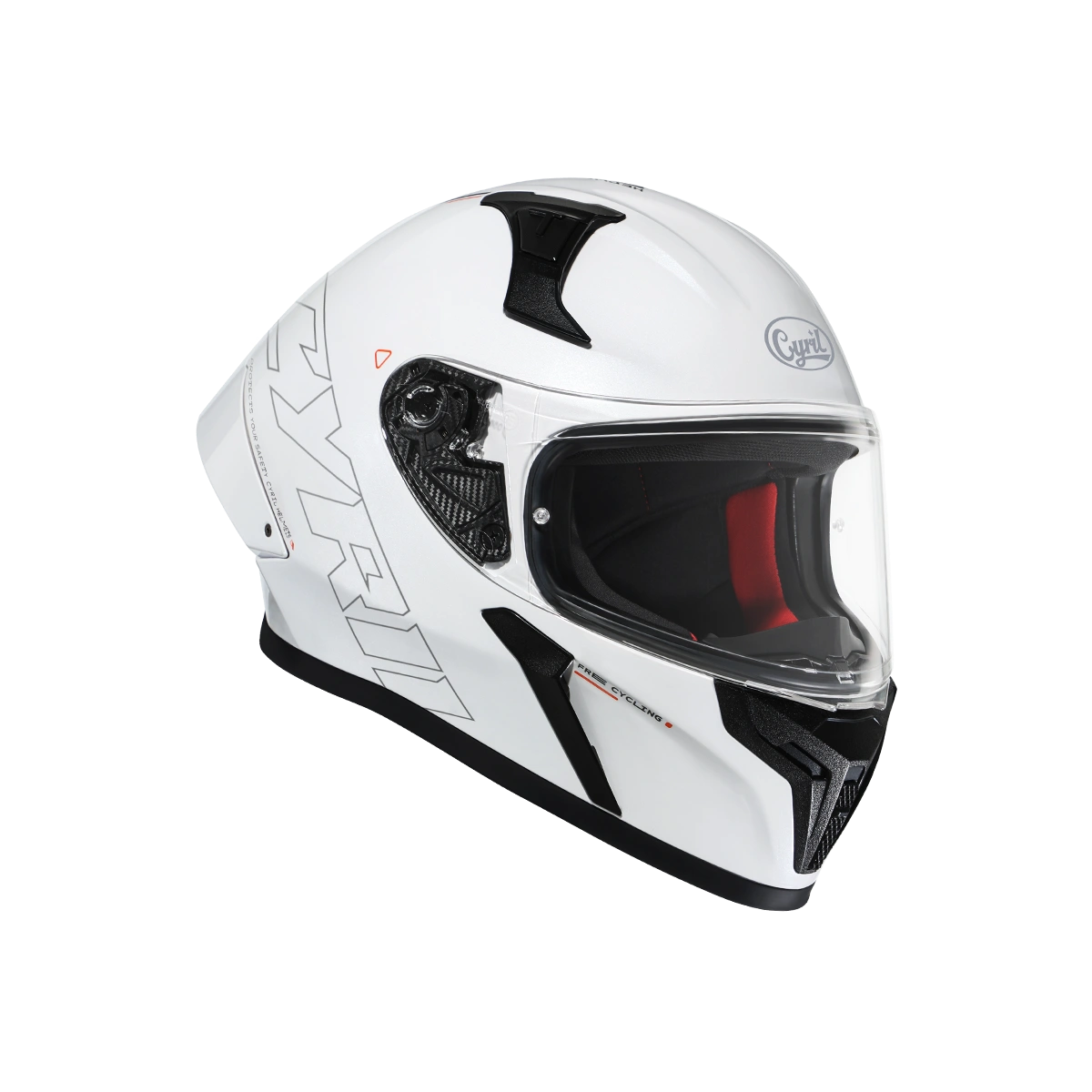
Best for Daily Commuters Checking the Basics
The Mad Shark Full Face Helmet fits riders who want a straightforward full face helmet with DOT FMVSS 218 information, ABS shell, multi-layer EPS, active ventilation, clear visor view, and removable washable liner.
View Mad Shark Full Face Helmet
Best for Riders Comparing Standards Information
The R1-PRO Full Face Helmet is relevant when riders want a sport-inspired full face profile with DOT FMVSS 218 and ECE 22.06 information, ventilation, removable washable liner, and a magnetic visor release.
View R1-PRO Full Face Helmet
Best for Riders Wanting Modular Convenience
The A128 Dual Visor Modular Helmet suits riders comparing certification information while also wanting flip-up modular convenience, a clear outer shield, inner sun visor, wide-view comfort, and removable washable liner.
View A128 Dual Visor Modular HelmetIf the helmet arrives and the label, model, construction clues, strap hardware, or seller description do not match what you expected, pause before riding. Ask for support, verify the product information, and use the return window while you still have options.
Common Questions About DOT Helmet Checks
Does DOT approved mean NHTSA personally approved my helmet?
No. NHTSA explains that helmets use a manufacturer self-certification process, while NHTSA tests some helmets for compliance. For riders, that means a DOT label matters, but you still need to check the full product information, seller credibility, construction clues, and whether the helmet is being sold as legitimate road gear.
What should the rear DOT label show on a current U.S. road helmet?
NHTSA guidance says DOT-compliant helmets sold in the United States should show manufacturer or brand, model designation, DOT, FMVSS No. 218, and CERTIFIED. A cropped photo that only shows the letters DOT is not enough to compare the helmet with the product page or model information.
Can a fake DOT sticker be placed on a novelty helmet?
Yes. NHTSA warns that fake DOT labels can be sold or applied to unsafe helmets. If a seller says a sticker is included separately, or if the helmet is described as novelty, costume, skullcap, or not for highway use, do not treat the sticker as certification proof.
Is a very light motorcycle helmet a red flag?
It can be. NHTSA notes that unsafe helmets may weigh about a pound or less, while helmets meeting the federal standard generally feel more substantial. Weight alone does not prove compliance, and exact weights vary by design, but an unusually thin or flimsy helmet deserves extra caution.
Should I buy a used helmet if the DOT label looks correct?
Only if the rest of the history also makes sense. A label does not prove age, storage conditions, impact history, liner condition, strap wear, or authenticity. If the seller cannot provide clear photos, manufacture information, and honest history, the savings may not be worth the uncertainty.
Can I add a DOT sticker to a helmet that does not have one?
No. Adding a sticker does not make a helmet compliant. It only creates a misleading appearance. If a helmet lacks the proper certification and product information for the market where you ride, choose a different helmet instead of trying to fix the label.
Does ECE 22.06 replace DOT for riding in the United States?
ECE 22.06 is an important helmet standard, but U.S. road-use requirements depend on U.S. law and state rules. If you are buying for U.S. use, check DOT / FMVSS 218 information and your local requirements. Do not assume one label automatically satisfies every region.
What should I do if my new helmet label looks different from the listing?
Do not ride in it first. Photograph the label, product box, order page, and helmet interior, then contact the seller or manufacturer support. If the brand, model, certification information, or age does not match the listing, use the return process while the helmet is still unused.
Final Notes
A DOT check is not about memorizing regulations. It is about slowing down long enough to ask whether the helmet, label, seller, and product information tell the same story. If they do, you can move on to fit, comfort, visor, ventilation, and riding routine. If they do not, the smartest choice is usually to walk away before the helmet becomes your problem.