
Emergency Helmet Removal Systems: What Quick-Release Cheek Pads Actually Do and When They Matter

Emergency Helmet Removal Systems: What Quick-Release Cheek Pads Actually Do and When They Matter
You see it on the spec sheet — "emergency quick-release cheek pads" or "EQRS" — and you wonder whether it is a genuine safety feature or another bullet point. This guide explains what happens when paramedics need to remove a helmet, how quick-release systems change that process, and whether this feature should influence your next helmet purchase.
Emergency quick-release cheek pads allow paramedics or first responders to pull the cheek pads out of a helmet while it is still on a rider's head, creating internal space that makes helmet removal easier and reduces the force needed — which in turn reduces movement of the head and neck during extraction. This matters most in suspected spinal injury scenarios. The feature also has a practical everyday benefit: it makes cheek pad removal for cleaning faster and tool-free. Quick-release systems are not universal, and their presence or absence is worth understanding, but they should not override fit, certification, and impact protection when choosing a helmet.
The Feature Listed on the Spec Sheet
Walk down the helmet aisle or scroll through product pages, and you will see it on a growing number of helmets — a red pull tab visible at the bottom edge of the cheek pad, sometimes with a small icon of a hand pulling a tab, sometimes with the letters EQRS (Emergency Quick-Release System) printed on a sticker on the back of the helmet shell. The sticker is there for first responders; the tabs are there for anyone who needs to remove the cheek pads in a hurry.
This is one of the few helmet features designed not for the rider during the ride, but for the period after a crash when seconds matter and the people helping you need every mechanical advantage they can get. Not all helmets have it. And not all riders who have it know they have it.
A quick way to check your own helmet right now: pick it up and look at the bottom edge of the cheek pads. If you see red fabric pull tabs — one on each side, extending just below the shell edge — those are emergency quick-release tabs. Pull one gently downward. Does the cheek pad release? If it does, you have a functional EQRS system. If you see no tabs, or the tabs are too short to grip, or they do not release the pad when pulled, your helmet either does not have the system or the system is not working correctly. Do this check before you need someone else to do it for you.
Rider Persona: Sarah — Weekend Rider Who Discovered the Tabs by Accident. Sarah had owned her helmet for six months when she decided to wash the liner for the first time. She pulled the cheek pads out by gripping the red tabs at the bottom — not knowing what they were, just that they made removal easier. When she mentioned it to a riding friend, he said, "Those are emergency release tabs." She had been using a safety feature for cleaning without knowing it was a safety feature. If your helmet has these tabs, know where they are and how they work.
What Emergency Release Actually Means
The emergency quick-release system is mechanically simple: the cheek pads are attached to the helmet interior with snap fasteners or hook-and-loop sections, and a fabric pull tab — usually red — extends from the bottom of each cheek pad to just below the helmet shell edge. When the tab is pulled firmly downward, the cheek pad releases from its mounting points and slides out from inside the helmet.
Why cheek pads specifically? In a full-face helmet, the cheek pads create the narrowest point of the helmet opening — the part that must stretch over the rider's ears, jaw, and cheekbones during removal. By pulling the cheek pads out first, that narrow point is eliminated. The helmet interior becomes wider, and the helmet can be lifted off with less pulling force and less movement of the head. The closest everyday analogy: removing insoles from a tight boot before pulling the boot off. The boot is still tight, but the extra internal space makes the difference between a smooth pull and a struggle.

Why Standard Helmet Removal Can Be Difficult
Motorcycle helmets are designed to stay on during a crash — that is their job. The snug fit that keeps the helmet stable at highway speed also makes it resistant to being pulled off, even intentionally. This is a feature during a ride. After a crash, especially if the rider is unconscious and spinal injury is suspected, that same snugness becomes an obstacle.
Standard helmet removal from an injured rider is a two-person procedure that requires coordination, training, and careful manual stabilization of the head and neck throughout. One responder holds the head and cervical spine in neutral alignment from above. The second responder undoes or cuts the chin strap, then takes over head stabilization while the first responder removes the helmet. The removal involves pulling the helmet base outward to clear the ears, tilting it backward to clear the chin and nose, and rotating it following the curve of the skull — all while the second responder maintains spinal alignment.
This procedure is documented in emergency medical protocols from organizations including the NHTSA motorcycle safety guidelines. The key principle across all protocols: minimize head and neck movement. Every Newton of pulling force on the helmet translates to movement of the cervical spine unless the responder providing stabilization can counter it. Reducing the pulling force needed — by removing cheek pads to widen the interior — directly reduces the risk of exacerbating a neck injury during removal.
How Paramedics Approach Helmet Removal
First responders are trained to leave the helmet on unless there is a specific reason to remove it: the rider is unconscious and the airway needs to be accessed, the rider is not breathing and CPR is required, there is severe bleeding or vomiting, or the helmet design prevents adequate spinal immobilization for transport. In these cases, removal follows a protocol.
When a helmet has visible EQRS tabs or an emergency-release sticker, paramedics know to pull the cheek pads before attempting the main removal. The red tabs are standardized enough that first responders recognize them across brands. The process: locate the red tabs at the bottom edge of the helmet, pull firmly downward on each one to release the cheek pads, slide the pads out, then proceed with the standard two-person removal. The interior space created by removing the pads means the helmet shell does not have to be stretched outward as aggressively to clear the ears.
The Motorcycle Safety Foundation rider safety resources emphasize that riders themselves should not attempt to remove another rider's helmet unless they have been trained in the procedure and the situation absolutely requires it — for example, the rider is not breathing. In most cases, the best thing a fellow rider can do is keep the injured rider still, call emergency services, and communicate to arriving paramedics that the rider is wearing a full-face helmet and whether it has an emergency release system.

The Scenarios Where It Matters Most
The value of an emergency quick-release system is not evenly distributed across all riding. It matters most where crash forces are high enough to warrant spinal precautions and where emergency medical response may take longer to arrive.
| Riding Scenario | Spinal Injury Risk | Response Time | EQRS Relevance |
|---|---|---|---|
| Urban commute (25–45 mph, near hospitals) | Moderate | Under 10 min | Moderate |
| Canyon / rural roads (40–70 mph, remote) | Higher | 20+ min | High |
| Highway touring (65+ mph) | Higher | Variable | High |
| Track day (ambulance on site) | Higher | On-site medical | Moderate |
| Solo remote riding (no cell signal) | Variable | Unknown — passing driver | Very high |
Rider Persona: Mike — Solo Touring Rider in Remote Areas. Mike spends long weekends on multi-state trips, often riding solo through national forest roads and mountain passes where cell signal drops for 30 to 40 minutes at a stretch. For Mike, the emergency quick-release feature is not about paramedics — it is about the possibility that the person who finds him is a stranger with a basic first aid app on their phone and no helmet removal training. Making the helmet easier to take off safely matters more when the responder is less trained, not less.

Quick-Release Is Not Just for Emergencies
The same mechanism that allows paramedics to pull cheek pads in seconds also makes routine liner maintenance faster. Cheek pads absorb the most sweat, skin oil, and bacteria — they need to be removed, washed, and air-dried every few weeks during riding season, or more often in summer. Without quick-release tabs, removing cheek pads involves working your fingers between the EPS and the pad edge, finding the snap points by feel, and pulling at the right angle. Quick-release tabs give you a clear pull point that releases the attachment cleanly.
This everyday benefit means the feature gets used and tested regularly. A rider who washes their cheek pads monthly knows the release mechanism works and knows how it feels when it releases correctly. If an emergency responder ever needs to use it, the mechanism is not stiff from years of neglect. Regular use during cleaning keeps the snaps functional and familiar.

What to Check Before You Rely on It
Not all quick-release systems are equally well-executed. Some release with a firm but smooth pull. Others require a hard yank — the kind that might cause hesitation in a first responder who is trying to be careful with an injured rider's head. Check these things on your own helmet:
- Locate the tabs. Are they visible at the bottom edge of the cheek pads? Can you find them by feel with the helmet on? If they are hidden or too short to grip, they will not help a responder in a hurry.
- Test the pull. With the helmet off, pull each tab firmly downward. Does the cheek pad release cleanly, or does it require multiple tugs? A system that needs three hard yanks is better than nothing, but it is not working as designed.
- Check for the exterior sticker. Many EQRS-equipped helmets have a small sticker on the back of the shell. If your helmet has the tabs but no sticker, paramedics may not know to use them unless they spot the tabs during the removal procedure.
- Reattach and test again after cleaning. After washing your cheek pads, make sure they snap back in securely and the release still works. A pad that is loose will not stay in place during a ride, and one that is jammed will not release in an emergency.
The presence of an emergency quick-release system does not mean a non-trained person should attempt to remove an injured rider's helmet. Unless the rider is not breathing and the helmet is blocking the airway, the correct action is to keep the rider still, call for emergency medical help, and let trained responders handle helmet removal. The quick-release system is a tool for those responders — it reduces risk during a trained procedure; it does not replace the need for the procedure or the training.
Choosing a Helmet With This in Mind
Emergency quick-release cheek pads are a feature worth understanding but should not be the primary filter for helmet selection. A helmet that fits correctly, meets the appropriate certification standards, and matches your riding type is the foundation. Quick-release is a meaningful secondary feature — the kind that tips a close decision between two otherwise equal helmets.
Best for Daily Commuters
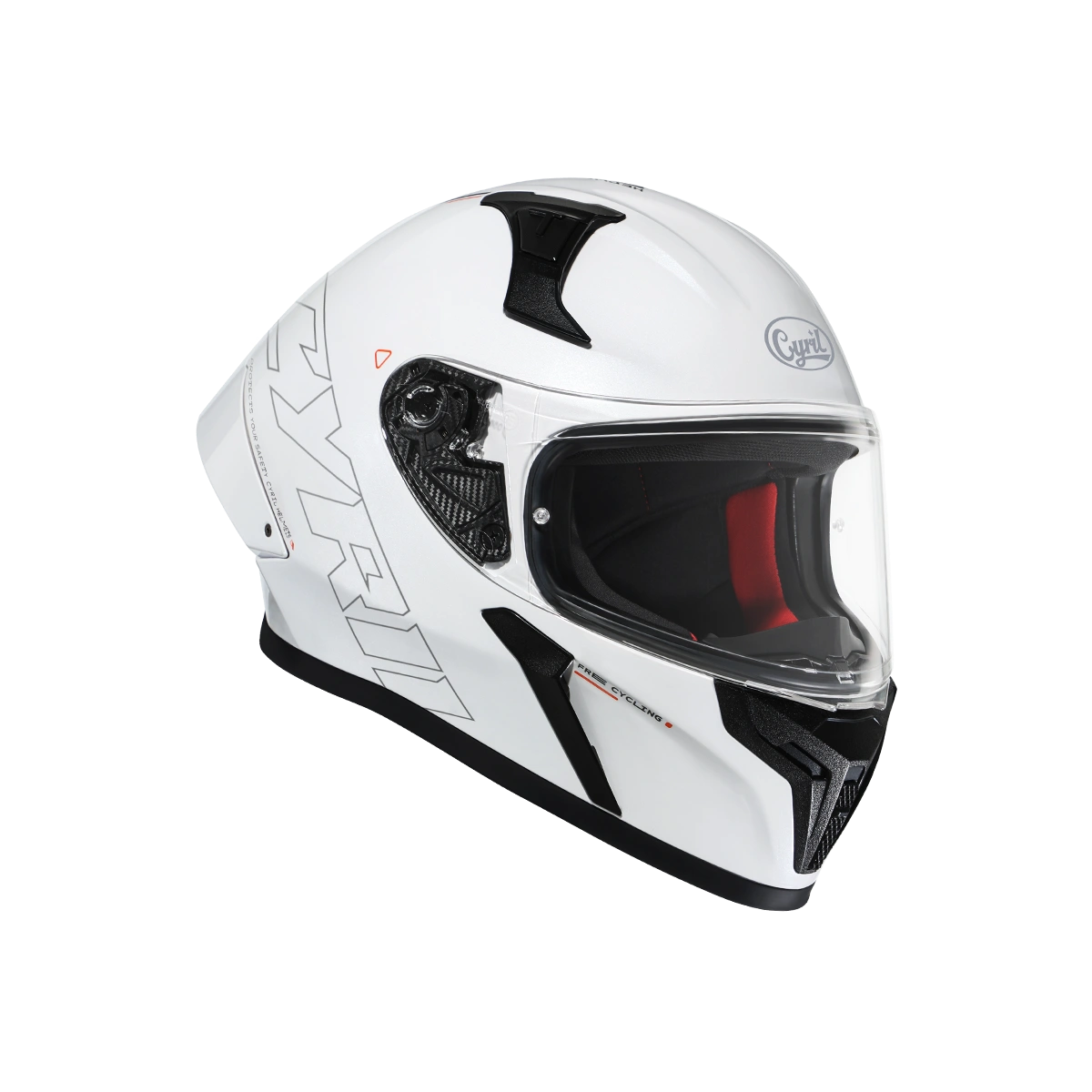
The Mad Shark Full Face Helmet has a removable washable liner with cheek pads designed for regular removal and reinstallation. For a daily commuter who wants the practical benefit of tool-free cheek pad removal — whether for routine cleaning or the less common emergency scenario — the accessible liner design supports both use cases. DOT FMVSS 218 compliant.
View Mad Shark
Best for Mixed Riding and Group Rides
The R1-PRO Full Face Helmet meets DOT FMVSS 218 and ECE 22.06, with a removable washable liner and sport-inspired stable shell profile. For riders who spend weekends in groups on canyon roads — where response times may be longer — a helmet with accessible interior components adds practical preparedness beyond the certification standards.
View R1-PRO
Best for Touring and Modular Convenience
The A128 Dual Visor Modular Helmet offers an additional emergency advantage: the flip-up chin bar can be lifted to access the rider's face and airway without removing the entire helmet. Combined with the removable washable liner, the modular design gives emergency responders more options. DOT FMVSS 218 and ECE 22.06 compliant. Wide-view comfort with a built-in sun visor.
View A128Common Questions About Emergency Helmet Removal
What are emergency quick-release cheek pads in a motorcycle helmet?
Emergency quick-release cheek pads (sometimes labeled EQRS) are cheek pads with fabric pull tabs — usually red — that extend to the bottom edge of the helmet. Pulling the tabs releases the cheek pads from their snap or hook-and-loop attachments, allowing them to be slid out quickly. This creates internal space inside the helmet, making it easier for paramedics to remove the helmet from an injured rider with less pulling force and less head and neck movement.
How do paramedics remove a motorcycle helmet after a crash?
Standard helmet removal is a two-person procedure. One responder stabilizes the head and cervical spine from above. The second responder undoes or cuts the chin strap, takes over head stabilization, and the first responder removes the helmet by pulling outward at the base to clear the ears, tilting backward to clear the chin and nose, and rotating the helmet following the natural curve of the skull. If the helmet has emergency quick-release tabs, the cheek pads are pulled out first to widen the interior. The helmet should accompany the rider to the hospital so doctors can correlate helmet damage with injuries.
Do all motorcycle helmets have emergency quick-release systems?
No. Emergency quick-release cheek pads are not universal. They are more common on premium and mid-range full-face and modular helmets, and their presence varies by brand and model. If this feature matters to you, check the product specifications or look for red pull tabs at the bottom edge of the cheek pads when examining a helmet in person.
Is it safe for a rider to remove another rider's helmet after a crash?
Generally, no — unless the injured rider is not breathing and the helmet is blocking the airway. In most cases, the best action is to keep the injured rider still, avoid moving their head or neck, call emergency services, and communicate about the helmet type. Untrained helmet removal carries a significant risk of worsening a cervical spine injury. The Motorcycle Safety Foundation and emergency medical guidelines consistently advise against helmet removal by bystanders unless absolutely necessary to maintain an open airway.
Can quick-release cheek pads be used for regular cleaning?
Yes. The same pull-tab mechanism that allows emergency removal also makes routine cheek pad removal faster and easier. During riding season, cheek pads should be removed and washed every few weeks — more often in summer — to manage sweat, skin oil, and bacteria buildup. The quick-release tabs eliminate the need to dig fingers between the EPS and pad edge to find and release attachment points.
How do I check if my helmet's quick-release system actually works?
With the helmet off, locate the red tabs at the bottom edge of the cheek pads. Pull each tab firmly downward. The cheek pad should release cleanly on the first or second firm pull. If the pad requires excessive force, multiple hard yanks, or does not release at all, the mechanism is not functioning correctly. Check that attachment points are not jammed or corroded. Reattach and test again. If the system consistently fails to release smoothly, contact the helmet manufacturer.
Should emergency quick-release be a dealbreaker when buying a helmet?
No. Quick-release cheek pads are a meaningful secondary feature but should not override the primary criteria: correct fit, appropriate certification for your region (DOT, ECE 22.06), and a helmet design that matches your riding type. If you are choosing between two helmets that both fit well and meet your requirements, the presence of an emergency quick-release system is a reasonable tiebreaker. But a helmet without quick-release tabs that fits perfectly is safer than a helmet with quick-release tabs that fits poorly.
Does removing cheek pads affect helmet safety during normal use?
No — as long as the cheek pads are properly reinstalled after removal. The cheek pads are designed to be removed and reinstalled for cleaning. When they snap or attach back into place correctly, the helmet's fit and impact protection are unchanged. After reinstalling cheek pads, check that they are fully seated at every attachment point and that the pads feel secure against your cheeks when you put the helmet on. A loose or partially attached cheek pad can shift during a ride and compromise fit stability.
Final Notes
Emergency quick-release cheek pads occupy a strange space in helmet features: they are designed for a moment nobody wants to experience, and their value is invisible until that moment arrives. For most riders, the practical everyday benefit — easier cheek pad removal for cleaning — will be the only interaction with the system. A quick-release system that gets used monthly for liner maintenance is a system that is tested, functional, and ready.
If your current helmet does not have quick-release tabs, it does not mean your helmet is unsafe. It means the helmet removal process in an emergency will follow the standard protocol without that specific advantage. When the time comes to replace your helmet, add "check for emergency quick-release" to your list — not at the top, but not at the bottom either. The single best thing you can do beyond equipment choices: take a first aid course that covers motorcycle crash response. Knowing when to remove a helmet — and when to leave it on — matters more than the release mechanism itself.