
How to Buy a Quiet Motorcycle Helmet: Noise Checks Before Checkout

How to Buy a Quiet Motorcycle Helmet: Noise Checks Before Checkout
Wind noise is one of the most common reasons riders replace a helmet early, and it can also harm hearing over time. No helmet is completely silent, and product pages rarely state a decibel number you can trust. Here is where the noise comes from, how to compare helmets by noise behavior, and what to check before you buy.
Helmet wind noise comes mostly from airflow around the shell, visor edges, neck area, and vents, so quietness is about sealing, shape, and fit, not just padding thickness. To buy a quieter helmet, compare full face types, check visor and chin sealing, consider a chin curtain, and remember that earplugs remain the most reliable protection because wind noise at speed can be loud.
This guide references hearing-protection facts from the National Institute on Deafness and Other Communication Disorders (NIDCD), which explains how loud sounds can damage hearing over time. Helmet noise comparisons are practical and general; no decibel measurements for any specific helmet are cited because none are verified in this article.
Where Helmet Noise Actually Comes From
Most helmet noise is wind noise, not engine noise. At riding speeds, air rushes around the shell, visor edge, side mirrors of the bike, neck area, and vent openings. That airflow produces most of the roaring sound you hear, and it explains why a helmet can be quiet on one bike and loud on another.
Fit is part of the noise story too. Gaps around the cheek pads, a poorly seated visor, or a chin area that lets air swirl inside can add noise that no shell design cancels. That is why the same model can sound different on two riders.
Representative Rider Scenario: Sara - Noisy Commute. Sara's current helmet roars on her highway commute. She assumes the next model will be quieter just because it is more expensive, then learns the noise comes from the visor gap and chin area on her particular bike.
Why Noise Matters Beyond Comfort
Loud wind noise is not just tiring, it can affect your hearing. The National Institute on Deafness and Other Communication Disorders explains that loud sounds can damage the inner ear, and that exposure over time increases the risk of hearing loss. Wind noise at highway speeds is loud enough that many riding organizations recommend hearing protection.
This changes the buying question. A quieter helmet is comfortable, but it is not a replacement for earplugs in most cases. Treat a quiet helmet as a comfort upgrade and earplugs as the baseline protection.
How to Compare Helmets by Noise Before Buying
- Prefer full face helmets when quietness is the goal: they cover more of the head and reduce the wind paths around the ears and chin.
- Check the visor seal: the visor should seat flush with no visible gap when closed.
- Look at the chin area: a chin curtain or a sealed chin bar helps block air from swirling under the helmet.
- Compare neck roll design and how the lower edge sits around your collar.
- Note your riding posture, because the same helmet sounds different tucked than upright; then test the helmet on your own bike during the return window if the store offers one.
- Ask the seller about noise behavior and testing, and treat any exact decibel claim with caution unless it is documented.
When trying a helmet indoors, you cannot hear wind noise. Ask about the features that control it: visor seal, chin curtain, neck roll, and full face coverage, and test on the bike before deciding.
Quiet Helmets and Earplugs: Not Either Or
Even with a quiet helmet, earplugs are the reliable way to protect hearing on long or fast rides. Earplugs and a quiet helmet work together: the helmet reduces some wind noise, and the earplugs handle the rest. Some riders find they need lower earplug attenuation with a quieter helmet, which can help them hear traffic and communication better.
If you ride with a Bluetooth headset, check that you can still hear navigation and calls clearly with your chosen combination. The goal is protection without isolating yourself from the road.
How This Applies When Choosing
Apply the noise checklist by comparing full face models with sealed visors and covered chin areas, then test on your own bike. For riders comparing full face options, the model below is a relevant starting point.
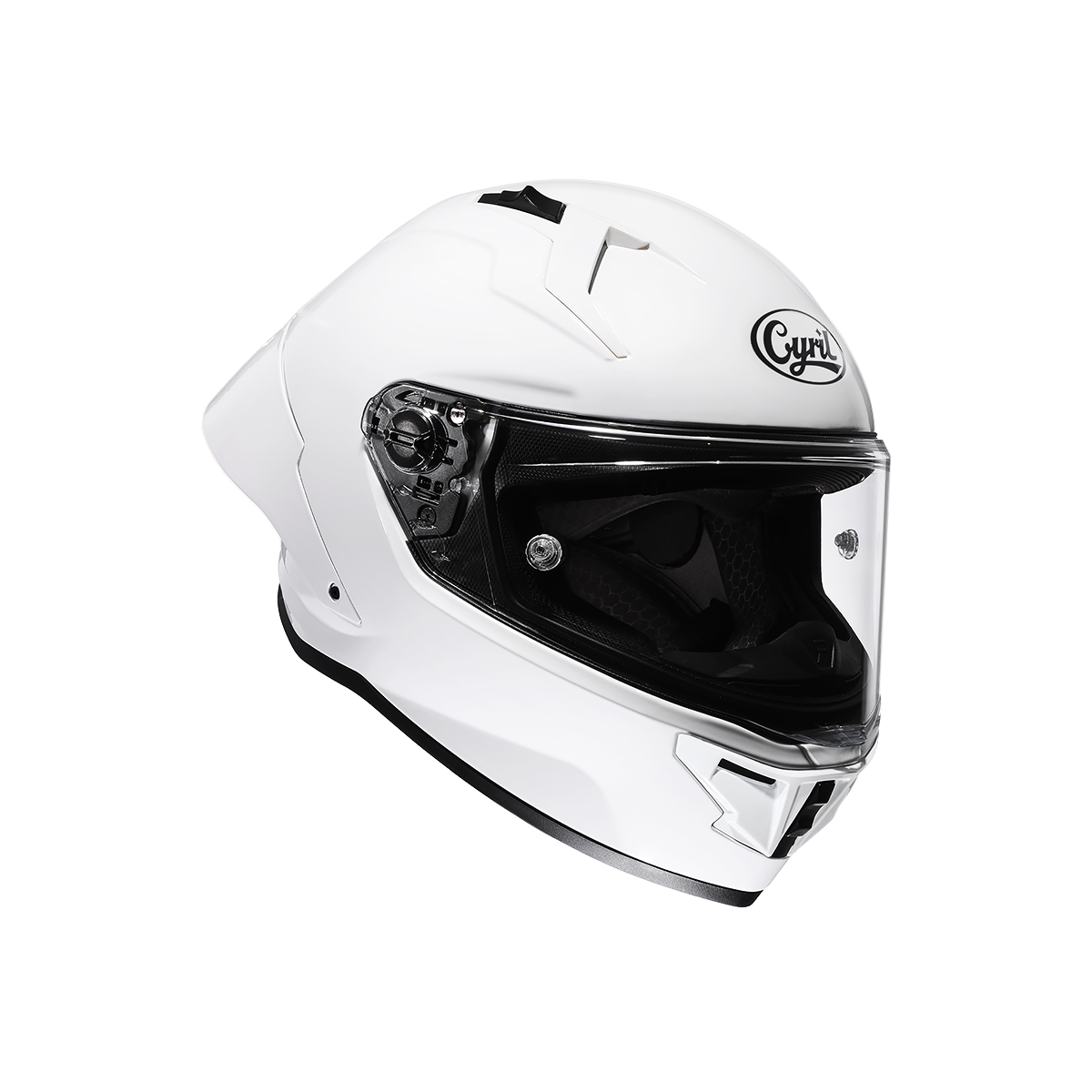
A Full Face Model to Check Against Your Noise Checklist
The R1-PRO Full Face Helmet is a relevant comparison point for riders evaluating full face coverage, a sport-inspired aerodynamic shell shape, rear spoiler, and a magnetic visor release to check for even sealing, with DOT / ECE information on the product page. Verify visor sealing, chin coverage, and noise behavior on your own bike, and confirm the model's details on the official page.
View current R1-PRO Full Face Helmet detailsCommon Questions About Quiet Helmets
Are full face helmets quieter than other types?
Generally yes, because they cover more of the head and reduce airflow paths around the ears and chin, but visor sealing and fit still matter.
Can wind noise from a helmet damage hearing?
Loud wind noise over time can contribute to hearing damage. The NIDCD explains that loud sounds can harm the inner ear, which is why hearing protection is recommended for riders.
Do I still need earplugs with a quiet helmet?
Most riders do. A quiet helmet reduces noise but rarely eliminates it, and earplugs remain the reliable baseline for hearing protection.
What makes a helmet quieter?
Full face coverage, a sealed visor, a chin curtain or closed chin area, a good neck roll, and a shell shape that manages airflow.
Can the same helmet be loud on one bike and quiet on another?
Yes. Windscreen height, side mirrors, and riding posture change the airflow around the helmet.
Should I trust a helmet's claimed decibel rating?
Treat exact decibel numbers with caution unless the testing method is documented. Compare sealing and fit features instead.
Do earplugs fit under all helmets?
Most helmets have room for earplugs, but a tight fit can press them in. Check ear space when trying a helmet if you always ride with earplugs.
Can I hear traffic with earplugs and a quiet helmet?
Yes. Properly chosen earplugs reduce wind roar while allowing traffic sounds through, and a quieter helmet helps you hear what matters.
Final Notes
Buy a quiet helmet by comparing what controls noise: full face coverage, visor sealing, chin and neck sealing, and fit. Pair it with earplugs for actual hearing protection, and test on your own bike before you commit to a model.