
Is a Drop-Down Sun Visor Worth It? Dual Visor Helmet Pros and Cons for Daily Riders

Is a Drop-Down Sun Visor Worth It? Dual Visor Helmet Pros and Cons for Daily Riders
An internal sun visor is one of the most convenient features on a modern helmet — flick it down for glare, flick it up for shade, no stopping. But the convenience comes with real trade-offs in weight, fogging, and safety certification that product pages rarely explain. This guide covers the honest pros and cons so you can decide if a dual visor helmet matches your rides.
A drop-down sun visor is genuinely useful for daily commuting, touring, and glasses wearers — the instant light adaptation without stopping is the kind of feature you miss once you have had it. The trade-offs: dual visor helmets are 100–200g heavier, the inner visor fogs in cold or humidity because it cannot take a Pinlock insert, and no helmet with an internal sun visor can earn Snell certification. For street riding with changing light conditions, a DOT + ECE 22.06 dual visor helmet is practical and well-tested. For track days or weight-first riding, a single visor with a spare tinted shield is the better call.
How a Drop-Down Sun Visor Works
A dual visor helmet has two layers: a clear outer face shield for wind, debris, and impact protection, and a retractable tinted inner visor behind it. A small slider on the side or top of the shell lets you lower or raise the inner visor with a gloved finger — no stopping, no swapping. When retracted, the tinted visor sits in a cavity carved into the forehead area of the EPS liner.
The appeal is immediate. Riding west into the sunset, sun in your eyes, flick the slider down. Enter a tunnel 30 seconds later, flick it back up. No pulling over, no carrying a spare visor, no squinting. But that cavity in the EPS, the extra mechanism, and the thin inner shield all have consequences worth understanding before you buy.

The Real Pros — What You Will Actually Notice
Instant Light Adaptation Without Stopping
This is the feature that converts people. Morning commute into the sun, evening commute into the sun, patches of shade on tree-lined roads, tunnels — handle all of it in one second without taking your hands off the bars. For a rider who commutes at both ends of the day, this alone justifies the feature.
Glasses-Friendly by Design
If you wear prescription glasses, the internal visor eliminates the sunglasses-under-helmet routine entirely. No temple pressure from sunglass arms wedged under the liner, no fog sandwich between glasses and shield, no second pair to carry. For glasses wearers, this is often the single reason they never go back to a single visor helmet.
No Spare Visor to Carry or Swap
A tinted main visor costs $40–$100, takes up bag space, and requires you to pull over to swap. With a dual visor helmet, the second visor is built in — paid for once, always there. At city speeds with the main visor cracked open, the inner visor still shields your eyes from bugs and dust.
The Trade-Offs Nobody Mentions Until After You Buy
Weight You Feel After an Hour
The mechanism adds 100–200 grams — about the weight of a smartphone. On a 20-minute commute, it is nothing. On a two-hour ride, it registers. On a six-hour touring day, it contributes to neck fatigue. If your rides regularly pass two hours, the weight penalty is real.
Inner Visor Fogging — The Number-One Complaint
The outer shield takes a Pinlock insert. The inner visor is too thin and sits too close to your face to accept one. In cold mornings, rain, or humidity, your breath fogs the inner visor. When it fogs, you have to flip it up — losing the sun protection. Anti-fog sprays help but need regular reapplication. If you ride in cold or wet conditions, this is the trade-off you will encounter most.
May Not Drop Low Enough for Your Face
Across brands, a common complaint is that the inner visor stops too high, leaving its lower edge in your field of view. Whether it happens to you depends on face shape and helmet model. Try the helmet on before buying — this is not something you can fix later.
Harder to Clean
The inner visor sits in a tight cavity. Cleaning it means reaching into a narrow gap with a microfiber cloth. Dust and skin oil accumulate around the mechanism over time. Compared to wiping a single visor, a dual visor helmet asks for more regular attention.

Dual Visor and Safety Certification — What You Need to Know
No helmet with an internal sun visor carries a Snell sticker — not because they have been tested and failed, but because Snell refuses to accept any helmet with an internal visor for testing at all. The Snell Memorial Foundation considers the cavity in the forehead EPS liner — where the retracted visor sits — to compromise structural integrity in a critical impact zone. This is a blanket design policy, not a test result.
ECE 22.06 takes a different approach. The current European standard explicitly tests helmets with internal sun visors deployed to verify the visor and its housing do not create a hazard during impact. ECE 22.06 also includes rotational acceleration measurements and oblique impact testing — making it the most comprehensive standard available for dual visor helmets. Snell helmet standards information confirms their design-policy approach to internal visors.
The practical takeaway: a DOT + ECE 22.06 dual visor helmet has been independently lab-tested for its actual configuration. For street riding, this is sufficient and relevant. If you plan track days, check the organizer's rulebook — Snell requirements would disqualify any dual visor helmet regardless of brand or quality.
- Look for DOT + ECE 22.06 dual certification on any dual visor helmet.
- The absence of a Snell sticker is a design policy decision, not evidence of lower protection.
- If track days are in your riding plans, verify certification requirements before choosing a dual visor helmet.

Three Riders — Who Should Get a Dual Visor Helmet
East-West Daily Sun
Riding into the sun both ways, five days a week? The internal visor pays for itself in convenience within the first month. You stop thinking about sun management and just ride. Add glasses to the equation, and the feature becomes nearly essential.
Long Days, Changing Light
Open plains, forested roads, tunnels, late-afternoon glare — stopping to swap visors every time the light changes is not practical on a six-hour riding day. The internal visor handles it without breaking rhythm.
Track Days or Ounce-Counting
If track eligibility or the lightest possible helmet matters most, a single visor with a spare tinted shield is the cleaner answer. No internal mechanism means less weight and Snell compatibility.

How to Apply This When Choosing a Helmet
Whether you decide a dual visor fits your riding or prefer the simplicity of a single visor, here are helmets aligned with each choice.

Best for Dual Visor Convenience
The A128 Dual Visor Modular Helmet is built around the feature this article is about: a clear outer shield with a retractable inner sun visor, plus flip-up modular convenience for frequent stops and glasses wearers. DOT FMVSS 218 and ECE 22.06 certified, wide-view comfort, removable washable liner. If your week includes commuting in mixed light and weekend rides, this is the natural starting point.
View A128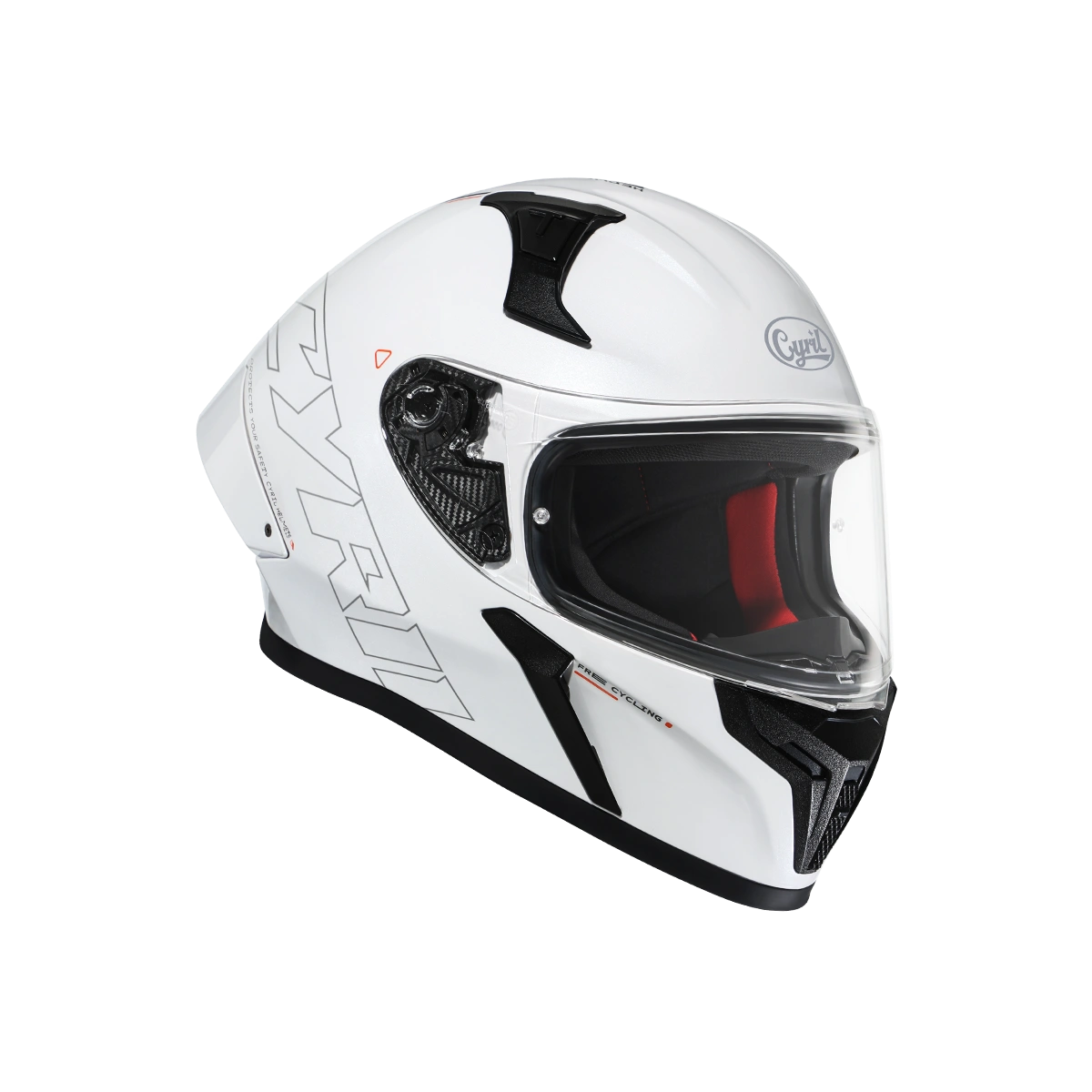
Best for Single Visor Simplicity
The Mad Shark Full Face Helmet is the straightforward single-visor alternative. ABS shell, multi-layer EPS, active ventilation, DOT-certified, removable washable liner. For riders who ride in consistent light and value lighter weight and fewer moving parts over the convenience of a drop-down visor.
View Mad Shark
Best for Sport-Focused Riders
The R1-PRO Full Face Helmet is the single-visor pick for riders who prioritize a lighter, sport-inspired shell. DOT FMVSS 218 and ECE 22.06 certified, magnetic visor release, active ventilation. For riders whose weekend routes stretch long and who value reduced helmet weight over the convenience of a built-in sun visor.
View R1-PROAn internal sun visor is a genuine convenience upgrade for the right rider. If your rides involve changing light, glasses, or long days where stopping to swap visors is impractical, a dual visor helmet earns its place. If you ride in consistent conditions and prefer less weight, fewer moving parts, and Snell compatibility, a single visor with a well-chosen shield is the simpler answer. Choose based on your actual rides — not the feature list that looks best on a product page.
Common Questions About Dual Visor Helmets
Is a helmet with an internal sun visor less safe?
Not in any way that shows up in real-world protection data, provided the helmet carries ECE 22.06 certification — which explicitly tests helmets with the internal visor deployed. The reason dual visor helmets lack Snell certification is a blanket design policy, not test results. A DOT + ECE 22.06 helmet has been independently lab-tested for its actual configuration.
Why does Snell refuse to certify helmets with internal sun visors?
Snell believes the forehead EPS cavity that houses the retracted visor compromises impact protection in a critical zone — regardless of how well the helmet might perform in testing. It is a design philosophy position: Snell considers the feature unacceptable on principle, so they do not accept these helmets for evaluation at all.
Does the internal sun visor fog up?
Yes — this is the most common complaint from dual visor owners. The inner visor is too thin to accept a Pinlock insert. In cold, rain, or humidity, your breath fogs it. Anti-fog sprays help but require regular reapplication. If you ride frequently in cold or wet conditions, expect to manage this.
Can the internal visor replace sunglasses?
For most riders, yes. It handles sun glare without temple pressure, fog sandwich, or the on-off hassle of sunglasses under a helmet. The main limitation: the tint is fixed. If you need very dark or specific-color lenses, the built-in visor may not match your preference.
Are dual visor helmets noticeably heavier?
100–200 grams heavier than comparable single visor helmets. On short commutes, negligible. On multi-hour rides, noticeable. Whether the weight matters depends on how long your typical rides last.
Is a dual visor helmet worth it for commuting?
For most commuters who ride at both ends of the day — yes. The ability to handle sun glare without stopping is the feature dual visor owners mention as the reason they would not go back. If your commute involves eastbound morning sun and westbound evening sun five days a week, this feature changes your daily ride more than almost any other.
Can I use a dual visor helmet for track days?
Check the organizer's rulebook. Many track day organizations require Snell certification, and no dual visor helmet carries a Snell sticker. If track riding is part of your plans, a single visor helmet is the safer bet for eligibility.
Final Notes
A drop-down sun visor is not a gimmick and not a must-have for everyone. It solves a specific set of problems — changing light, glasses compatibility, on-the-fly tint adjustment — for riders whose daily routes actually create those problems.
For commuters riding into the sun at both ends of the day, for glasses wearers tired of the sunglasses shuffle, for tourers covering changing terrain for hours at a time — a dual visor helmet is one of the most practical upgrades available. For riders in consistent light, or those prioritizing weight and track eligibility, a single visor with a spare tinted shield is the cleaner choice. Both answers are correct, as long as they are honest about the riding you actually do.