
Night Riding Makes the Wrong Helmet Choice Obvious: Visibility Checks Before Buying

Night Riding Makes the Wrong Helmet Choice Obvious: Visibility Checks Before Buying
A helmet that feels fine in daylight can become frustrating after dark. A tinted shield cuts too much light, scratches turn into headlight glare, vents are hard to find with gloves, and a dark helmet can disappear against a dark jacket and dark road.
When choosing a motorcycle helmet for night riding, check visor clarity, shield tint, headlight glare, peripheral view, vent and visor controls, shell color, reflective details, and how the helmet works with your real night route. Do not buy only by daytime style. Night riding exposes small visibility problems that may not bother you in bright conditions.
Night Riding Makes Small Helmet Problems Feel Bigger
Night riding changes the way you judge a helmet. In daylight, style, airflow, color, and shield tint may feel like personal preferences. After dark, the same details affect how quickly you read lane lines, potholes, brake lights, roadside signs, and movement from side streets.
The common mistake is buying a helmet after judging it only in bright conditions. The visor looks sharp in product photos. The dark shell matches the bike. The tinted shield looks clean. Then the first late ride home happens, and every headlight flare, dusty smear, and dim side road makes the helmet feel less usable.
This is not only a problem for riders who plan night trips. It happens after work runs long, dinner ends late, or a sunny afternoon ride turns into a dark ride home. If your helmet choice only works before sunset, your buying decision has a narrow comfort zone.
MSF rider guidance recommends being visible, including the use of reflective materials and brighter gear. NHTSA also notes that bright colors and retroreflective materials can help rider conspicuity, especially after dark. Those ideas do not replace good lights or riding judgment, but they are worth considering when choosing a helmet for regular night riding: MSF visibility guidance and NHTSA rider conspicuity information.

Clear View Matters More
Tint, scratches, fog, and smears are more noticeable when your visual margin is already lower.
Contrast Helps
Shell color and reflective details can support visibility when used with proper lights and gear.
Simple Controls Reduce Distraction
Visor tabs, vents, and internal sun visor controls should be easy to find without looking down.
Check the Visor Setup Before You Trust It at Night
Night riding is where visor choice becomes practical. A dark or mirrored shield may feel comfortable in sun, but it can reduce usable light after sunset. If your rides often begin in the afternoon and end after dark, you need a plan before buying: a clear outer shield, an internal sun visor setup, a shield swap routine, or a helmet you reserve for night use.
Do not judge a visor only by how it looks from the outside. Look through it indoors toward bright lights, then toward darker corners. If the shield already makes dim areas harder to read in a store or garage, it will not become easier on an unlit road.
A simple home test can help before you keep a helmet. Put it on at dusk or in a dim garage, fasten the strap, and look toward one small bright light from different angles. If the light blooms across the shield, scratches sit in your sightline, or the helmet shifts when you turn your head, that is buying information, not something to ignore until the first night ride.

| Visor Setup | Night Riding Concern | Buying Check |
|---|---|---|
| Clear outer shield | Usually the most flexible choice for dark, rain, and mixed lighting. | Check clarity, distortion, seal, hinge feel, and whether it scratches easily from storage habits. |
| Tinted or mirrored shield | May reduce light too much after sunset or in tunnels and rain. | Ask whether you can swap to clear easily and whether clear replacement shields are available. |
| Internal sun visor | Useful for day-to-night rides only if it retracts fully and controls are easy to use. | Operate it with gloves and confirm it does not block your night view when raised. |
| Anti-fog insert or treatment | Fog can become more distracting when street lighting is limited. | Check compatibility, maintenance instructions, and whether it affects your central view. |
| Scratched shield | Fine scratches can create starbursts or streaks from headlights. | Look through the shield toward a bright point light before keeping the helmet or visor. |
Headlight Glare Exposes Scratches, Smears, and Poor Fit
Glare is not only about other vehicles. Your helmet can make glare worse when the visor is scratched, dirty, poorly seated, or sitting at an angle because the helmet fit is wrong. A small smear that looks harmless at noon can sit directly in the headlight path at night.
When comparing helmets, put the helmet on, fasten the strap, and look through the shield while turning your head. If the eye port feels narrow, the visor edge cuts into your view, or the helmet shifts when you shoulder check, night riding will make those issues more obvious.
This is where many riders realize the helmet was chosen for the wrong moment. It looked good in daylight photos, but the real ride home includes wet pavement, oncoming headlights, gas station canopy lights, and dark gaps between streetlights.

- Look through the visor toward a bright point light to check for glare, streaks, or distortion.
- Check whether scratches sit in your central view rather than only near the edge.
- Fasten the strap and confirm the helmet does not shift when you turn for a shoulder check.
- Check that the visor closes evenly so wind or rain does not create extra distraction.
- Try the helmet with your night glasses, clear shield, or normal commuting eyewear if you use them.
- Confirm that vent and visor controls can be found with gloves without looking away.
Being Seen Is Part of Night Helmet Buying Too
A helmet does not make you automatically visible at night. Your motorcycle lights, lane position, speed, reflective gear, and rider judgment still matter. But helmet color and reflective details can be part of the larger visibility picture, especially from the side or rear when a driver catches only a brief glimpse.
If you often ride at night, think about how the helmet works with the rest of your gear. A black helmet, black jacket, dark backpack, and dark bike may look cohesive, but the whole setup can blend into a dark background. A lighter shell, reflective decals that do not interfere with helmet materials, or reflective gear around the upper body can improve contrast.
Shell Color
Lighter or higher-contrast colors may be easier to notice than all-dark gear in some conditions.
Reflective Detail
Use helmet-safe reflective materials only where they do not cover vents, seals, labels, or moving parts.
Whole Setup
Judge helmet visibility together with jacket, backpack, lights, lane position, and riding environment.
Night Riding Helmet Buying Checklist
Use this checklist before buying or keeping a helmet for regular night riding. The test is simple: can you see clearly, operate the helmet easily, and avoid disappearing into your own gear setup after dark?

- Choose a clear outer shield or a clear-shield plan if you ride after sunset.
- Look through the visor toward bright lights to check glare, scratches, and distortion.
- Confirm internal sun visor controls are easy to use and retract fully if the helmet has one.
- Check peripheral view by turning your head the way you do for lane changes and side streets.
- Compare shell color and reflective options with the jacket and backpack you actually wear.
- Make sure reflective stickers or accessories are helmet-safe and do not cover important parts.
- Operate vents, visor tabs, and any sun visor with gloves before deciding.
- Try a dim-garage or dusk test before removing tags if return terms allow it.
- Think about your real route: lit city streets, dark rural roads, rain, tunnels, or sunset commuting.
Cyril Helmet Options to Compare for Night Riding
For night riding, compare helmets by visor clarity, eye-port comfort, shell profile, ventilation controls, liner stability, and whether the helmet setup gives you a practical day-to-night routine without relying on a dark shield after sunset.
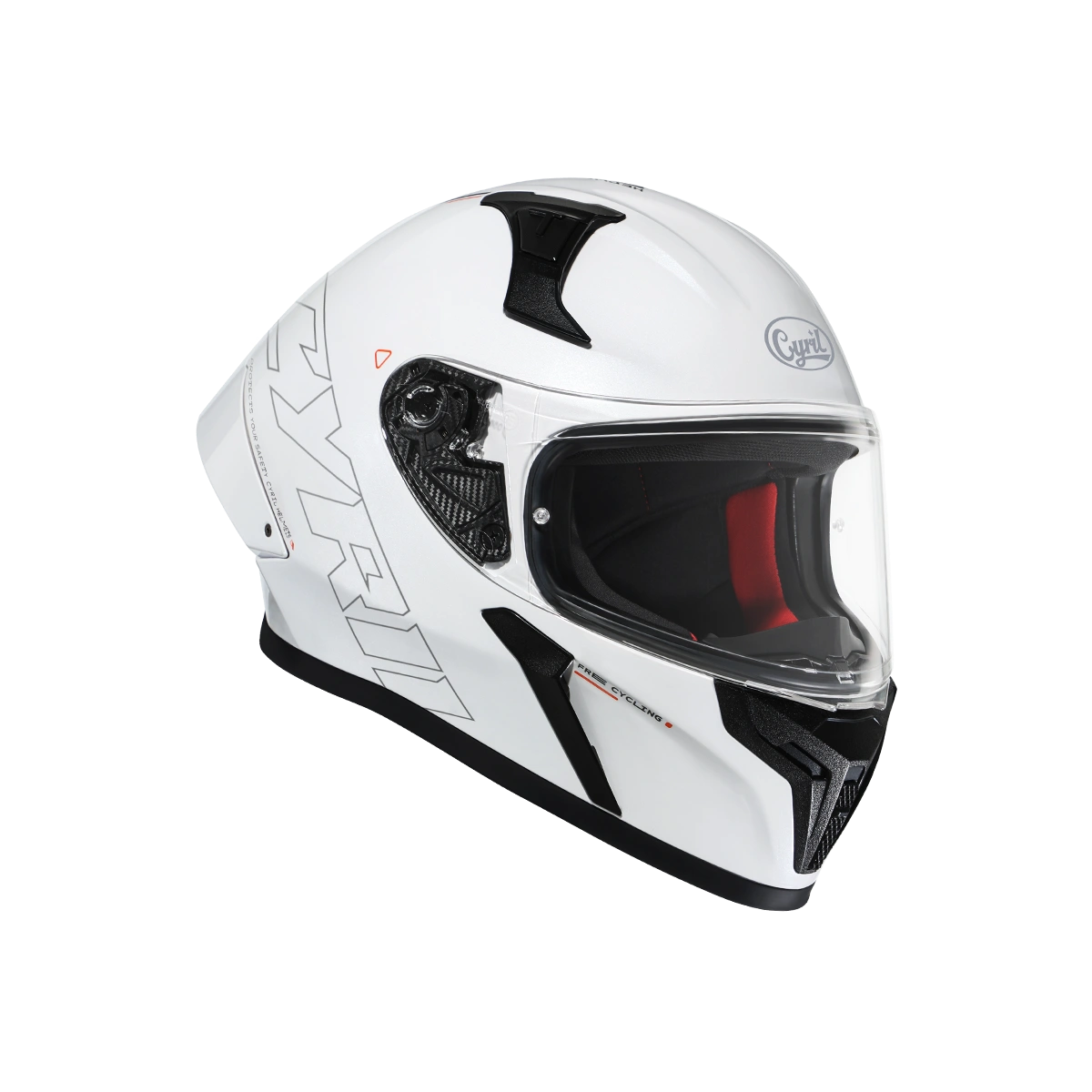
Mad Shark Full Face Helmet
The Mad Shark Full Face Helmet is relevant for riders comparing a full-face helmet with clear visor view, active ventilation, removable washable liner, ABS shell construction, multi-layer EPS, and stated DOT FMVSS 218 information for regular road use when a clear night view matters more than a dark shield look.
View Mad Shark
A128 Dual Visor Modular Helmet
The A128 Dual Visor Modular Helmet fits riders comparing flip-up modular convenience, a clear outer shield, inner sun visor use, wide-view comfort, removable washable liner, and stated DOT FMVSS 218 and ECE 22.06 information for day-to-night commuting where the sun visor needs to retract cleanly after dark.
View A128
R1-PRO Full Face Helmet
The R1-PRO Full Face Helmet suits riders comparing a sport-inspired full-face profile with magnetic visor release, ventilation, removable washable liner, stated DOT FMVSS 218 and ECE 22.06 information, and a stable full-face shell profile when visor access and fit stability matter on late rides.
View R1-PROIf you ride at night even a few times a month, do not choose a helmet only by how it looks in daylight. Check the clear-view setup, glare behavior, glove controls, and how visible the helmet is with the rest of your gear before you keep it.
Common Questions About Choosing a Helmet for Night Riding
Is a tinted visor safe for night riding?
A tinted visor can reduce available light after dark. If you ride at night, plan for a clear shield or a helmet setup that lets you keep a clear night view.
What helmet color is best for night riding?
There is no single best color, but lighter or higher-contrast helmets may be easier to notice than all-dark gear in some conditions. Reflective details and the rest of your gear also matter.
Do reflective stickers help on a motorcycle helmet?
Reflective details can support visibility, especially from the side or rear, but use helmet-safe materials and do not cover vents, seals, labels, or moving parts.
Why do helmet scratches look worse at night?
Headlights and streetlights can scatter across fine scratches, creating streaks or glare that are less obvious in daylight.
Should I choose a modular helmet for night commuting?
A modular helmet can be convenient at frequent stops, but judge it by fit, visor clarity, control access, and your route. Convenience should not replace a clear night view.
What should I test before buying a night riding helmet?
Test visor clarity, glare, peripheral view, fit stability, glove controls, shell visibility, reflective options, and whether the helmet works with your real night route.
Final Notes
Night riding does not require a complicated helmet checklist, but it does make weak choices obvious. Buy for the ride you actually take: clear enough to see, stable enough to shoulder check, simple enough to operate with gloves, and visible enough to work with the rest of your night gear.